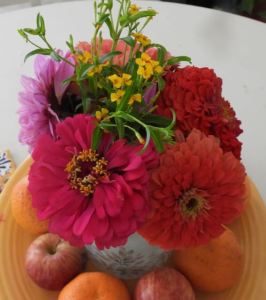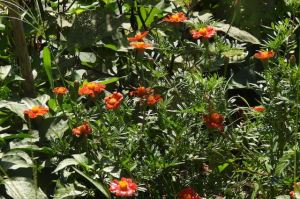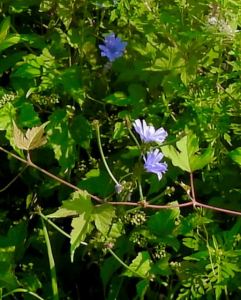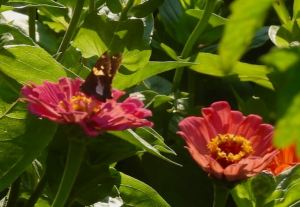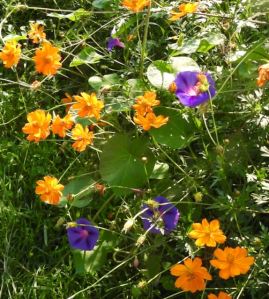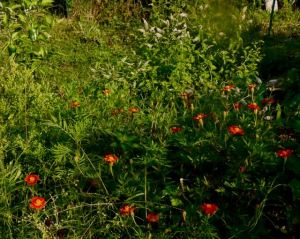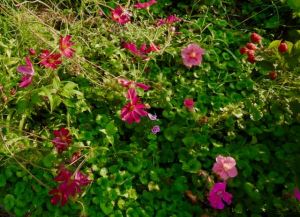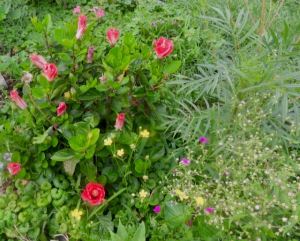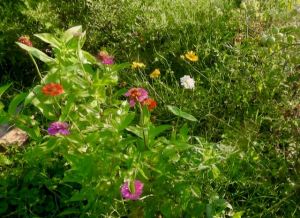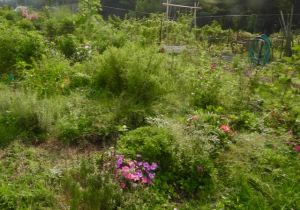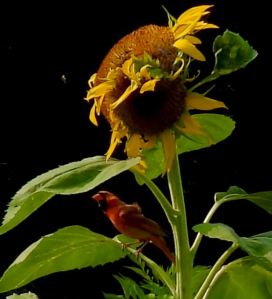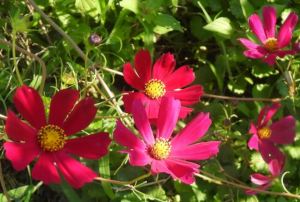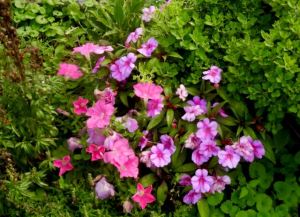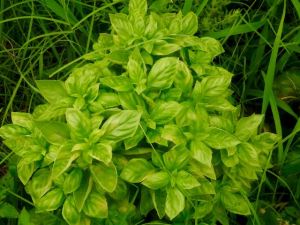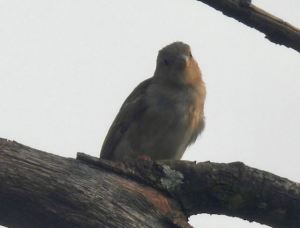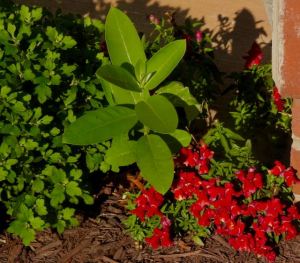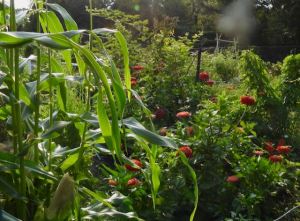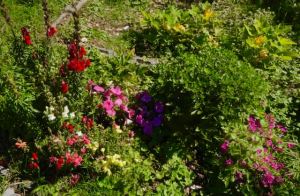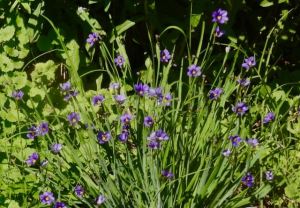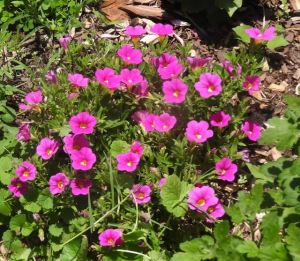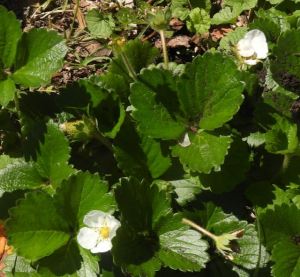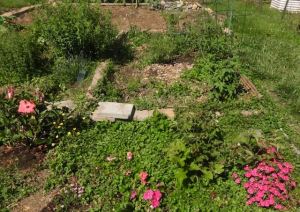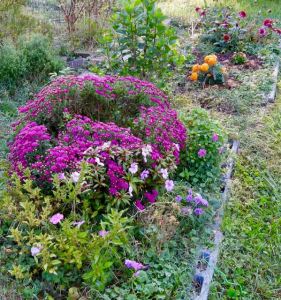
Purple Mums to Red-Pink Dahlias in our tiny community plot, cool, bright October 8
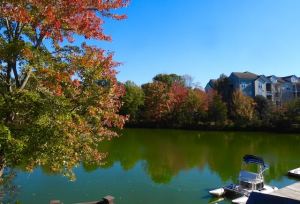
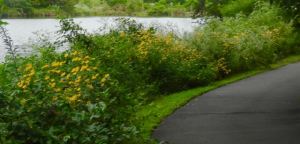
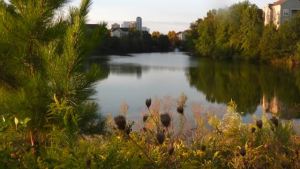
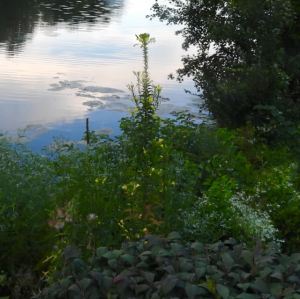
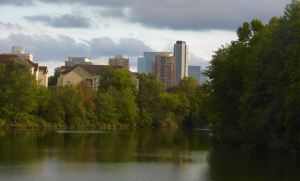
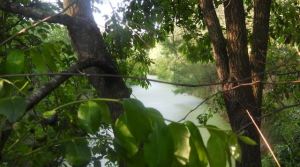
Fall colors on the east shore of the lake, sunny October 26
In this month’s blog:
Garden Joys and Climate “Adventures”
Garden Update: Colors Galore and Fall Plantings in a Brilliant October
Climate Log: El Niño Hits the California Coast and Record Utility Costs Plague the Country
Climate Log 2: EV Sales Bloom Worldwide (Except in the Stymied US)
The October 2026 Photo/Video Gallery
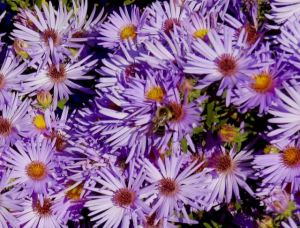
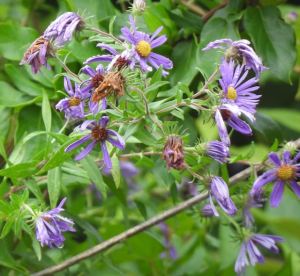
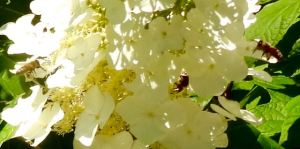
Bumblebee feeds in our Wild Blue Asters, our garden, October 23
******************************************************
Garden Joys and Climate “Adventures”
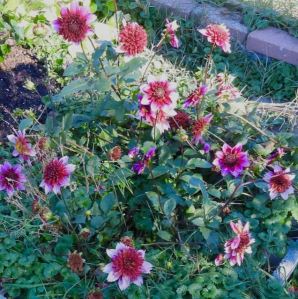
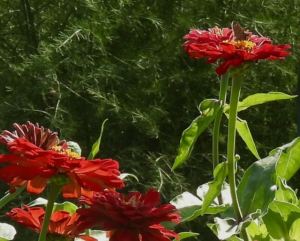
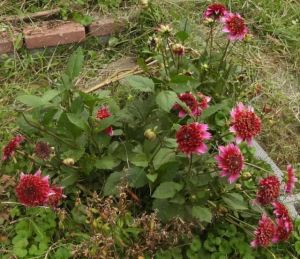
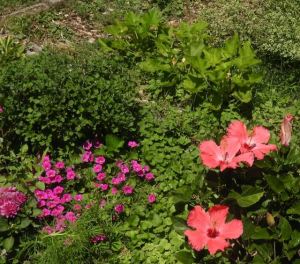
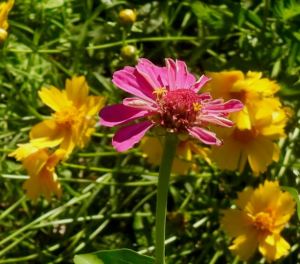
Red-Pink Dahlias still going strong in our community garden, on a bright and breezy October 23
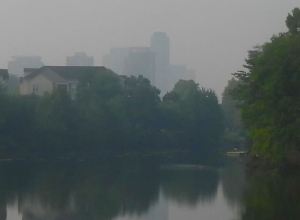
I was bemoaning last February the 3 solid weeks of sub-freezing temps and immovable ice (“snow-crete”) that covered our region. I was bemoaning through this summer the disappearance of our local turtles and many of our bird species from in and around our hot, humid, algae- and smoke -polluted lake. But, all things considered, I live in a mostly congenial climate here in Northern Virginia–very different from other places on our continent and across planet Earth that are being ravaged by the disasters caused by humanity’s 200-year addiction to coal, oil, and gas.
An addiction that some humans still consider a blessing, a cash cow, or even a grand prize. An addiction that most of us in this country seem to be resigned to and have little will power to overcome, even though affordable, renewable ways to defeat it are right in front of us.
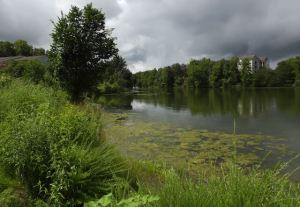
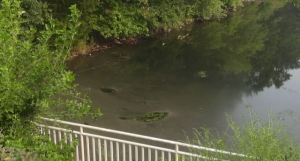
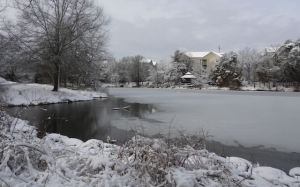
Our smelly algae-thick little lake on a humid, rainy August 5
Here in Northern Virginia, a month like this October has been indeed a weather blessing, as the temps cooled, the humidity dropped, some much-needed rains came to dilute the algae, and our little garden in the community plots bloomed with early fall flowers in a brilliant color display. So we are very lucky here. Though it would sure be nice if our birds returned to be as plentiful and varied as they were, as I’ve reported in this blog, in other recent Octobers.
Elsewhere? Climate Adventures (a much more pleasant term than the “disasters” they are)
But our pleasant October here should not fool us into thinking that it’s like this everywhere, nor that this nice weather here means that Earth’s climate is not steadily collapsing. The Climate Log (two sections below) this month focuses on just 2 of the many ways that we US humans are suffering from our fossil fuel addiction.
********************************************************************************
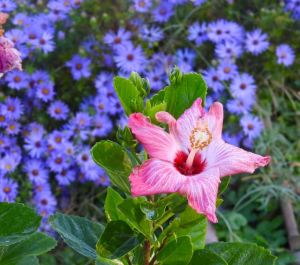
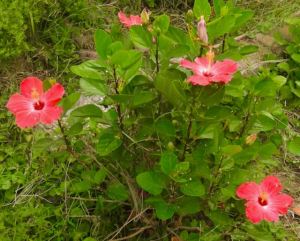
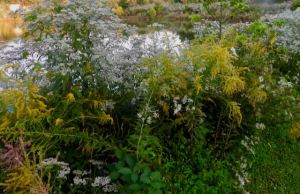
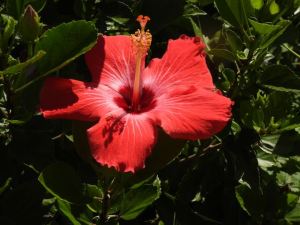
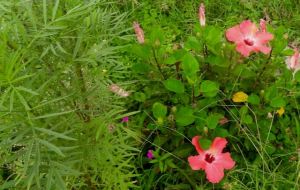
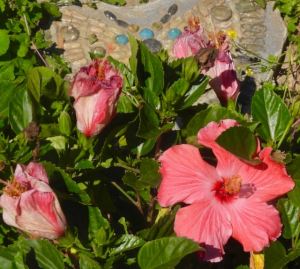
Pink bloom on huge Hibiscus amid deep blue Wild Asters, brisk, sunny October 19 morning. On October 23, we added a second large Hibiscus, Yellow, that we hope will be as hearty and successful as this one has been since this 2026 spring.
Garden Update: Colors Galore and New Plantings in a Brilliant October
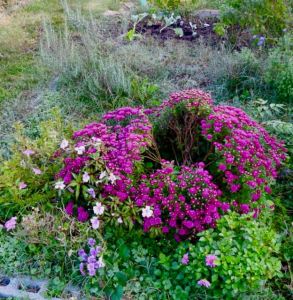
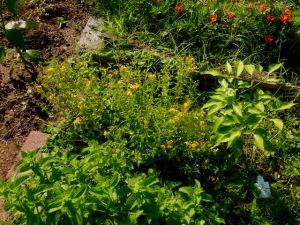
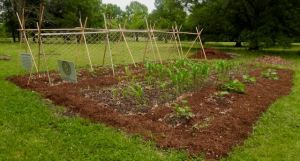
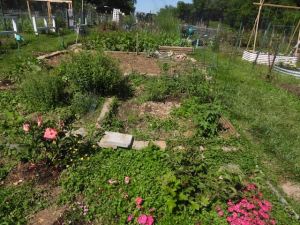
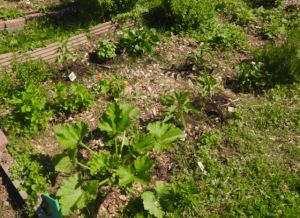
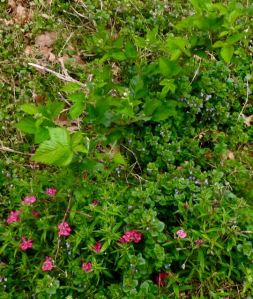
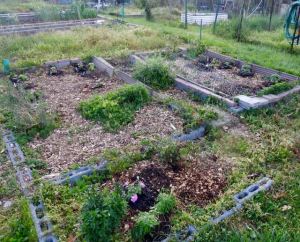
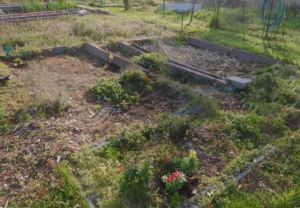
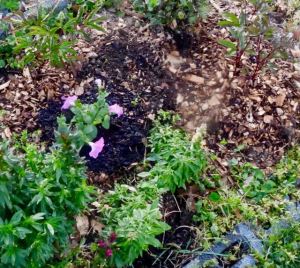
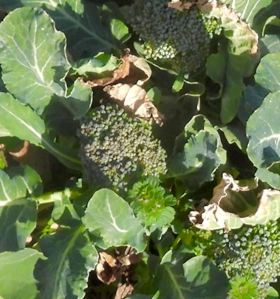
Viewed toward northeast,our Broccoli, Cauliflower, Romaine, Wild Blue Asters, Purple Mums, Petunias,Impatiens, and small Purple Asters on a cool, bright morning, October 8
The end of September meant our clearing out most of the spring/summer annual plantings that had been so successful and productive: the 5 cherry tomato vines, the mild and hot peppers, most of the herbs (mint, oregano, nasturtiums, tarragon), the resplendent marigolds and zinnias and cosmos, chives, and the volunteer grasses (AKA “weeds”) that had thrived among the veggies, including Speedwell and Crab.
Fall Perennials and New Plantings
But once these retired annual plants and the trimmed back grasses were dispatched by us to the community compost piles for recycling of their nutritious ingredients, it was time for October planting and nurturing.
The Two Queens: Purple-Red Chrysanthemums and Wild Blue Asters
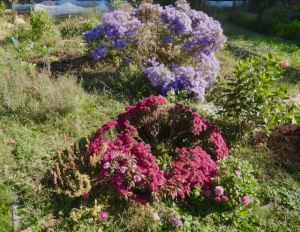
The Royal Purple-Red Mums and Wild Blue Asters,attended by Pink Hibiscus, October 23
These two are the stars of the October garden, perennials that bloom now after being green and spreading through the summer. We’ll see how they hold on to their blooms as it gets colder. But this is their time to shine and keep attracting the pollinators, before they rest over the winter.
Bumblebee feeds on stunning Wild Blue Asters on this brisk, bright morning, October 24
New Plantings
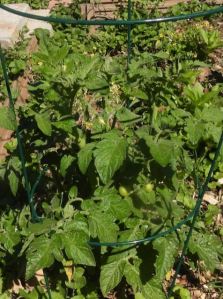
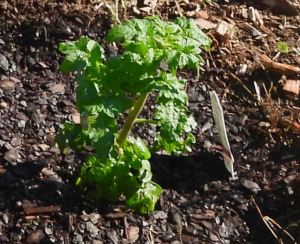
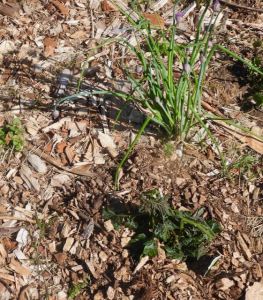
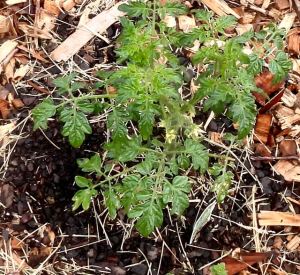
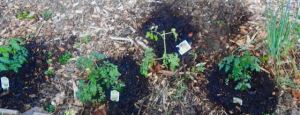
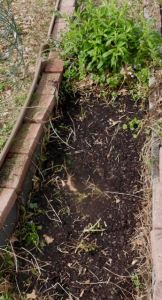
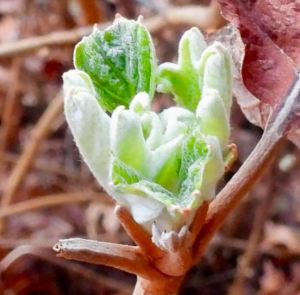
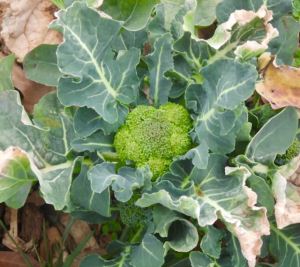
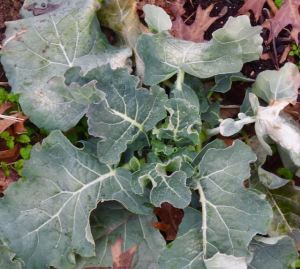
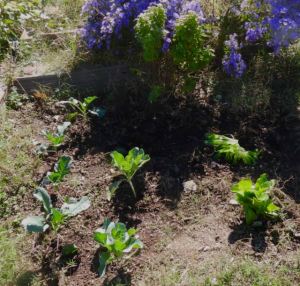
The newly planted veggies this year are 4 Broccoli, 2 Cauliflower, and 2 Romaine Lettuces. The Broccoli and Cauliflower we’re planting again this year after the snow-crete in February stopped all growth in early 2026. Here’s hoping for success. The 2 Romaine are a first timer for us. All the new veggies have now been in 10 days and are already double in size (see below). We have our fingers crossed.
And just this weekend (October 24) we’ve added Pansies to our display. Winter willing, these will keep blooming into next year.
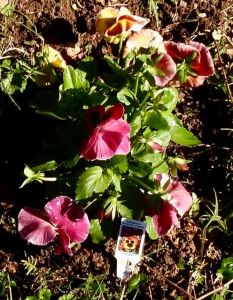
Newly-planted Pink and Yellow Pansies, October 24
And one more perennial herb, our rugged, aromatic Rosemary, whom we planted in early 2025 and who has thrived through two hot, humid summers, stays strong now as we head into the coming winter.
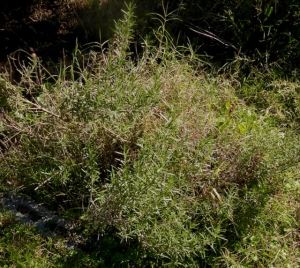
Hearty, aromatic, unpretentious Rpsemary heading into its third year, sunny morming, October 24
*****************************************************************
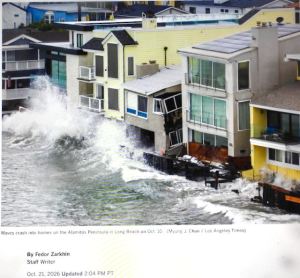
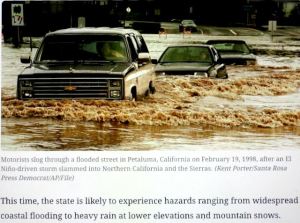
Waves from El Niño crash into homes in Long Beach in Los Angeles County, October 10
Climate Log: El Niño Hits the California Coast and Record Utility Costs Plague the Nation
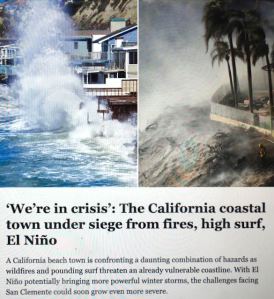
These two articles about Long Beach (next to LA) and about San Clemente in Orange County (October 20) are among many from the Los Angeles Times that from September onward have been and will be illuminating the intensifying challenges posed by the Super El Niño that formed in the Pacific in late summer and that moved on to the shore of Central America.
Reporters Ian James, Fedor Zarkhin, Hannah Fry, and Noah Haggerty are among the many journalists covering the escalating effects of climate collapse in the West, with James the most prolific of these journalists, through a series of videos as well as articles since 2023.
The winds and waves from the El Niño have now been moving steadily north, eroding beaches and destroying homes and coastal infrastructure from Southern and into Central California. This El Niño may become the most devastating on record because its intensity has been magnified by the heat dome over the Pacific and across the US resulting from the fossil fuel addiction. So far, this entirely preventable climate collapse has included
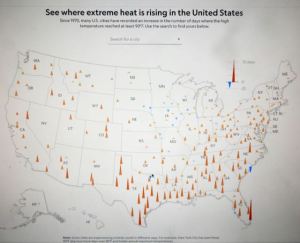
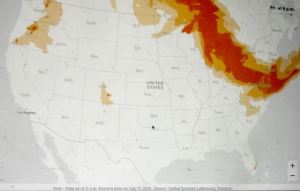
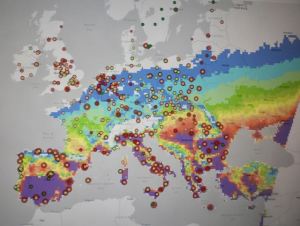
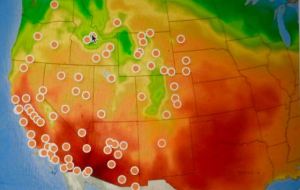
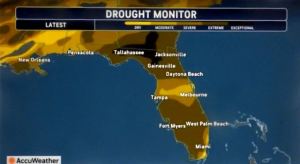
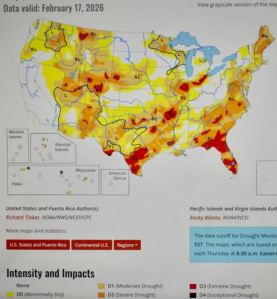
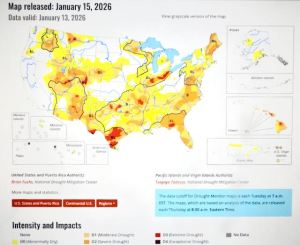
- the ongoing drought across at least two thirds of the continent (see map below),
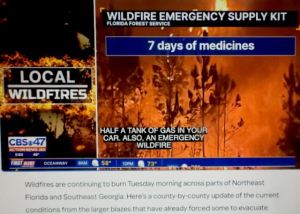
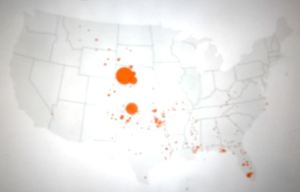
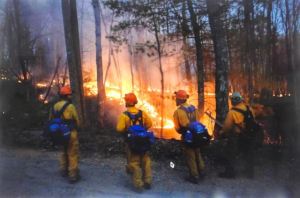
- record wildfire damage in Canada, in the US Northwest, and across the Plains states,
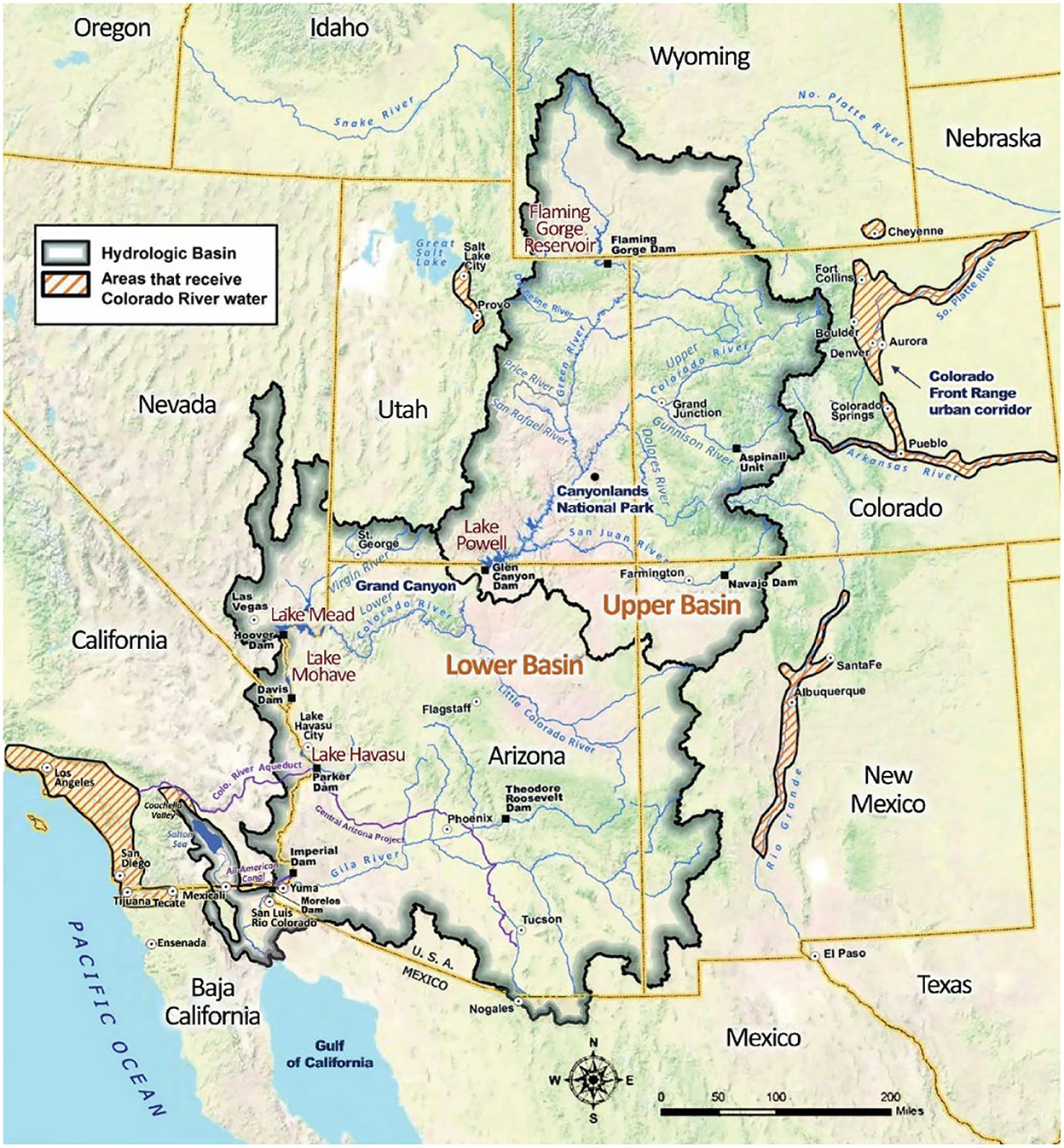
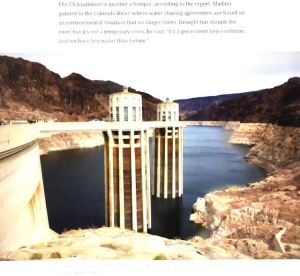
- shrinkage of the Colorado River basin to its lowest levels in recorded history,
- the shut down of farms and ranches in Texas and the Southwest,
- and almost complete elimination of the mountain snows in the Rockies and other Western ranges (as this blog has reported periodically over the past 2 years).
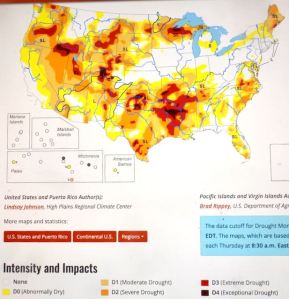
US Drought Monitor map, October 22 https://droughtmonitor.unl.edu/
That these devastating effects get relatively little attention in places like ours in the East is a perfect illustration of “out of sight, out of mind.” Because thus far our weather patterns here in the East have just not been as extreme, usually, as those in the West and Midlands, we just don’t pay attention.
Moreover, as I’ve noticed in the four years we’ve been living back East since our years in California, sources like the Washington Post and the urban (New York) based media just don’t pay attention to climate patterns in most of the country. In addition, the current President’s persistent denial, defunding, and mocking of climate science and warnings has had a severe dampening effect on the public’s knowledge of what has been happening elsewhere–and that is becoming more dangerous for all of us.
Are We Next? An effect of climate collapse that we do pay attention to: the skyrocketing utilities costs.
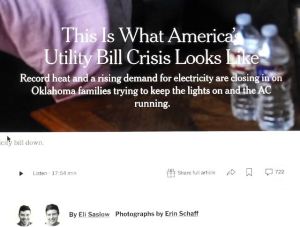
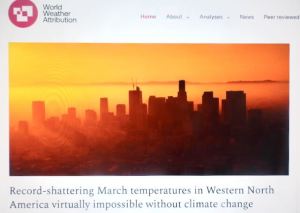
New York Time’s report on the causes of record high utility bills, October 19
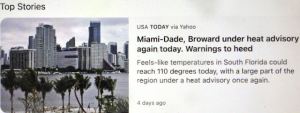
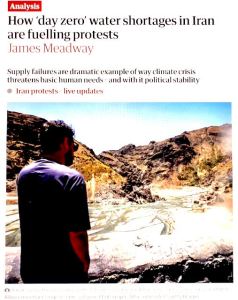
While the US population has been rightfully blaming the rising costs of gas-powered electricity and HVAC on the President’s invasion of Iran and the subsequent closing of the Strait of Hormuz that has led to both shortages and record high costs of fossil fuels, what’s gotten a bit lost in the turmoil is how the record heat of this summer has greatly driven up the use of air conditioning and its costs. This New York Times article by Eli Sastow (Oct. 19) focuses on the particularly great suffering of families in Oklahoma, where summer temps routinely were over 100 degrees, and where the utility bills–often over $1000– are putting these families in danger of losing their utilities and potentially their lives.
The Climate Collapse Double-Whammy. These heat-driven utility costs, as the article points out, are affecting American homes everywhere, and it’s the double-whammy of the fossil-fuel-caused heat records–and the US reliance on fossil fuels to power cooling systems–that is fueling this intense and widespread suffering.
But Here’s the Good News. US folks, at least in some places, are suddenly paying attention to the vicious cycle of reliance on fossil fuels. Even states like Texas and Oklahoma, the traditional centers of oil drilling in the country, are waking up to the dangers of the addiction.
In fact, according to articles in Governing.com and the San Antonio Express News Texas is now leading the US in installation of new solar-powered energy plants, even out-performing California in building these renewable power sources, though CA still leads by far in solar already installed.
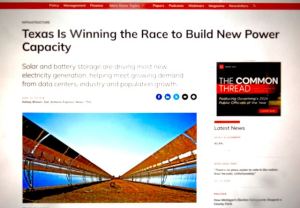
Texas, if you can believe it, now exceeds California in installation of new solar energy plants (Governing.com, June 12, 2026)
Now, for some more good news…
Climate Log 2: EV Sales Set Record Worldwide (Except in the Stymied US)
According to international auto sales journal Elektrec (Michelle Lewis article, Oct. 15), almost 600,000 BEVs (battery electric vehicles) were sold in Europe in September, doubling the record sales reported in June. Globally, September 2026 sales of BEVs were 2.15 million, an increase of 17% over a year earlier. “The UK, France, Spain, Portugal, and Finland all set new monthly records,” with France’s 80,000 in September sales an 81% increase year over year.
The record heat waves of summer 2026 across Europe killed an estimated 50,000 people (New York Times, October 22). This horror, in addition to the fuel shortages and rising costs as a result of US President Donald Trump’s February invasion of Iran, no doubt intensified the commitment of Europeans to turn away from fossil fuels and toward renewable energy, including electric vehicles, and so led to this record across Europe and Asia. European, Chinese, and other Asian automakers continue to lead the world in innovative renewable technologies and sales, as US automakers are left behind by this anti-business Administration.

Not surprisingly, lagging far behind the rest of the world in adoption of EV technology is the US, where, because of his fixated devotion to the fossil fuel cartel, the President’s elimination of the tax credit for EV sales led to a 44% sales drop in EV sales in the US since 2025, the last year of the $7500 tax credit. So, while the rest of the world moves forward to adopt renewable energy vehicles and saves money on fuel costs, US drivers are stuck in the fossil fuel past and must pay the higher prices for gas and diesel brought about by the Iran catastrophe.
***********************************************************************
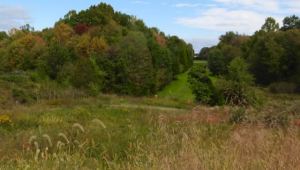
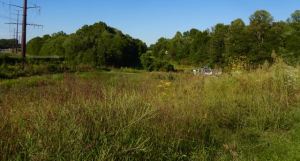
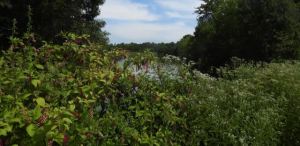
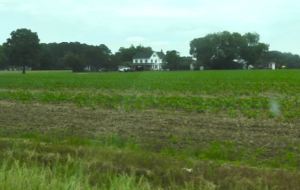
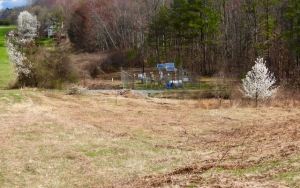
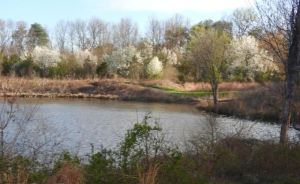
Fall colors beginning in the field and woods north of our little lake, on a brisk sunny October 17
The October 2026 Photo/Video Gallery
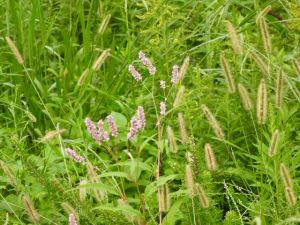
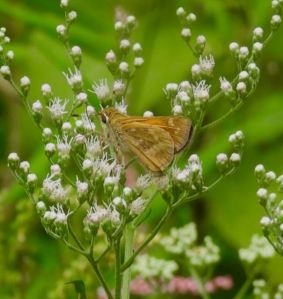
First Fall Colors, More Wildflowers, and Returning Turtles (including a Snapper!) here, plus Views of Oktoberfest and Seneca Creek State Park in Germantown, Maryland, another beautifully-maintained part of the Maryland side of the Potomac watershed, where we visited this month.
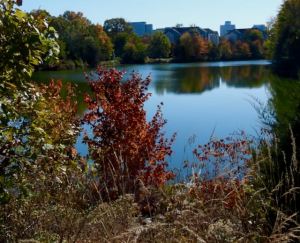
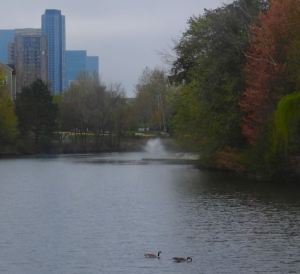
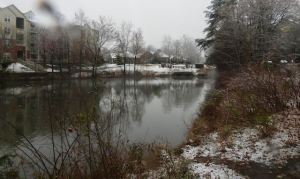
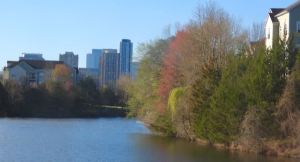
Colors in view southeast down lake toward downtown, with Red Maple in foreground, October 26
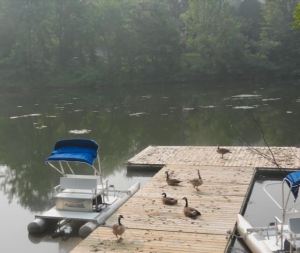
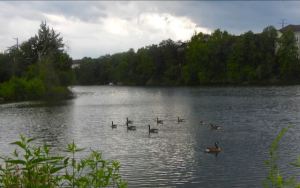
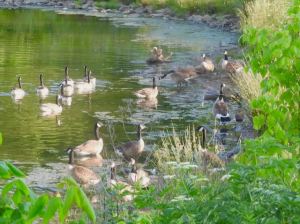
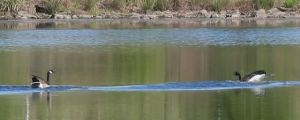
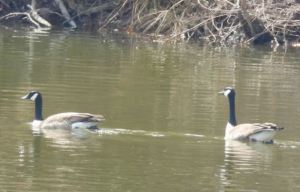
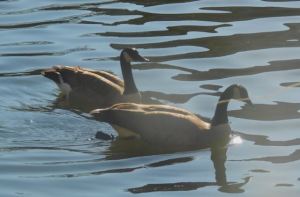
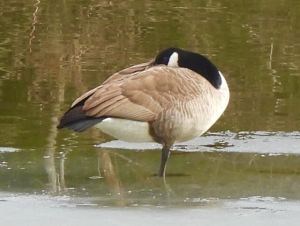
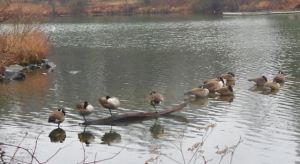
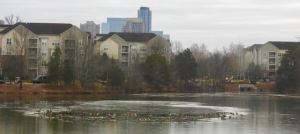
A dozen Canada Geese swim gently in the southeast cove of our lake, cool, sunny October 17
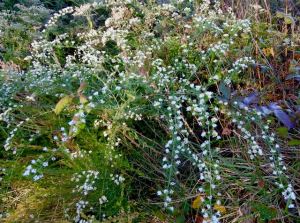
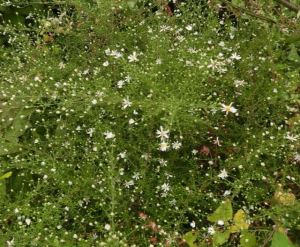
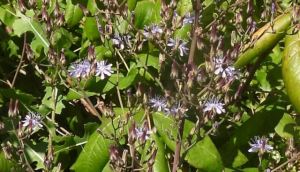
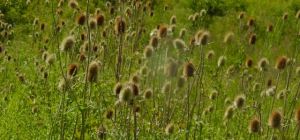
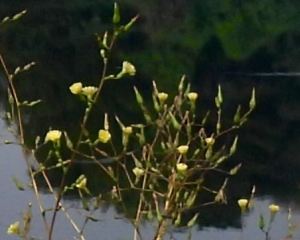
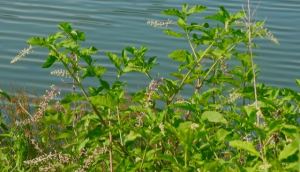
Tiny blooms of Hairy Asters, east shore of the lake, October 21
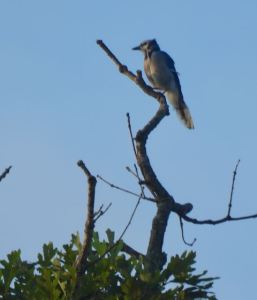
Bumblebees feed on our Wild Blue Asters, in our garden, as BlueJays call, breezy October 23
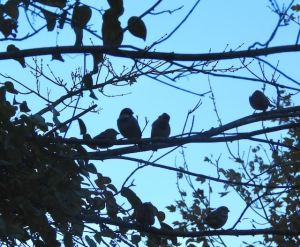
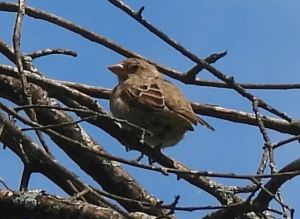
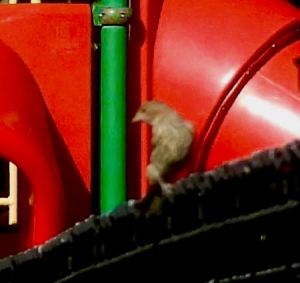
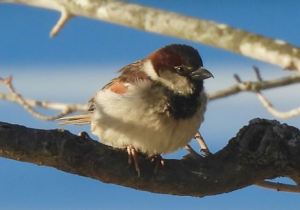
A flock of our ubiquitous House Sparrows are silhouetted on branches along the southeast shore, October 21
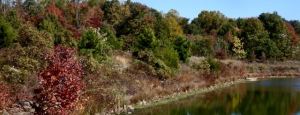
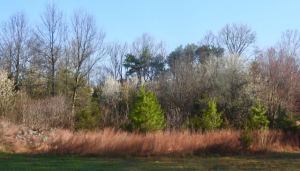
Fall colors in the north woods, October 26
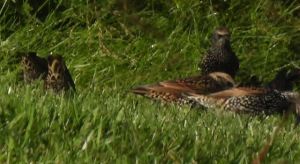
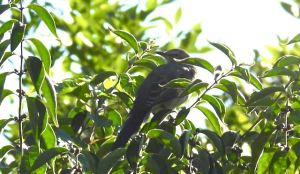
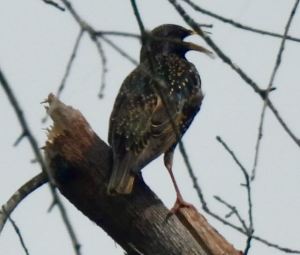
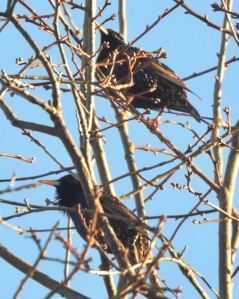
Small flock of European Starlings with iridescent russet hues in the grass west of the lake, October 21
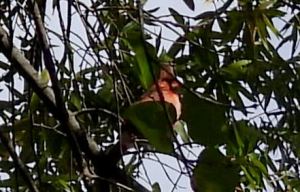
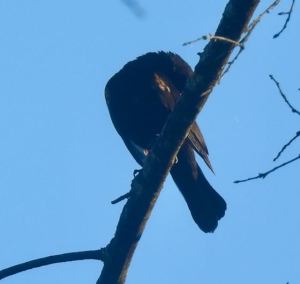
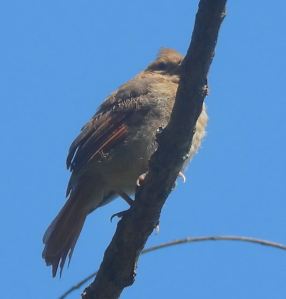
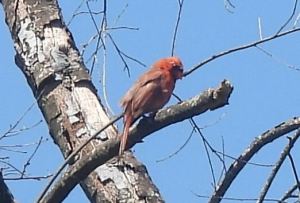
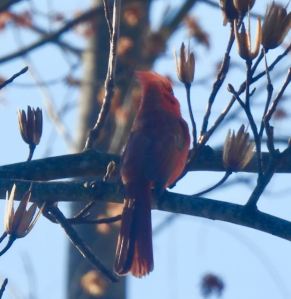
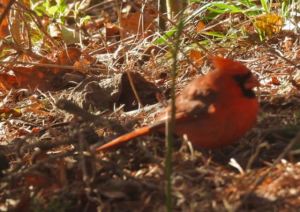
Cardinal male hides in California Bay Laurel on the west shore of the lake, brisk, sunny October 17
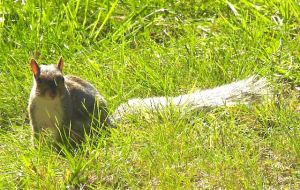
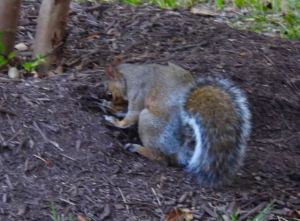
Gray Squirrel stares at me from grass by the northwest corner path, sunny, clear October 22
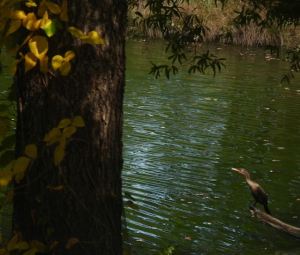
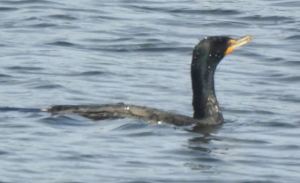
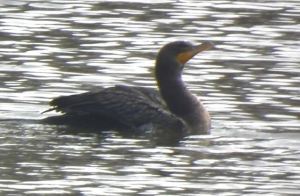
Lone Cormorant, yellow-orange and brown, on the log in the southeast cove, beside a Willow Oak and the green lake, cool, sunny October 16
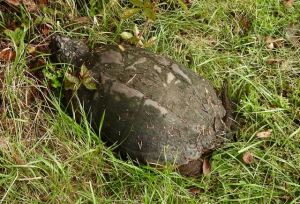
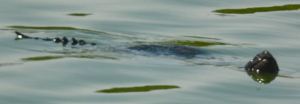
Strange sighting: one of our Snapping Turtles on the north path after a heavy rain. Never seen before out of the lake, October 12
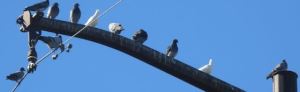
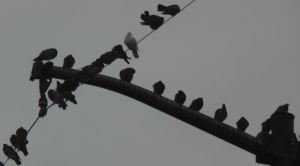
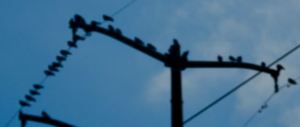
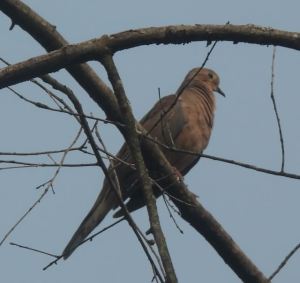
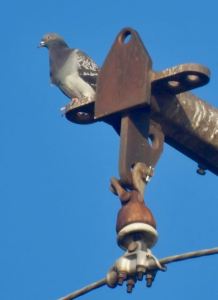
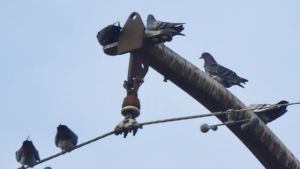
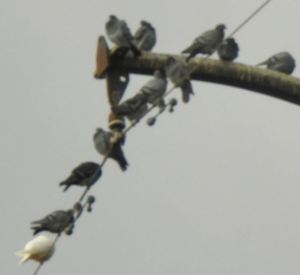
12 Rock Doves relax on the power tower west of the lake, sunny October 22
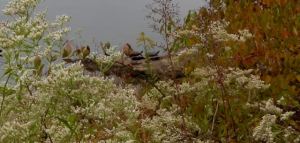
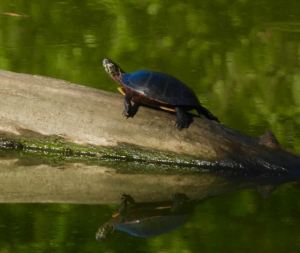
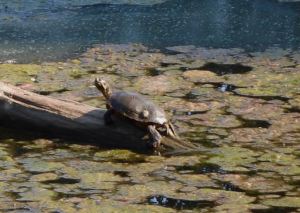
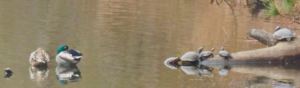
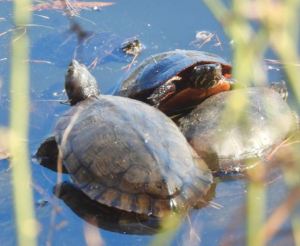
View of north shore with 3 Red-bellied Cooters on log and Boneset and Red Maple color, on a cool, cloudy October 15
Oktoberfest in Germantown, Maryland, October 10: the parade begins

Ukrainian dancers in Oktoberfest parade, Germantown,October 10
Mexican dancers in Oktoberfest parade, Germantown, October 10

Seneca Creek State Park, Germantown (Md), panorama toward lake and turning trees, October 9
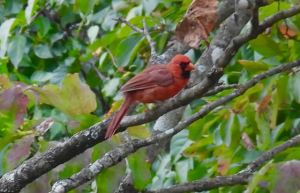
Cardinal male amid Dogwood leaves in Seneca Creek State Park, October 9
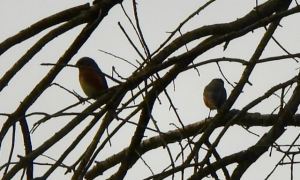
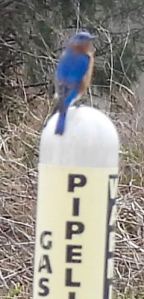
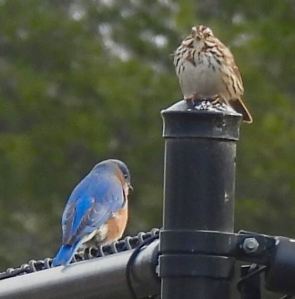
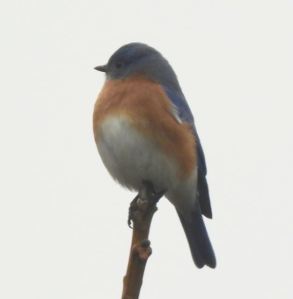
Bluebird pair amid branches, Seneca Creek State Park, October 9
Yellow-bellied Sapsucker explores American Elm, Seneca Creek State Park, October 9

Pumpkin display, Lewis Orchards, Germantown (MD), October 10
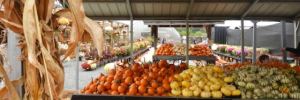
Pumpkins and Mums display, Loudoun Farmer’s Market, Lucketts (VA), October 10, part of our trip to Maryland
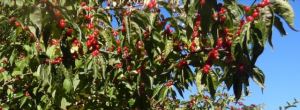
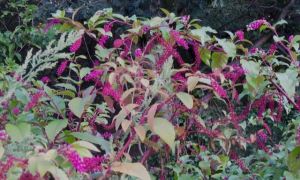
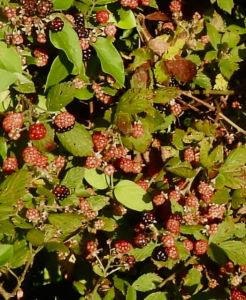
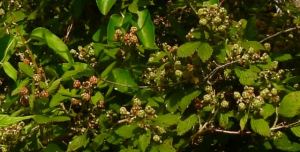
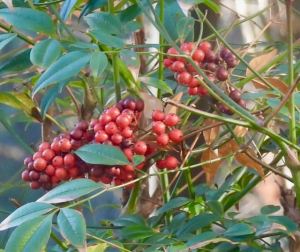
Amur Honeysuckle, berry profusion, east bank of our lake, October 22
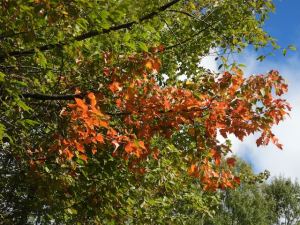
Red Maple in fall coat, southeast bank, October 12
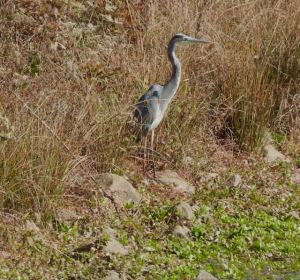
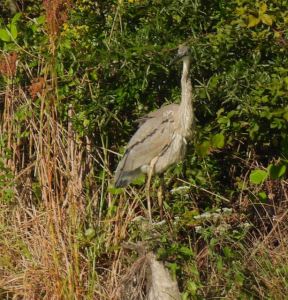
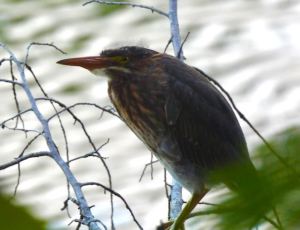
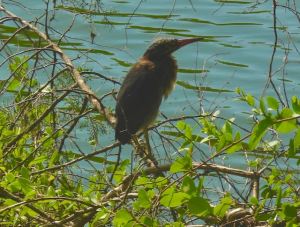
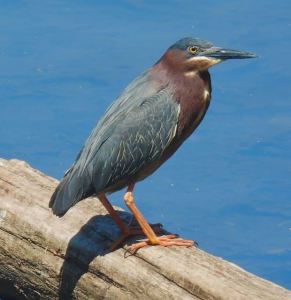
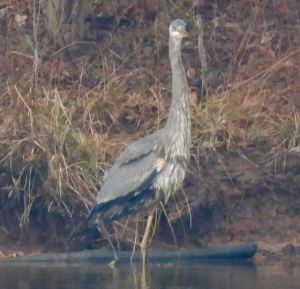
Blue Heron, with deep blue feathers and bright yellow eye, watches from north shore, October 26
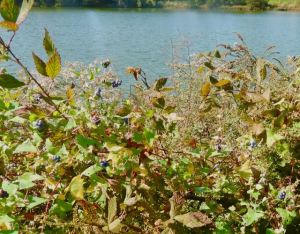
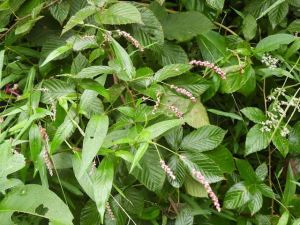
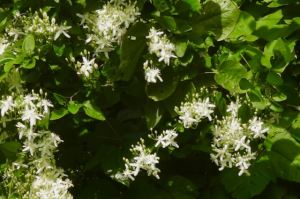
Mile-a-Minute with blue berries, northeast shore, October 16
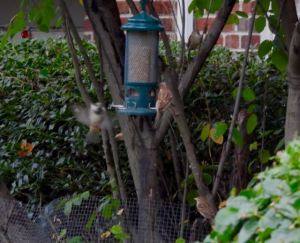
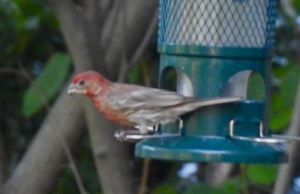
House Sparrows and Chipping Sparrow at neighbor’s feeder, October 15
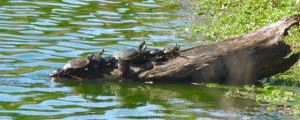
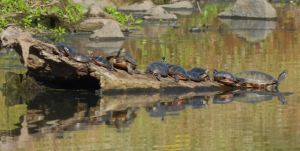
12 Red-bellied Cooters on log, north shore, October 16
Fall-colored Cormorant scans the lake, then dives, October 16
And on to November, in hopes for more good news and so much to be thankful for…