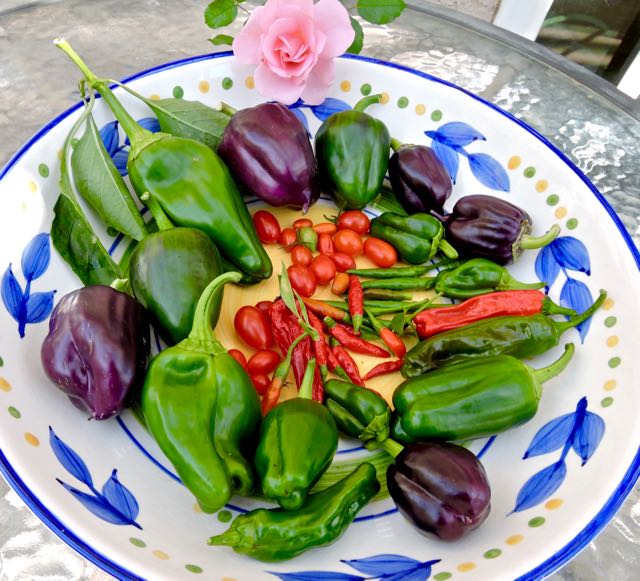
Jean:
Vegetables, of course.
I’m sure they were not my favorite food, growing up. My mother had learned to cook during the Depression and would cook anything available. I loved her meat dishes, even organ meats like tongue and liver. She was Irish, only two generations removed from the Famine, and she loved potatoes. Such a luxury to live where they were plentiful. And cheap. We had steaming hot potato dishes of all kinds, as well as delightful potato salads.
The potato fascinated me as a teenager because I was learning about nutrition in 4-H. I learned that many vegetables are high in a limited number of nutrients but that the potato has low amounts of a much wider range of nutrients. This is how the Irish could live on just the potato, if they could get enough of them. No matter how comforting potato dishes may be, depending on just one food is not a good dietary strategy. But if you are truly starving…
My least favorite of her dishes was her vegetable soup. There were too many questionable ingredients for a skeptical kid. Sometimes it had rutabagas in it, and sometimes she served steamed rutabagas separately. The smell would drive me out to the driveway and as far down the street as any friend’s house I could get into, maybe just to hang out in my friend’s bedroom while they had dinner. My friends’ families were like ours, too many kids for the amount of income, and extra kids were not needed around the table.
I generally liked to eat, though, so I couldn’t avoid my mother’s overcooked vegetable dishes for long. And my parents had strict rules at the table. We had to eat everything on the plate. They were not playing. We ate them, even though we made gagging noises sometimes.
This struggle to acclimate kids to new foods, particularly vegetables, fascinates me today. I have known kids who were picky eaters and got cancer. We know one kid today in particular who may pick at something on his plate at the dinner table but almost never a vegetable. Then he just disappears. No requirement that he eat a certain amount, or that he ask permission to leave the table. He’s a smart kid who likes to show off his knowledge in front of adults. I’ve asked him to research the connection between diet, especially the consumption of vegetables, and three main killers–cancer, heart disease, and diabetes. I hope one of these days, he’ll be tempted to take a peek at some of these websites:
https://healthyforgood.heart.org/add-color
In the meantime, we all need to do what we can to try to educate kids, support them in their efforts to broaden their diets, and even trick them into eating healthy foods if we have to (pureed fruits and vegetables can be snuck into many dishes).
On the other hand, I’m not particularly enamored of vegetarians or vegans. My apologies to actual vegetarians and vegans, of course, but I’ve known too many people who call themselves one of these “veggie” names, but who actually do not eat vegetables. This label is often their excuse not to eat what other people are eating. Instead, they may order what their ten-year-old, veggie-phobic self would have ordered, some kind of pasta with a creamy white sauce.
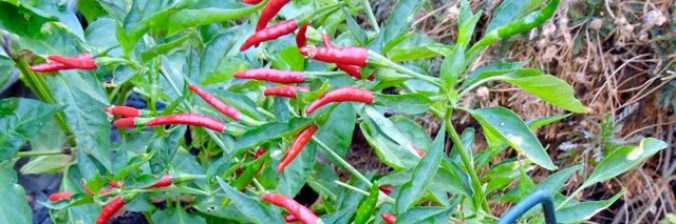
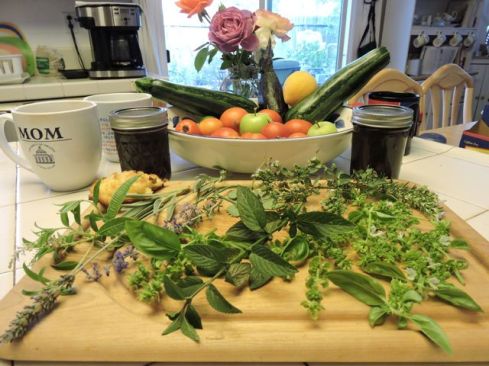
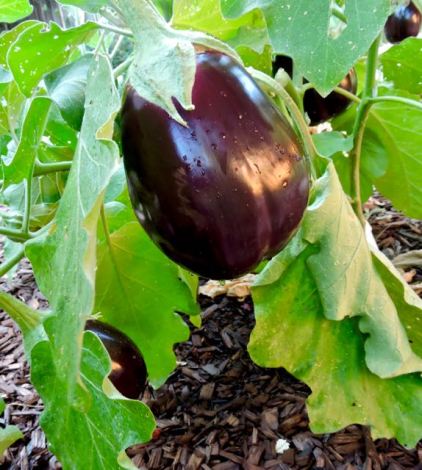
Learning to eat vegetables is an important part of growing up. As Chris and I get older, we find that vegetables continually taste better to us, like we can feel the health benefits almost immediately. The heavier, greasier foods are no longer so appealing as they once were. Older and wiser? At any rate, veggies are staples of our garden–and of our kitchen. (See “E Is for Eggplant,” “G Is for Greens,” “H Is for Herbs,” “P Is for Peppers,” and “T Is for Tomatoes”–just some of our posts featuring veggies.)
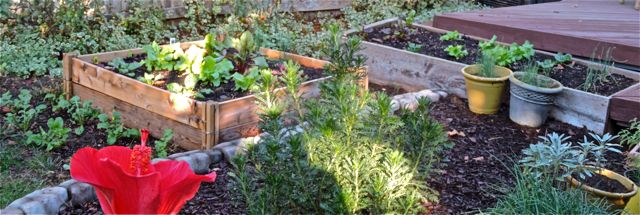
Winter veggies in October, back garden
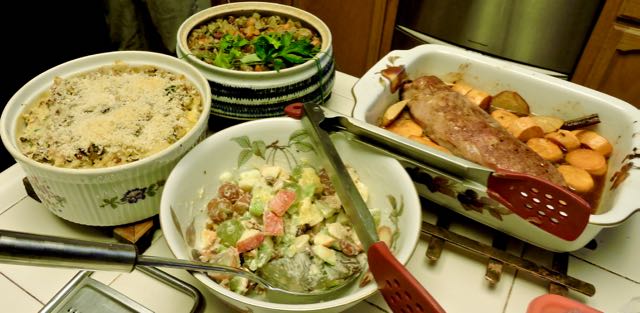
Thanksgiving 2017, fruit salad, veggie casseroles, pork and sweet potatoes
But can I change the subject now?
I would like to segue from vegetables to vocabulary. The letter “V” is my favorite letter of the alphabet. It is interesting and complex even beyond the subject of vegetables. “V” words are some of the most fun, like “vacation.”
They include important, solid concepts, like: vaccinate, valedictorian, valence, valid, value, valve, van, vanguard, vanilla, vantage, variety, vast, virtue…
They can also represent ambivalence or emptiness, like: vacillate, vacuous, vacuum, vagabond, vagrant, vague, vain, vanish, vapor, variant…
V words are also frightening, like: Valkyrie, vampire, vandal, varmint…
And V words are sexy: vagina, valentine, vamp.
Those are just some of the ones that start with “va.” I could go on and on through the alphabet for the second letters, like “venal,” “vermin,” “verdant”” or “venerable” for “ve,” “vigorous” or “vicious and vituperative” for “vi,” “vociferous” and “voluptuous” for “vo,” “vulgar, vulture, and vulnerable” for “vu.”
These are some of the most colorful words in the English language. So strengthen your body with color from beautiful vegetables, and strengthen your vocabulary with some colorful “v” words you might not use often enough, in place of bland substitutes. Live a little!
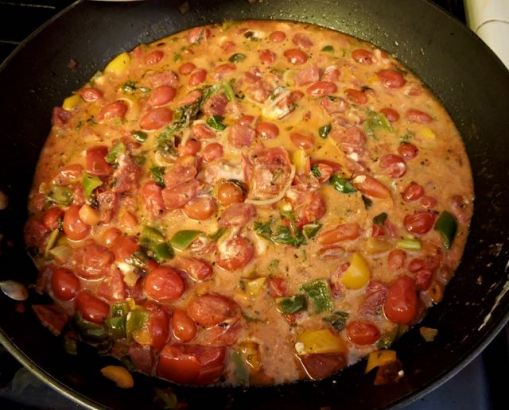
 From Sacramento to Potomac: Tales of Two Valleys