In this month’s blog:
-
Waiting for Rain
-
Prepping for Winter
-
The October Kitchen
-
October Gallery
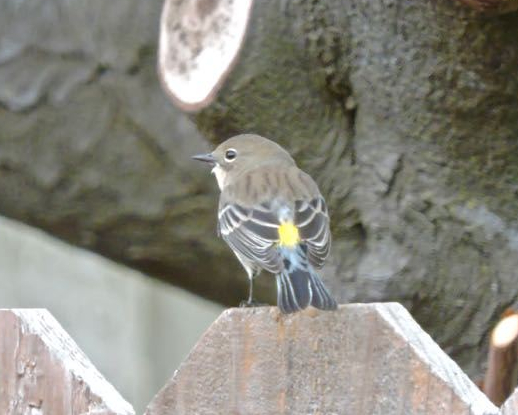
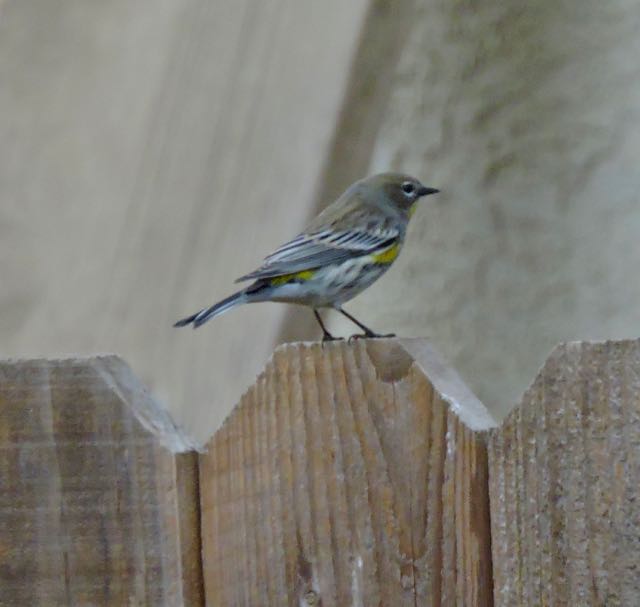
The yellow-rumped warblers make their annual autumn visit to our garden, including stops on our back fence.
Waiting for Rain
Chris:
This month the fires that have ravaged about 3%–an unprecedented amount–of California began to be contained. Late in September, the Glass Fire, one of the most virulent in our region of the state, began in high winds in the mountains east of Napa Valley and tore quickly into the Valley. A second branch of this fire began near the iconic town of St. Helena in the heart of Napa. It ripped up into the Mayacamas Mountains west of St. Helena, not far south from where the devastating Tubbs Fire moved in 2017. Like the Tubbs Fire, this branch of the Glass Fire spread over the bone dry ridges and into neighboring Sonoma County, threatening the famous wine country vineyards in Kenwood and along Route 12, the Sonoma Wine Country Highway.
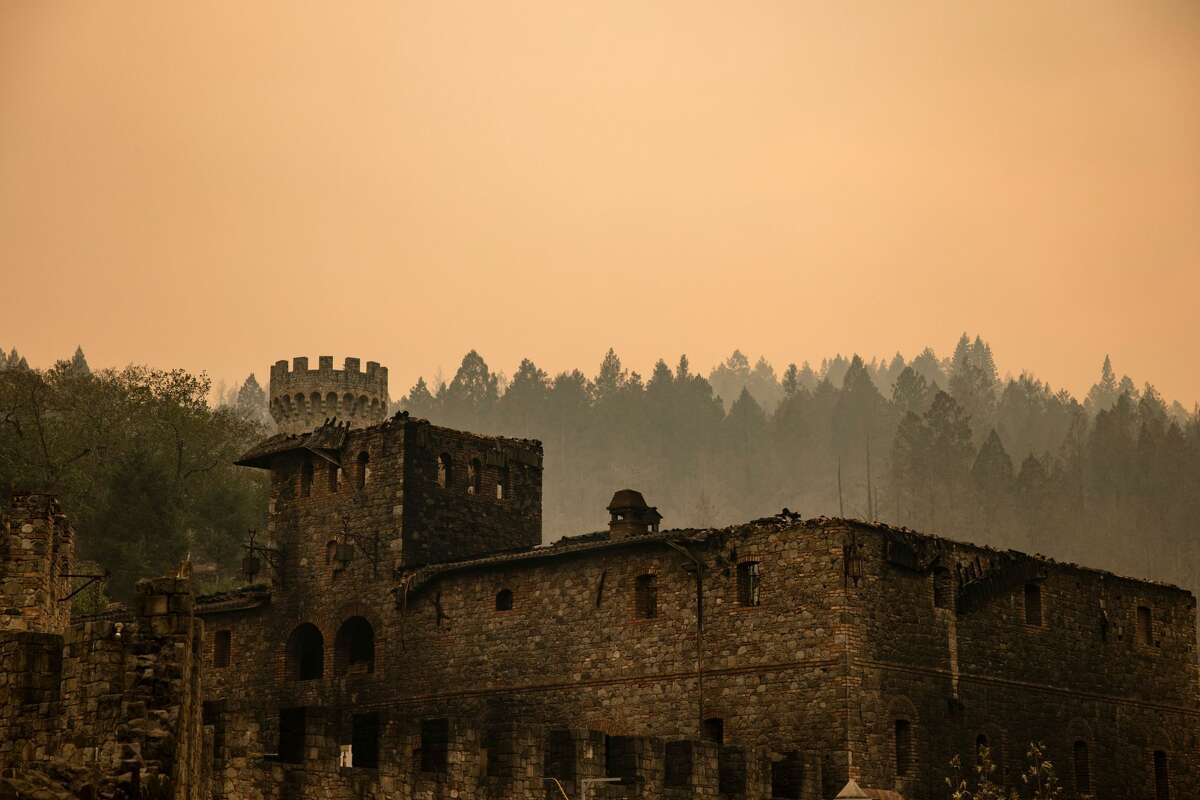
For two weeks, fire crews worked 24/7 to limit the blazes, while thousands were evacuated and dense smoke and ash obliterated the usually bright blue skies and harvest-time vine rows. Several wineries were destroyed and others, such as the famous Castello di Amorosa in Napa, sustained major damage, as shown below.
But, thanks to the unflagging efforts of the crews, the fire area didn’t keep spreading and now, in late October, the clear skies have largely returned. Overall in California, the record fire season is now calmer than it has been anytime since the infamous lightning storms of August, as reported in that month’s blog.
Still, as long as no rain has as yet come to the state, each week brings with it new Red Flag Warnings, whenever the winds kick up. The beleaguered state power corporation, Pacific Gas & Electric, every few days announces new preventive blackouts for thousands of customers in targeted communities where new fire activity is likely to happen. So far no new conflagrations have arisen.
But only sustained precip can really ease anyone’s mind in this unprecedented fire year, and when that rain might come is still guesswork.
PG&E’s Scott Strenfel, head of meteorology and fire science, described the danger well (Sacramento Bee, 10/23) in explaining the latest upcoming blackout: “We’re seeing four extremes in the weather…: extremely high winds, extremely low humidity, extreme dry fuels due to the hottest average temperatures over the last six months according to records that go back 126 years, and extreme drought across the territory given lack of rainfall.”
So we all wait for the rain and prepare as best we can.
Prepping for Winter
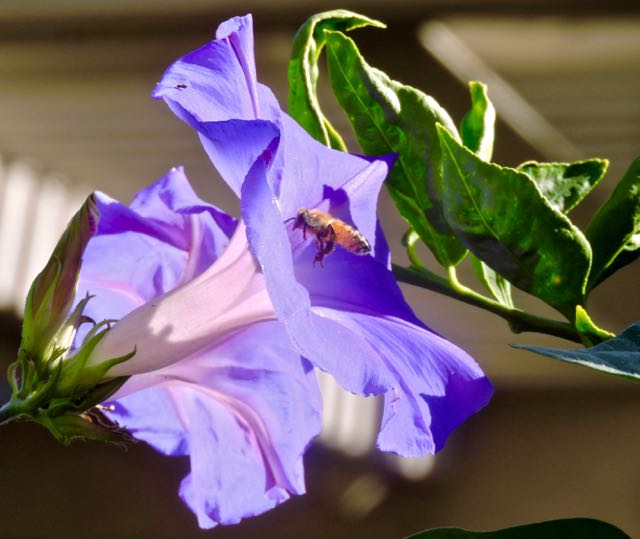
Honeybee dives into a morning glory that perches atop our meyer lemon bush.
Because, uncharacteristically, temps had remained in the 90s through September and most of October this year, summer veggies that were usually exhausted in September kept producing. Indeed, here in the last week of October, the mild red peppers are still coming (below).
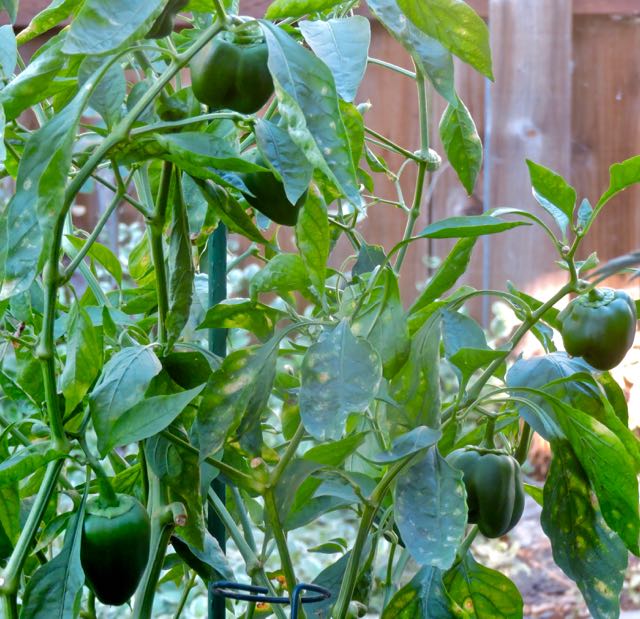
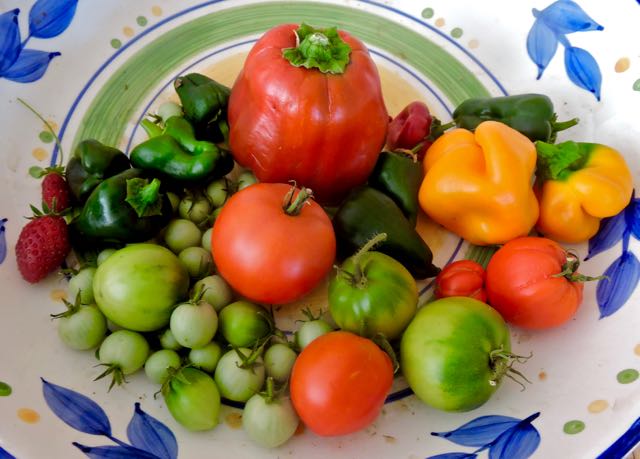
And, as the banner photo at the top of this article shows, I could even harvest other summer produce, like mini tomatoes, Carmello tomatoes, ancho chilis, and even strawberries, up to the middle of this month.
But the daily high temps are finally beginning to come down this week–from the high 80s down to the low 70s–so I’ve made the move to pull out all but those peppers. And I’ve prepped the raised beds with potting mix and topsoil for the winter veggies I have ready to go in:
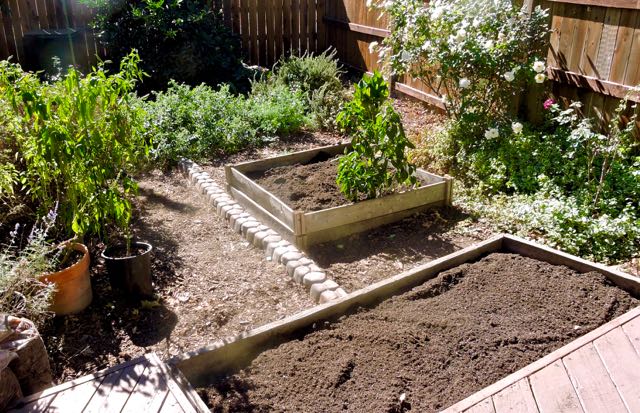
The four varieties of tomatoes, plus the cucumbers, ancho chilis, yellow peppers, and arugula are gone, after having done great service. Only two red pepper plants, one in the square raised bed, remain.
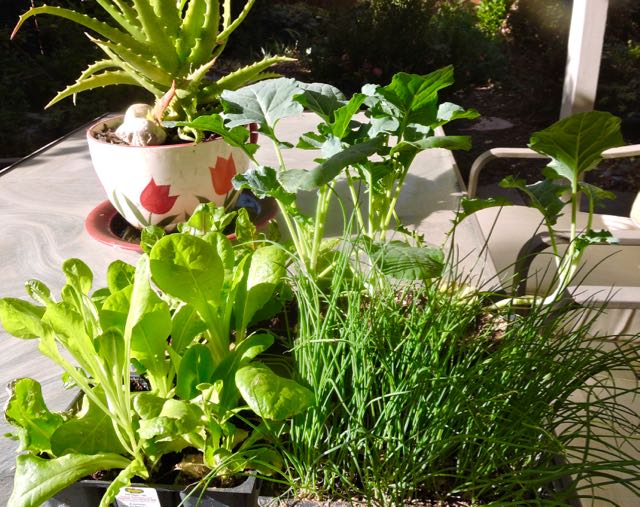
I hope this coming week to have the beets, onions, broccoli, leaf lettuce, parsley, and chard put in:
.
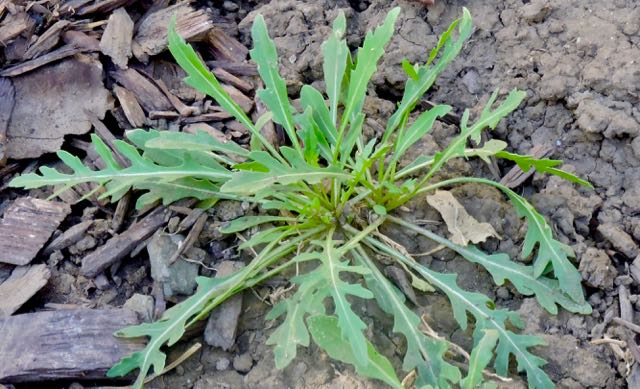
…and the perennial arugula has begun popping up once again, too (below).
Meanwhile, the oranges and meyer lemons get bigger, as they slowly head toward ripeness in December:

The October Kitchen

Jean:
Who doesn’t love brownies? Well, Chris often says he can’t take too much chocolate, but when I add a little spice, he’s all in. Here is the recipe I used for a fudgy brownie with Mexican spices. However, like some of the reviewers, I increased the cinnamon by 50% and doubled the cayenne. (I’m not giving exact amounts because I halved the whole recipe for us, and it still made plenty.)
Even fudgier, I think, are my vegan brownies. Chocolate is such a wonderful ingredient that you can go vegan or gluten-free, and the chocolate just steps up and takes center stage. Try these, and maybe put a kahlua frosting on top:
For the frosting:
4 oz. 71% or 50% semi-sweet or unsweetened baking chocolate, coarsely chopped *
5 1/2 tablespoons unsalted butter, cut into small pieces
1 cup heavy cream
3/4 cup sugar (* if using unsweetened baking chocolate, increase the sugar to 1 cup)
1/4 teaspoon salt
1/4 teaspoon Kahlua
For a cakier brownie, I don’t think you can do much better than your favorite purchased brownie mix or recipe, with just some add-ins. I served them as shown above, with dulce de leche ice cream (to cut the sweetness, of course)!
https://www.foodnetwork.com/recipes/food-network-kitchen/mexican-brownies-recipe-2103541
More October kitchen goodies!


October Gallery
Check out this hummingbird pair that I was lucky enough to capture with my phone camera in the side garden. The orange fuchsia is their nectar target. It’s rare that I see this pair interact so long and so loudly!
https://www.youtube.com/watch?v=TvphLuqnI9Q&feature=youtu.be
Then check out this Northern Mockingbird that I was lucky enough to zoom in and video singing in our neighborhood almost 300 feet away. So much perfect sound coming from so far away and from such a small body!
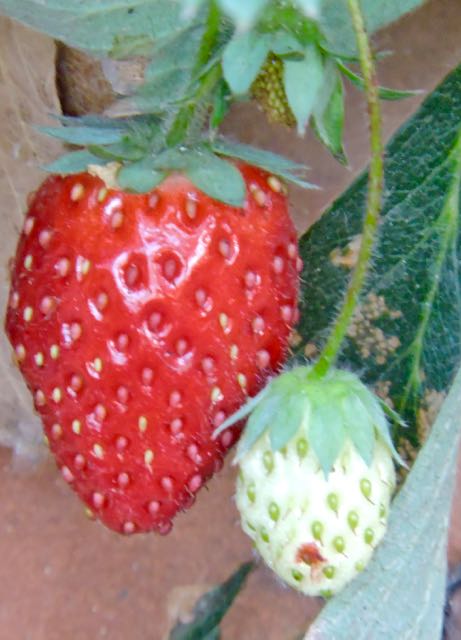
Strawberries still ripen in the ceramic pot on the back veranda.


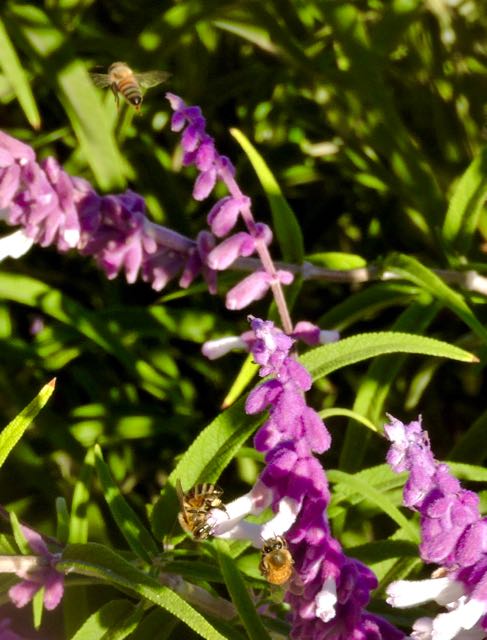
Honeybees swarm to the Mexican sage in the front garden in October.
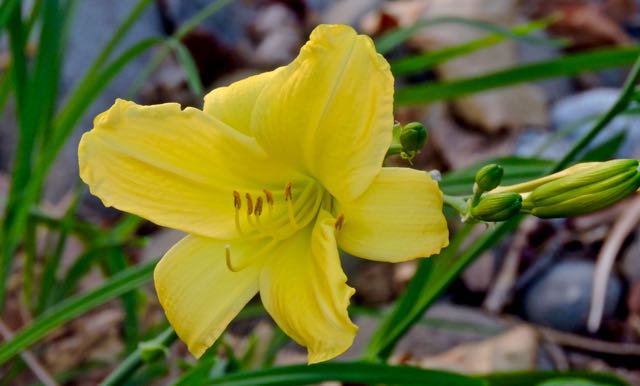
Day lilies keep budding and blooming in the front garden in the unseasonably warm October.


This blue grey gnatcatcher (below) probing in the coreopsis in the back garden is one of a flock that visits the garden for a day on its twice-yearly migrations to the Sierras in spring and back south in October.
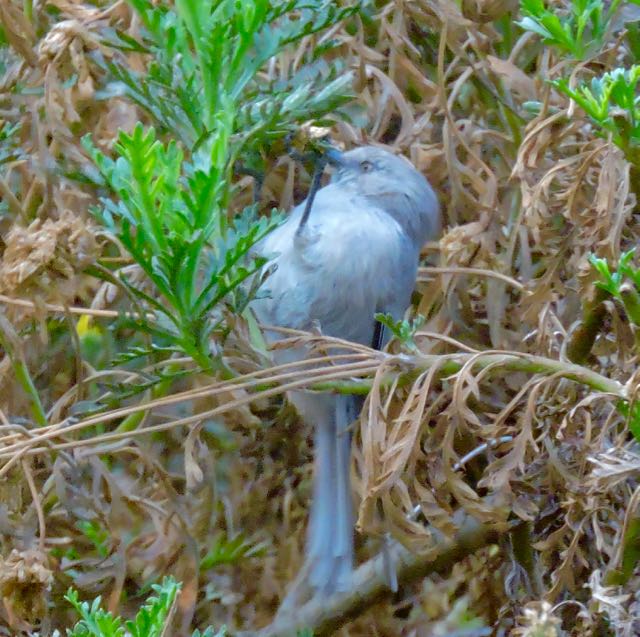
 From Sacramento to Potomac: Tales of Two Valleys