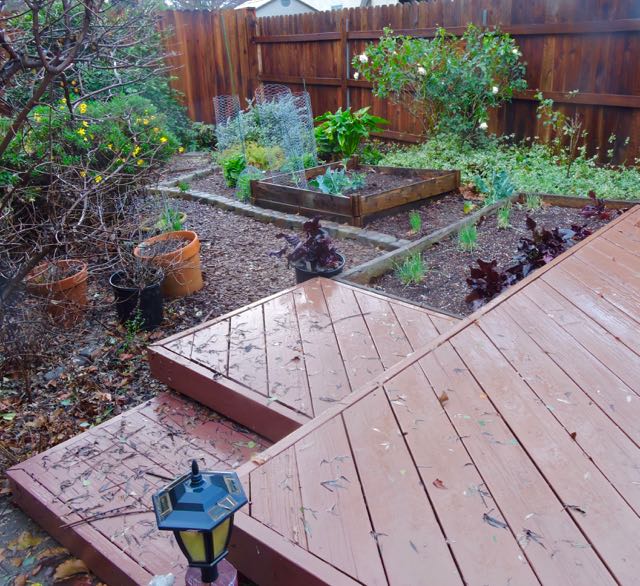
Aftermath of the Jan. 26-27 storm: the back garden
Chris:
Rain finally came to our region at the end of January. Too bad it came with 50 mph winds, which uprooted trees throughout the Valley, including Sacramento. But when all of 2020 had given us only about 2 inches of rain–16 inches below normal!–we were still thankful for the almost 3 inches we’ve received over that past three days. Meanwhile, the storm produced blizzard conditions in the Sierra, with an accumulation so far of more than 5 feet of snow–and more in the forecast for the next week.
In our microscopic smidge of the Valley, the storm tore off small branches from the sycamore and brought down about a third of our remaining oranges (see below). But though all of the trees, bushes, and plantings were whipped around, and some wound up off kilter, all stayed in the ground or in their pots sheltered near the house. Best of all, the new fencing I’d had put up after the 2017 storms held firm and helped buffer the back garden.
So I’m basking in the psychological sunshine of this temporary reprieve from the drought–and we may even get some more rain soon.
Here’s how the winter fruits and veggies are doing:
Lettuce and Chard. This year’s crop of leaf lettuce has been our best, with three of the plants in chicken wire cages to keep back the birds. A fourth plant is in a small pot near the house. Swiss chard has done well in the cool temps (below 60 F.), but is primed to take off once temps rise in February. Four healthy plants are in pots on the veranda, and two more are doing well in ground.


Green onions and Bulls Blood beets. I missed not having these around for the past couple of seasons, and I’m glad I’ve brought them back. Six plants of each are in the large raised bed (see above, top) or in pots. All were planted in early November–a month later than my typical fall planting because of the persistence of hot weather through October. But all are on pace for harvest in February, with my having clipped off some of the onion sprouts for our salads already.


Broccoli. All six of the plants, which were started in November, have sprouted heads, though these are much less mature in January than those in previous seasons, which were planted in October. Most notable about this year’s crop, which are all planted in the ground, are that all six have stayed alive despite some having been damaged by the birds and by the cabbage leaf butterflies. I’m interested to see what happens now that we’ve gotten more rain and when the temps start to rise back to the 60s.
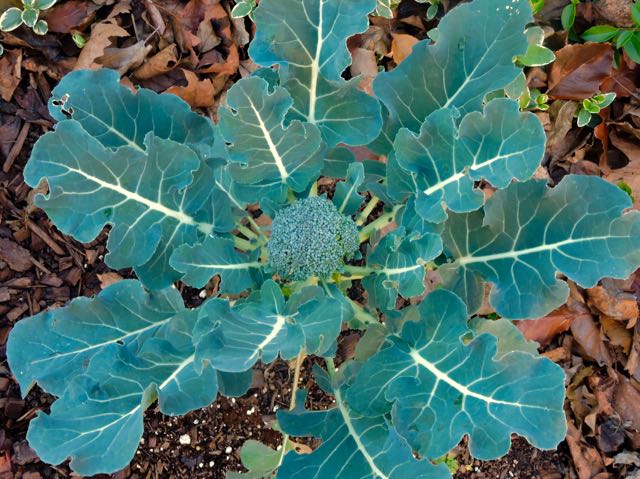
The largest (18 in. in diameter) of the six Green Magic broccoli plants.
Oranges and Meyer Lemons. We’ve used about 60 of the oranges so far for juice, some of them gleaned from the ground after having fallen. Then, when the storm hit on January 26-27, 50 more oranges fell, all of them firm and healthy! Because the overall orange crop is smaller this year, the size of each fruit is greater, with some as large as grapefruit. The skins are not overly thick and all the fruit are very juicy. About 150 more remain on the tree–and I hope they stay put for a while. The longer they stay on the tree, the sweeter they become.


As noted in last month’s blog, the meyer lemon crop is our largest ever (about 150), as the bush has enlarged over the summer by 25% and the lemons are thickly clustered. And, because the fruit are small, very few fell off in the wind.
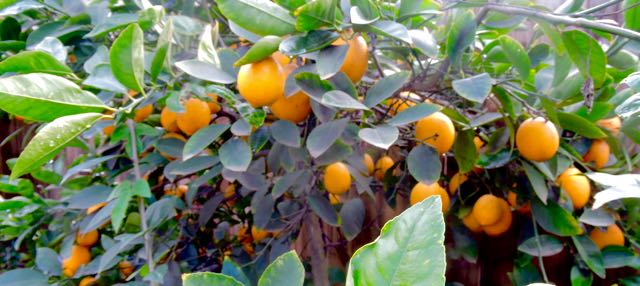
Meyer lemon clusters, our best crop, in January
As a result of the strength of both types of fruit, we’ll have juice for a few months to come. We’ll probably also be freezing some juice for the summer. We’ve already begun giving away some of the oranges and lemons to neighbors and to the local food bank–especially some of the 50 large, firm oranges that fell in the storm.
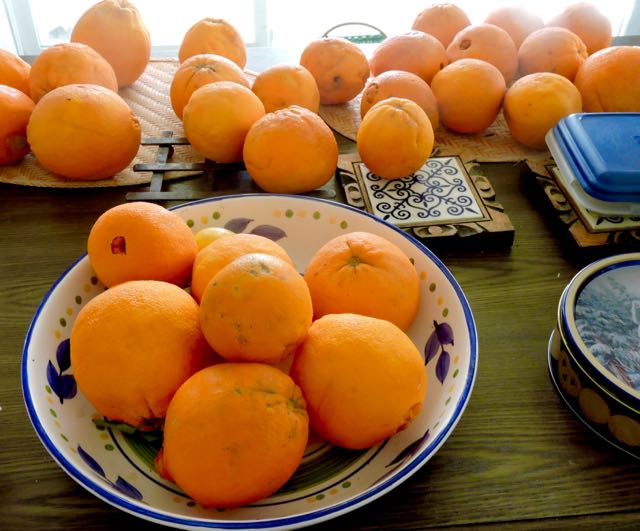
Some of the oranges that fell in the storm
The January 2021 Gallery
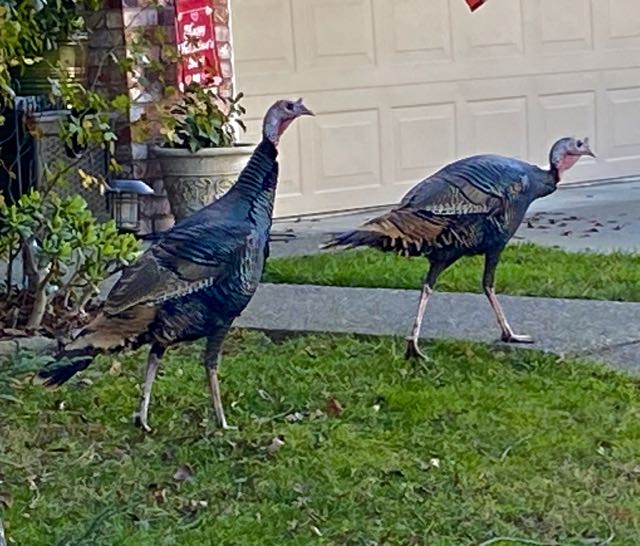
Two members of our neighborhood flock of “wild” turkeys
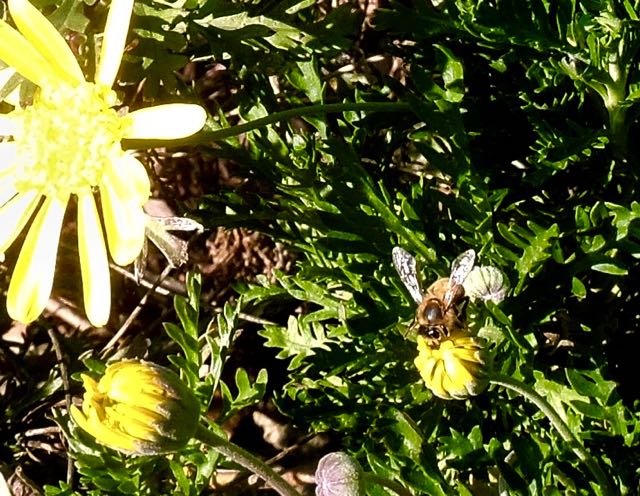
Honeybee on the coreopsis, back garden
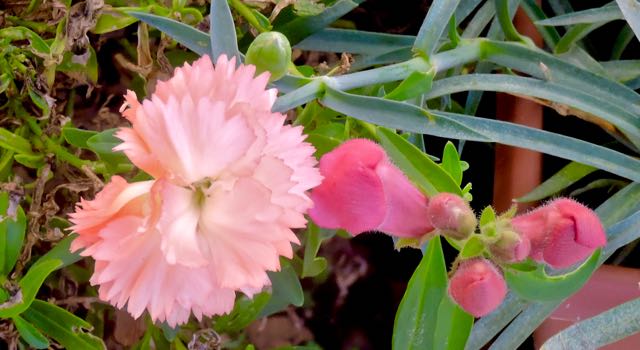
Dianthus and snapdragon, front garden
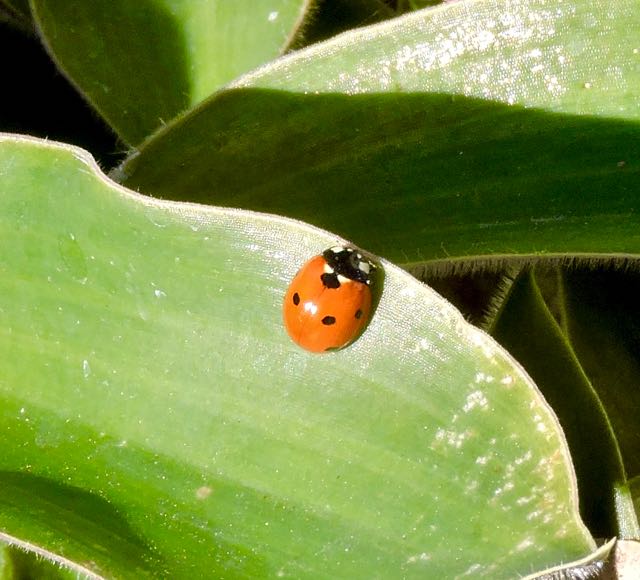
Ladybeetle on the Tradescantia, front garden
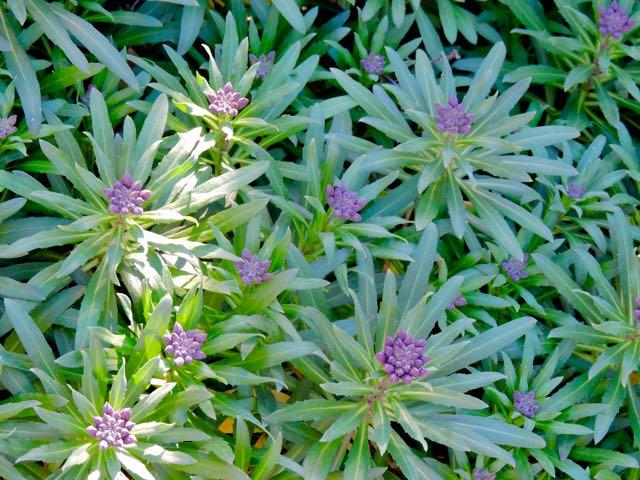
Wallflower (Erysimum) about to bloom
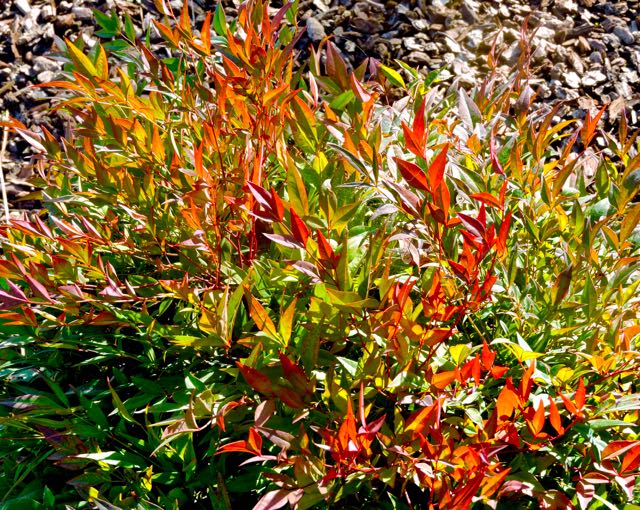
Fiery agapanthus, front garden
Anna’s hummingbird in the peach tree on a foggy morning
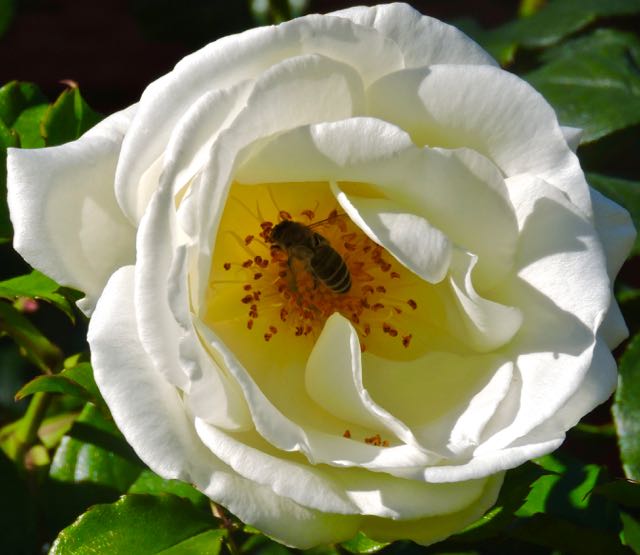
Honeybee in the heart of a white rose, back garden
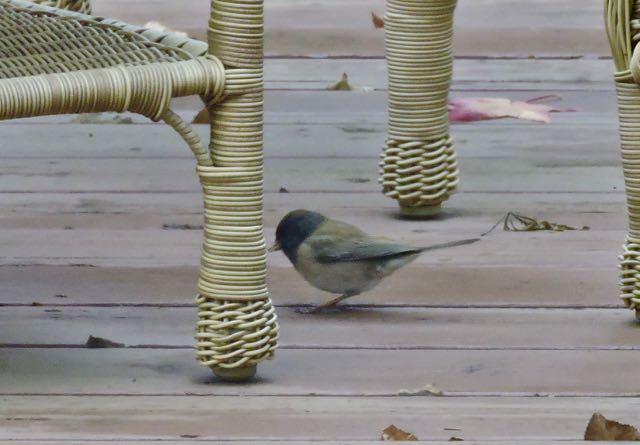
Visiting Oregon junco on the deck, back garden
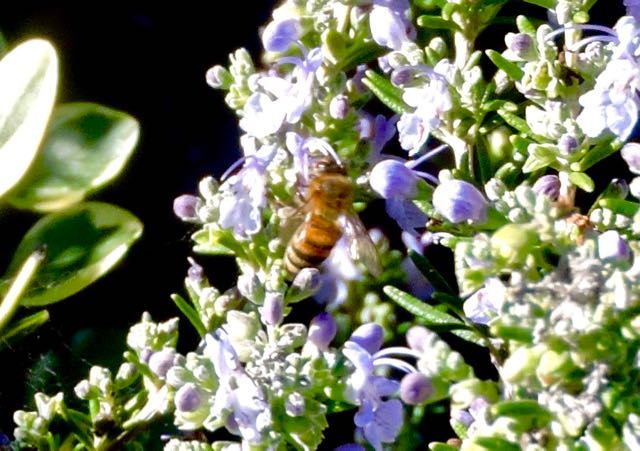
Honeybee on the rosemary, back garden
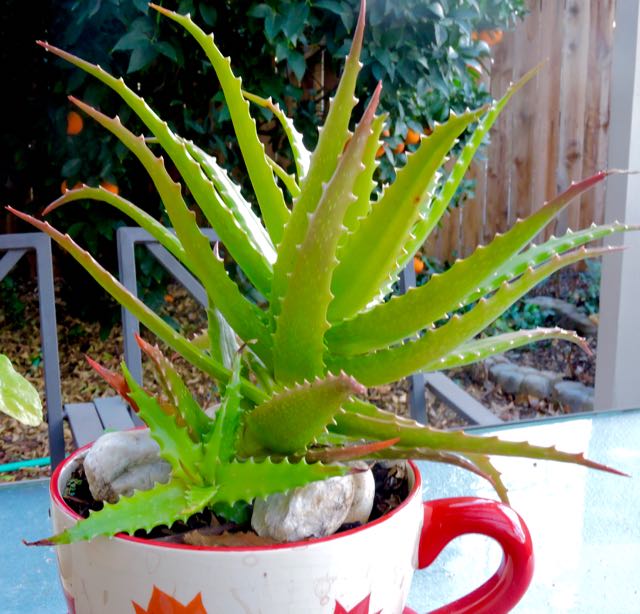
Aloe mom and pups, veranda, with oranges in background
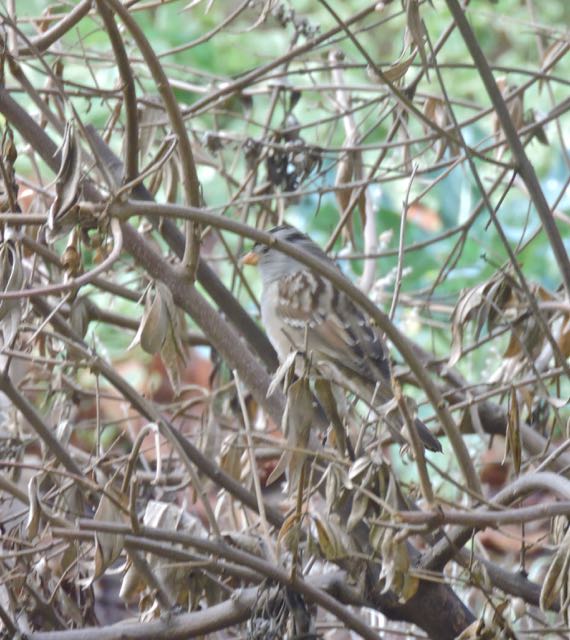
White-crowned sparrow hides in the lupine, back garden
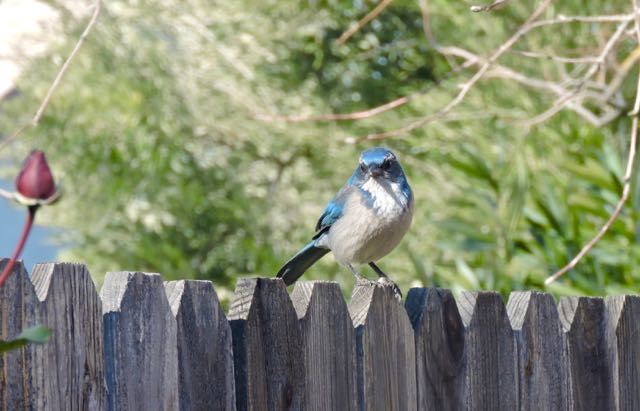
Scrub jay at home on the back fence, with red rosebud
All the birds, bees, and plants are loving the rain, and can’t wait for more.
If you haven’t read Part 1 of this January blog, try it out.
Happy Birthday, 2021! Now on to February!
 From Sacramento to Potomac: Tales of Two Valleys
Pingback: January 2021: Celebrating Birthdays in the New Year (Part I: Our Kitchen) | A Sacramento Valley Kitchen Garden