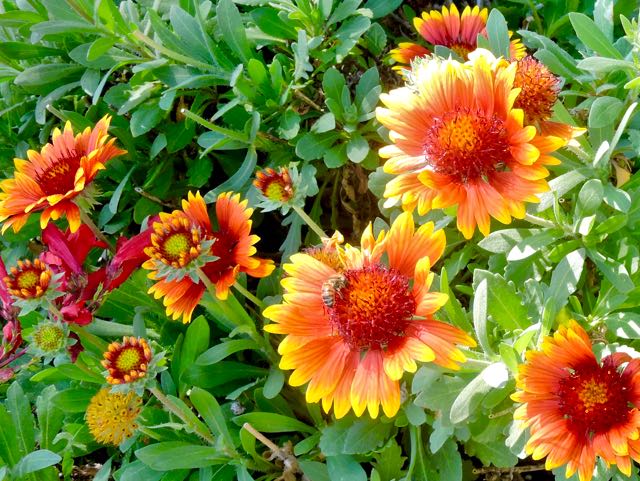
Bee on gaillardia early morning
In This Month’s Blog:
Garden Surprises in a New Normal
May 2021 Garden Update
May Kitchen: Asparagus Tart and Apricot Cherry Clafoutis
The May 2021 Gallery
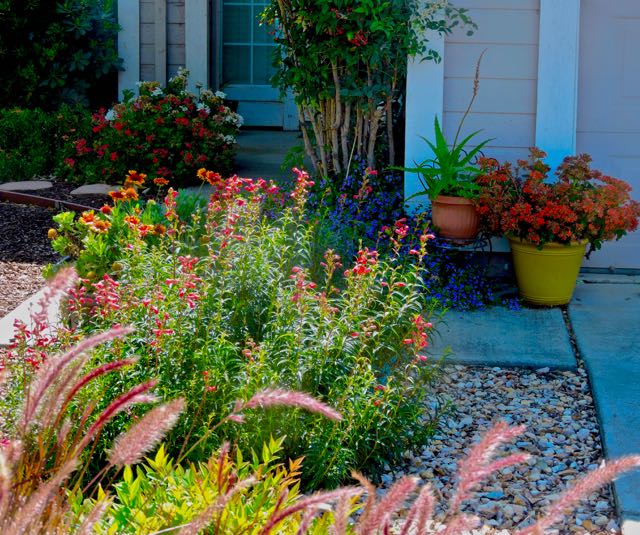
Front garden: Fountain grass, red penstemon, orange gaillardia, purple alyssum, aloe, orange kalanchoe, heavenly bamboo, red and white geraniums
Garden Surprises in a New Normal
Chris:
With 60% of U.S. adults now fully vaccinated against COVID-19, new cases and deaths have plummeted (fewer than 20,000 new cases a day on average, and “only” about 500 deaths). So hospitals are no longer overrun, and most of the U.S. is even back to large crowds at outdoor and many indoor events. Most restaurants are reopened for indoor dining. Travel is picking up. Kids in most places are back to in-person school, and children over 12 are being vaccinated in large numbers. California, which has been more cautious in re-opening than many states, has the country’s lowest positive test rate (under 1%), and will be fully re-opening June 15.
It’s amazing how different the national mood now is than it was four months ago, not so much because the absolute numbers are way smaller–500 deaths every day is in no way acceptable–but because the trending is so different than it was in January. We can see the end of the threat if we can keep up the commitment. The vaccines work and more and more people are getting the shots, even many of the skeptical. Though the die-hard naysayers won’t admit it, most people are both calmed and energized when the messaging from the federal government and the states is largely consistent, and both, as I hopefully wrote in the blog last May, base their decisions on respect for the best medical research and for the people who devote their lives to it.
 Still, the worldwide prognosis is not so rosy. Yes, the vaccines work, but we rich nations must distribute them to all parts of the world. Part of the new normal is recognizing that viruses will keep mutating and strengthening as long as there are hosts. That fact means that today’s victory in the most prosperous parts of the world can be turned to disaster everywhere if we don’t keep up the good work for all the world’s peoples.
So what does a little garden have to do with these worldwide phenomena?
Basically, “my” garden is just a microscopic bit of the world, a bit that I can exercise a little experimental control of, but that is basically at the mercy of factors that I can’t influence. “My” garden does not belong to me. It depends totally on the kindness of the flora, the fauna, the winds and weathers, other humans, and the chemical/physical forces of that far greater world.


Even more, the immense pleasure I get from “my” garden comes from all those moments when my tiny bit resembles what I find beautiful and nourishing in the great world: when “my” oranges grow big and juicy, when “my” irises return every April in their splendor, when a pomegranate seeds itself and so becomes “my” pomegranate, or a hummingbird zips on to “my” fuchsia flower. Sure, I can plant a meyer lemon seedling and then marvel at how year after year bees come to sip at the April flowers, but if neonicotinoids and bulldozers kill off the bees in the great world, then “my” meyer lemon dies, too.
So in those ways this gardener is part of the whole world, and is largely powerless.
But…while I can’t myself stop the herbicidists and forest killers, the powerful polluters and climate-destroying hypocrites, I can pay attention. I can contribute to organizations that oppose them, to research that is finding better ways, and to candidates with the courage to take on the climate-changing business as usual.
I can apply ways to garden organically, to water sparingly and efficiently, to plant with the goal of attracting pollinators, and to write and photograph to celebrate the bees’, birds’, dragonflies’, and butterflies’ essential work.


I can also write to celebrate small, happy surprises in the garden that bring me joy and could perhaps inspire other small gardeners. Surprises like
- my finally learning how to plant and nurture native California poppies so they actually thrive and blossom (the key is not overwatering–they are drought-tolerant)
 California poppy full sun
 California poppy part shade
- discovering that the apricot tree that we thought was giving no fruit this year actually was nurturing several dozen (see the clafoutis recipe later in this post)
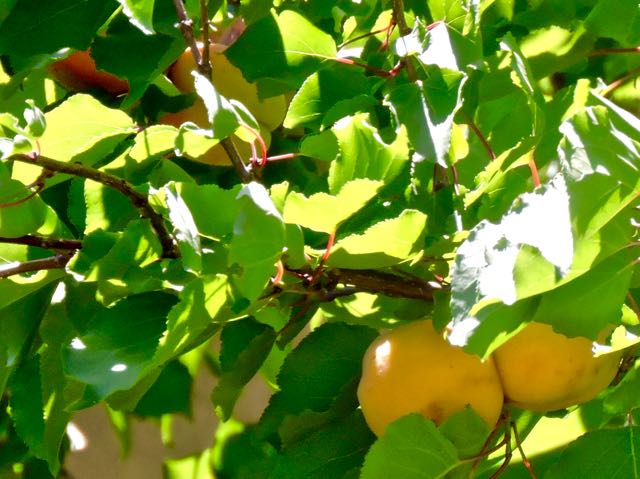
Ripe apricots hiding in the tree
- and having so many Meyer lemons this year that we can make lemonade into June!
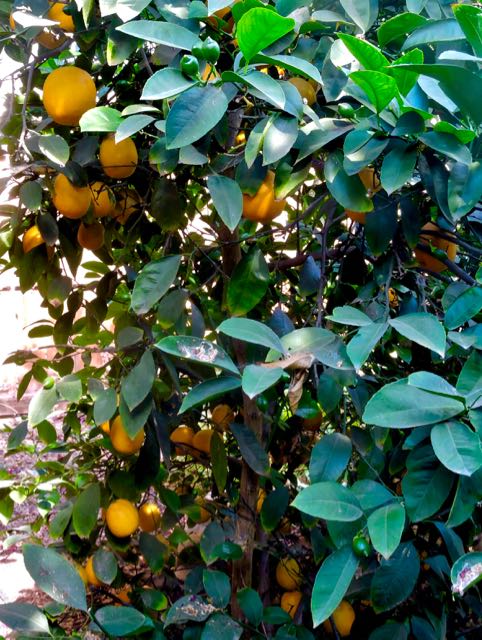
A bumper crop unlike any other in our garden’s history
Yes, we are in a new normal, when conditions such as climate change, the pandemic, and the movement for social justice are teaching us to be smarter, more compassionate, and more inventive than we perhaps thought we needed to be. And when even a home garden can offer surprises that help an old fellow like me keep going with confidence.
May 2021 Garden Update
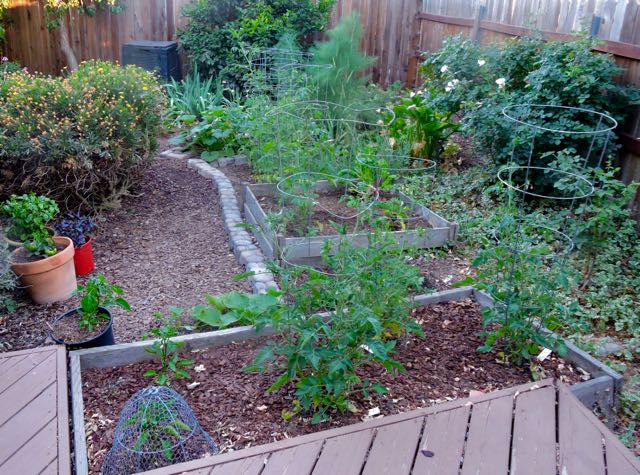
Back garden toward south: 4-6 weeks after Spring planting
The Spring veggies went in after April 10 and all are doing well. No further rain, of course, but the high temps have varied between the high seventies and low 90s, so little need for extra watering beyond the every other day regimen of 10-15 seconds hand-watering per plant.
Tomatoes. 2 Red cherry plants with 45 green fruit; 2 Stupice mid-size with about 25 green fruit; 2 Early Girl mid-size with about 20 green fruit; 1 Sunrise Bumble Bee cherry, planted late April, with 3 green fruit.

Early Girl mid-size tomato fruit, mid-May
Peppers. 2 mild green plants, with white flowers but no fruit as yet; 1 yellow mild, with 1 green fruit; 1 purple mild, with 1 purple fruit; 1 Anaheim chili, with 2 green fruit; all leafing out and growing taller.
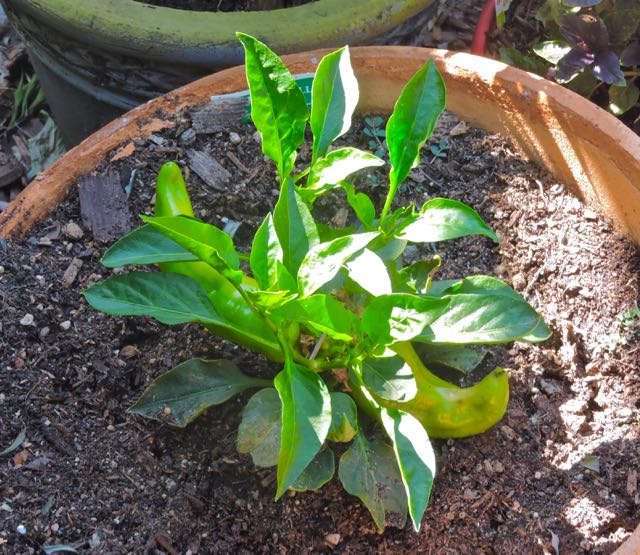
Anaheim chili pepper, with 2 fruit, May 23
Cucumbers. 3 Burpless full-size, all leafing out, spreading, and all with numerous yellow blooms.
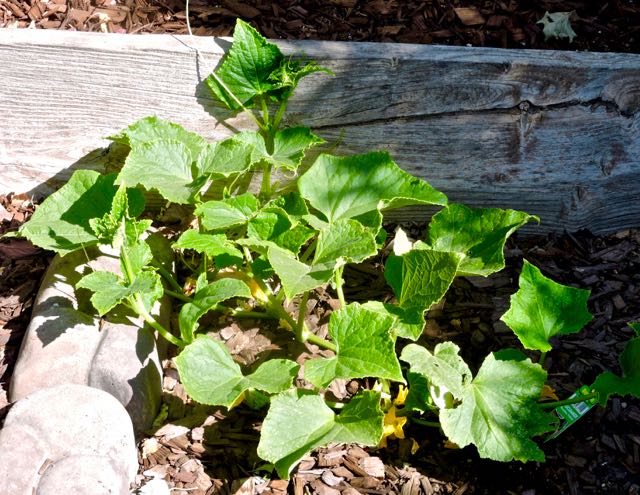
1 of 3 Burpless cucumbers, May 23
Black Beauty Eggplants. 2 plants farther along than usual for May, both with purple flowers and in full sun.
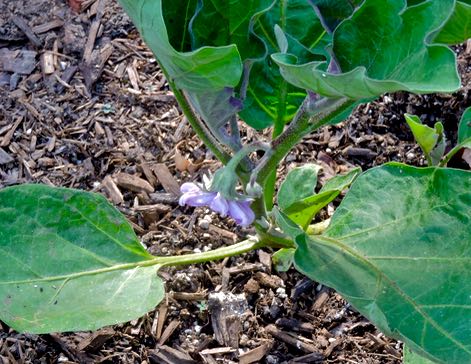
Black Beauty eggplant flowering, May 23
Zucchini. 1 explosive plant, with multiple yellow flowers and 2-3 fruit already growing. The most rapidly growing zucchini of this prolific species I’ve had thus far.


Strawberries. 5 new plants in 4 deep pots, 1 of them in the front garden; all in part sun; some white flowers and all with small green fruit.

3 new strawberries in 2 pots, back garden, part shade, May 23
Blackberries. Planted last August in a wine barrel, front garden; plentiful fruit, some ripe and picked.
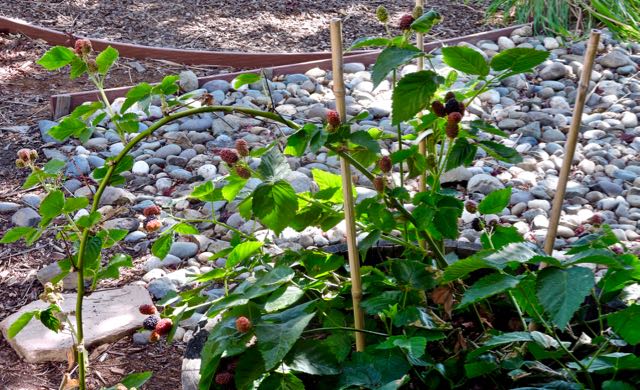
Thornless blackberry in wine barrel, May 20; vine spreading way beyond barrel
Peaches. After last year’s peachless season, it appears we’ll have many in 2021. Green fruit heading toward late June, early July harvest.


May Kitchen: Asparagus Tart and Apricot Cherry Clafoutis
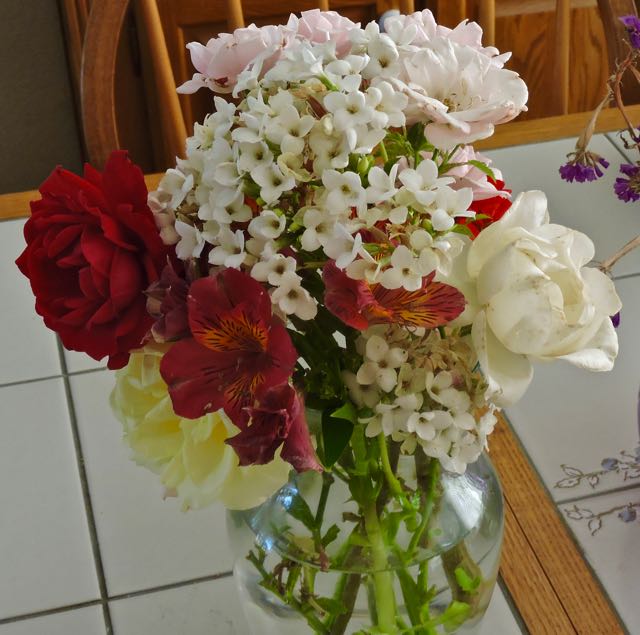
Garden bouquet for Mother’s Day
Jean:
Savory Asparagus Tart
One of the best springtime vegetables is asparagus. Here is an easy, no-recipe recipe for a very French-like savory asparagus tart. I happened to see some white asparagus and decided I had to try it, in addition to green asparagus. There was also purple asparagus in the store, and I wish I had gotten some of that as well, to make the dish more visually interesting. The purple asparagus and white asparagus were thicker than the green spears I had previously bought, and I am generally afraid of thicker spears. However, you never know. We went to the annual asparagus festival in Stockton, California, a few years ago, where they served very thick asparagus prepared a number of ways, and it was all tender and delicious. To help ensure your spears are tender, you may want to blanche and taste them before assembling the tart.
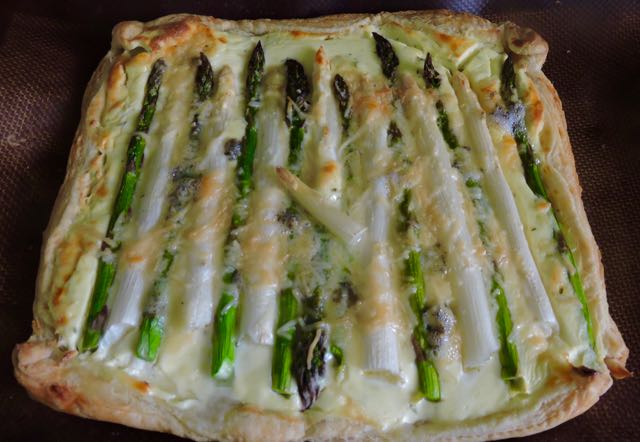
Jean’s asparagus tart
Apricot Cherry Clafoutis
INGREDIENTS
- 4 ounces stale white or whole-wheat bread, crusts removed (weigh after removing crusts)
- 1 cup milk (2 percent is fine)
- 1 teaspoon vanilla extract
- Softened butter for the baking dish
- 3 eggs, separated
- 50 grams (1/2 cup) almond flour
- ½ teaspoon cinnamon
- 2 tablespoons mild honey, like clover
- ¼ cup sugar
- ¾ pound cherries, pitted and/or (I used both!)
- 1 pound apricots, pitted and halved if small, quartered if large or some combination of fruits
- 2 tablespoons sliced almonds, slightly toasted
OPTIONAL
- 1 teaspoon kirsch or cherry brandy (optional)
STEPS
- Cut the bread into 3/4-inch squares. Combine the milk and vanilla and toss with the bread in a medium bowl. Cover and refrigerate for 2 hours or longer.
- Preheat the oven to 375 degrees. Butter a 9-inch ceramic tart pan or 2-quart baking dish. Arrange the pitted cherries and/or sliced, pitted apricots in the dish.
- Remove the soaked bread from the refrigerator and beat with a whisk or an immersion blender until it becomes a mush. Beat in the egg yolks, almond flour, cinnamon, kirsch or brandy if using, and honey.
- In a clean, dry bowl or the bowl of a stand mixer fitted with the whip attachment, begin beating the egg whites on low speed. Gradually add the sugar, turn up the speed to high and whip until the egg whites form a soft meringue, about 1 minute. Be careful not to overbeat, as you do not want the mixture to dry out. Using a rubber spatula, gently fold the egg whites into the bread mixture. Scrape into the baking dish. Sprinkle the sliced almonds on top.
- Bake 40 minutes, until puffed and golden brown. Serve warm.
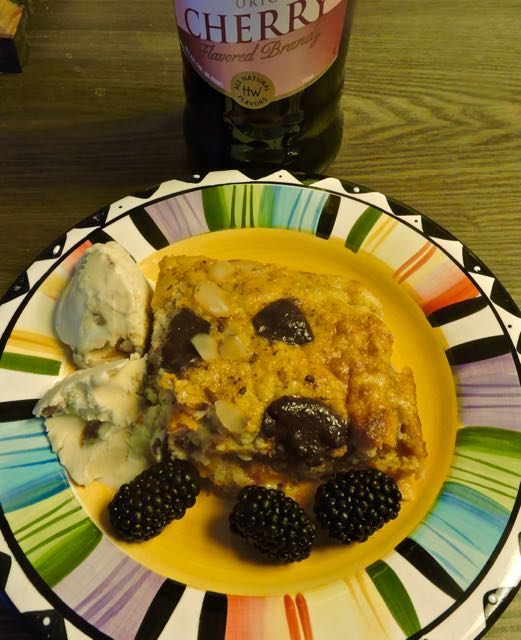
Jean’s Apricot Cherry Clafoutis with ice cream and garden blackberries for even more flavor
The May 2021 Gallery
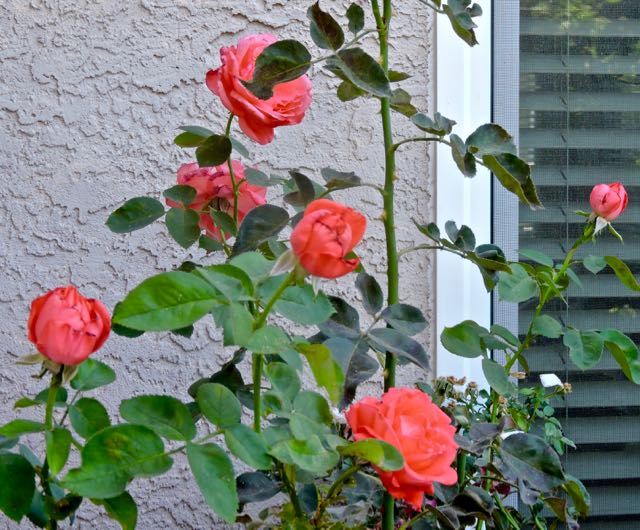
Salmon roses, back garden
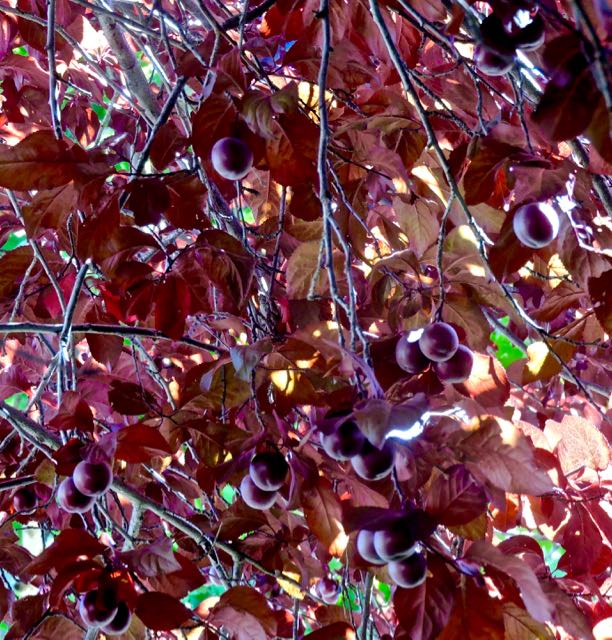
Cherry plums, side garden, ripening toward June harvest
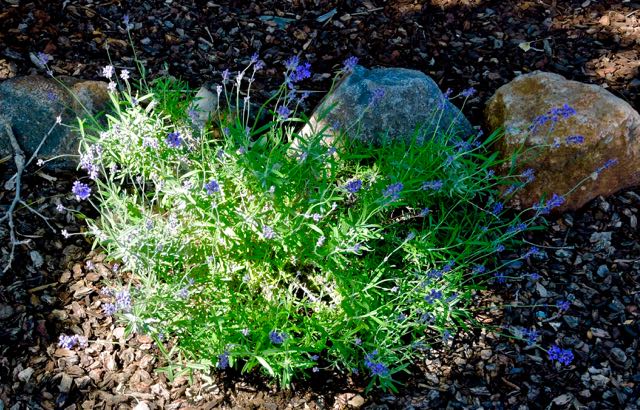
Lavender, front garden, first blooms

First hibiscus bloom of the year, back garden, with avian visitor
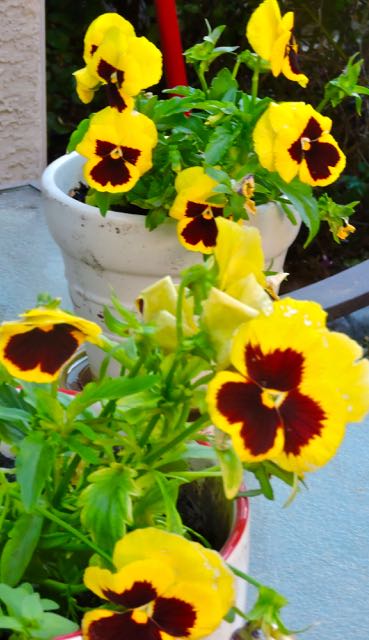
Pansies under pergola
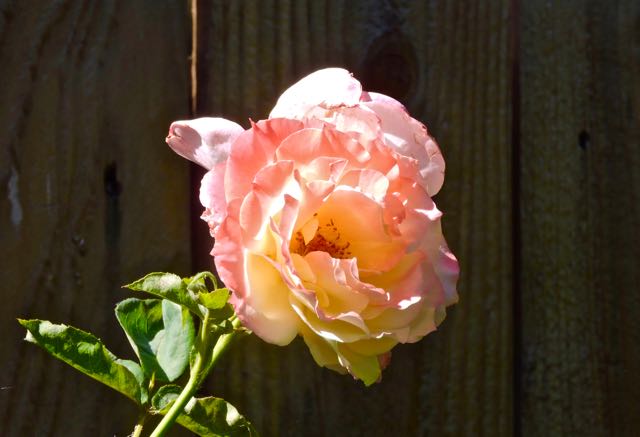
Peace rose, back garden, early morning sun
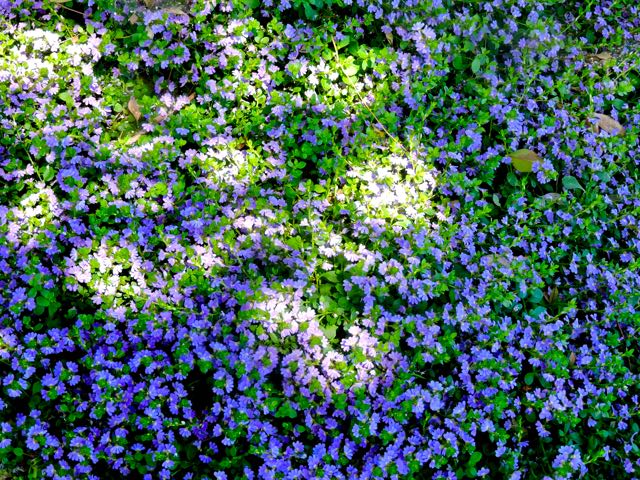
Purple alyssum, front garden
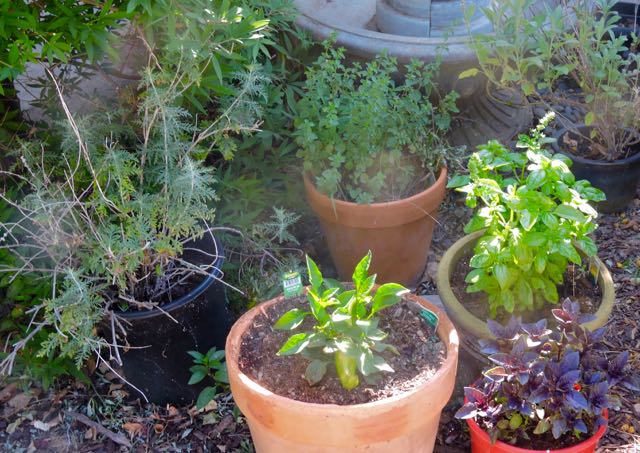
Herbs, back garden: Russian sage, Spicy oregano, Culinary sage, Genovese basil, purple basil, with Anaheim peppers
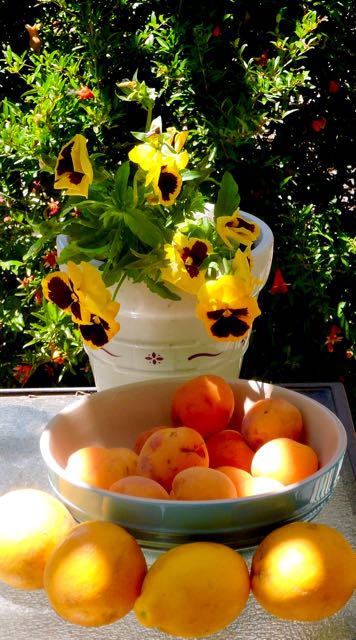
Still life: lemons, apricots, pansies, pomegranate blooms, back garden
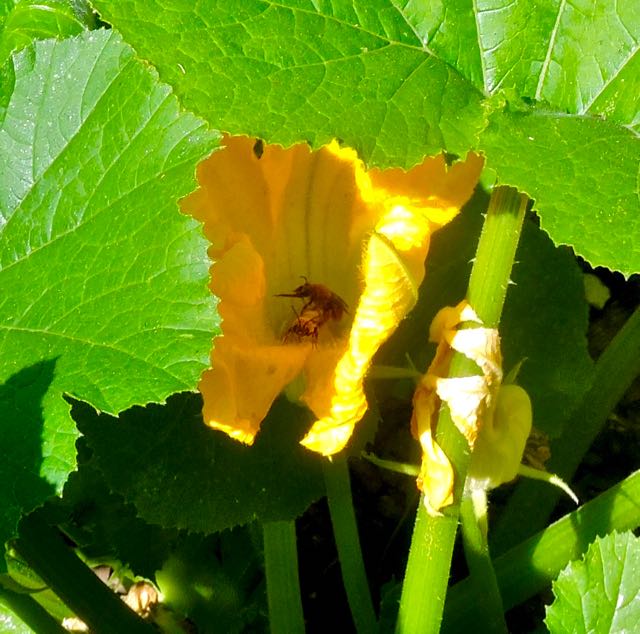
Two bees in zucchini blossom

…and on to June and more surprises…
 From Sacramento to Potomac: Tales of Two Valleys