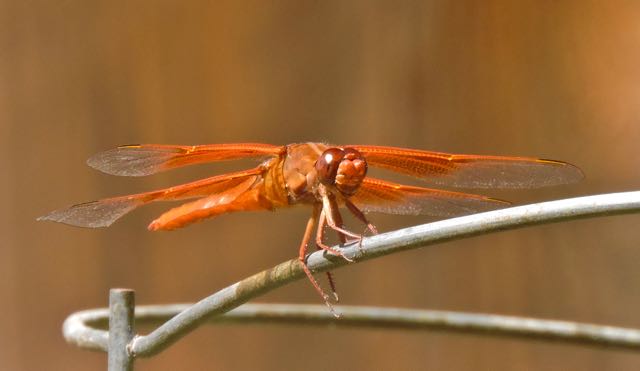
Flame Skimmer Dragonflies love to perch on the tomato cages. Note the pollen clinging to the dragonfly’s legs.
That was the beauty of nature–always a step ahead, privy to a joke he did not know, a riddle with no answer.
(Nathan Harris, The Sweetness of Water, 2021)
This is a month of change for us. After 16 years in California, 15 of them in this home and garden, we are bound for a return to the East Coast in July. The grandchildren, of whom we so lovingly speak in this blog, are growing up, just as well-cared-for plants do, and we want to be closer to them and their parents as they grow in their own gardens.
Over the past two months, we’ve spent time in the East, and have established a modest residence there in Virginia, where we lived for many years before our westward move. Jean is already there making our new home. We’ve begun to say goodbyes to the people and places we’ve grown attached to here. Of course, it’s not really goodbye. In our electronically interconnected world, we are almost constantly in touch–what a beautiful phrase!–through our FaceTimes, Facebooks, emails, texts, and phone chats. So we will always be living in many places at once, as long as we have the will and interest to do so. If we want to stay in touch, we can. And I hope we will.
But what will happen to this home we’ve known? Especially to this 2000-or-so square feet of ground that I have dwelt in daily for 15 years, tending–digging, planting, feeding, weeding, trimming, and harvesting? I’ve grown to love just wandering purposefully through the garden: watching, listening, breathing in the fragrances, marveling at the garden’s surprises and resiliences from day to day. Communicating, or trying to, with its many citizens who fly in, who stay, who sit upon leaves, who make invisible webs, who clamber underleaves or underground.
This property will pass to other humans, who will have their own visions for it, and what it will become is anyone’s guess.
I think the people who lived here just before us would be happy with how we’ve stewarded the garden. The family from whom we bought the house planted rose bushes that still bloom. They planted the orange tree, the cherry plum tree, the peach tree, the sycamore, and the sweet gum trees, all flourishing.
Of the people who lived on this land before them we know little. This house and those around it were built just before 2000, part of the housing boom that continues today on rural lands that have been aggressively farmed and orcharded since the late 19th century. But before that, it was part ranchland in the short three decades when Mexico held California. Before that, while the Spanish controlled the coast and built their missions in the 18th century, this interior land of snow-fed rivers, floodplain, marsh, and semi-desert was home to the native Patwin, who had been here for thousands of years, co-existing with the thousands of species who also dwelt here and who for eons preceded any humans. Humanless eons way beyond our imagining now.
It’s not easy to think of this garden as a place unto itself, perfectly able to survive and thrive without humans. But I try to remember and to honor those who have come before, and I hope that I haven’t screwed it up too much.
Where We’re Moving
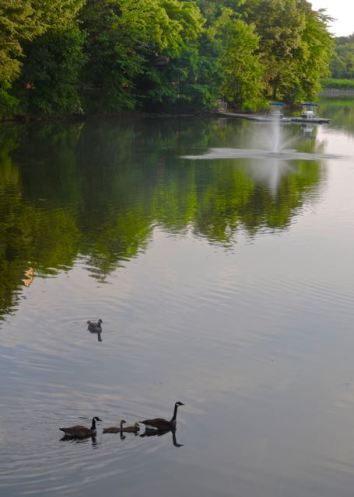
A new old place for us
I’ve referred sometimes in this blog to my difficulty in our early California years of trying to cope with the differences of this Western place from where we used to live. In climate and in what and how to grow things, Northern Virginia is really different from the Sacramento Valley. Rainfall is much more plentiful and is spread out over the year. (In summer, thunderstorms are almost a daily threat, and they can be loud!)
One consequence is that the Virginia air is more humid: so the insects in the air are plentiful in summer, and the temperature range during the day is much less. Where the sunrise temp in the Valley may be 30-40 degrees cooler than the summer daytime high, the sunrise/afternoon range in Virginia may be only 10-15 degrees. Moreover, winter is a real thing in Virginia. Though climate change has lessened snow fall and the chance of 10 degree days in January, freezing temps and treacherous ice mean winter there.
As a gardener, I’ve become used to year-round growing in the Valley. Full-on spring happens in February. The oranges and lemons are ready to pick in December and just get juicier from January through April. In Virginia? Well, it’s hard for me to remember, because I wasn’t a veggy-fruit gardener there. But the growing season is short, maybe planting in May to harvest in September. A new adventure for me!
One phenomenon I do know: I learned when I came to NorCal that the hillsides are brown in summer (so dry) and green in winter (during what passes for a rainy season); in Virginia, the hillsides are bright green in summer and amazingly lush (from all the rain), but brown in winter (too cold). I’ll have to relearn those opposites.
Will I Garden There?
That remains to be seen. As a downsizing couple in a thoroughly suburban environment, we won’t have the land there that we’ve enjoyed here, but we’re already accumulating pots. And I’ll be looking for opportunities for more digging, planting, and nurturing. Stay tuned. Meanwhile, we’ll happily take daily walks in the lush greenness surrounding a nearby lake and getting to know the rich variety of birds and other critters who thrive there.


June Garden Update
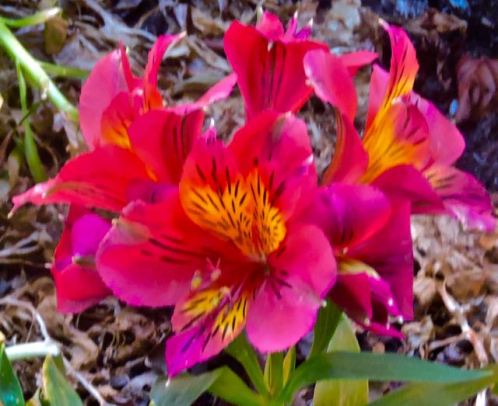
Late blooming alstroemeria, June 17
It’s a strange feeling to be about to leave this garden.
The summer veggies (only ten plants this year because of the drought) are growing apace, and the perennials (like the alstroemeria, above) and trees go along on their twice-a week watering from the drip irrigation. But when I leave in July their care will be in the hands of others, so I won’t be looking ahead any longer to the changes in their growth, sometimes predictable, sometimes surprising, that have marked my years with them. I won’t be here to photograph their progress, their aging, and to figure out how to deal with the vagaries of a slowly hotter and increasingly drier climate.


Two weeks ago, I made the final batch of my cherry plum jam, an annual June ritual for more than the past decade. I’ve given jars of this last batch to friends, and I’ll be shipping a few to Virginia as a memory of what I did here and of this marvelous tree.


Tomatoes, Peppers, and Zucchini. This final small crop of my tenure here as gardener has been in the ground for just over 2 months, and all are growing as expected, though with reduced water.
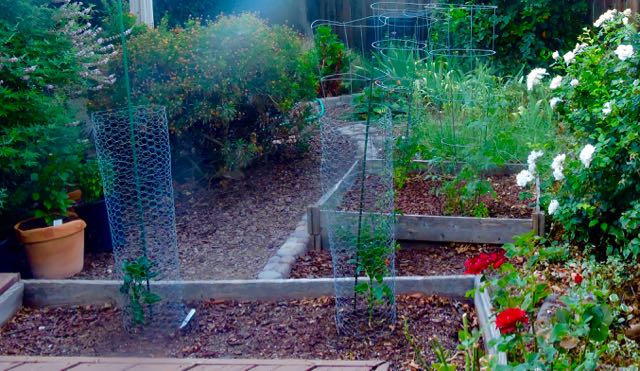
Peppers in near raised bed and orange pot, 5 tomato plants in mid distance; arugula and zucchini farther away
I’ve taken photos of this panoramic view of the back garden every month since the blog began. Always the same and always different.


The tomatoes and zucchini have already produced enough ripe gems for me to use in stir fries, omelets, and sandwiches.


A June 2022 Gallery (for More Memories)


And so on to July, with who knows what surprises, including for this blog…
 From Sacramento to Potomac: Tales of Two Valleys