
Canada goose pair exchange private messages on Lake Cameron
In the blog this month:
Videos: Life Ends, Life Begins, Life Swims on in Our Little Lake
No Snow. Early Spring? On the Lookout
Meanwhile in California…
Going Back in Time in the Potomac Valley
February 2023 Gallery: The Great Backyard Bird Count
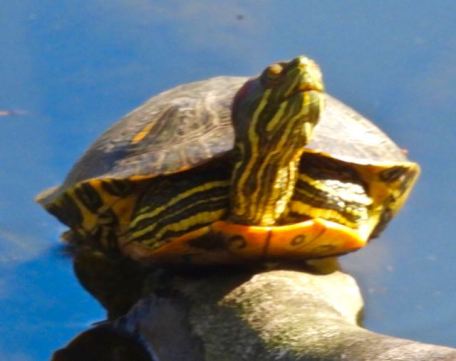
One of our Lake Cameron turtles exults in a high of 79 on Feb. 23
Videos: Life Ends, Life Begins, Life Swims on in Our Little Lake
This month was a bonanza for dramatic videos of life in our little Lake Cameron. Then again, every time we walk around the lake with camera in hand, something vividly audio/visual happens, and sometimes I’m fortunate enough to capture it. The first video shows a few moments in the life of two of our community members, one of our great blue herons and one of our small fish who populate the lake. Be patient as you watch this 3:23 movie:
Video 2 shows a rare sighting of one of our members who lives amphibiously on the west side of the lake. We know that these neighbors are present and working because of their effects on some of the lakeside trees, but we rarely see them. I just happened to be there for a sighting last week.
Video 3 shows a different stage of the life cycle of the lake, performed by community members who, unlike the beaver, are very public and love to make their presence known through their voices, their loud arrivals and departing flights, their strutting through the community, and their sheer numbers, often more than 30. They even put on a show of events that some of us might consider TMI. But, hey, life goes on and theirs is a celebration of life.
And here are two more brief snippets of Canada geese exuberance:
Life on Lake Cameron is never boring. The bird choir is always in tune, and there’s lots to see when you walk and watch.
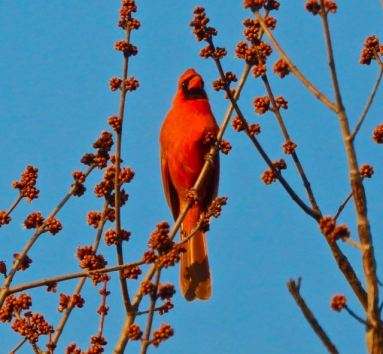
Male cardinal amid the red buds in early morning sun, Feb. 25
No Snow. Early Spring? It’s Coming


The signs of an early spring here by Lake Cameron are clear enough. CNN reported today (Feb. 25) that according to the National Weather Service this year’s spring blooms may be the earliest on record in the Eastern US–part of a warming (warning?) trend that has been slowly happening for decades. In the era of human-induced climate change, this should not be news, but to this returnee to Virginia it is sort of a shock. After all, we were hoping for at least some snow, but the most we got in January was a nice little coverlet on our trees and cars on the 31st, just enough for a few homey pics before it disappeared in the warm afternoon sun.


I had been remembering the snows of yesteryear in my young Virginia adulthood, when I had to trudge through 4-foot snowdrifts to get to a store for milk for a toddler because the roads were closed, and when, as the kids grew, we built igloos into the 7-foot piles of fresh snow that we shoveled from the driveways and sidewalks. Oh, and the sledding on the neighborhood hills and the snowball fights and…oh well. At least we have those memories.
Meanwhile, if I can set aside my worries about droughts, floods, sea-level rise, and the melting polar icecaps, I can look forward to the pastel color burst and intoxicating fragrances of our first spring here by Lake Cameron. Then we can drive into DC to revel in the cherry blossoms by the Tidal Basin that we always looked forward to when we lived here before our move to California. The blossoms should be appearing here earlier than ever this year.
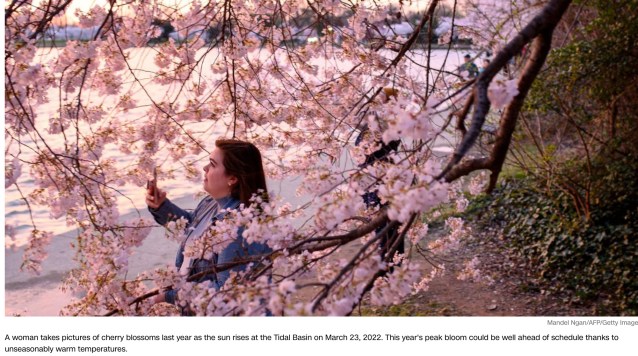
Archive photo, CNN/Getty Images
Meanwhile in California…
After a mostly rainless February, the winter storms returned with a vengeance this week, shocking most Californians. As I write this on Feb. 26, the Golden State is experiencing record rains and snowfalls, including in places that almost never have seen snow, not to mention “graupel,” which meteorologists describe as snowflakes coated in slushy ice. Communities in the Sacramento and San Joaquin valleys, already reeling from floods in December and January, are now dealing with new threats. And the forecast for new snow in the already snow-heavy Sierra predicts as much as 1-3 more feet. Our daughters who live in coastal Long Beach, in Los Angeles County, will be keeping us informed about the effects there as the strange weather continues to pound the state.


Going Back in Time in the Potomac Valley
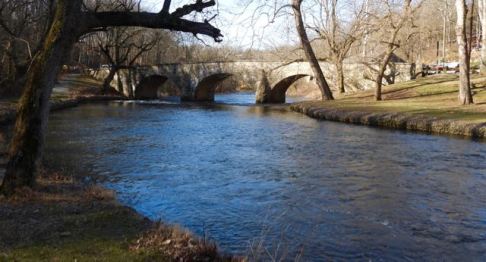
Antietam Creek at the Boonsboro, MD, bridge
Last Saturday, we continued our exploration of the Potomac Valley in Western Maryland–and then across the border into Pennsylvania. This is territory where Jean’s 18th century ancestors settled and some of her distant cousins, who are dairy farmers, still call home. The peaceful scene shown above obscures the horrific events of September 1862 that occurred some 8 miles southwest of here near the village of Sharpsburg–the Civil War battle of Antietam. Moreover, in the aftermath of the battle of Gettysburg the following July, this very site could have been the scene of another battle between North and South, had the Union generals chosen to attack the retreating Confederate forces, who crossed the creek here on their way back to relative safety in Virginia.

Solitary fisherman on Antietam Creek, at the Devil’s Backbone Dam, site of an 18th century mill.
Our main destination last weekend was farther up the Potomac Valley, to the towns of Williamsport, MD, and Welsh Run, PA, both of which grew up along another Potomac tributary, Conococheague Creek, named by the Lenape people, who lived in this region for thousands of years before being decimated and eventually driven out by the settlers from Germany and Great Britain.

Conococheague Creek enters the Potomac at Williamsport, MD
Eighty years later, and fifty years beyond the settlers’ war of independence from Great Britain, Williamsport became another stop along the Chesapeake&Ohio Canal, which was built along the often treacherous Potomac River as a placid shipping artery into the continent from Washington, DC. At Williamsport, the canal crosses the Conococheague via a novel aqueduct over the creek. So a 19th-century waterway crosses above the ancient waterway used by the Lenape and other native peoples.
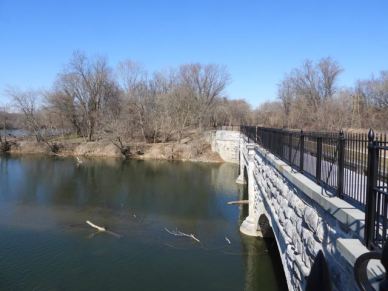
The Chesapeake&Ohio Canal aqueduct crosses above the Conococheague
In Welsh Run, PA, some 20 miles north of Williamsport along the Conococheague, refugees from Wales established a tiny community in the mid 18th century. Remaining from that time is a cemetery, which has been restored.
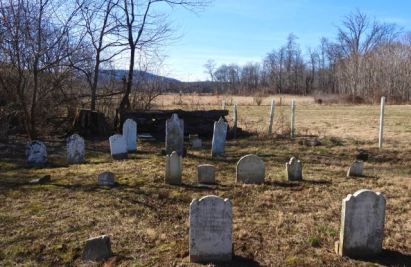
The old Welsh cemetery at the Conococheague Institute
In the midst of the current-day rural farming culture in this region along the Maryland-Pennsylvania border, the Conococheague Institute, a foundation dedicated to preserving the memory of those turbulent times in US history, is restoring some 18th-century structures in Welsh Run and holds weekly events involving artifacts and records from the 1700s. We visited the Institute last weekend and spoke with members of the volunteer and professional staff.


February 2023 Gallery: The Great Backyard Bird Count
Last weekend the annual Great Backyard Bird Count also took place. This year’s event saw a half million birders from 200 countries sending in their lists of the birds they observed during at least 15 minutes between Feb. 17 and 20. Sponsored by the Cornell Lab of Ornithology, the Audubon Society, and Birds Canada/Oiseaux Canada, the GBBC is the largest citizen science event each year. This was my fifth year participating, and the first since moving back to Virginia. This month’s gallery includes photos of birds I observed on Sunday and Monday, the 19th and 20th.

3 rock doves at the north end of the lake

A tufted titmouse at a feeder in our community
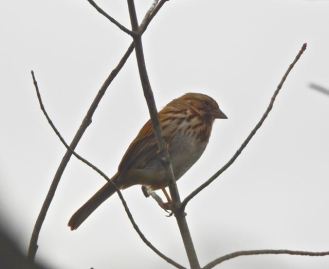
A song sparrow in a tree by the lake
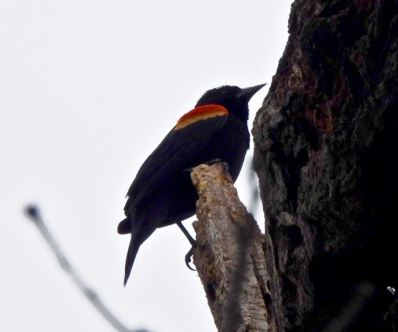
Red-winged blackbird
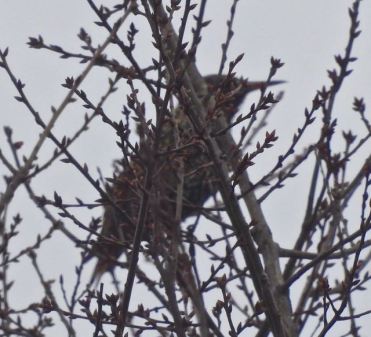
A European starling hiding in new buds
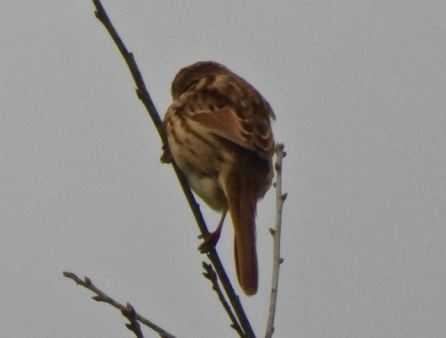
Savannah sparrow
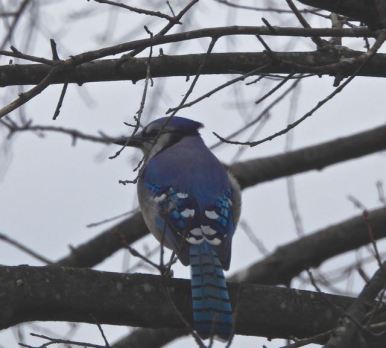
Blue jay
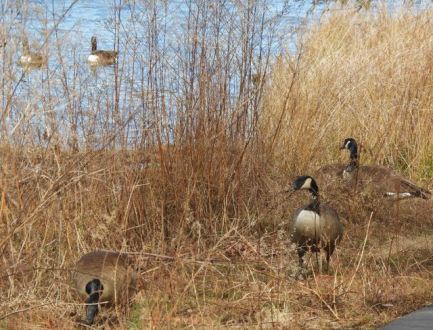
5 Canada geese in brush and lake
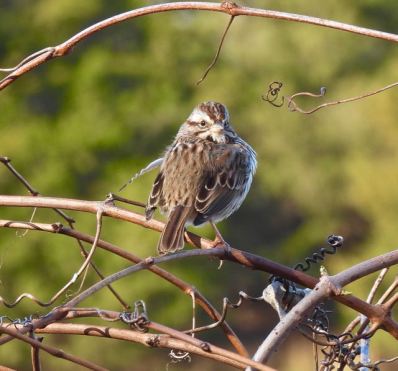
Chipping sparrow in the lake woods
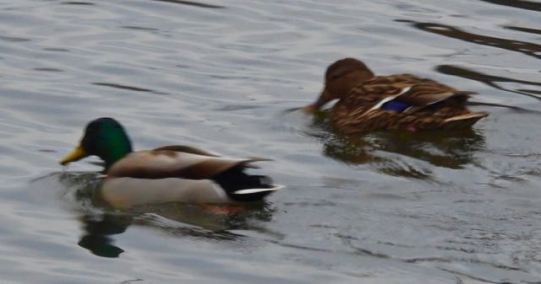
Mallard pair
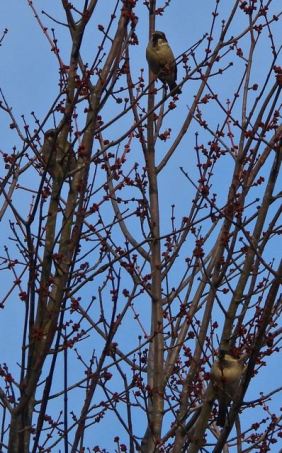
3 American goldfinches
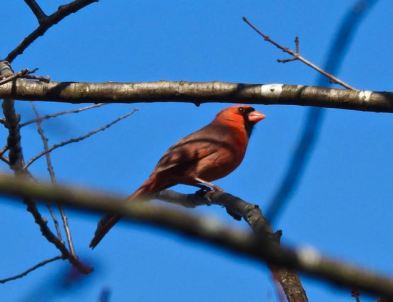
Male Northern cardinal
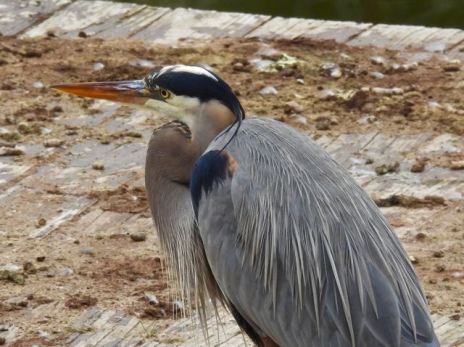
Great blue heron on the dock in the lake
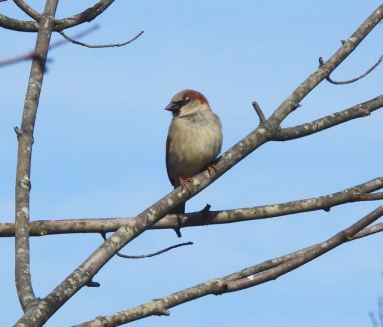
House sparrow

Mourning dove
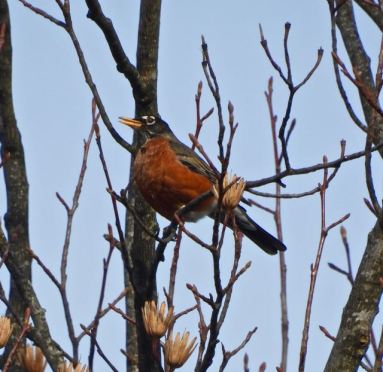
First red robin of the year
And on we spring to March!
 From Sacramento to Potomac: Tales of Two Valleys