In this month’s entry:
How about Earth Day Every Day?
This Earth Day: Our One-Year Anniversary in the Potomac Valley
Cali Wildflowers and Butterfly Swarms
April 2023 Gallery: Nesting and Arriving
As climate change intensifies, it begs the question, “Why do we devote just one day a year to celebrating our planet?” Of course, every human should be consciously trying every day to do their little bit to minimize the debilitating effects of fossil fuels on our atmosphere, in whatever way is available to us. Especially we who live in the richest nation on Earth, with the greatest, by far, per capita wasting of food and fouling of air and water: we should honor the Earth each day by limiting our consumption.
Each day I strive to be aware of how I might use a bit less, waste a bit less, pollute a bit less. Do I need to drive today, or can I walk to my nearby destination? Can I use less water in the bathroom, kitchen, and outside? Can I eat the leftover food I’m privileged to have rather than shopping for more and heating up the gas stove to make more? Can I put up with a few degrees less or more in heating or cooling, so that I use less fossil fuel in the production of indoor climate control?
Notice that all these questions I ask are questions asked of the privileged. I own a car to drive; I have appliances for cooking, refrigerating, heating, cooling; I have nearby stores with plentifully stocked shelves, and I have money to purchase a wildly varied array of foods. So I have many, many choices. I can choose to use less or more. Most of Earth’s people are not so privileged. Using less is necessity, not choice. It’s no wonder that most countries in the world produce far, far less waste and pollution than we do, though that gap is closing.
But in our Culture of Plentiful Choices, we are pressured each day to consume even more. And not only more, but more and different. To taste new foods, to buy new and different clothes, to buy new toys, new drugs, new experiences. Each day, rather than be encouraged to use less, I am bombarded with pleas for greater and more colorfully varied consumption. Each day, I receive more uninvited mail offering more food choices, clothing choices, housing choices, travel choices, all of these offers wasting paper and multiple chemicals, and so wasting more and more natural resources of all kinds.

Even the pleas I receive to donate funds to charities–even to the fight against climate change!–come in thick envelopes with offers of magazines, t-shirts, calendars, maps, and on and on. These advertisers assume that I will not, cannot, give unless I receive more and different stuff. Are they right? Do they know me so well?
I cannot escape this pressure. If I turn to the digital world of my computer or my phone/computer, the bombardment is even more incessant. Almost every site is paid for by advertisers preaching the gospel of more, and ads pop up everywhere to thwart the annoyance of readers trying to escape the onslaught. But resistance is futile!
Avoidance, however, is somewhat possible. I can read books without ads. I can write my blog. I can walk around the lake and glory in the birdsong, the change of seasons, the constant creative work of local animals and plants to survive and share beauty. My greatest privilege is to be able to share our hopeful striving for simplicity with Jean and with our children and grandchildren, who, fortunate for me, in so many ways know how to achieve an Earth-saving lifestyle better than I do.
This Earth Day: Our One-Year Anniversary in the Potomac Valley
Last April, 2022, we began our move from California to Virginia, in order to be closer to our East Coast children and our grandchildren. Over this year, we have been blessed to have been visited by much of our family, and to have traveled the fewer miles to visit more family members. While we miss our California friends and the daily beauties and creative energy of our Sacramento Valley, we have become gradually reacquainted with the historical wonders of the Potomac Valley and found new wonders here as well, as documented through the blog entries since July.
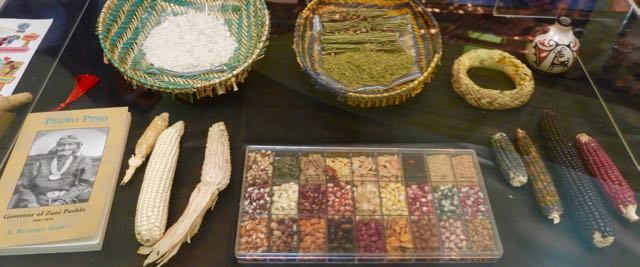
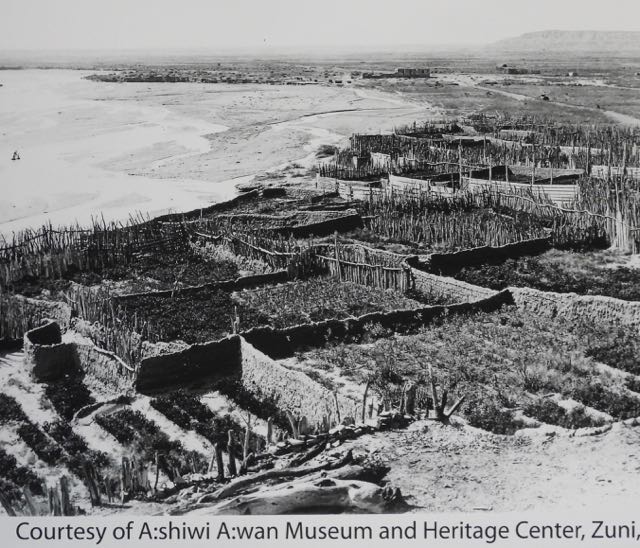
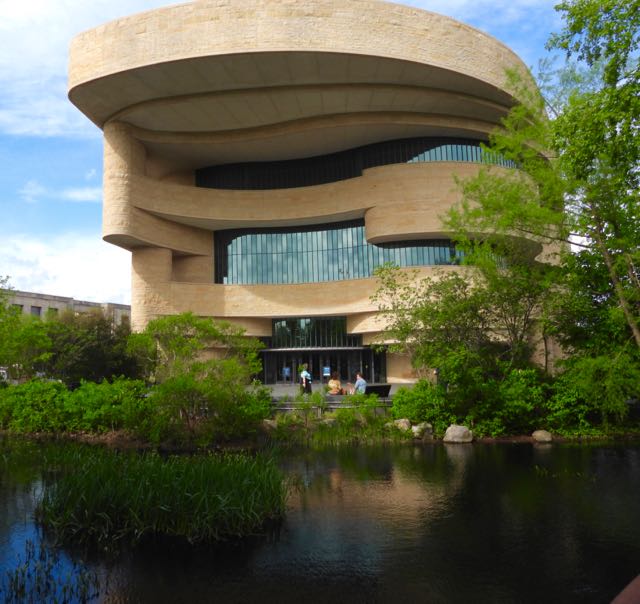
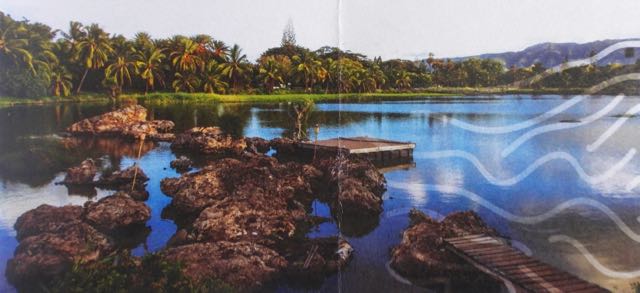
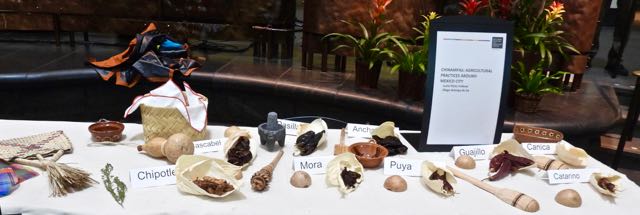
On this Earth Day, we drove into Washington, DC, to visit once again the National Museum of the American Indian for a program devoted to traditional, planet-healthy agricultural and aquacultural practices across North America. The photos of Zuni (A:shiwi) farming (above) and those (below) of Hawai’ian native fishponds and of produce farmed south of Mexico City represent some of the presentations.
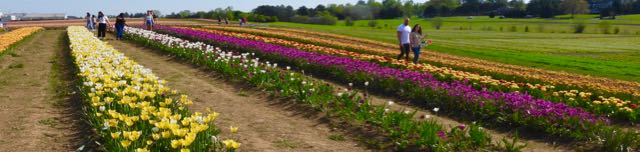
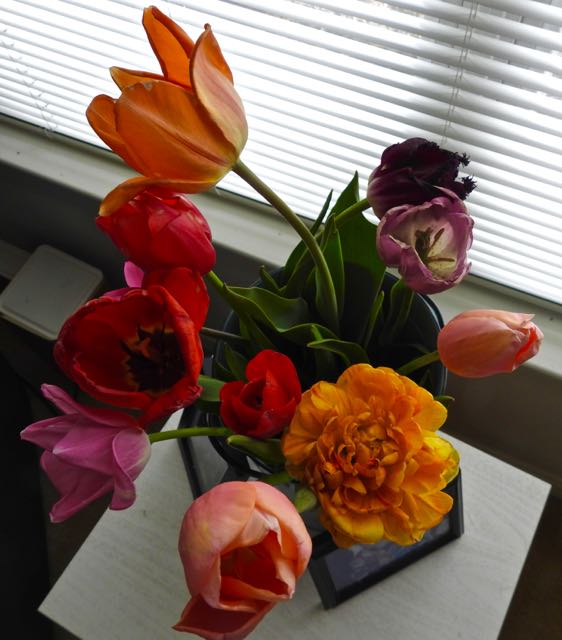
Last weekend, April 16, we visited a local and very different kind of farm in another Potomac Valley town, Nokesville: the Burnside Tulip Farm. The farm sits on Kettle Run, which flows southeast into Occoquan Run and on into the Potomac. Burnside’s glorious April display draws thousands of visitors from the region. (See the photo at the top of this entry.) Visitors are invited at a reasonable price ($1 per plant) to pick the tulips and even the bulbs for planting in their own home gardens. Kids are especially welcome. We joined two of our grandkids and their mom in the adventure.

Cali Wildflowers and Butterfly Swarms
The massive rains of this water year in California have produced–besides exceptional snowfall and now floods–a “superbloom” of spring wildflowers not seen for four years. So while deep snow still covers the Sierra, down below the poppies and other wildflowers have brought bursts of color in the valleys and flatlands. Reminds me of the poppy explosion in my Sacramento Valley garden last March (https://garden2kitchen.net/2022/03/25/march-2022-an-ocean-of-orange/), but magnified a million times!
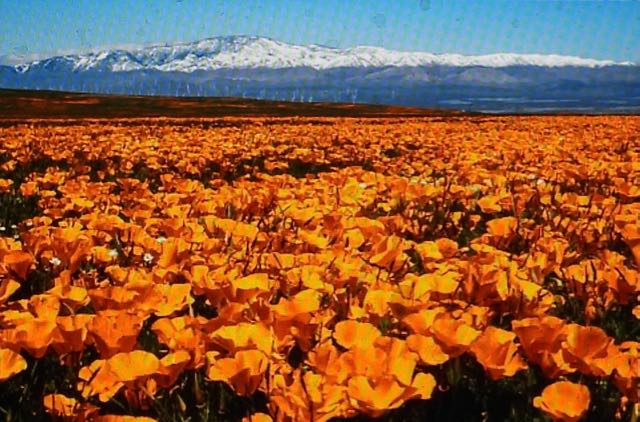
With this superabundance of wildflowers have come swarms of our fondly-remembered Painted Lady butterflies, perhaps a billion of them, covering the flower fields and even swarming highways. The last such swarm was after the heavy rains in 2019, before the three-year drought that this winter’s rains have helped to mitigate. Everyone is hoping that this year’s butterfly return will not be as short-lived as the last one.

April 2023 Gallery: Nesting and Arriving
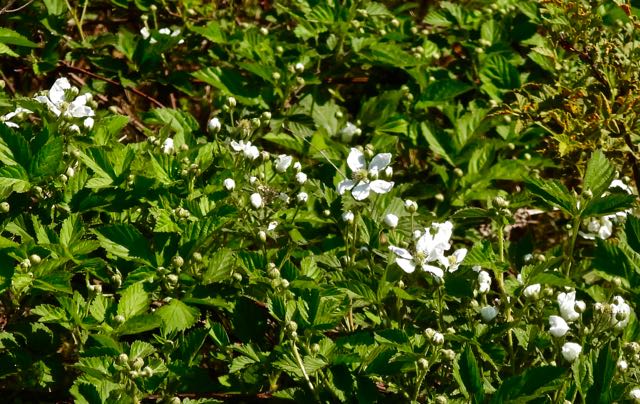
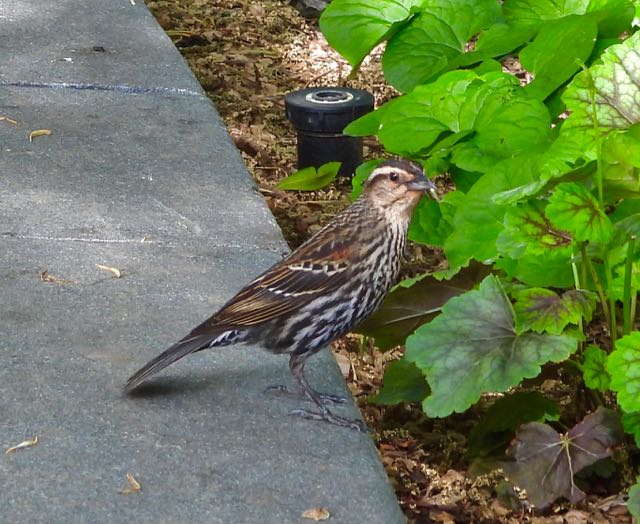
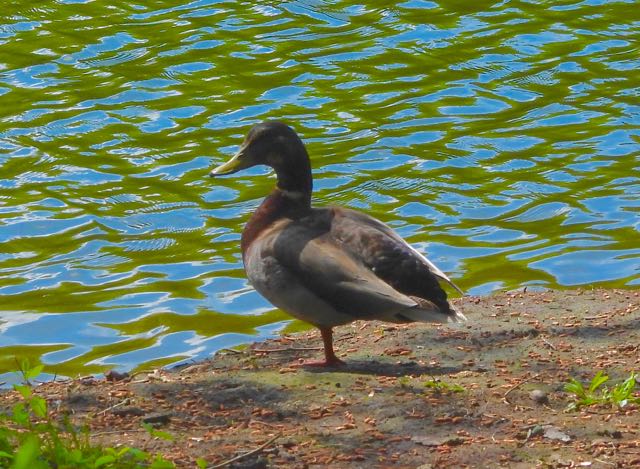
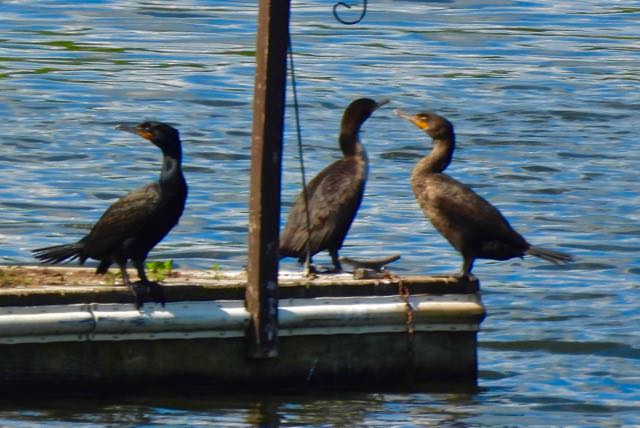
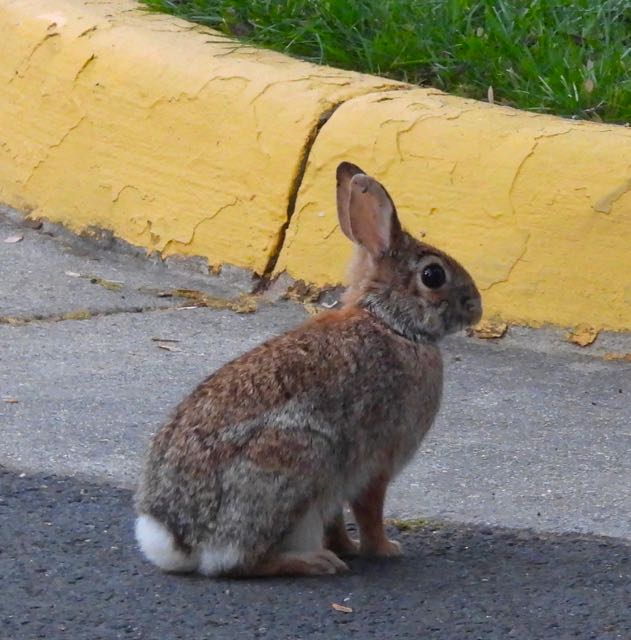
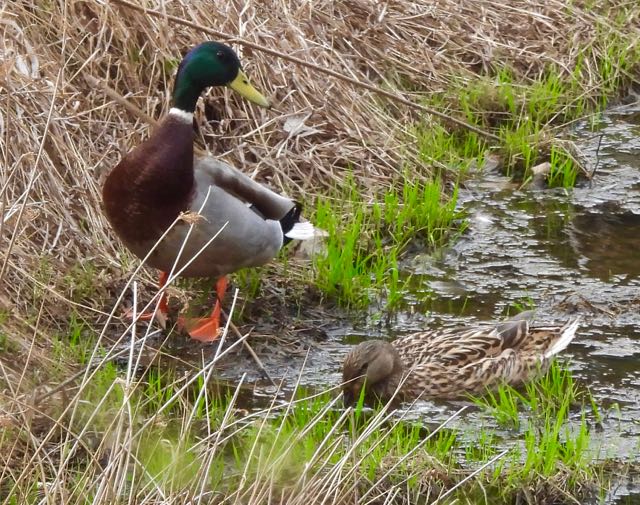
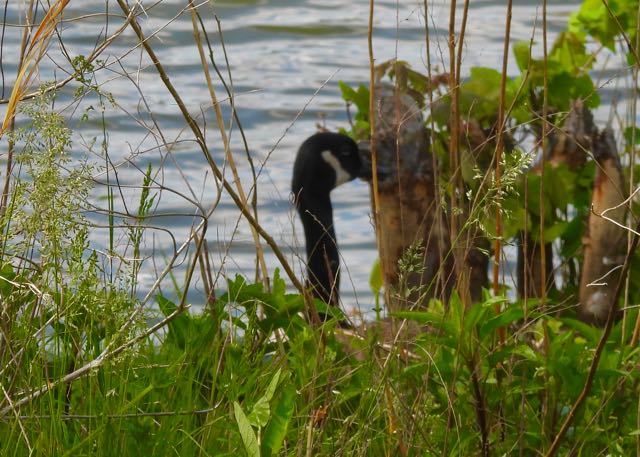
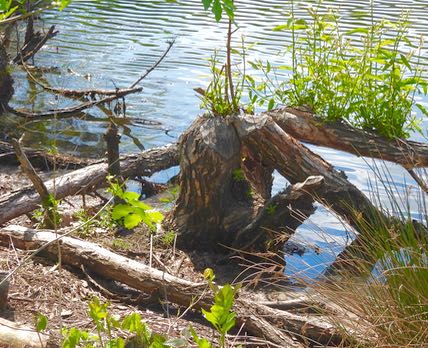
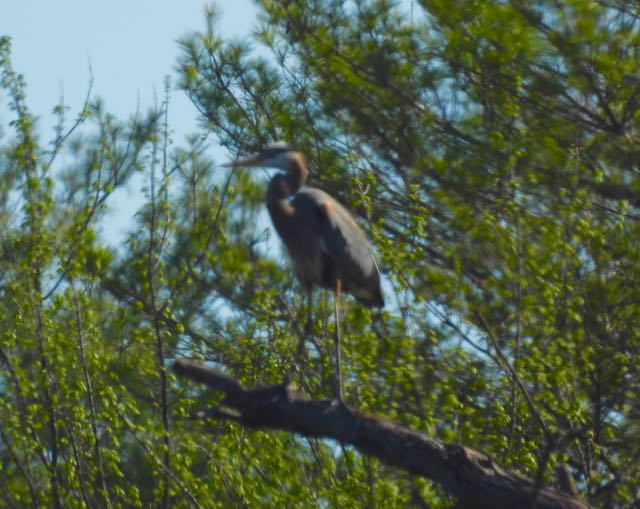
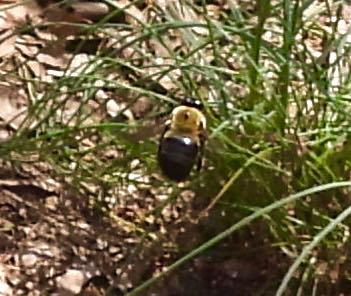
This month’s gallery features some of our regular citizens getting ready for new arrivals, some others who have already arrived, and still others just seeing, well, to their own survival. It’s April, after all.



And on we go to May, as we celebrate Mother Earth.
 From Sacramento to Potomac: Tales of Two Valleys