July 2026: Wildfire Smoke Threatens Our Tiny Refuge

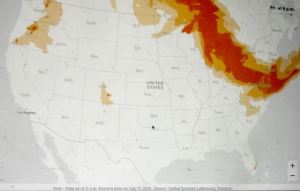
Smoke from Canadian and Midwest Wildfires sweeps across Northeast and Mid-Atlantic States (New York Times, July 17)
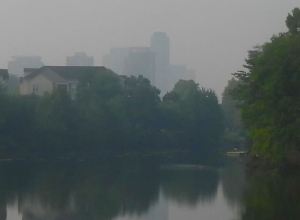
The dense smoky air from far distant wildfires, 1500 miles away, blankets our tiny lake refuge, hot morning, July 17

In this month’s blog:

Wildfire Smoke: Will We Get the Message?
July Miracles from Our Polyculture Garden
Climate Log: “Drill and Kill” But a Glimmer of Hope
The July 2026 Photo/Video Gallery
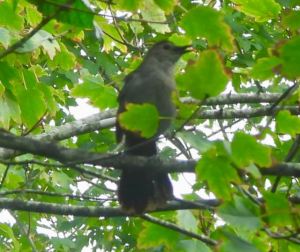
Grey Catbird in Red Maple, southeast bank, smoky July 17

Wildfire Smoke in Our Little Refuge: Will We Get the Message?
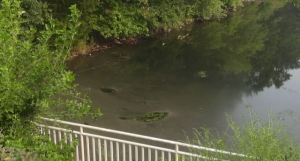
At the south end of our lake, a mat of smoke particles covers the water, hot morning, July 17

For the second time in three years, thick smoke from wildfires in Canada and the upper Midwest–1500 miles from our little refuge– has been blown by summer winds across the US Northeast and mid-Atlantic states. This year’s fires, born, as always, from the extreme heat and drought caused by fossil fuel emissions, have brought record high air pollution to Toronto and to US cities from Minnesota through Ohio and Pennsylvania, to New York, New England, and all the way south through Virginia and North Carolina.

Predictably, the US President blames Canada, one of his favorite scapegoats, for the fires that keep ravaging the dry, dry thousands of square miles of forest, mountains, and tundra. Of course, he doesn’t mention the more than 1000 wildfires currently burning in the US, across all regions. But everyone else knows that this Administration’s cruel lust for oil and gas (“Drill, baby, drill”) and the restrictions on renewable energy sources are deliberately spiking the emissions, which

  • make the air increasingly foul,
  • intensify drought and heat around the world, and
  • weaken health.

How bad was it here in Northern Virginia? Not nearly as bad as it was in the more northerly states, but, starting on Thursday morning, the 16th, the burn smell was everywhere. The sun for three days was never more than a dull disk in the sky, and our little lake was spattered in many places by mats of gray grit fallen from the sky (see photos above and below). A few of our Canada Geese braved the less gritty patches of water, or clung to the land, but most of our birds–and our usually intrepid turtles–did not make an appearance. We humans, especially us older ones, were urged by authorities to hunker down inside. Lucky that we could.

The weak, smoke-shrouded sun on the morning of July 18 above the lake

But on Saturday night, the 18th, lightning, thunder, and hard rain came down (.8 of an inch!) and by Sunday morning the air was clearer. So what is the message from the smoke? The drought-enabled fires keep burning in Canada and across the US Northwest and Plains states, the heat dome is still above most of the US, the President just keeps ignoring/intensifying climate change, and so I guess it’s just wait for the next time.

But what about the birds and all the other creatures who can’t just “hunker down inside”? See the climate log below for two opposing answers being given to that question.
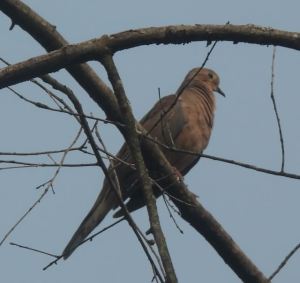
Mourning dove in dead Willow Oak, east bank, smoky July 17
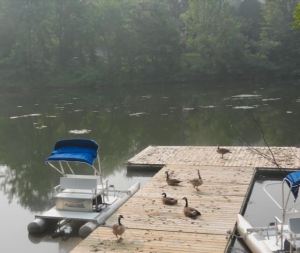
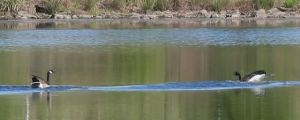
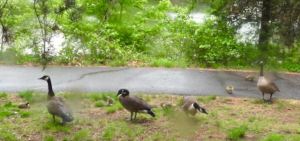
6 Canada Geese stay out of the smoky water, July 17

*********************************************************************
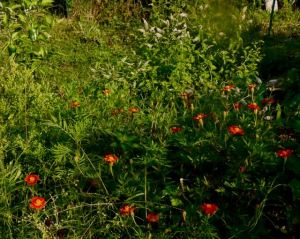
Our polyculture garden plot, Northwest corner: Marigolds, Mint, Green and Jalapeño Peppers, Wild Blue Aster, Oregano, Tarragon, Nasturtiums, morning, July 20


July Miracles from Our Polyculture Garden
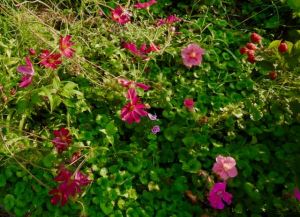
Cosmos blooms and Hibiscus in our garden, morning, July 20

It’s high time I discussed the “Polyculture” that is our tiny garden in the community plots in our town. Our much larger California garden for all those years (2007-2022) was also a polyculture, which means

“the practice of growing multiple plant species together in the same space, mimicking how plants naturally coexist in wild ecosystems” (harvestsavvy.com)

In a wetter summer climate like ours has been, soils are hospitable to nurturing a wide variety of seeds close together, as you’ll see in our garden photos, like this one:
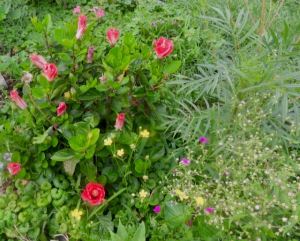
Polyculture at work: Hibiscus, Peruvian Daisy, Buttercup, Mexican Marigold, Speedwell flourish beside one another, July 18

or this one:
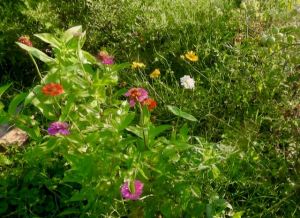
Ripening Tomatoes (at right), Coreopsis, Zinnias, Wild Blue Aster, July 3

The monocultures that dominate US agriculture –huge fields of one crop (think corn or soybeans) all in rows–make machine farming possible and efficient, but that “neat” arrangement has also  affected how many small gardeners think of their plots, as having to mimic the row-by-row, crop-by-crop structure.

However,  Nature doesn’t follow the rules of Big Ag. Nor should those “rules” hinder small gardeners from using their limited space for planting lots of different species. Nor should it stop any gardener from just “seeing what happens” when , say, Zucchini, mild Peppers, hot Peppers, Strawberries, Rosemary, and five different types of herbs are planted a foot or less from one another.

Volunteers Welcome. And guess what–not only can these varied plants thrive in these close spaces, but also “uninvited inhabitants,” like various grasses, Speedwell, and other volunteers manage to poke their roots and rhizomes and shoots among all the other plants. In most cases, we’ve found that there’s room enough for everyone to thrive in the crowded conditions, though even we will spend some of our time pulling up the “uninvited,” when it looks like someone (like the Speedwell or the Crabgrass) is crowding out some of the plants we’ve put in.
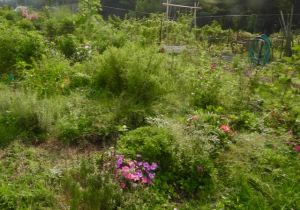
This is our entire plot, plus a few of our neighbors’ plots, viewed toward Northeast, on the early morning of July 20. Productive, lush, but definitely not “neat.”

Our Harvest, So Far
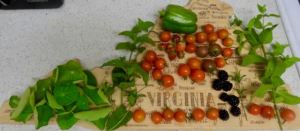
One day’s harvest from our garden, displayed on “Virginia” cutting board in kitchen, July 18: from left, Nasturtium leaves, Mint, Tomatoes, Strawberries, Blackberries, Tarragon, more Mint

Our five Tomato plants are the stars, as always, with about 400 small to large Cherry Tomatoes having been picked so far, and turned into ingredients for stews, pasta dishes, and omelets. or already frozen as sauce (4 jars so far) for the coming year.  Many, many more small beauties are in the pipeline at various stages of ripening.
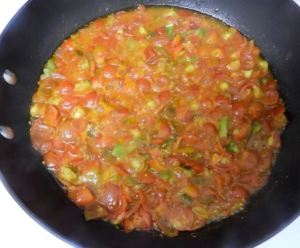
Tomato-and-Pepper sauce on stove, July 16
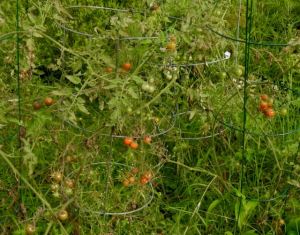
Three of our Tomato plants, with still more fruit ripening, July 20

Our 2 Mild Pepper plants have produced 5 fruit so far, with more growing. Our Jalapeño plant has produced 4 hotties so far, with more on the way. Our early-producing Zucchini plant gave us 5 long fruit, 1 of which is still waiting in the fridge. Like last year, though, the plant couldn’t handle the heavy rain in June, so it’s gone. Unlike last year, when our Crookneck Squash was productive into July, this year’s 4 plants never took off. We’ll try these again next year.
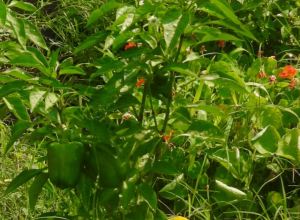
3 Green Peppers growing, plus tasty, colorful Nasturtiums, July 15

The Bountiful Herbs

These never disappoint. Two perennials, Oregano and Mint, have returned in profusion and attract pollinators with their fragrance (the Mint also makes a great tea!). Our Italian Basil is thriving, the Chives (another perennial) have been doing great since May, and the Tarragon is licorishy, its yellow flowers a bright delight. The  biggest surprise has been the Dill, a species I had had no luck with in dry, hot California, but which has thrived here beside our Tomato plants. Finally, the Nasturtiums, a first-time plant for us,  sparkle the garden with their orange flowers and their spicy-sweet leaves, which go great in salads.
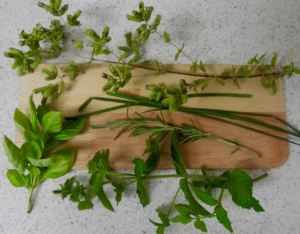
Herb variety from one day ‘s harvest displayed in kitchen, July 20: top to bottom, Oregano, Chives, Tarragon, Basil, Mint

Dill plant, with its famous green feathers and surprising yellow bouquets, July 20

Look for other delights from the garden in this month’s Gallery (below).

**********************************************************************************
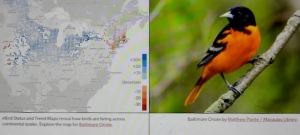
Photo and Range Map from the Cornell Lab of Ornithology, July 23

Climate Log:

So what will happen to  wildlife as Smoke, Drought, and Heating Get Worse? 

One answer: “Drill and Kill” Becomes Fact

“Drill, Baby, Drill” is now actually “Drill and Kill,” as the  Trump Administration has demolished this month the Endangered Species Protections from drilling and mining. Here are 2 headlines from July 12:

“Federal Rollback of Law Imperils Wildlife: Reduced Habitat Protections Increase Risk for State’s 300 Endangered Species” (Jack Flemming, Los Angeles Times)

“The rule change ends a safeguard that had been in place for 50 years and could hasten the demise of imperiled animals.”

If you have time, please click the link, and read the brief press release from the Center for Biological Diversity:  https://biologicaldiversity.org/w/news/press-releases/trump-administration-kills-protections-for-endangered-wildlife-habitat-2026-07-10/

A Second Answer: More than a Tiny Glimmer of Hope

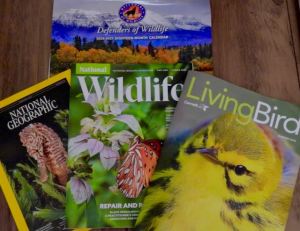
Led by organizations like the Center for Biological Diversity, the Cornell Lab of Ornithology,  the National Wildlife Federation, and many other groups, millions of people in the US and around the world are fighting back against the wildlife killers.   Watch the inspiring intro video on the Cornell Lab website to get a delectable taste of what these organizations are doing, and how you might join in the necessary work.
*************************************************************
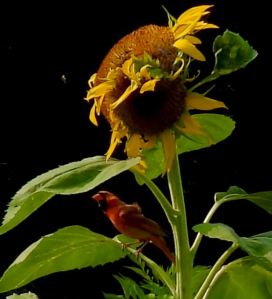
Huge Sunflower looms over Cardinal Male in our community garden, early morning, July 20

The July 2026 Photo/Video Gallery
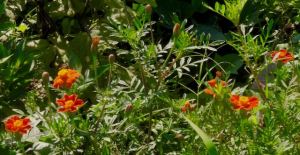
Blooming Marigolds in the garden, plus more about to pop, July 23
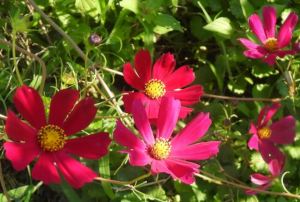
Red Cosmos blooms in the garden, July 23; this perennial reappeared in late June
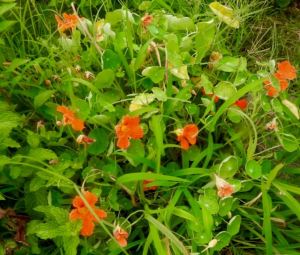
In our garden, Nasturtium leaves and flowers, morning, July 18
Rock Dove perches briefly on a rock along the north shore, July 4
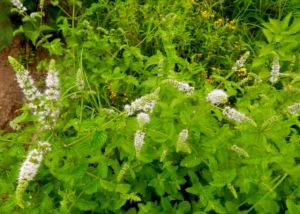
In the garden, fragrant Mint flowers and Tarragon ease the smoky air on the morning of July 18
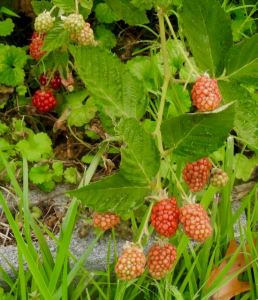
Blackberries ripening in our garden, morning, July 20
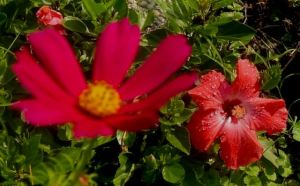
Cosmos bloom and Hibiscus bloom, our garden, July 15
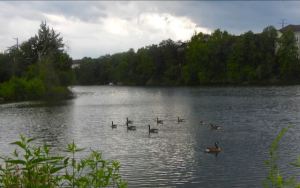
View toward southwest of lake, cloudy July 12: 10 Canada Geese swim along the shore
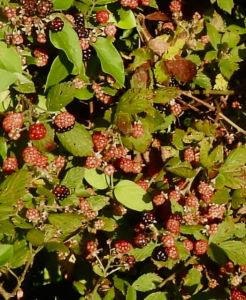
Wild Blackberries ripening along the east bank of the lake, July 4

Atop Red Cedar along the northwest shore of the lake, Mockingbird calls, July 4
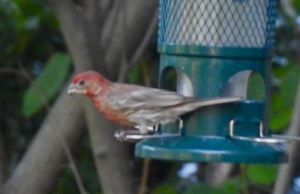
House Finch Male, at feeder on the southeast side, very hot July 4
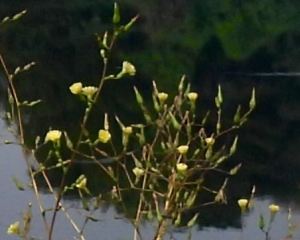
Prickly Lettuce, first blooms, along the east shore of the smoky lake, July 17
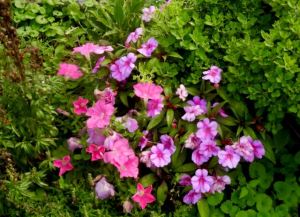
More polyculture display: Petunias, Impatiens, Mum plant, Snapdragons, July 20
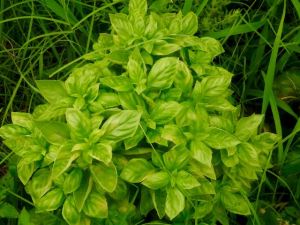
Our lush Basil plant in the garden, July 18
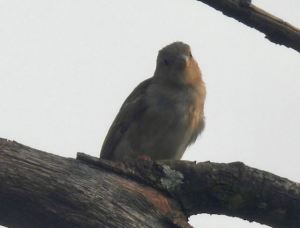
House Sparrow, pensive, in Willow Oak, east bank, smoky July 17
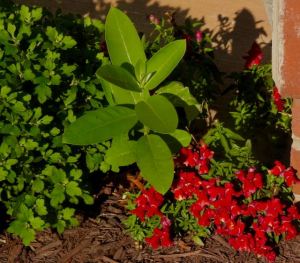
Red Snapdragons and volunteer Swamp Milkweed, plus Mum plant, east of lake, July 23
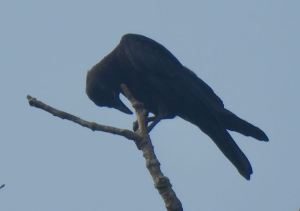
American Crow, atop tall Oak south of the lake, July 20
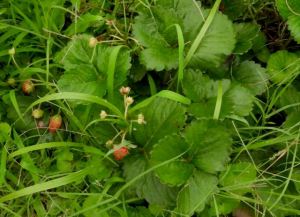
Ripening fruit in Strawberry plant, garden, July 18

Cardinal male chirps and feeds on Sunflower, community garden, July 20
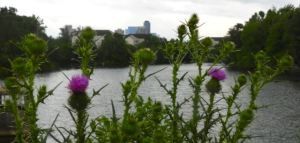
View along lake toward downtown, with Purple Teazel in foreground, cloudy July 12
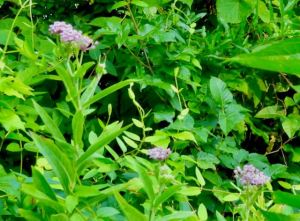
Swamp Milkweed amid the polyculture of the north end lake shore, very hot July 4

Mourning Dove scans from the dead Willow Oak, east bank, in the smoky air, July 17
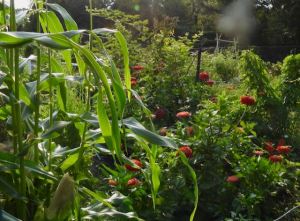
And on to the last week in July and then on to August, in polycultural joy and hope…


April 2026: Turning to the Garden for Mental Health

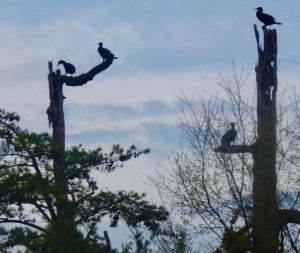
Double-crested Cormorants–four at a time!–scan from atop the two dead Oaks, east bank, after sunrise, on a cool April 6

In this month’s blog:

When “the World Is Too Much with Us”: The Garden as Mental Health
Springing Early in the Garden
Climate Log: As Drought and Fires Set Records, Oil Giants Seek Lawsuit Immunity
The April 2026 Photo/Video Gallery

Brand new Canada Goose babies feed by the path at the south end of the lake, then Mom appears in the video, on a cool, cloudy April 26

When “the World Is Too Much with Us”: the Garden as Mental Health

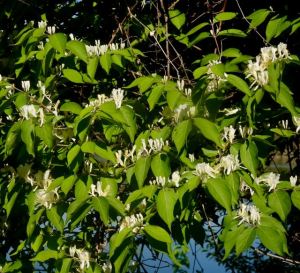
Amur Honeysuckle in profusion on the east shore of the lake, April 18

The world is too much with us; late and soon,
Getting and spending we lay waste our powers;
Little we see in Nature that is ours;
We have given our hearts away, a sordid boon!

I sometimes think of this 1802 poem by William Wordsworth, when I get overwhelmed by all the worries of this awful time in our nation’s history, when our democracy seems to be collapsing from the lies, cruelty, greed, and war-making by our supposed leaders.

So, to get a bit of solace, I turn to the gardens I have in my life.

I turn my focus to the plants and animals who surround lucky me and who seem to have figured out how to survive and even thrive, while not utterly destroying their fellow creatures as we humans do.

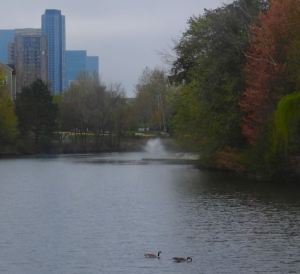
View of the lake and lakeshores toward the nearby city, with spring colors of the trees and a mating pair of Canada Geese, April 3

My gardens are two, and both are physical, mental, and indeed inspiring.

One garden is the small lake and surrounding land that includes the community in which we reside. This is a garden I walk through daily and which I cultivate by trying to leave it alone. I gain comfort by trying to observe respectfully its rhythms and inhabitants. My camera helps me see closely and capture images that ease–and inspire–my mind, but which leaves these inhabitants to do their life-generating work.

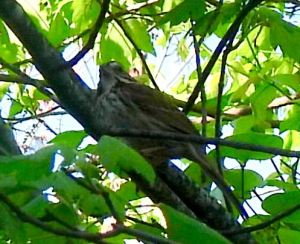
Grey Catbird, recently arriving here, calls and mimics amid the Arrowwood Viburnum beside the southeast cove of the lake, cool morning, April 25

The other garden I turn to is  the one where my wife and I dig into the soil in order to plant flowers and veggies. This small plot, only 225 square feet, we deliberately disturb–in typical human fashion–so that we might use its mineral and organic resources to grow what we want to grow. From one perspective, digging a garden is an act of selfish violence, because if we left it alone, it would produce what it wants to with the assistance of rain and sun and wind and visiting insects and birds. The undisturbed soil is home to the little seeds and sinewy rhizomes that stay quietly alive under the surface.

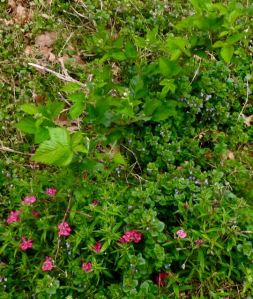
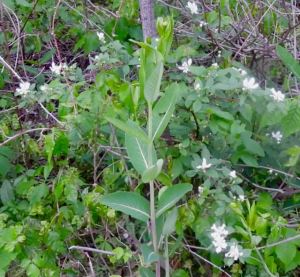
Sweet William, Blue Speedwell, Wild Blackberry–among the plants in our garden plot that greeted us after winter and as spring began, April 19

Oh, we know what that undisturbed garden would look like, because it partially greets us after a winter of icy cold that keep us indoors. Its colorful profusion of little plants like Yellow Dandelions, Blue Speedwell, green Ground Ivy, Pink Henbit, and Daisy Fleabane shows how hard the soil has been working all winter. If we left it alone, it would do more amazing things–just as our lakeside garden does–but we humans just want too much to get our hands dirty and use that soil to produce stuff that we can eat and tickle our senses with.

So before we start digging, we say to the soil and the wind and the clouds,

“Please let us use just a little bit of your bounty to make room for other plants that we want to give life to. We promise to use just a little land and then to let you take over again when the winter returns. Is that OK?”

A benign violence? Yes, I hope. Our indigenous forebears on this land knew better than we do how to use what actual Nature produced to keep those humans alive, too, but most of us have lost that knowledge. And so the best that we can do is to use just a little of the soil to grow the plants we’re more comfortable with–tomatoes, peppers, culinary herbs, potatoes, corn, and so forth–and let the native plants grow in the rest. One thing we promise not to do is turn these little garden plots into the one-crop (AKA “monoculture”) plantations that dominate way too much of the country.

We also promise the soil not to poison it with the chemicals, like glyphosate, which kill most of the plants that want to share the soil with the crops that large farmers and many homeowners favor on their land. As a result, our garden includes both the plants we’ve planted and the many hardy species that “volunteer” in the garden. We’ve found that there’s usually room for both kinds.

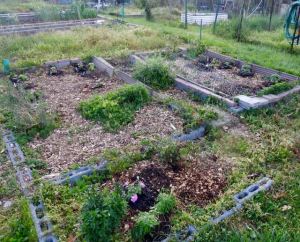
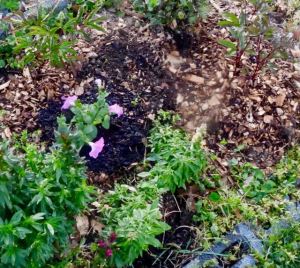
Our garden plot, with mulch and some new plants, looking northeast across the garden community, April 24

When it comes right down to it, a great way for both of us to ease our minds in these troubled times is to get down on our knees, dig holes in the ground, and plant little seeds and seedlings, then water those plants, watch them from day to day, and marvel at what these little beings turn into as April turns into May and then on to September.  We are grateful that every little bit of this mental solace goes a long way, and we get it each time we visit either of our gardens.

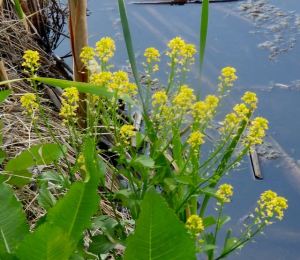
Yellow Rocket wildflowers have sprung up in a suddenly warm April by the outlet pond of our lake below the dam, April 18

****************************************************************

Springing Too Early in the Garden?

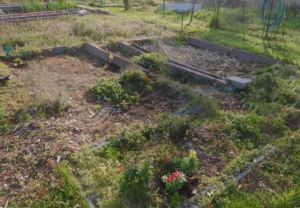
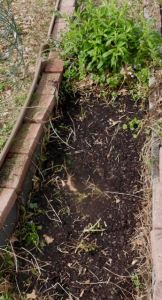
With our garden plot cleared and mulched for spring planting, we were ready to take a chance and plant early, April 12

Well, it happened again. But can you blame us?

Yes, the garden managers pleaded with us gardeners not to plant before May 1: “the ground won’t be warm enough.”  But, then, the thermometer kept going up and up after April 10, until it reached the low 90s! Can you believe it? It had been so cold and rock-hard snowy in February that we’d begun to get stir-crazy. Then March kept teasing us with off-and-on warm and cooler days, mostly warmer, so surely, once we got into the 80s, then the 90s in early April–the 90s!–of course winter was past, right?

So pretty much everyone in our garden community had been out in March to begin spiffing up their raised beds and building their soil base, and to put into the huge compost piles beyond the fences all the old garden waste from last year. We were all champing at the bit to get started planting. But still most of us held back out of caution–“wait until May 1!”

But not all of us. A few of our neighbors were getting an early start on the planting. And of course, we two transplanted Californians, as accustomed as we still were to year-round gardening, decided to flout the May 1 rule.

So, on April 11, with the temp already in the 80s, we were among lots of other gardeners in our town at Home Depot, where we bought a few bags of soil, some Snapdragons, 4 Cherry Tomato plants, 1 Zucchini, 1 Basil, 2 Mild Peppers, and 2 Strawberries–and immediately drove off to put these beauties in the ground.

Husky Cherry Red Tomato, newly in ground April 12–before frost 8 days later

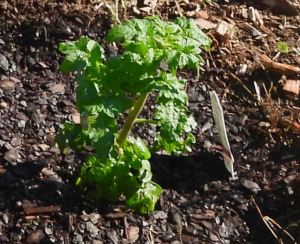
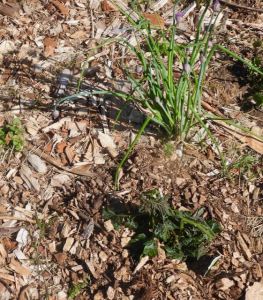
With low temps in the 40s, what could go wrong? But as the week wore on, the forecast showed lows in the mid 30s, then on the 20th, hour by hour the temp lowered–until it registered 27 F (what?!) at 6 AM on the 21st. With trepidation, I drove over to the garden later that morning, and, sure enough, there lay the 4 tomatoes, the basil, the 2 mild peppers, and the zucchini–their stems deflated, their leaves shriveled, their greenness turning brown. Of the new plantings, only the 2 Strawberries and the Snapdragons, as expected  of these hardy types, were frisky.

Frozen Tomato seedling beside the healthy volunteer Chives, cold morning, April 21, after frost

Of course, the Blue Speedwell, the Pink Henbit, and the Yellow Dandelions were bright as ever, mocking me with their lively weediness.

But never say die! Out came the shriveled ones and into the compost pile they went. By the 24th, they had been replaced, and we added several more that we couldn’t resist, like a Jalapenó Pepper and Peonies. So, with all forecasts now well above freezing beyond May 1,  almost all the gardeners are now out and planting.  We all have our eager fingers crossed.

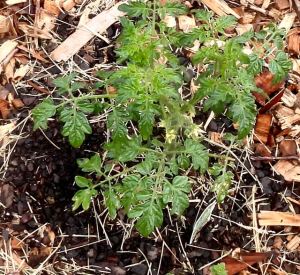
Sweet Millions Tomato, seemingly thriving with new yellow flowers, April 20, just before the frost

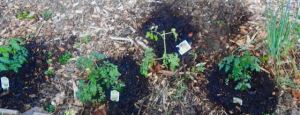
Four new Tomato plantings, plus returning Chives plant, April 24

New and returning Snapdragons, new Petunias, and new Peony, April 24

Newly planted Marigold seedbed and perennial New England Blue Aster, April 16. The Marigolds will peek through in May.

***********************************************************************

How drought intensity in US has advanced since February (US Drought Monitor and Washington Post video, April 29)

Climate Log: 

Droughts, Temps, and Wildfires Set Records; Fossil Fuel Cartel Seeks Immunity; Supreme Court’s Anti-Climate Agenda Revealed

This month’s climate log is just a series of headlines and photos, with links or references to the articles that go into detail. Suffice it to say that these are the sorts of things happening right now–or in the recent past in the case of the Supreme Court’s secret memos–that would receive attention and new laws if the US had an Administration, Congress, and Supreme Court focused on the people of the US and the health of the world we live in rather than on ensuring mega-billionaires’ bottom lines. They are also the sorts of outrages that inspire me to seek solace in gardens and make me so grateful that we still have that opportunity.

Worst spring drought on record grips US, fueling wildfires and water worries

CNN, by Chris Dolce, Meteorologist, April 23

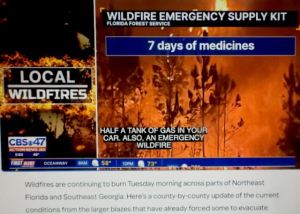
Evacuation instructions amid Florida wildfires (CBS Jacksonville, April 21)

“The EPA’s Lost Science” (Lisa Friedman, New York Times, April 28)

National Geographic (April 8), Laura Parker:

The Supreme Court’s Secret Docket: the 2016 Memos (New York Times, Jodi Kantor and Adam Liptak, April 18):

:*****************************************************

Canada Goose mating pair have just landed in the lake, April 18

April 2026 Photo/Video Gallery

The new Canada Goose babies arrive and wildflowers spring forth around the lake. Birdsong concerts are a daily event.

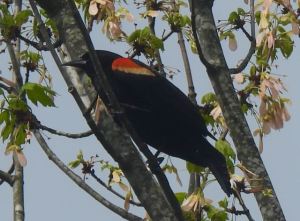
Red-winged Blackbird calls in Red Maple on the southeast bank, warm morning, April 16

White-throated Sparrow in Katsura tree, east bank, April 18

Canada Geese, adults and 6 babies, enter the northwest corner of the lake to begin their swim, April 26

Swamp Milkweed (Monarchs love them) and Japanese Honeysuckle on the east bank, April 25

Three cormorants atop dead Oak, east bank, as Blue Heron watches from below and another flies over the tree.  Rare sighting of all these birds of prey together, April 26

Morning Dove walks into grass, east side; meets mate; both look toward lake; warm April 19

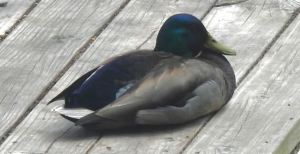
Male Mallard alone on the deck, west shore, April 22

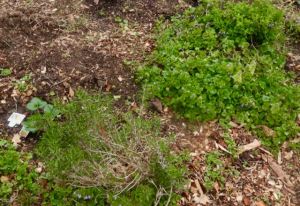
Perennial Rosemary, newly planted Strawberry, returning Oregano, and volunteer Ground Ivy in our garden plot, windy April 20. These all survive the frost.

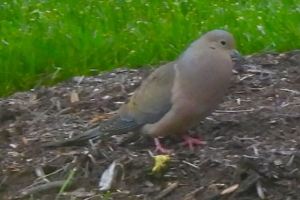
Mourning Dove on ground, south of lake, cool, rainy afternoon, April 29

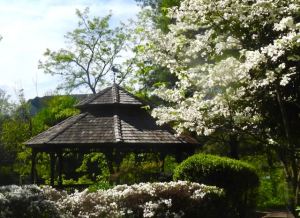
Dogwood in bloom with white Azaleas beside the gazebo, west bank, April 17

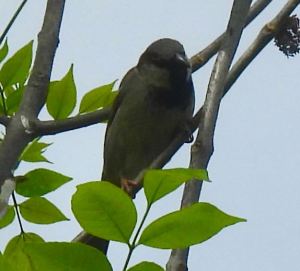
Rare Black House Sparrow in Green Ash, east bank,warm April 16

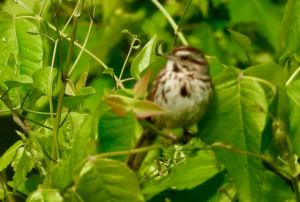
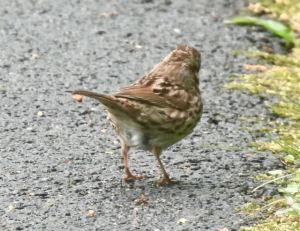
Song Sparrow relaxes in Poison Ivy (not toxic to them) along the south end, on a cool, cloudy April 26

Red-winged Blackbird perches in Red Maple, southeast bank, warm April 16

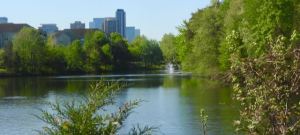
Toward downtown, view of the mirror lake in spring glory, with Red Cedar in foreground, warm morning, April 18

Blue Heron in flight across the lake on a warm Earth Day afternoon, April 22

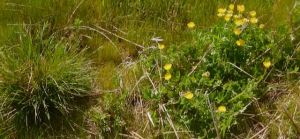
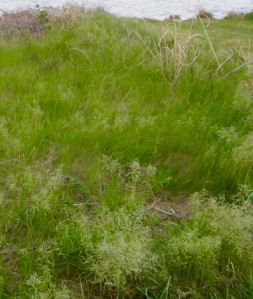
White Berkeley Sedge and Bulbous Buttercups come back on the denuded hillside below the dam, warm morning, April 17

Chipping Sparrow on east side path, cool, rainy afternoon, April 29

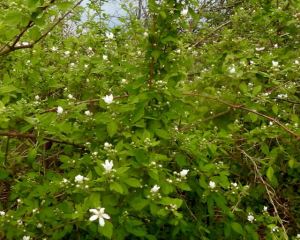
Sawtooth Blackberry in bloom on the east shore, on a warm Earth Day, April 22

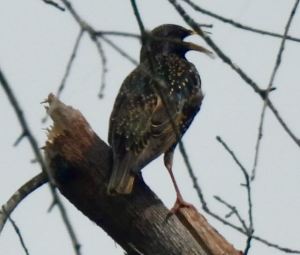
European Starling, in mid call, on the dead Willow Oak on the east bank, warm morning, April 16

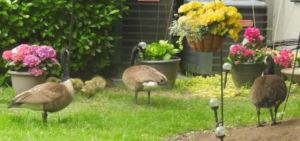
Canada Geese, 3 adults, 5 babies, investigate a flower garden in our community, April 18

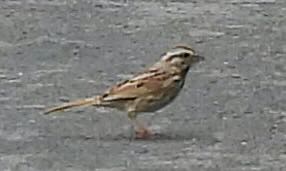
An Impressionist rendering of White-crowned Sparrow on the east side path on a warm afternoon, April 22

On a denuded hillside, northwest corner, Colonial Bentgrass grows back, April 25

Canada Geese families: 4 adults, 6 babies, beside lake on west side path, in the rain, April 29

And on to the mad, mysterious, magnificent month of May, with blooms in whatever garden is yours…

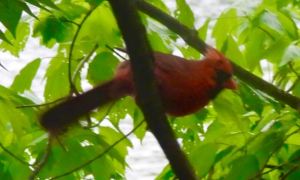
Cardinal male on branch in Amur Honeysuckle, west shore, cool, cloudy April 25