July 2026: Wildfire Smoke Threatens Our Tiny Refuge

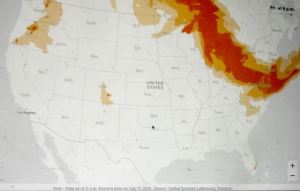
Smoke from Canadian and Midwest Wildfires sweeps across Northeast and Mid-Atlantic States (New York Times, July 17)

The dense smoky air from far distant wildfires, 1500 miles away, blankets our tiny lake refuge, hot morning, July 17

In this month’s blog:

Wildfire Smoke: Will We Get the Message?
July Miracles from Our Polyculture Garden
Climate Log: “Drill and Kill” But a Glimmer of Hope
The July 2026 Photo/Video Gallery
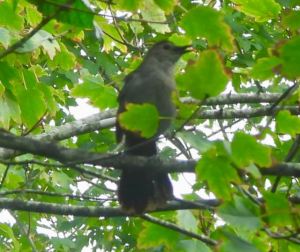
Grey Catbird in Red Maple, southeast bank, smoky July 17

Wildfire Smoke in Our Little Refuge: Will We Get the Message?

At the south end of our lake, a mat of smoke particles covers the water, hot morning, July 17

For the second time in three years, thick smoke from wildfires in Canada and the upper Midwest–1500 miles from our little refuge– has been blown by summer winds across the US Northeast and mid-Atlantic states. This year’s fires, born, as always, from the extreme heat and drought caused by fossil fuel emissions, have brought record high air pollution to Toronto and to US cities from Minnesota through Ohio and Pennsylvania, to New York, New England, and all the way south through Virginia and North Carolina.

Predictably, the US President blames Canada, one of his favorite scapegoats, for the fires that keep ravaging the dry, dry thousands of square miles of forest, mountains, and tundra. Of course, he doesn’t mention the more than 1000 wildfires currently burning in the US, across all regions. But everyone else knows that this Administration’s cruel lust for oil and gas (“Drill, baby, drill”) and the restrictions on renewable energy sources are deliberately spiking the emissions, which

  • make the air increasingly foul,
  • intensify drought and heat around the world, and
  • weaken health.

How bad was it here in Northern Virginia? Not nearly as bad as it was in the more northerly states, but, starting on Thursday morning, the 16th, the burn smell was everywhere. The sun for three days was never more than a dull disk in the sky, and our little lake was spattered in many places by mats of gray grit fallen from the sky (see photos above and below). A few of our Canada Geese braved the less gritty patches of water, or clung to the land, but most of our birds–and our usually intrepid turtles–did not make an appearance. We humans, especially us older ones, were urged by authorities to hunker down inside. Lucky that we could.

The weak, smoke-shrouded sun on the morning of July 18 above the lake

But on Saturday night, the 18th, lightning, thunder, and hard rain came down (.8 of an inch!) and by Sunday morning the air was clearer. So what is the message from the smoke? The drought-enabled fires keep burning in Canada and across the US Northwest and Plains states, the heat dome is still above most of the US, the President just keeps ignoring/intensifying climate change, and so I guess it’s just wait for the next time.

But what about the birds and all the other creatures who can’t just “hunker down inside”? See the climate log below for two opposing answers being given to that question.
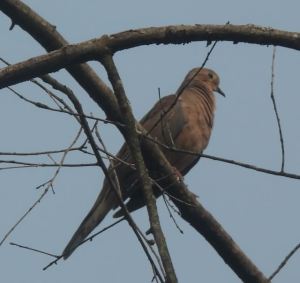
Mourning dove in dead Willow Oak, east bank, smoky July 17
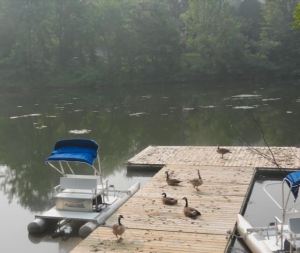
6 Canada Geese stay out of the smoky water, July 17

*********************************************************************
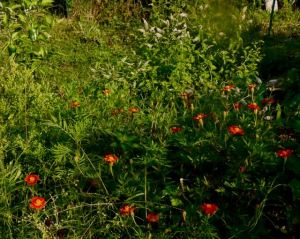
Polyculture display: Marigolds, Mint flowers, Green and Jalapeño Peppers in our garden, northwest corner, July 26

July Miracles from Our Polyculture Garden
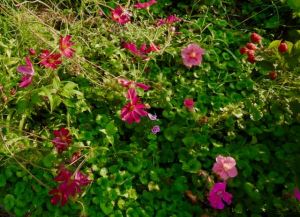
Cosmos, Berry, Petunia, Speedwell display in our garden, July 26

It’s high time I discussed the “Polyculture” that is our tiny garden in the community plots in our town. Our much larger California garden for all those years (2007-2022) was also a polyculture, which means

“the practice of growing multiple plant species together in the same space, mimicking how plants naturally coexist in wild ecosystems” (harvestsavvy.com)

In a wetter summer climate like ours has been, soils are hospitable to nurturing a wide variety of seeds close together, as you’ll see in our garden photos, like this one:
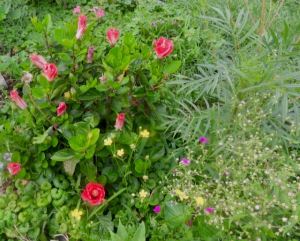
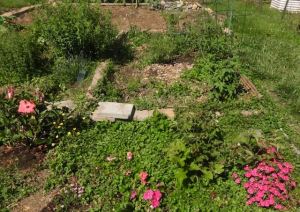
Polyculture at work: Hibiscus, Peruvian Daisy, Buttercup, Mexican Marigold, Speedwell flourish beside one another, July 18

or this one:
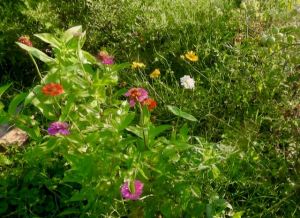
Ripening Tomatoes (at right), Coreopsis, Zinnias, Wild Blue Aster, July 3

The monocultures that dominate US agriculture –huge fields of one crop (think corn or soybeans) all in rows–make machine farming possible and efficient, but that “neat” arrangement has also  affected how many small gardeners think of their plots, as having to mimic the row-by-row, crop-by-crop structure.

However,  Nature doesn’t follow the rules of Big Ag. Nor should those “rules” hinder small gardeners from using their limited space for planting lots of different species. Nor should it stop any gardener from just “seeing what happens” when , say, Zucchini, mild Peppers, hot Peppers, Strawberries, Rosemary, and five different types of herbs are planted a foot or less from one another.

Volunteers Welcome. And guess what–not only can these varied plants thrive in these close spaces, but also “uninvited inhabitants,” like various grasses, Speedwell, and other volunteers manage to poke their roots and rhizomes and shoots among all the other plants. In most cases, we’ve found that there’s room enough for everyone to thrive in the crowded conditions, though even we will spend some of our time pulling up the “uninvited,” when it looks like someone (like the Speedwell or the Crabgrass) is crowding out some of the plants we’ve put in.
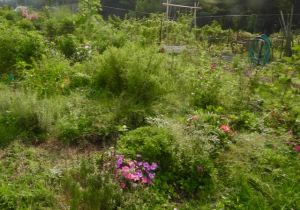
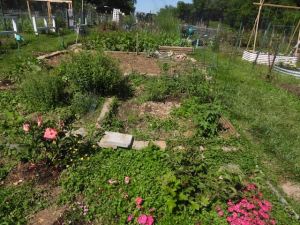
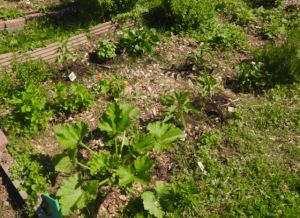
This is our entire plot, plus a few of our neighbors’ plots, viewed toward Northeast, on the early morning of July 20. Productive, lush, but definitely not “neat.”

Our Harvest, So Far
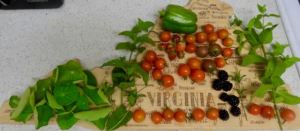
One day’s harvest from our garden, displayed on “Virginia” cutting board in kitchen, July 18: from left, Nasturtium leaves, Mint, Tomatoes, Strawberries, Blackberries, Tarragon, more Mint

Our five Tomato plants are the stars, as always, with about 400 small to large Cherry Tomatoes having been picked so far, and turned into ingredients for stews, pasta dishes, and omelets. or already frozen as sauce (4 jars so far) for the coming year.  Many, many more small beauties are in the pipeline at various stages of ripening.

Tomato-and-Pepper sauce on stove, July 16
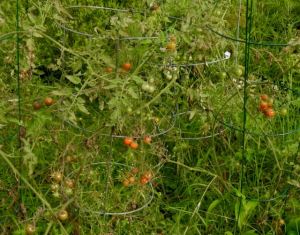
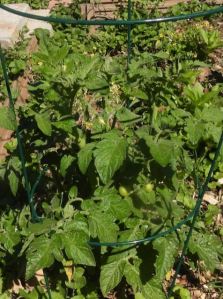
Three of our Tomato plants, with still more fruit ripening, July 20

Our 2 Mild Pepper plants have produced 5 fruit so far, with more growing. Our Jalapeño plant has produced 4 hotties so far, with more on the way. Our early-producing Zucchini plant gave us 5 long fruit, 1 of which is still waiting in the fridge. Like last year, though, the plant couldn’t handle the heavy rain in June, so it’s gone. Unlike last year, when our Crookneck Squash was productive into July, this year’s 4 plants never took off. We’ll try these again next year.
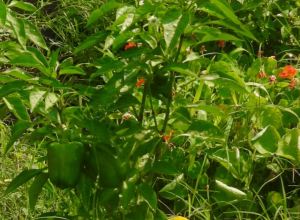
3 Green Peppers growing, plus tasty, colorful Nasturtiums, July 15

The Bountiful Herbs

These never disappoint. Three perennials, Oregano, Rosemary, and Mint, have returned in profusion and attract pollinators with their fragrance (the Mint also makes a great tea!). Our Italian Basil is thriving, the Chives (another perennial) have been doing great since May, and the Tarragon is licorishy, its yellow flowers a bright delight. The  biggest surprise has been the Dill, a species I had had no luck with in dry, hot California, but which has thrived here in the greater moisture beside our Tomato plants. Finally, the Nasturtiums, a first-time plant for us,  sparkle the garden with their orange flowers and their spicy-sweet leaves, which go great in salads.
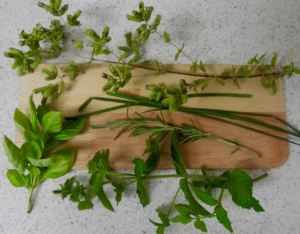
Herb variety from one day ‘s harvest displayed in kitchen, July 20: top to bottom, Oregano, Chives, Tarragon, Rosemary, Basil, Mint
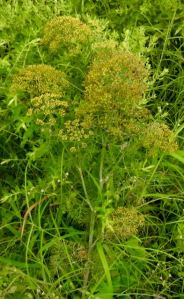
Dill plant, with its famous green feathers and surprising yellow bouquets, July 20

Look for other delights from the garden in this month’s Gallery (below).

**********************************************************************************
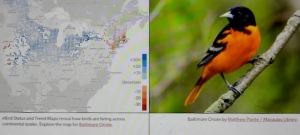
Photo and Range Map from the Cornell Lab of Ornithology, July 23

Climate Log:

So what will happen to  wildlife as Smoke, Drought, and Heating Get Worse? 

One answer: “Drill and Kill” Becomes Fact

“Drill, Baby, Drill” is now actually “Drill and Kill,” as the  Trump Administration has demolished this month the Endangered Species Protections from drilling and mining. Here are 2 headlines from July 12:

“Federal Rollback of Law Imperils Wildlife: Reduced Habitat Protections Increase Risk for State’s 300 Endangered Species” (Jack Flemming, Los Angeles Times)

“The rule change ends a safeguard that had been in place for 50 years and could hasten the demise of imperiled animals.”

If you have time, please click the link, and read the brief press release from the Center for Biological Diversity:  https://biologicaldiversity.org/w/news/press-releases/trump-administration-kills-protections-for-endangered-wildlife-habitat-2026-07-10/

A Second Answer: More than a Tiny Glimmer of Hope

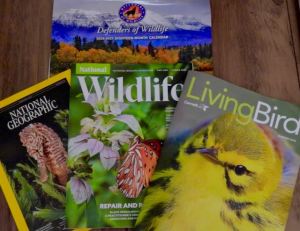
Led by organizations like the Center for Biological Diversity, the Cornell Lab of Ornithology,  the National Wildlife Federation, and many other groups, millions of people in the US and around the world are fighting back against the wildlife killers.   Watch the inspiring intro video on the Cornell Lab website to get a delectable taste of what these organizations are doing, and how you might join in the necessary work.
*************************************************************
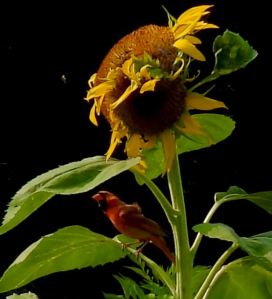
Huge Sunflower looms over Cardinal Male in our community garden, early morning, July 20

The July 2026 Photo/Video Gallery
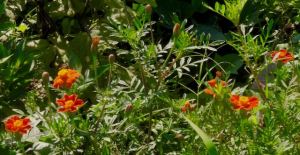
Blooming Marigolds in the garden, plus more about to pop, July 23
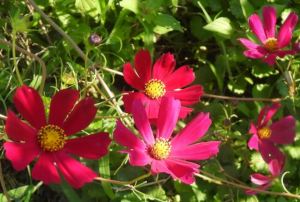
Red Cosmos blooms in the garden, July 23; this perennial reappeared in late June
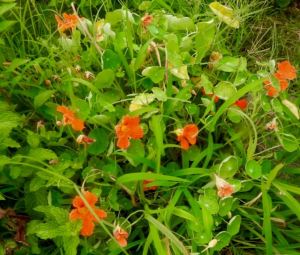
In our garden, Nasturtium leaves and flowers, morning, July 18

Rock Dove perches briefly on a rock along the north shore, July 4
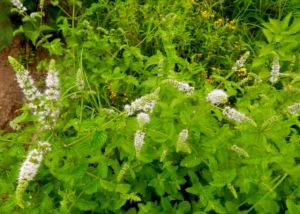
In the garden, fragrant Mint flowers and Tarragon ease the smoky air on the morning of July 18
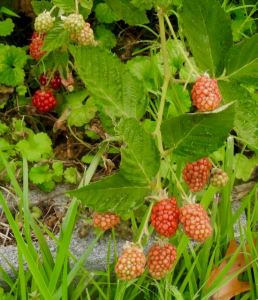
Blackberries ripening in our garden, morning, July 20
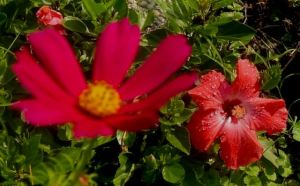
Cosmos bloom and Hibiscus bloom, our garden, July 15

View toward southwest of lake, cloudy July 12: 10 Canada Geese swim along the shore
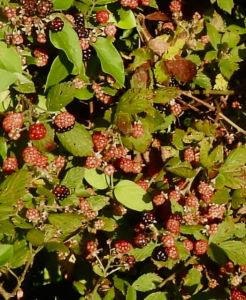
Wild Blackberries ripening along the east bank of the lake, July 4

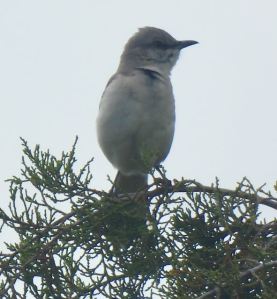
Atop Red Cedar along the northwest shore of the lake, Mockingbird calls, July 4
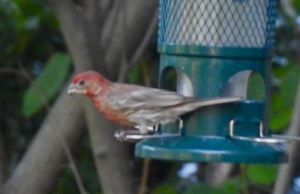
House Finch Male, at feeder on the southeast side, very hot July 4
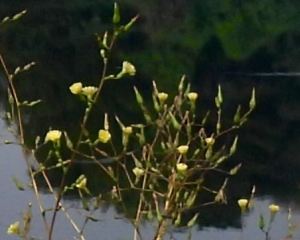
Prickly Lettuce, first blooms, along the east shore of the smoky lake, July 17

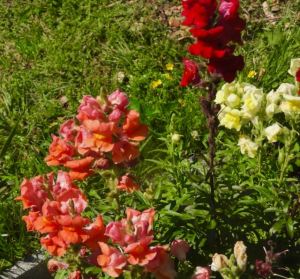
More polyculture display: Petunias, Impatiens, Mum plant, Snapdragons, July 20
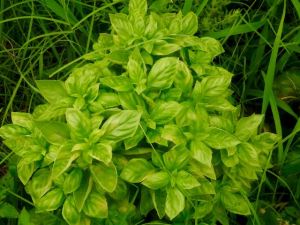
Our lush Basil plant in the garden, July 18
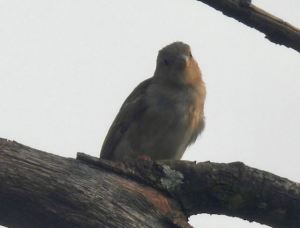
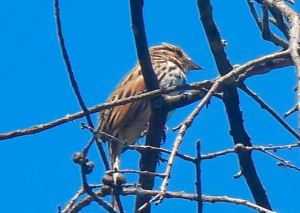
House Sparrow, pensive, in Willow Oak, east bank, smoky July 17
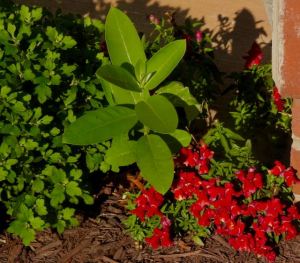
Red Snapdragons and volunteer Swamp Milkweed, plus Mum plant, east of lake, July 23
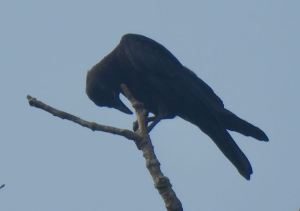
American Crow, atop tall Oak south of the lake, July 20
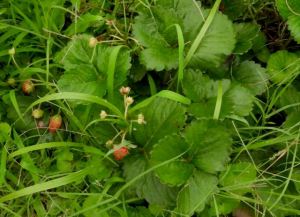
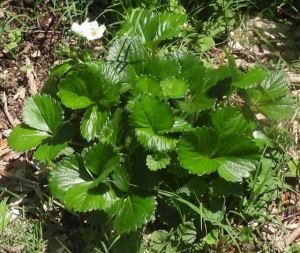
Ripening fruit in Strawberry plant, garden, July 18

Cardinal male chirps and feeds on Sunflower, community garden, July 20

View along lake toward downtown, with Purple Teazel in foreground, cloudy July 12
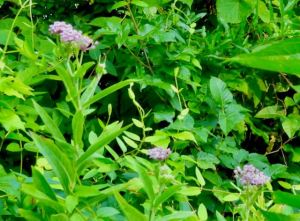
Swamp Milkweed amid the polyculture of the north end lake shore, very hot July 4

Mourning Dove scans from the dead Willow Oak, east bank, in the smoky air, July 17
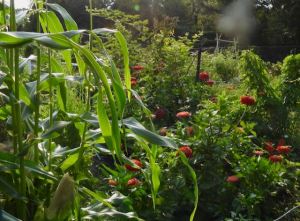
Community garden: a neighbor’s corn and zinnias display, July 26
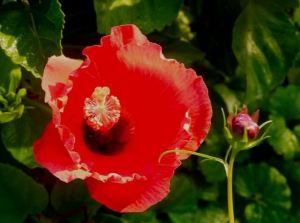
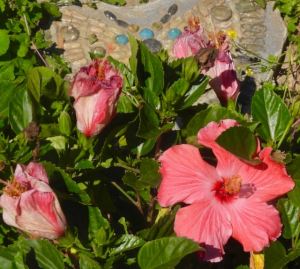
Red Hibiscus closeup in morning sun in our garden, July 26

And on to the last week in July and then on to August, in polycultural joy and hope…


May 2026: Celebrating Family and History on the Road

Canada Geese family swims in mid lake near the fountain, on a warm sunny May 5

5 Canada Geese babies, now a month old, and parents feed in grass on the southeast side of the lake, sunny May 31

In this month’s blog:

Celebrating Family and History on the Road
Garden Update: One Month of New Growth
Climate Log: Extremes of Heat, Drought, and Rain
The May 2026 Photo/Video Gallery: Virginia, Georgia, Maryland

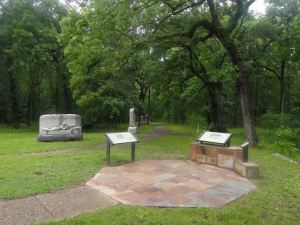
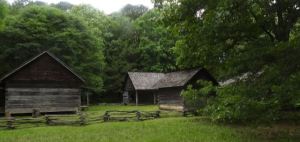
Restored farm buildings and Bur Oak at New Echota Cherokee State Park, Georgia, May 22

Celebrating Family and History on the Road

Road’s eye view of the 15-mile long Chesapeake Bay Bridge-Tunnel on our return trip, May 27

To celebrate our eldest granddaughter’s graduation from high school, we took a road trip to Georgia to be with her and her family for three days. On the way, we visited a naturally beautiful place I hadn’t seen for six decades and Jean had never seen, plus two very different places we never had visited, but which are important in American history for different reasons.

The week-long trip, May 21-28, also immersed us in an extreme weather event that typifies our changing climate, as this month’s Climate Log briefly describes.

Three places we visited on our way to Georgia:

1. Virginia’s Natural Bridge State Park (May 21)

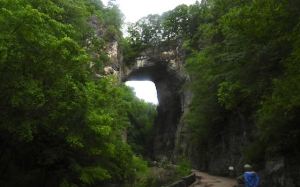
The million-year-old limestone arch 200 feet above Cedar Creek at the Natural Bridge State Park (VA), May 21

I first visited this park as a child on one of my parents’ yearly road trips each summer, these trips nurturing what has become my love of both history and in-country travel, loves that Jean and I share.  Though the limestone arch created by a million years of flow by tiny Cedar Creek is dramatically memorable, and though the park in not far off the well-beaten path of Interstate 81, the park is not visited as much now as it was a century ago, and so it’s a wonderfully quiet place for a walk on its trails and for conversation with its local staff of rural Virginians  dedicated to natural conservation and preservation. Here are a few pics and vids from our walk on the trail through the gorge  built over eons by the quiet creek.

Panorama of the natural bridge and woods around Cedar Creek, May 21

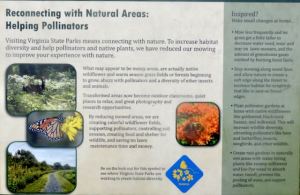
“Saving the Pollinators” plaque at Natural Bridge State Park, May 21

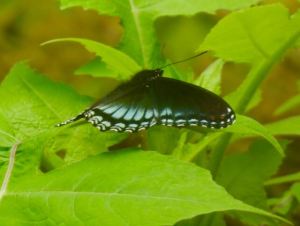
Black Swallowtail on Whiteflower Leafcup at Natural Bridge State Park, May 21

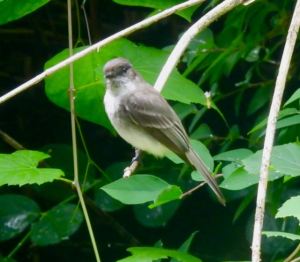
Eastern Phoebe at Natural Bridge State Park, May 21

Cedar Creek Falls at the end of the 1-mile trail in Natural Bridge State Park, May 21

2. Tennessee and Georgia’s Chickamauga Battlefield (May 22)

Artist’s rendering of Chickamauga battlefield, September 1863

Just south of Chattanooga, Tennessee, and across the border into Georgia, Chickamauga Battlefield, named for the creek that still runs through this hallowed and deeply scarred land, commemorates in its hundreds of plaques and monuments several horrific battles in 1863 between the Union and Confederate armies.  Like the Antietam (MD) Battlefield that we visit almost annually  (see the August 2024 entry, for example), the natural beauty and quiet of the parks today never fails to stir our hearts with mourning for the horrific losses of thousands of lives in these now serene places. The film at the Visitors Center about the battles at Chickamauga  is startingly horrible/effective at portraying just how brutal human hatred and injustice are at destroying love and lives.

Hundreds of monuments and plaques from the 1890s onward commemorate the 1863 battles in Chickamauga and Chattanooga (photo September 22)

This restored building from the Brotherton family farm at Chickamauga. The family’s 4 cattle who survived the battle provided milk for wounded soldiers (photo, September 22)

3. Georgia’s New Echota Cherokee State Park (May 22)

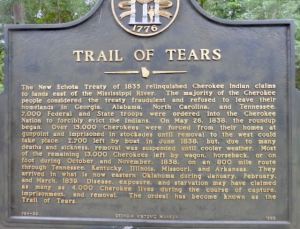
The Trail of Tears marker at the New Echota Cherokee State Park. As capital of the Cherokee nation beginning in 1825, New Echota survived only 13 years before all Cherokee were forced to walk or ride across the South to what is now Oklahoma, with 4000 of the 12000 persons dying along the torturous way. (Photo May 22)

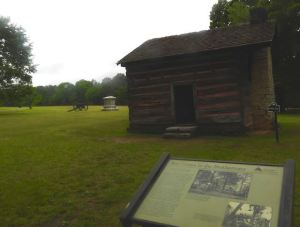
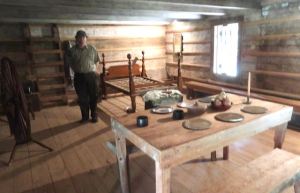
Cherokee people tried in many ways to adapt to white settlers’ ways, such as through homes, like this simple one, which they built at New Echota. But homes and lands were steadily stolen by settlers and the Cherokee people eventually imprisoned then banished. (Photo May 22)

If the many monuments at Chickamauga demonstrate how present the conflict of the US Civil War still is for most Americans, the small and almost unknown Georgia park devoted to the erasure of one people’s Native American history demonstrates how five centuries of that steady erasure  of Native cultures and people have gone on with way too little attention. Still, the several restored farm buildings, a tiny garden, and the dignified Visitors Center at New Echota exert a quiet pressure and dedicated attention that keeps the  flame of recognition of Native strength and suffering alive. In planning our road trip, Jean noticed New Echota on one of our maps, and it immediately became for us a place we had to visit.

The Cherokee community continues to venerate New Echota, as through this current thriving garden in the Park devoted to the traditional “3 sisters” crops: corn, beans, and squash. (Photo May 22)

******************************************************************

Jean’s multicolored Snapdragons, both returning and new plants, May 29

Garden Update: One Month of New Growth and Care

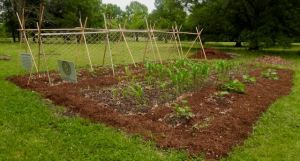
Our 225 sq. ft. plot in the community gardens, viewed toward north. with several other garden plots beyond, May 29

After the sudden April freeze in mid-month that wiped out a few of our plantings, our plants from April 25 onward have grown from seeds and seedlings to steadily maturing beings  that have grown leafier and taller by the day.

Colorful Bloomers

Transplanted Hibiscus, May 29

The flowers in about 60% of the garden feature

(1) returning varieties: hearty Snapdragons, Dianthus, Buttercups,  Sawtooth Blackberry, and Wild Blue Aster, as well as

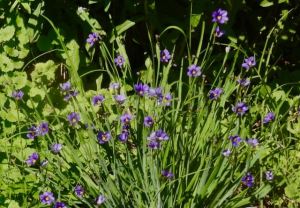
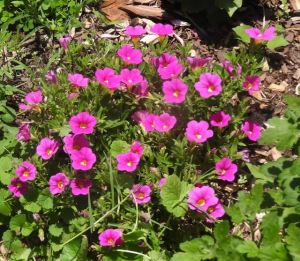
(2) newly-planted seedlings of Peonies, Petunias, Snapdragons, Calibrachoa, and Blue-eyed Grass, plus a 2-foot high transplanted Hibiscus rooting and thriving in the clay soil 18 inches below the surface.

Blue-eyed Grass, new planting, now 3 weeks in, May 29

(3) Growing slowly from sown seed are Marigolds and Zinnias, both of which succeeded last year.

(4) Among the “volunteers” in our soil are fast-spreading Blue Speedwell (AKA Ground Ivy), whose green leaves and tiny blue flowers (which Bumblebees love) will take over everything, if we let it (so we pull out the new Speedwell every few days).

(5) Other new “volunteers” this year are a yellow Coreopsis, an early-flowering Chive, and at least two Common Violets, which have yet to flower.

Calibrochoa, new planting 3 weeks in, May 29

Veggies and Fruits

Husky Cherry Red tomato: first green fruit, May 31

Tomatoes: 5 seedlings this year–Husky Cherry RedSweet Millions (2), and Sweet 100 (2). Now in just a month, all 5 have grown to over 2 feet tall, so are already in cages, and with two plants already producing a few green fruit

Mild and Hot Peppers (4 seedlings): Mild Yellow or Orange (3) and Jalapēno

Squash: Crookneck (4), already in bloom and with tiny fruit, and Zucchini, spreading already to a yard wide, but no fruit as yet

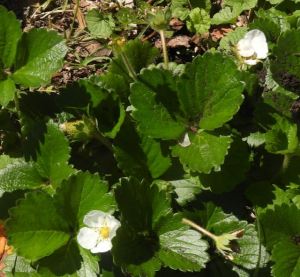
Strawberry: first green fruit and blooms, May 31

Strawberry: 2 shiny new plants, with several white blooms

Blueberry: the two small bushes planted last year have returned, and with tiny fruit on one, but these bushes have not yet flourished or expanded–they are works in progress

Zucchini, Mint, Tarragon, mild and hot Peppers,, Strawberries, Rosemary, Basil, Oregano, Nasturtium, Crookneck Squash, May 29

Herbs

New plants: Italian Basil, Tarragon, Dill, Nasturtium, all healthy and growing

Returners: Chives, Oregano (really spreading), Mint (spreading)

Prognosis for the entire plot: From April 25 to May 20, the weather was mostly dry, with no more than 1.5 inches of rain, plus what we added with hand watering, so plants were rooting but growing slowly above surface, except for the returners, almost all of whom had expanded significantly.

Then the rain. On the day we left for our trip, May 21, the heavy rains began across the Mid-Atlantic and Southeast US, with close to 3 inches of rain on our plot for the week. Since we’d been gone, we couldn’t monitor progress and we feared that a few of the plants might founder in the deluge.  But no worries. When we got back on the 28th, everything had grown at least a little, all were healthy, and some, like the Zucchini and Tomatoes, had at least doubled in size. The colorful bloomers were magnificent.

So at this point we have high hopes. We’re looking forward to more Bees, Bumble Bees, and Butterflies, and to a steady, but not overwhelming rainfall.  Fingers crossed.

Aster, Tomatoes, Hibiscus, Buttercups, Petunias, Dianthus, Coreopsis, Blue-eyed Grass, Oregano, Coneflower, Dill, May 29

***********************************************************

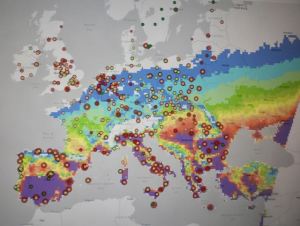
Europe heat map, setting records, May 30 (United Nations photo)

Climate Log: Extremes of Heat, Drought, and Rain

A few items from the many possible stories this May, with links:

1. Record-setting heat waves across Europe

Associate Press: “Think It’s Hot Now? The Next Five Years Will Smash Records, UN Says”

Scientists blame the intensifying melting of the polar ice caps for the massive heat dome covering Europe from the Arctic nations to the Mediterranean (see map above). All of these changes to the environment are the result, scientists agree, of the burning of fossil fuels intensifying the portion of heat-trapping carbon in the atmosphere.  Fortunately, if there is any good news here, it’s that Europe’s rapidly growing transition to solar power is bringing down the cost of energy for cooling.  But the turn to renewables like wind and solar will need to intensify further if the heat records are not to continue being set.

2.  Corpus Christi, Texas, facing a water emergency.

3. Massive Fish Kill in Atlanta River Caused by Drought, Intense Rains, Flows of Pollutants and Sewage into the Chattahoochee

Just two days before we arrived in Georgia for the graduation celebration for our granddaughter, torrential rains in the drought-plagued region overwhelmed the pollution control system and sent into the river that flows around Atlanta the toxic mix of multiple pollutants and sewage that had built up during the drought. One result was the death of thousands of fish. Another was the threat of ongoing damage to the water system as these extremes of drought and flood will continue as long as fossil fuel companies retain their dominance in energy generation in the US.

**************************************************************************************

Three Honeybees feed on Oakleaf Hydrangea blossoms east of the lake

The May 2026 Photo/Video Gallery

Because of our travels during the last week of the month, this May’s gallery presents photo art from our local lake refuge and from the sites we visited in Georgia, Virginia, and Maryland.

Snowy Egret–first sighting here!–by the lakeshore, sunny May 28 (Photo by Pat Welch)

Double-crested Cormorant scans from branch on dead Oak, east bank, sunny May 29

Our first Yellow Tiger Swallowtail of the year alights amid Poison Ivy on the east bank, May 29

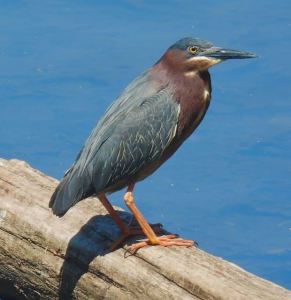
Green Heron, first of the year, on log in southeast cove on a warm, sunny afternoon, May 5

Cardinal male chirps and flits on south bank of lake, windy, sunny May 7

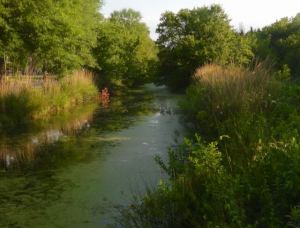
Swale, reeds, and plant array in refuge we visited in Easton, MD, May 28

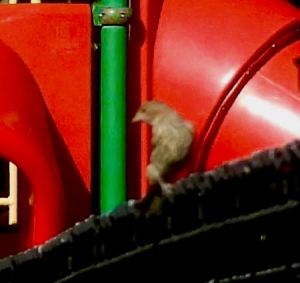
Female House Finch perches by playground slide, east side of our lake, sunny afternoon, May 29

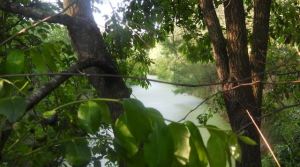
View of swale through Persimmon tree, refuge in Easton, MD, May 28

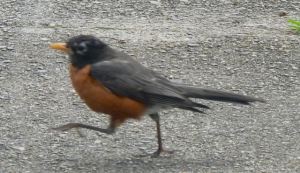
American Robin struts on street in Historic Downtown of Petersburg, VA, May 26

Red-winged Blackbird chirps atop Silver Maple in refuge in Easton, MD, May 28

We passed farmsteads like this one on the Eastern Shore of Virginia, near Accomac, May 27

Cherokee Capital plaque outside Visitor Center, New Echota State Park, Georgia, May 22

New Strawberry plant, 3 weeks in, garden plot, May 28

Tufted Titmouse atop dead Willow Oak, east bank of our lake, May 8

Snapping Turtle, stem to stern, lurks near the northeast shore of the lake, sunny, warm May 5

Common Grackle takes wing from Red Maple in refuge, Easton, MD, May 28

Uncommon Vesper Sparrow in shadow in Porcelainberry vines north shore of our lake, sunny May 7

Savannah Sparrow in dead Willow Oak, east bank, warm May 5

Rare Purple Finch in dead Willow Oak, east bank, windy May 7

Mockingbird atop Red Cedar, northwest corner of lake, cool May 14

And on to June, in hopes of further creative and beautiful adventures…
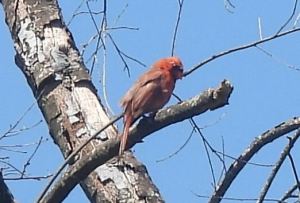
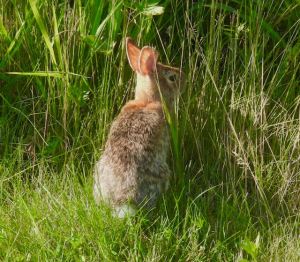
Red-eared Cottontail about to enter the wonderland of reeds along our north end path, sunny May 29