August 2022: Being New in an Old Place

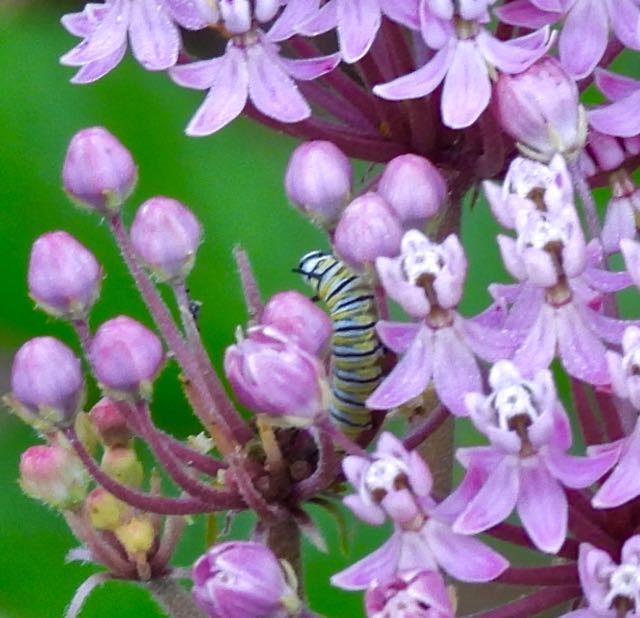
lake cameron edge monarch caterpillar on swamp milkweed aug 19 2022 - 1

Monarch caterpillar in swamp milkweed, beside Cameron Pond

Chris:

Or is it old in a new place? It’s been 16 years since we moved from Virginia to California, and now we’re back. Sure, we’re older, 70s versus 50s, and sure, we’re living in a different city than we were in 2006, so yes, we’re old in a new place, discovering the many experiences this town has to offer.  Our wonderfully full, energetic years in Northern California have sparked our imaginations and sense of adventure, so now that we’ve come back to Virginia, we’re new and ready to immerse ourselves in a region where we already feel comfortable.

It feels good to be new and old at the same time.

Jean and I have this great double consciousness of life in Northern Virginia. We keep recalling roads we traveled; stores, schools, parks, and restaurants we frequented; big and small events in our former lives and in our children’s lives. The feelings come back, and we are momentarily living in the past. But almost in the same moment we wonder what that place is like now–how has it changed? does it still exist? what has replaced it?–and we get the desire to revisit and see for ourselves. 

In a few months we’ve barely scratched the surface, but already we have discovered some new destinations–the welcoming local public library, two thriving farmers markets, walking paths around small lakes, several nearby restaurants–Greek, Vietnamese/French, Southern BBQ, Peruvian–that promise to become go-to spots. Some of these are places brand new to us; others, like Lake Anne’s Washington Plaza (below) are places that we knew of in the past but are only now getting to know.

lake anne washington plaza aug 19 2022 - 1

Restaurants at Washington Plaza, Lake Anne

Meanwhile, places that we knew well in our former lives vary between the gone forever, the barely recognizable, and the pretty much the same. The restaurant where Jean and I had our first date? Swept away in the past couple of years by multi-story construction that still goes on. My old high school? Part of the shell remains, but it and the athletic fields around it are becoming the “Boulevard VI Mixed Use Community,” wherein the old school building (1935) shall be reconceived as–get this–“retail space.” The Little League fields where our children, now with children of their own, played exciting games and I coached? Still there and still thriving, I’m told, though when we recently tried to drive there, I realized that I’d forgotten the way.
The California Effect

Adding to the newness is the impact that our years in the West have made on how we see ourselves and this Virginia to which we have returned.  
Having lived and gardened in the dry and drier Sacramento Valley, I know that California’s famed agricultural abundance comes only through ingenious and constant planning to make miracles happen with limited water. Every day, the weather shouts at NorCal residents to pay attention to nature and humans’ role in shaping–and saving–it. So as I look back on who I was as I grew up and built a family and a career in Virginia,  I’m struck by how little attention I gave to the fragility of nature. I, and everyone I knew, just took lush greenness for granted.

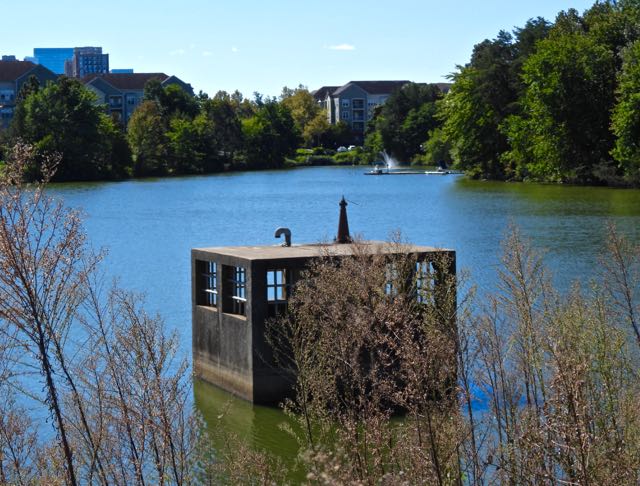
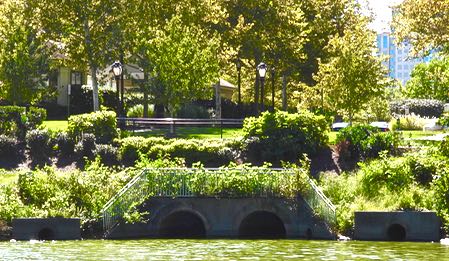
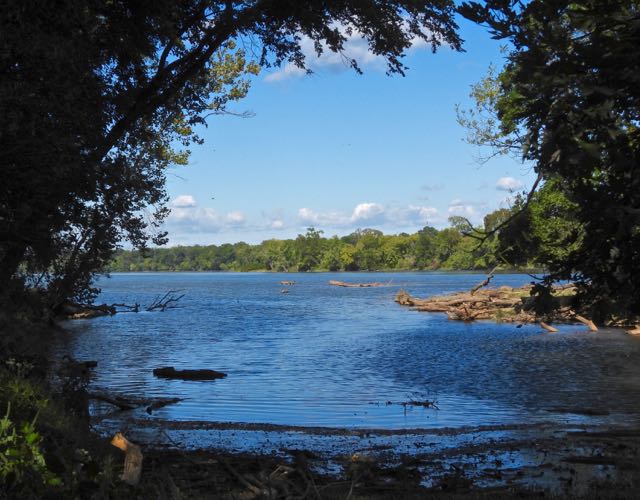
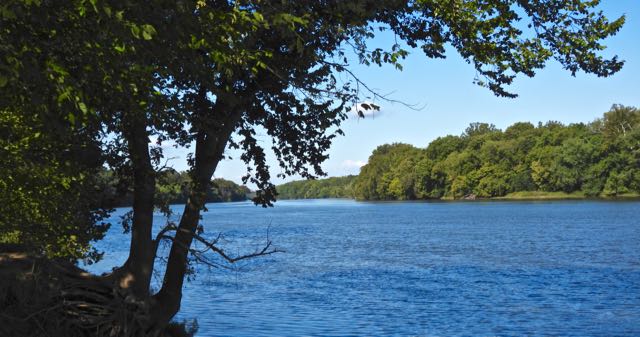
Why? Because Northern Virginia is blessed with an abundance of fresh water, which pours down from the skies several times per week. Our city, Reston, features gorgeous lakes (actually reservoirs) fed by streams that meander into the Potomac River about 8 miles away. I can’t imagine anyone in the Potomac Valley taking this bounty for granted, though I blissfully did so for many years.
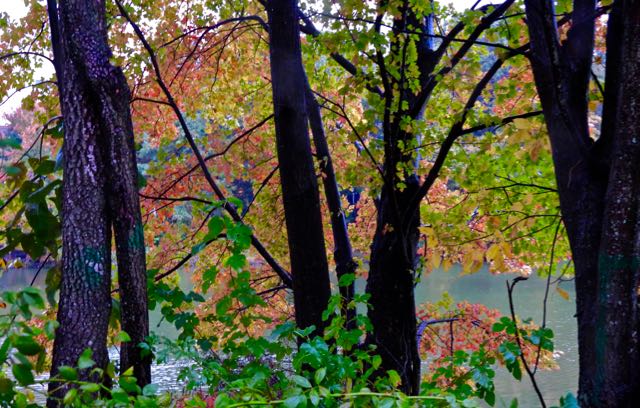
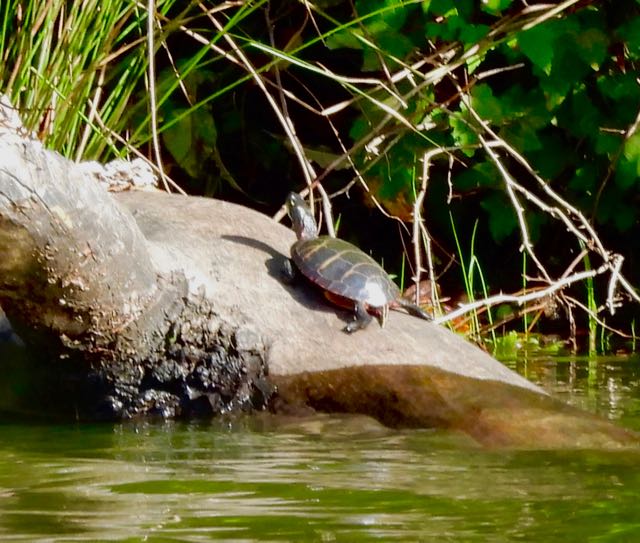
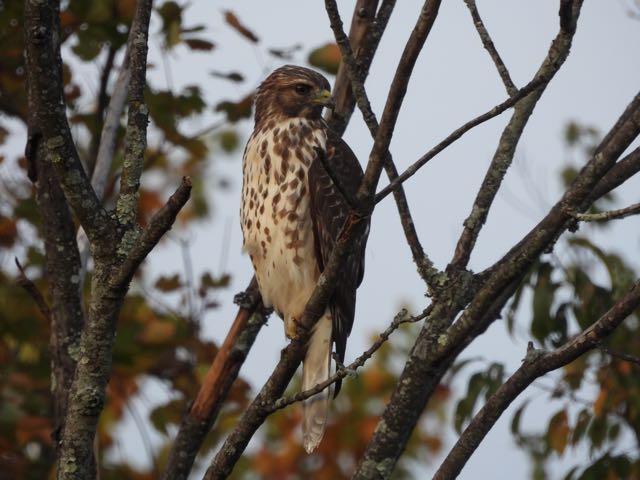
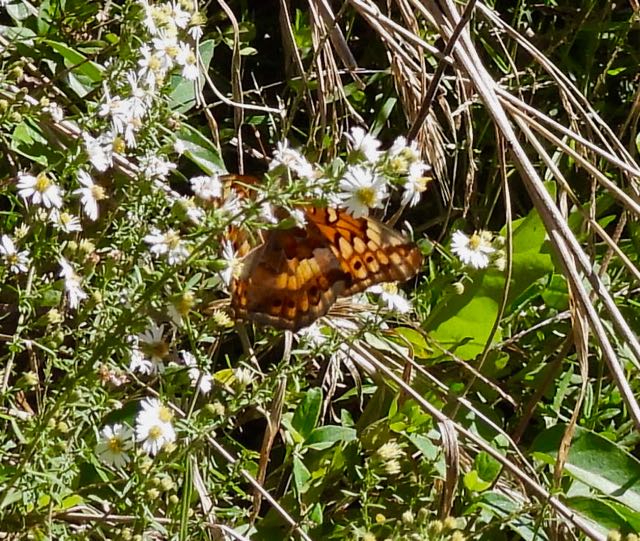
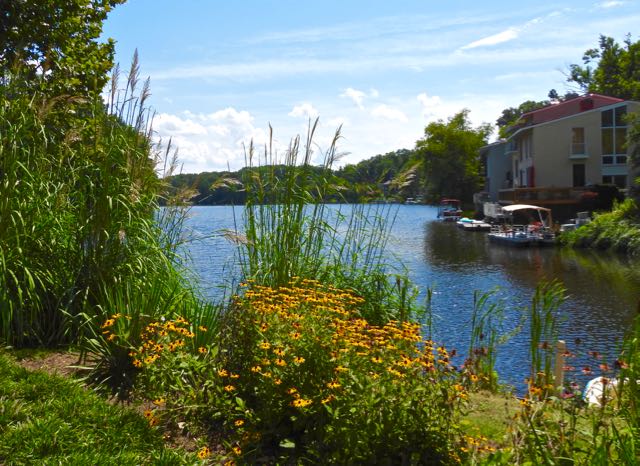
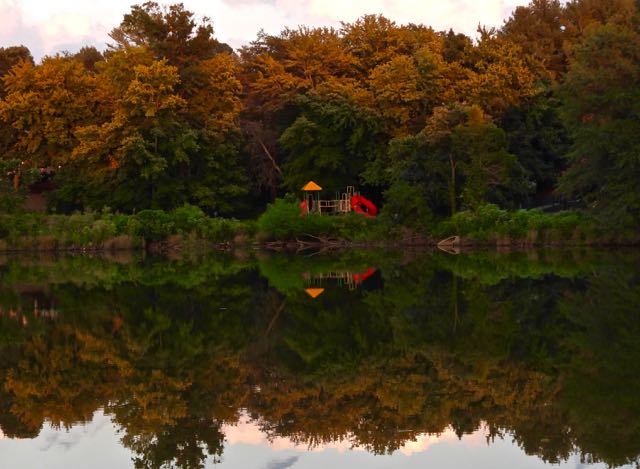
Now I, with my California eyes, am totally in love with this liquid largesse. I can’t take enough pictures of the small lake next to which we live. The burgeoning array of wildflowers, grasses, and trees that line the lake bank mesmerize me, as do the turtles, fish, and small mammals that thrive on, in, and beside the water. I revel in the miraculous choirs of birds, insects, and frogs that sing ’round the clock.

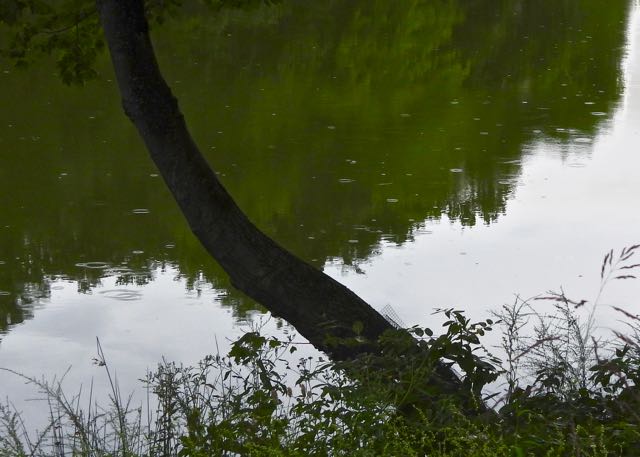
lake cameron gentle rain aug 21 2022 - 1

Gentle rain on Cameron Pond


lake anne inlet black eyed susans aug 19 2022 - 1

Black-eyed susans by Lake Anne


lake cameron edge bumblebee on downy yellow false foxglove aug 19 2022 - 1

Bumble bee on Downy Yellow False Foxglove


lake cameron edge bumblebee monarch caterpillar on swamp milkweed aug 19 2022 - 1

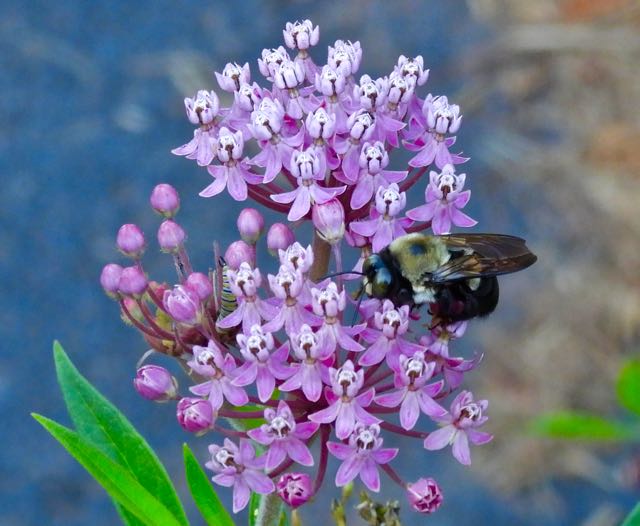
Bumble bee and monarch caterpillar on swamp milkweed


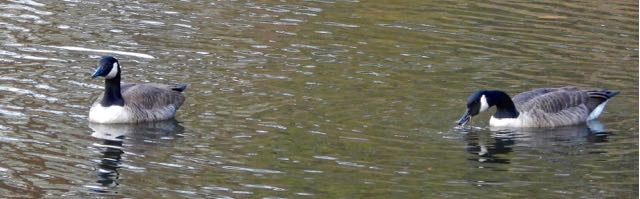
lake 3 geese young heron near lake's edge aug 17 2022 - 1

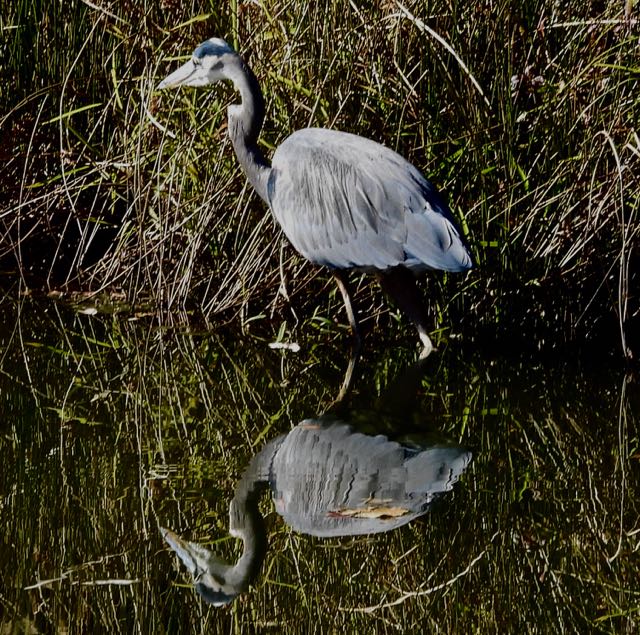
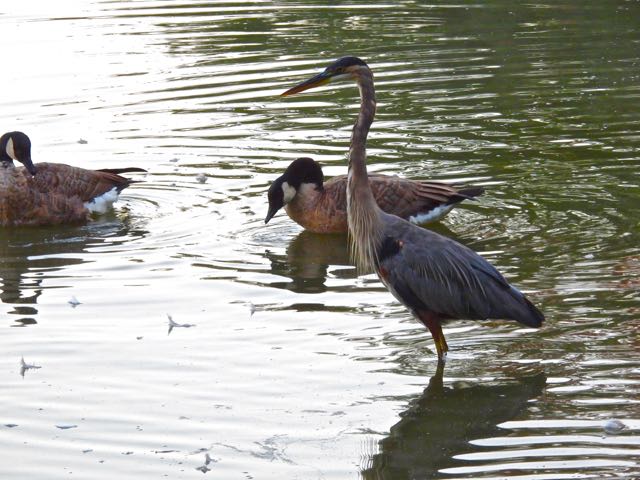
Canada geese and young blue heron


lake cameron edge goldenrod ladybeetle horizontal aug 17 2022 - 1

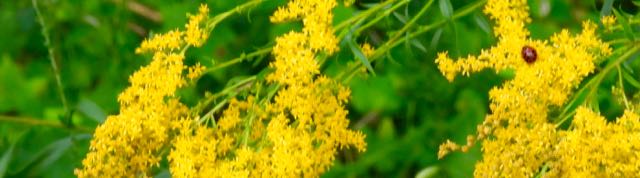
Goldenrod and ladybeetle


Two turtles scout along Cameron Pond aug 19 2022 - 1

Two turtles scout along Cameron Pond

A happy and generous rest of August to you. See you with more stories and pics in September.

June 2022: Leaving the Garden

garden dragonfly closeup on tomato cage may 27 2022 - 1

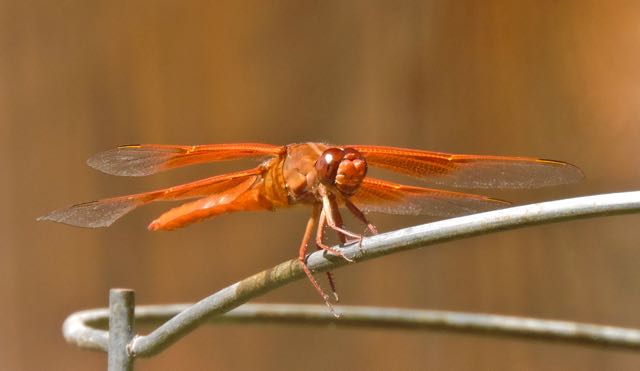
Flame Skimmer Dragonflies love to perch on the tomato cages. Note the pollen clinging to the dragonfly’s legs.

That was the beauty of nature–always a step ahead, privy to a joke he did not know, a riddle with no answer.
                                                            (Nathan Harris, The Sweetness of Water, 2021)

This is a month of change for us. After 16 years in California, 15 of them in this home and garden, we are bound for a return to the East Coast in July. The grandchildren, of whom we so lovingly speak in this blog, are growing up, just as well-cared-for plants do, and we want to be closer to them and their parents as they grow in their own gardens.

Over the past two months, we’ve spent time in the East, and have established a modest residence there in Virginia, where we lived for many years before our westward move. Jean is already there making our new home. We’ve begun to say goodbyes to the people and places we’ve grown attached to here. Of course, it’s not really goodbye. In our electronically interconnected world, we are almost constantly in touch–what a beautiful phrase!–through our FaceTimes, Facebooks, emails, texts, and phone chats. So we will always be living in many places at once, as long as we have the will and interest to do so. If we want to stay in touch, we can. And I hope we will.

But what will happen to this home we’ve known? Especially to this 2000-or-so square feet of ground that I have dwelt in daily for 15 years, tending–digging, planting, feeding, weeding, trimming, and harvesting? I’ve grown to love just wandering purposefully through the garden: watching, listening, breathing in the fragrances, marveling at the garden’s surprises and resiliences from day to day.  Communicating, or trying to, with its many citizens who fly in, who stay, who sit upon leaves, who make invisible webs, who clamber underleaves or underground.

This property will pass to other humans, who will have their own visions for it, and what it will become is anyone’s guess.

I think the people who lived here just before us would be happy with how we’ve stewarded the garden. The family from whom we bought the house planted rose bushes that still bloom. They planted the orange tree, the cherry plum tree, the peach tree, the sycamore, and the sweet gum trees, all flourishing.

Of the people who lived on this land before them we know little. This house and those around it were built just before 2000, part of the housing boom that continues today on rural lands that have been aggressively farmed and orcharded since the late 19th century. But before that, it was part ranchland in the short three decades when Mexico held California. Before that, while the Spanish controlled the coast and built their missions in the 18th century, this interior land of snow-fed rivers, floodplain, marsh, and semi-desert was home to the native Patwin, who had been here for thousands of years, co-existing with the thousands of species who also dwelt here and who for eons preceded any humans. Humanless eons way beyond our imagining now.

It’s not easy to think of this garden as a place unto itself, perfectly able to survive and thrive without humans. But I try to remember and to honor those who have come before, and I hope that I haven’t screwed it up too much.

Where We’re Moving

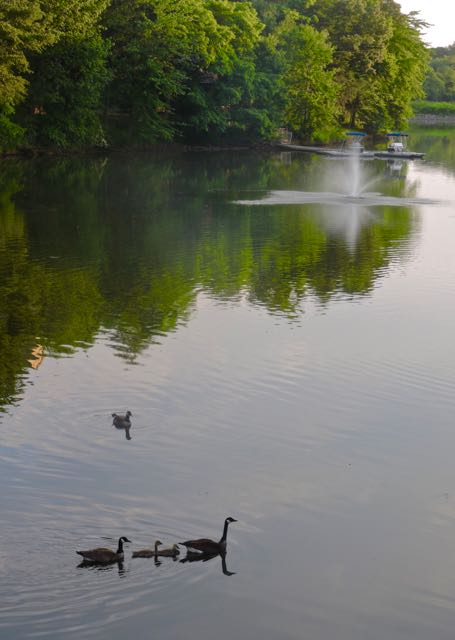
avalon pond canada goose small family and fountain jun 1 2022 - 1

A new old place for us

I’ve referred sometimes in this blog to my difficulty in our early California years of trying to cope with the differences of this Western place from where we used to live. In climate and in what and how to grow things, Northern Virginia is really different from the Sacramento Valley. Rainfall is much more plentiful and is spread out over the year. (In summer, thunderstorms are almost a daily threat, and they can be loud!)

One consequence is that the Virginia air is more humid: so the insects in the air are plentiful in summer, and the temperature range during the day is much less. Where the sunrise temp in the Valley may be 30-40 degrees cooler than the summer daytime high, the sunrise/afternoon range in Virginia may be only 10-15 degrees.  Moreover, winter is a real thing in Virginia. Though climate change has lessened snow fall and the chance of 10 degree days in January, freezing temps and treacherous ice mean winter there.

As a gardener, I’ve become used to year-round growing in the Valley. Full-on spring happens in February. The oranges and lemons are ready to pick in December and just get juicier from January through April. In Virginia? Well, it’s hard for me to remember, because I wasn’t a veggy-fruit gardener there.  But the growing season is short, maybe planting in May to harvest in September. A new adventure for me!

One phenomenon I do know: I learned when I came to NorCal that the hillsides are brown in summer (so dry) and green in winter (during what passes for a rainy season); in Virginia, the hillsides are bright green in summer and amazingly lush (from all the rain), but brown in winter (too cold). I’ll have to relearn those opposites.

Will I Garden There?

That remains to be seen. As a downsizing couple in a thoroughly suburban environment, we won’t have the land there that we’ve enjoyed here, but we’re already accumulating pots. And I’ll be looking for opportunities for more digging, planting, and nurturing. Stay tuned. Meanwhile, we’ll happily take daily walks in the lush greenness surrounding a nearby lake and getting to know the rich variety of birds and other critters who thrive there.

June Garden Update

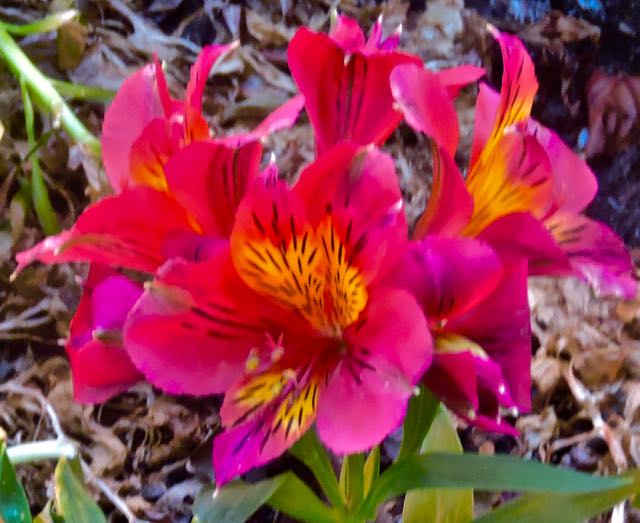
garden side late blooming alstroemeria jun 17 2022 - 1

Late blooming alstroemeria, June 17

It’s a strange feeling to be about to leave this garden.

The summer veggies (only ten plants this year because of the drought) are growing apace, and the perennials (like the alstroemeria, above) and trees go along on their twice-a week watering from the drip irrigation. But when I leave in July their care will be in the hands of others, so I won’t be looking ahead any longer to the changes in their growth, sometimes predictable, sometimes surprising, that have marked my years with them. I won’t be here to photograph their progress, their aging, and to figure out how to deal with the vagaries of a slowly hotter and increasingly drier climate.

Two weeks ago, I made the final batch of my cherry plum jam, an annual June ritual for more than the past decade. I’ve given jars of this last batch to friends, and I’ll be shipping a few to Virginia as a memory of what I did here and of this marvelous tree.

Tomatoes, Peppers, and Zucchini. This final small crop of my tenure here as gardener has been in the ground for just over 2 months, and all are growing as expected, though with reduced water.

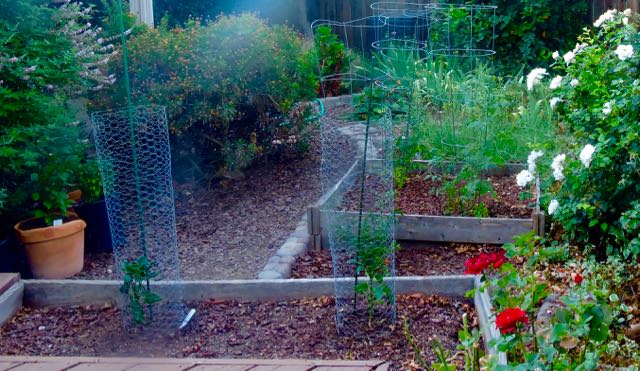
garden back panoto S jun 22 2022 - 1

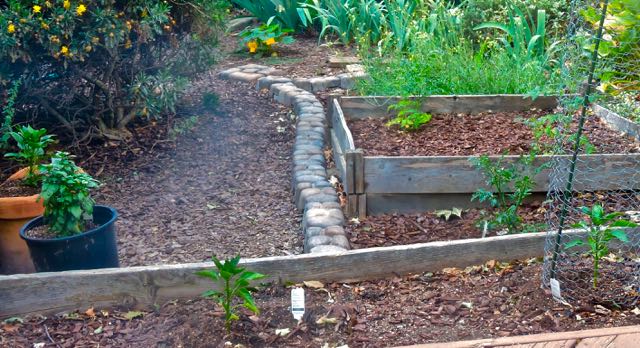
Peppers in near raised bed and orange pot, 5 tomato plants in mid distance; arugula and zucchini farther away

I’ve taken photos of this panoramic view of the back garden every month since the blog began. Always the same and always different.

The tomatoes and zucchini have already produced enough ripe gems for me to use in stir fries, omelets, and sandwiches.

A June 2022 Gallery (for More Memories)

And so on to July, with who knows what surprises, including for this blog…

May 2022: Creating Beauty, Saving Water

garden bee nestled in poppy flower may 13 2022 - 1

Bee nestles in a poppy flower, front garden

In this month’s blog:

Garden Update: Growth and Beauty Amid Drought

May Kitchen: Wine Country Potpourri and Italian Arrabbiata

The May 2022 Gallery

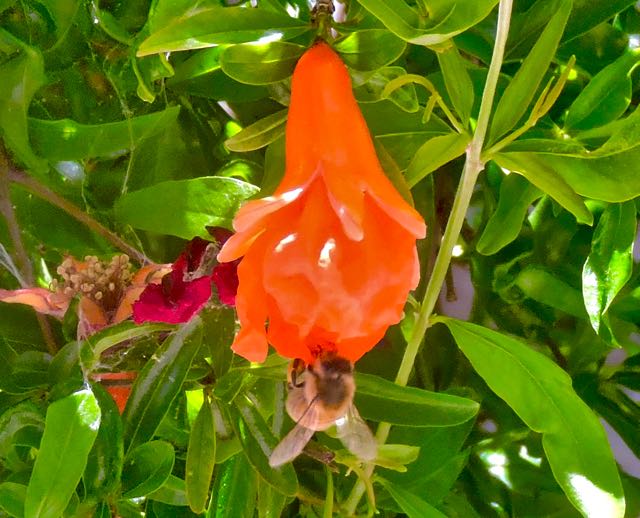
garden back bee on pomegranate flower may 2 2022 - 1

Bee on pomegranate flower, back garden, early May

Boom and Bust as the Drought Goes On

Screenshot_2022-05-15 The Sacramento Bee

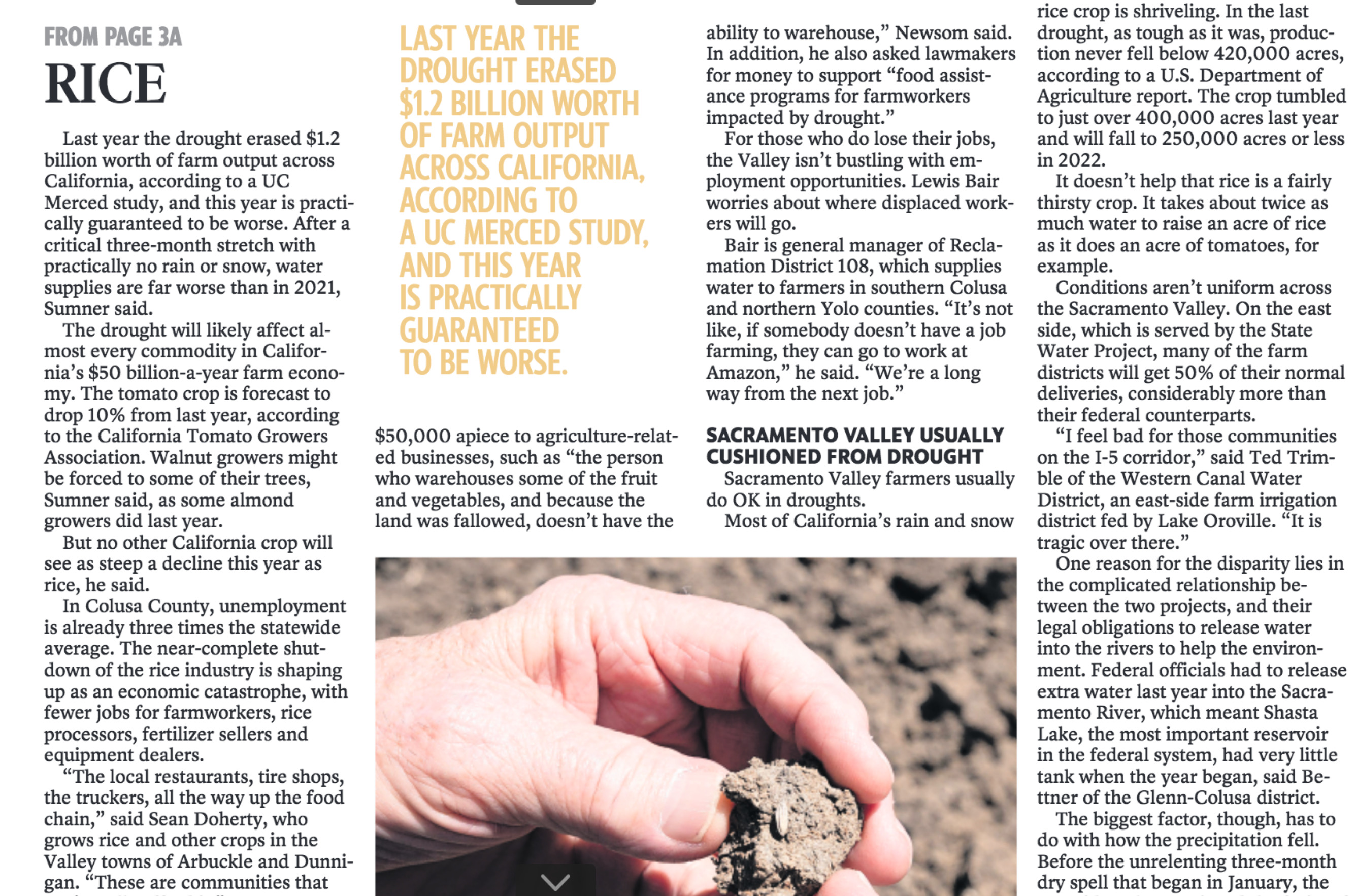
Screenshot from the Sacramento Bee, May 15: Dale Kasler, “Ground to a Halt: Drought Forces Rice Farmers to Cut Crop and Let Fields Lie Fallow”

Why boom and bust?  Well, the “bust” part of  drought is obvious: less planting by farmers means less income for farms, unemployment of farm workers, and potential shortages of food that affect everyone. This is already occurring in many countries.

Screenshot_2022-05-17 Today's edition of The Sacramento Bee is online now - cjthaiss ucdavis edu - UC Davis Mail

Screenshot, Sacramento Bee, May 17

Add in higher risk of wildfires, more contamination of the air, higher costs of available water, and on and on. As climate change continues to reshape our world, droughts across the continents continue to increase the number of climate refugees seeking a watered place to live. Meanwhile, the death toll on all species–all of whom need water to survive–gets worse and worse.

So what might possibly be the “boom” inspired by drought?

I’m talking about the “boom” in creativity and learning by all of us when we try to adapt productively to the drought. For those in neighborhoods like mine, this can mean, for example:

  • Homeowners and landlords giving up their water-wasteful lawns in favor of colorful, drought-tolerant plants native to their regions–these also attract and sustain pollinators
  • Getting exercise with a broom, instead of wasting precious water from high-pressure hoses to “clean” walks and driveways
  • All citizens adhering to water-use restrictions in their localities–and encouraging family members to work together to think of water-saving ideas (like short showers; using the stopper in bathroom and kitchen drains instead of just letting the water run; visiting commercial car washes that use recycled water, and other good ideas you can think of)
  • Actually reading our water/sewer bills so we can set targets and monitor results

Garden Update: Growth and Beauty Amid the Drought

This 1-minute video showcases the sounds and sights of the garden on an early mid-May morning. My thanks go to a scene-stealing bee, our hearty arugula, and one of our really egocentric Western scrub jays, plus our next-door neighbor’s border collie, and, of course, our daily choir of mockingbirds and warblers, for making this neighborhood an exciting, musical, but still pretty peaceful, home.

garden back peppers basil tomatoes zucchini at four weeks may 23 2022 - 1

Four weeks after planting in late April, the 10 tomatoes, peppers, zucchini, and basil are thriving in reduced water.

Saving Water? So far, so good. Our April water usage was 33% lower than in April 2021. Cutting back on new veggy plantings (from 22 to 10) seems to be working.


Apricots. I’m thankful for their return this year! This is their month, with the ten-year-old tree teeming with hundreds of rapidly ripening fruit. I’m going to try an apricot pie (wish me luck!) or maybe two! There’ll also be dried apricots for the freezer, freshly-picked ones with ice cream, and snack fruit gobbled right from the tree. There’ll be plenty to give away, of course, but there’ll also be more for the birds, as well as plenty of the fallen ones to nourish the ground for next year’s crop.

Last year we had almost no apricots, because of high winds and a rainless January-February2021 that stunted the early growing season. So this year’s bumper crop is a true gift.

Oranges and Lemons

garden back meyer lemons teem on bush may 21 2022 - 1

Meyer lemons in the back garden

  • At end of March, I refrigerated  the final 50 oranges from this year’s crop, to use for juice in April and May. They stayed fresh and delicious.
  • From now through June and July, I’ll be juicing for lemonade the many ripe meyer lemons still on the bush, even as the tiny lemons for next year’s crop begin to mature.


Peaches, Cherry Plums, and Blackberries

All three of these are ripening and will be ready for harvest soon: the blackberries in late May and early June, the cherry plums in June, and the peaches in July. The tangy cherry plums will be jarred for jam, while the small crops of blackberries and peaches will go into desserts.

Tomatoes, Peppers, and Zucchini

The ten plants have now been in the ground for almost a month. They are growing on schedule: tiny yellow flowers have appeared on the 5 tomato plants; the 3 mild peppers are getting taller and are just beginning to show small buds; the 1 zucchini has tripled in size and has already shown 3 large yellow flowers! The one herb I planted–sweet basil–has quadrupled in size and has already provided aromatic leaves for the dishes described in the kitchen section below.

May Kitchen: Wine Country Potpourri and Italian Arrabbiata

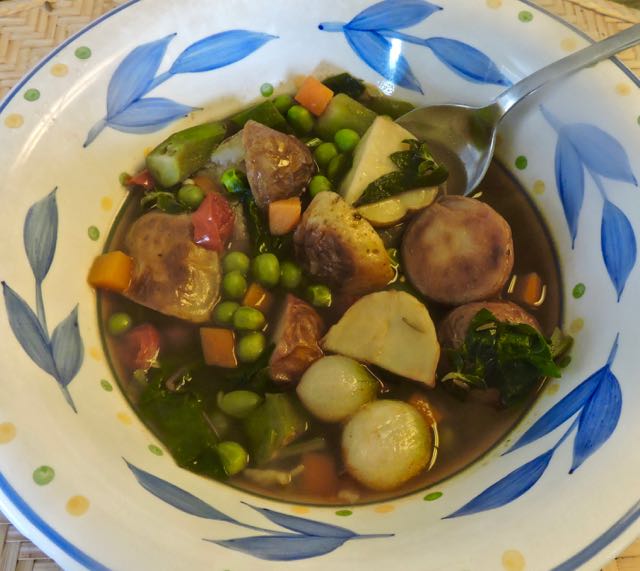
kitchen wine country potato vegetable soup in bowl may 6 2022 - 1

Wine Country Potato Vegetable Soup

It’s too early for tomatoes, peppers, and zucchini from the garden–we just put them in the last week in April. But there’s chard and arugula still growing in the garden from last year, plus perennial herbs like Greek oregano, lavender, rosemary, and sage, as well as last year’s hot peppers from the freezer. So there’s a start for two dishes, both hearty soups.

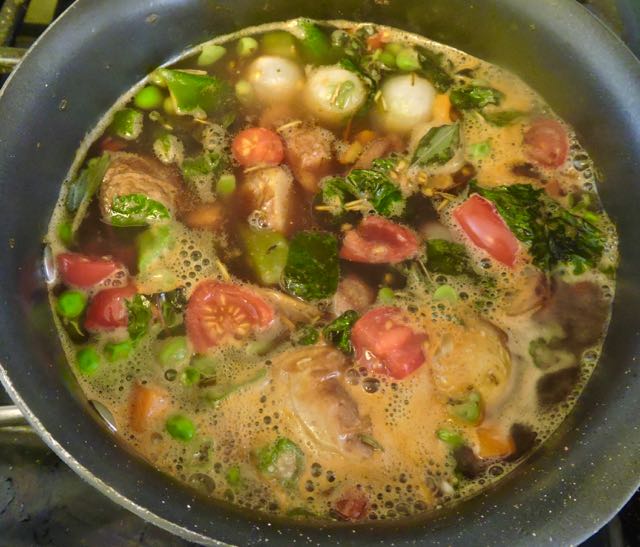
The first I called a wine country potato vegetable soup–a true potpourri for a coolish afternoon in early May.

The second I called Italian Arrabbiata, made in the middle of the month with more leftovers and a few different garden herbs.

Everything else is leftovers from the fridge, like the tiny baked potatoes from a baked salmon dish earlier in the week and cherry tomatoes from the store. There are also freezer finds like half bags of pearl onions, peas and chopped carrots, sliced peppers and onions, and even okra. As always in our kitchen, we use what we have and make it work. Nothing goes to waste.

Here’s my process for the wine country potpourri:

  • In enough water to make a veggy broth, bring the frozen ingredients to a slow boil until tender.
  • Add in the leftover potatoes, cherry tomatoes, and chard/arugula to heat through on simmer.
  • If you wish, add in enough chicken broth to boost the flavor.
  • Season to taste with herbs on hand (I used just the oregano in this dish).
  • For a classy touch of flavor and color, add 1/4 cup (or so) of red wine (I used an open bottle of a Sonoma Bordeaux blend).
  • Season to taste with salt, black pepper, garlic salt, and hot pepper sauce (I used a bit of sriracha on hand).
  • Keep tasting and adjusting seasonings until you get the flavor how you like it.

Total prep and cooking time was about 30 minutes. In the small saucepan I used, all of these ingredients made 4 healthy servings.

kitchen wine country potato vegetable soup cooking may 6 2022 - 1

Wine country potato and veggy soup on the stove

Italian Arrabbiata Soup

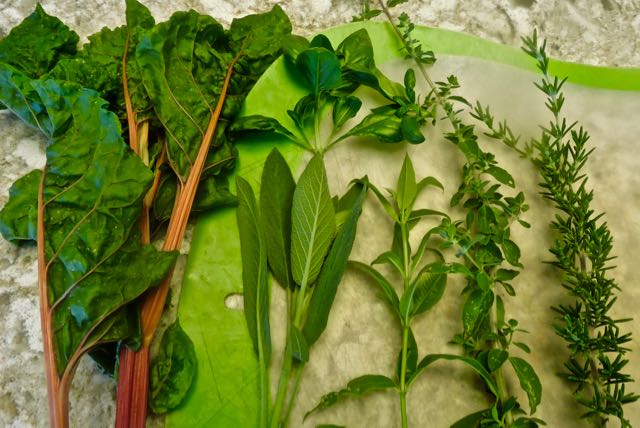
kitchen chard culinary sage basil lemon verbena oregano rosemary may 17 2022 - 1

Garden goodies for Italian Arrabbiata Soup: chard, basil, culinary sage, lemon verbena, spicy oregano, rosemary

  • In a small skillet, sautee frozen mild peppers, onions, and sliced small potatoes with garlic in EV olive oil until onions are translucent and potatoes slightly softened.
  • Fill a large saucepan half full with water, add in rotini or penne pasta (about half of a 12-ounce box), and bring to boil. Then cook on low heat until pasta is slightly soft.
  • Add in the peppers, onions, and potatoes and keep cooking on low.
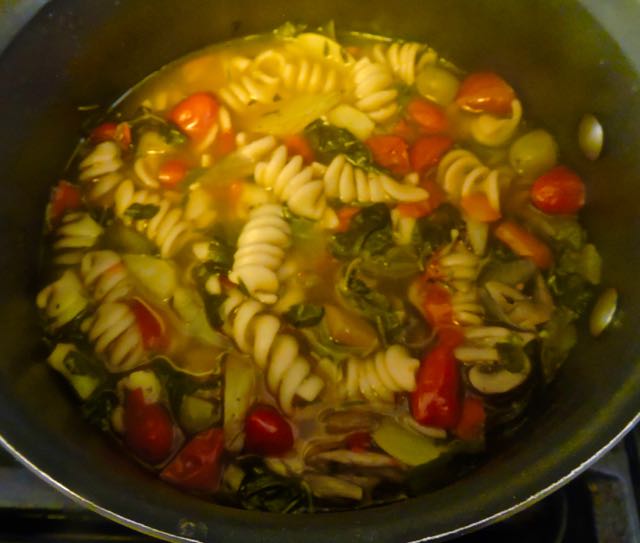
  • Add other ingredients as desired into the cooking mixture. I used leftover cherry tomatoes (chopped in half), chopped chard from the garden, green olives (chopped in half), and the range of garden herbs (chopped) shown in the photo above. I also added some marinated mushrooms that I had on hand.
  • Add chicken or veggy broth for flavor, as well as 1/4 cup (or more) of red wine. I also added in the brine (about 1/4 cup) from a jar of green olives–one of my favorite flavors.
  • Season to desired taste with salt and black pepper.
  • For the arrabbiata spice, use your favorite hot pepper, either chopped or in pepper sauce. For this dish, I used 2 finely chopped serrano peppers, including seeds, that I had in a bag in the freezer from my 2019 crop. Arrabbiata is Italian for “angry,” or in this case “spicy hot.”
  • Keep cooking on low until the potatoes are soft and the pasta has reached desired softness.

My total prep and cooking time was about an hour. The result: six or so hearty servings.

kitchen italian arabiatta soup may 17 2022 - 1

Italian arrabbiata soup on the stove. What an aroma!

The May 2022 Gallery

The garden creates–June awaits.

April 2022: Spring Planting as the Drought Goes On

garden side red yellow rose closeup apr 3 2022 - 1

red yellow rose, side garden

In this month’s blog:

The Drought: What Are You Thinking?

Spring Planting? A Partial Yes

April 2022 Gallery

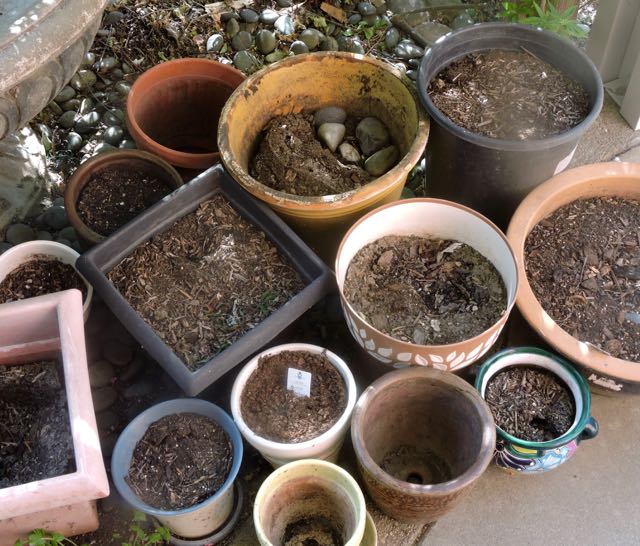
garden empty pots grouped apr 26 2022 - 1

No plantings in these pots this year

About the Drought–A Few Views

One: The Metropolitan Water District in Southern California took the unprecedented step this week of requiring 6 million residents in Los Angeles, Ventura, and San Bernardino counties to reduce outdoor watering to one day a week in response to the ongoing drought, now in its third year (LA Times, April 27).

Two: I drove to the LA area on April 22 to visit our two children (and their significant others) who live there. As I drove on Interstate 5, I was assaulted as always by the many signs and billboards that line the highway proclaiming the supposedly unfair treatment by state government toward the large farmers and ranchers whose properties dominate the Central Valley. Year in and year out, regardless of the plentiful or meager rainfall across the state, the demand on these billboards is always the same: give us more water–more, more, more. “Build more dams.” “Don’t let so much water reach the ocean.” “We grow food! We need more water!”

There’s never any recognition by these growers that anyone else needs water. Never any recognition that there is a drought, and that everyone has to get by with less. That agriculture uses roughly 80% of all the water in the state (CA Dept. of Water Resources) is taken for granted by those who plant the signs. The chant is always the same. No one else matters.

Three: I asked one of the folks I visited in SoCal if they ever thought about the drought. The person answered, “Not for one second.”  This was said apologetically, as if they knew they should be more concerned, or maybe just that they knew my point of view. I appreciate the honesty. I also appreciate that if I spent, as they do, 2-3 hours per day dancing in the bumper-to-bumper ballet of traffic on “the 405,” I might not be thinking about drought either.

Four: Instead, I live in the middle of a garden that I take care of. How can I not think about drought?

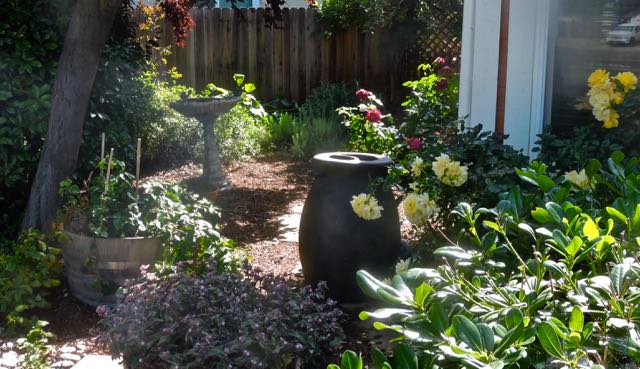
garden side rain barrel and flowers blackberries apr 27 2022 - 1

Panorama from front to side garden, with one of three rain barrels at the center

Spring Planting? A Partial Yes

By not planting fall-winter veggies in 2021-22, I cut my household water use by almost 40% compared to 2020-21, roughly 700 gallons per month between October and March. This decline also included reduced watering (drip irrigation) of the rest of the plants in the garden.

I speculated last month that I might forego veggie planting in spring-summer 2022 as well, if I didn’t see the reduction in water that I’d hoped for in fall-winter. But since the figures give me hope, I’ve decided to cut back significantly, but not eliminate veggie planting altogether.  So here’s the compromise:

2021 (22 pl) 2022 (10 pl)
Tomatoes 7 plants 5 plants
Mild peppers 4 3
Hot peppers 1 0
Zucchini 1 1
Cucumbers 3 0
Eggplant 2 0
Herbs 4 1

I’ll grow slightly fewer than half of what I grew in 2021, and those I’m keeping are my best and most versatile producers.  The one herb I’m planting is sweet basil, which is always prolific and goes so well in dishes with tomatoes and peppers.  Last summer I found that zucchini makes excellent pickles, so I could afford to eliminate the cukes this summer. What about hot peppers? While they are always so colorful and photogenic, I have so many in the freezer that growing more makes no sense.

So we’ll see what difference 12 fewer veggy plants make in water use.

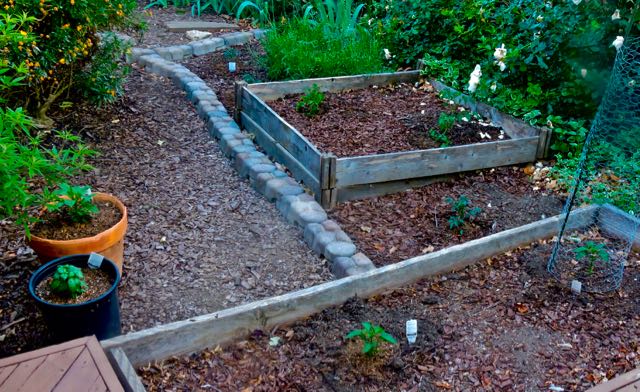
garden back few new veggy plants apr 28 2022 - 1

Fewer than half new veggy plantings in beds this year

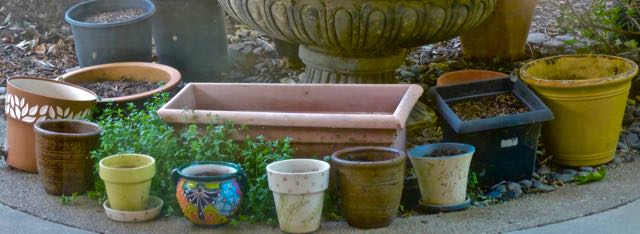
Annual flowers. Oh, I didn’t mention my cutback in annual flowers. Last spring-summer I planted 6 petunias, 6 pansies, and 12 vinca. This week I planted only 6 petunias. Last year’s were hearty, so I have high hopes for this year’s. The pansies are short-timers in this climate, so they were easy to eliminate. But the vinca? Planted in May, they spread fast, last long, and are so colorful that I hate to lose them. But they use a lot of water, so I’ll see if I can stand the sacrifice and all those empty pots.

garden empty pots 2 apr 28 2022 - 1

A Few Other April Updates

Oranges and Lemons. By early April, all but a few oranges (of almost 800 total) were off the tree, and by saving 50 or so in the refrigerator, they continue to provide juice. Meanwhile, new green ones are growing, though next season’s crop looks as if it will be far smaller than this year’s record.

There are still many meyer lemons on the bush, so they will continue to be fuel for lemonade into the summer. The great number of buds last month promises an abundant crop in 2022-23.

Irises. Maybe the strangest development this month is that the three iris varieties in back did not bloom, except for two orange shoots in mid month. This is our first lack of an April iris extravaganza in 6 years.

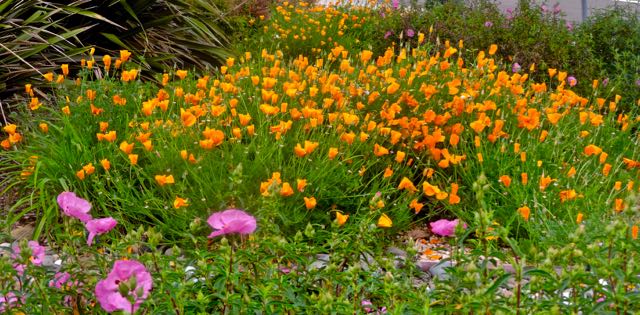
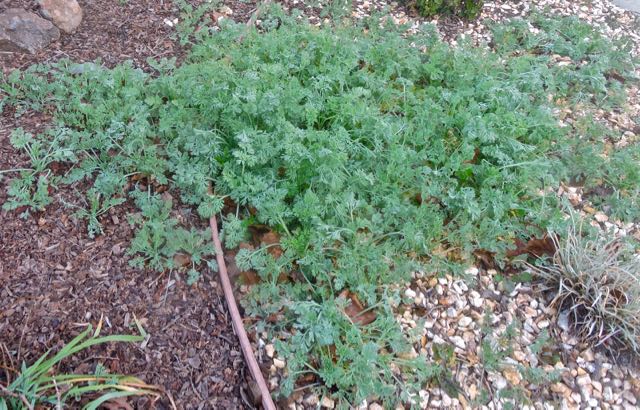
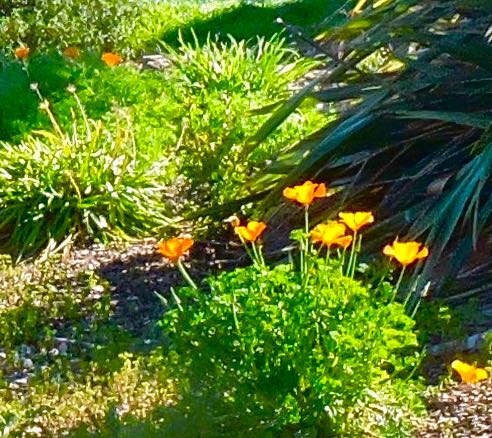
California Poppies. In contrast to the irises, the six poppy plants I put in last summer have been an explosive success, especially the four I planted in the front garden. These native water savers spread throughout the front quadrant of the garden and have made a colorful show to the neighborhood for two months now. How I will deal with this success will be a task for the next few months. Meanwhile, I’m just enjoying it, as are the bees, for whom the poppies are a magnet.

garden front poppy field rock roses mar 28 2022 - 1

California poppies dominating the front garden, with rock roses adding to the colorful show.

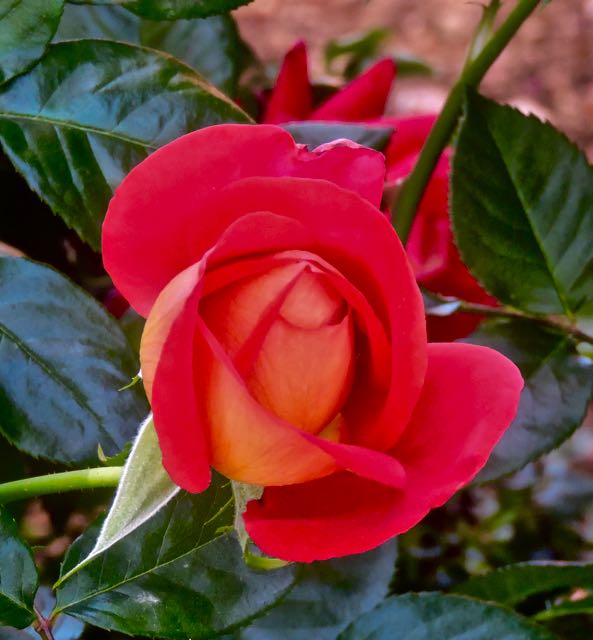
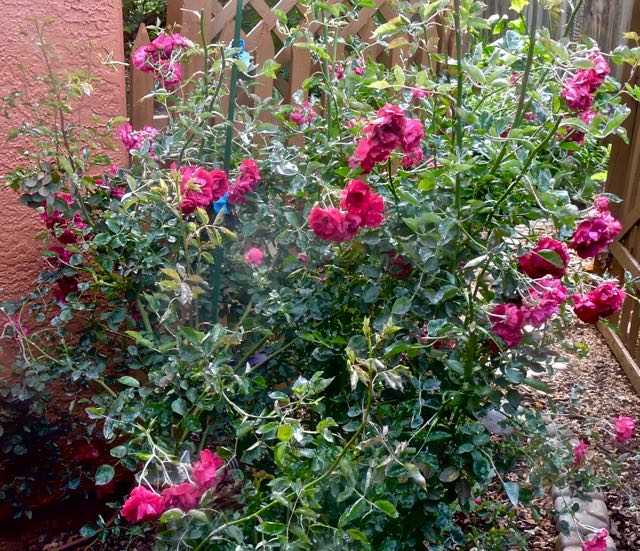
Roses galore. This April has been their month, after a cool March delayed their blooming. The most pleasant surprise has been the mixed thicket in the back garden, with more roses than ever before-including a red flower burst on the almost-dead plant I nurtured back in spring 2021, but which produced no blooms last year. (See the Gallery for more rose photos.)

garden back rose bush by gate apr 21 2022 - 1

Rose burst on bush that I brought back in 2021

Apricots and Cherry Plums. Both of these fruit trees are on track for big harvests in 2022–the apricot next month and the cherry plum in June. In 2021, the dry, windy weather early in the year almost eliminated any harvest of apricots–we had only about 20 fruit, super-low for that tree after several years of 100-300 per season. For 2022, the substantial rain we had in December 2021 gave the tree a great boost early on, so little apricots are all over the tree. Apricot jam and dried apricots are on the horizon for May!

April 2022 Gallery

(Move the cursor over each photo for a description)

And on to May!

March 2022: An Ocean of Orange

garden back honeybee in poppy flower mar 20 2022 - 1

Honeybee in poppy flower, back garden

In this month’s blog:

Swimming in an Ocean of Orange

March Kitchen: Orange Juice! (and More)

Garden Update: Will There Be Veggies?

The March 2022 Gallery

garden purple petunias before oranges mar 2 2022 - 1

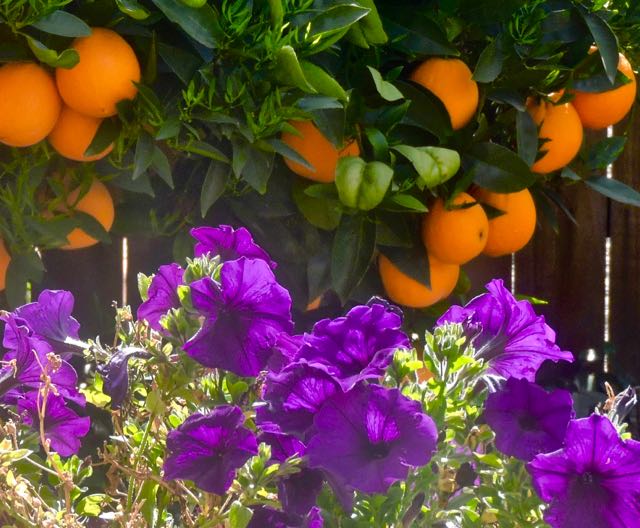
The long-lasting petunias in front of the orange tree

An Ocean of Orange

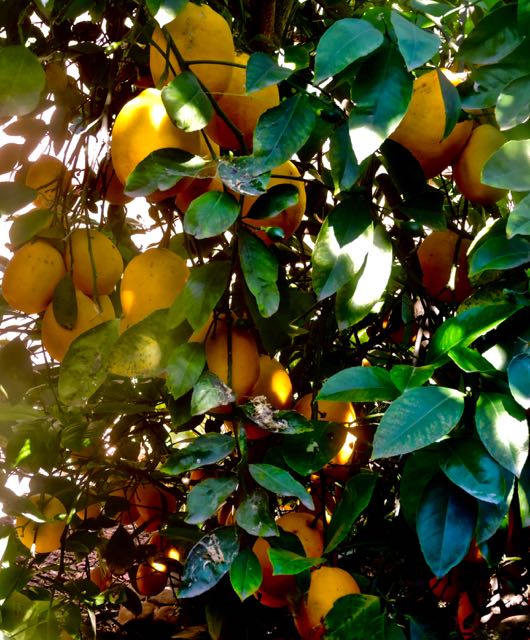
Now this is not to say that we don’t have a rainbow of colors in the garden in this Spring called March, but sometimes the orange explosion has seemed overwhelming. We always assume an abundance of navel oranges in March, but this season’s production from our single tree is a record, by far.

More than 700 oranges have fallen from the tree since late November, and we have picked them up day by day to squeeze for juice, snack on, and give away to neighbors. That works out to more than 35 per week, or, in squeezed-juice terms, about a pitcher and a half per week. Since we clear the ground of oranges each day, very few have rotted. So what have gone into the compost bin have mostly been the squeezed rinds.

700 is close to twice as many oranges as in any other spring. March has been particularly prolific, as the ripe, sweet oranges are falling more rapidly as their harvest season moves toward the end.

Meyer lemons. I’ve noted about the same ratio (2/1) for our meyer lemons in the past two seasons, compared with years past. The lemon bush, much smaller than the orange tree, has given about 250 total in each of the last two seasons.

Moreover, last season (2021) the lemons stayed hearty and strong on the bush through August, way longer than in any previous year. So we had fresh lemonade through most of the summer. This season promises the same delectable pattern.

garden meyer lemon clusters mar 22 2022 - 1

Meyer lemon clusters, late March

garden meyer lemon with many buds and fruit mar 22 2022 - 1

Remarkable profusion of lemon buds while the current season continues…

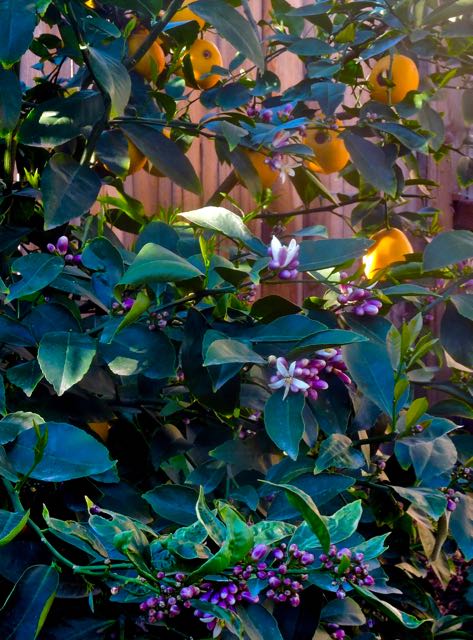
What really stands out about our meyer lemon bush this March is the remarkable number of buds and new flowers (at right). The buds usually arrive in early summer, prepping for fruit for the next season.  What does this very early emergence of buds portend? Another sign of our warming climate?

The Surprising Other Orange. I predicted last month that our first crop of California poppies would burst into magnificent flower in March.

Last summer, I planted six green seedlings, 4 in front and 2 in back. In the dry heat, I watered these hearty fellows for a few seconds 3 times a week. Five grew slowly, one died–I thought. These are spring bloomers, so I didn’t expect flowers until this year.

The 5 little ones stayed small, green, and healthy through the rains of October and December. Then, in late January, tiny clusters of poppy plants began appearing in the sunniest part of the front garden, amid the other green shoots that always spring up after winter rain.  Yes, the poppy rhizomes had spread underground. Most surprisingly, the one plant that had “died” in the summer heat had produced the largest spread. By February, a few blooms had appeared on two of the 5 original plants, but not yet on the largest spread of new plants. Here’s how the largest spread looked on February 23:

garden front new california poppies spreading jan 24 2022 - 1

Blanket of poppy plants spreading

Here’s how it looks now!

garden front poppy explosion mar 18 2022 - 1

Poppy profusion in sunny front garden

And here are views of the two plants in the back garden:

I’m swimming in an orange ocean, and enjoying every minute.

March Kitchen: Orange Juice! (and More)

kitchen glass of oj with slice 3 mar 23 2022 - 1

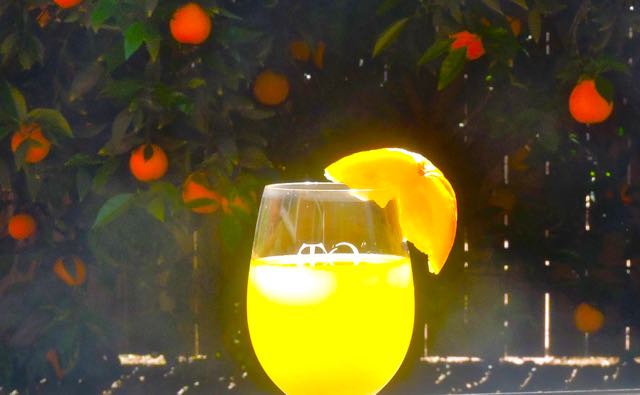
Fresh-squeezed orange juice–and its source!

When we have so much citrus, especially our cascading oranges, we have to think of ways to use them. Over the years, as noted in earlier blog entries, orange chiffon pies and orange juice as ingredient in different desserts, soups, meat dishes, and salads have been featured. But orange juice itself is the staple, and we don’t seem to get tired of this sweet, tangy beverage for breakfast or lunch. It also goes great in teas.

Of course, orange juice as a component with various whiskeys, beers, and liqueurs is also a favorite, as is the ever-popular mimosa, made with champagne or other bubblies. At a recent dinner with friends, we served champagne mimosas with appetizers, and the juice drink–whether with the champagne or by itself–perfectly complemented the cheese, crackers, and spreads.

A Simple, Colorful Spring Chili

kitchen chili with extra olives and tomatoes mar 21 2022 - 1

Chili with extra olives and tomatoes

No surprises here, if you’re a chili lover. I use ground turkey, sauteed with onion and garlic until the onion is translucent in a large skillet. Then I pour in one or two cans of beans (I used one can of pintos and one of black beans) with the sauce from the cans included for taste and volume. Then a can of yellow corn and a can of diced tomatoes (I used basil-flavored), again including the liquid from the cans to make a rich flavorful sauce.

Your personality in this dish comes through the seasonings and the ingredients of the sauce. To all the flavors noted above, I added a half cup of red wine and quarter cup of olive brine from the jar, as well as a dozen manzanita olives, cut in halves. I salted to taste with some garlic salt, threw in 20 tiny leaves of spicy oregano from the garden, and ramped up the heat with two of our Fresno chilies, finely-chopped, that I liberated from the bag of home-grown hot peppers in the freezer.

All of this I simmered for about an hour on low heat, until all the flavors melded and the sauce cooked down, so the mixture was more stewy than soupy. Before I served it, I chopped into my bowl a few more olives and some fresh tomato, then heated it a bit more (30 seconds) in the microwave with a grated Mexican cheese blend that melted over the whole concoction (see photo above).

All the ingredients filled up the large skillet, and made enough chili for several days of meals. If you try to make this chili for yourself, feel free to show your personality in whatever you choose to pour into the skillet!

Garden Update: Will There Be Veggies?

garden back pano to S empty beds mar 13 2022 - 1

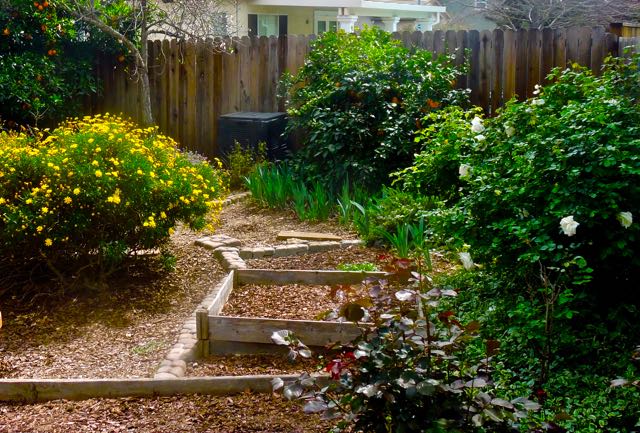
Back garden, with orange tree, coreopsis, compost bin, iris shoots, meyer lemons, and roses–plus empty veggie beds.

Because I chose in October to save water rather than plant my usual fall-winter assortment of veggies, we have no onions, broccoli, lettuces, and beets in our garden beds this season. As a result in this ongoing drought (now over 2 years old), we have cut our water use by almost 40% over previous winters. In the dry January, we used no water outside. In the dry February, I did water outside once per week. Thus far in a bone-dry March, once-a-week watering has continued to keep our splendid trees, bushes, and flowering plants going. With the high temps now in the low 80s this week, I’ll see if I can persist with this meager regimen.

The larger question is if I will plant in April the summer mainstays of our seasonal veggie garden: 2-3 types of tomatoes (7 plants in all), 2-3 types of peppers, cucumbers, zucchini, eggplant, and chard, as well as the basils and parsley. Also on the possible cancellation list are the brilliant multi-color vinca flowers and petunias that usually go in front and back in May. All these plants together double (!) our spring-summer water usage. With no or little rain in the forecast for the rest of the Spring, I’m pretty sure we’ll need to get along without them. Just keeping our trees and other perennials going will be enough. I will try to cut back on frequency and amount of water with those as well.

A third option would be to have a very limited growth of the annuals: say 2 tomato plants, 2 peppers, one always reliable zucchini, and even 1-2 vinca pots. I’ll make that decision in the next three weeks. That option will cut back the 25% on water use that the state may require. We’ll see.

Western Lilac, Wisteria, Callalilies, and More

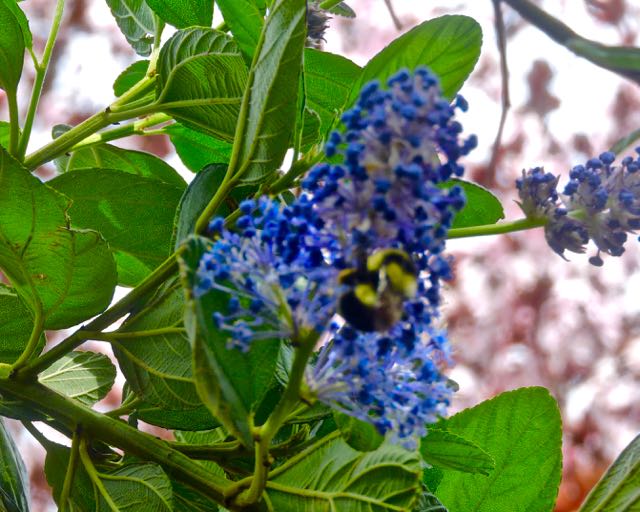
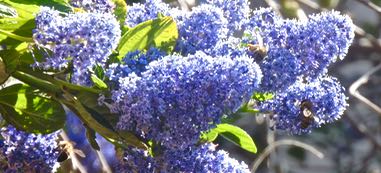
Meanwhile, the limited water we have been using has helped produce a gloriously colorful March. The Gallery will highlight some of this color, as well as the insects and birds that make it possible. In particular, I want to celebrate the lavender display of two bee magnets: the Western Lilac (Ceonothus) and the Wisteria, which beautify and perfume the side garden. The wisteria particularly hums with bumble bees.

I’ll also raise a glass of orange juice to the callalilies, who draw the pollinators in profusion:

The March 2022 Gallery

garden geranium strawberry poppies african daisies erysimum chard mar 24 2022 - 1

Back garden color: geranium, poppies, strawberries, African daisies, erysimum, chard

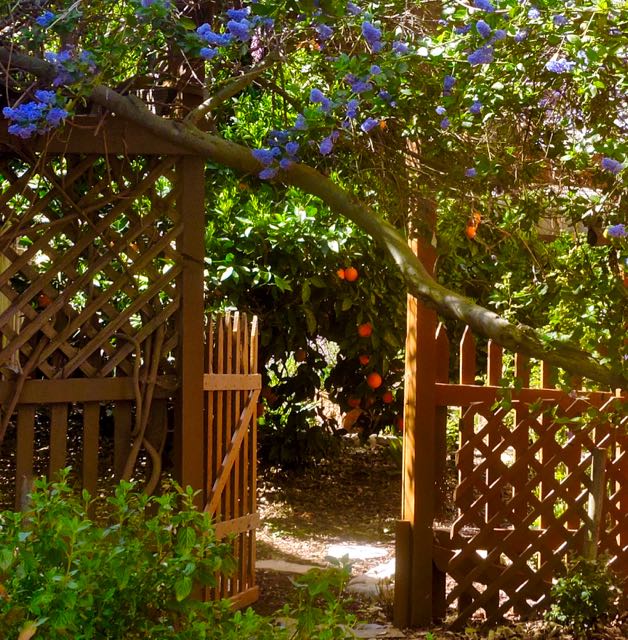
garden side through gate to oranges mar 2 2022 - 1

Welcome to the garden, early March

And on to the adventures of April…

February 2022: Putin vs. a Bumble Bee

garden bumble bee centered on western lilac and cherry plum blooms Feb 26 2022 - 1

Chris: February 26, 2022: The world is now trying to come to terms with yet another megalomaniacal dictator, who has dragged his ancient nation into a brutal invasion of a neighboring country just this week. These neighbors of the dictator have been struggling to make a success of democratic independence from that same blood-thirsty nation, which had harshly ruled their country from 1922 to 1991. Devastating damage and loss of life have already occurred from this most recent invasion.

Meanwhile, a bumble bee in our garden draws nectar from a cluster of tiny Western lilac flowers (above), and in so doing helps the Western lilac spread life-giving pollen to others.

Both the maniacal human and the equally determined bee possess power, though of different kinds. Whose power would you say is greater?

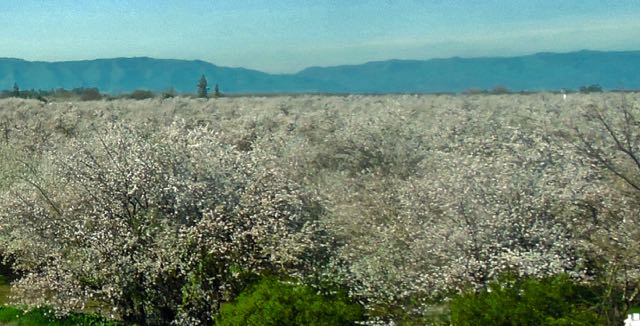
garden nearby almond orchard in bloom Feb 16 2022 - 1

Just beyond our neighborhood, an almond orchard in bloom

In this month’s blog:

Garden Update: The First Month of California Spring

Kitchen Delights

February 2022 Gallery

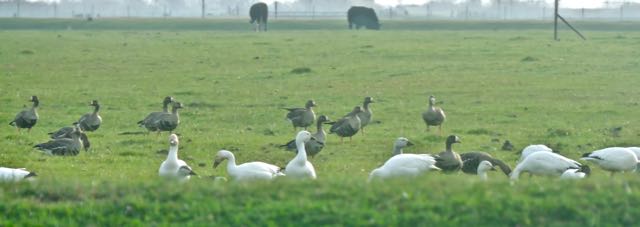
birding 113s migrating snow geese and greater white-fronted geese Feb 20 2022 - 1

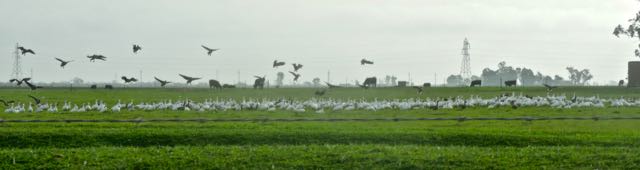
Migrating snow geese and greater white-fronted geese in a field north of the Sacramento/San Joaquin delta, February 20. See this month’s gallery for more about these birds and others.

Garden Update: The First Month of California Spring

garden narrow front pano to S Feb 13 2022 - 1

Front garden with apricot and cherry plum in bloom

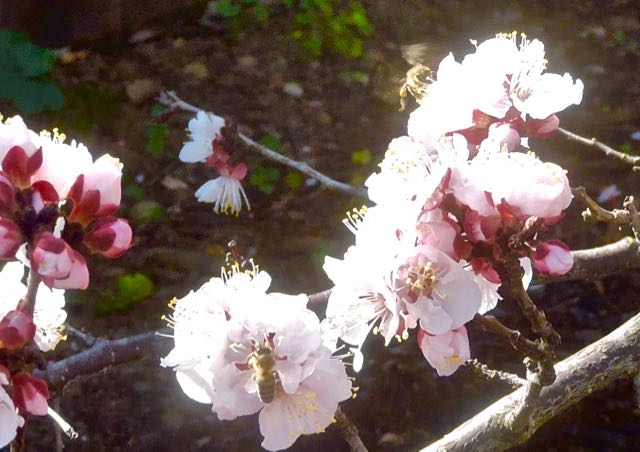
The apricot is always the first of our trees to bloom. Although January and February have been rainless this year, our plentiful rains in the Fall gave our perennials, including the fruit trees, the start they needed to be ready for Spring’s pastel show. Within a week after the apricot exploded in pink-white blossoms, the pale pink cherry plum flowers brought an even more impressive display. In both trees, the bees have carried on a daily concert, to celebrate their life-sustaining work.

garden closeup apricot blooms w 2 bees Feb 4 2022 - 1

Two bees in this small bouquet of apricot blossoms, early February

Oranges and Meyer Lemons. These two trees continue to provide bountiful fruit for juice and snacking. We have used already over 300 oranges, with hundreds more still on the tree, and of the lemons we’ve used about 75, with more than 200 still waiting. The lemons are the largest we’ve had in over 10 years from this ever-spreading tree. From both trees, we use almost exclusively fruit that has fallen to the ground, and it is all we can do to keep up with the windfall. We squeeze about 30 fruit per week .

The Need for Irrigation. Through January, we had cut our household water usage by 50% since last year at this time, mostly because of the late Fall rains and because of my not planting fall-winter veggies. However, with no rain again this month and with none in the forecast for early March, I’ve turned in February to once-a-week irrigation, including both drip- and hand-watering. None of our perennials is stressed thus far, but as the temps warm into the 70s in March, I may be moving to twice-weekly watering. If so, we will be about on par for this time of year. The big question will be how many veggies will I plant in April.  I’m predicting a smaller than usual planting, as the drought continues. Stay tuned.

California Poppies. My first effort at growing this drought-tolerant state flower has begun to pay off with exquisite orange blooms this month and many more buds appearing. March should be spectacular.

garden front spreading poppies Feb 27 2022 - 1

Our first poppies blooming, with many buds promising

Kitchen Delights: Coq Au Vin, Butternut Squash Stew, Apricot Scones

kitchen coq au vin et pinot noir et fleurs Feb 5 2022 - 1

Jean’s coq au vin with rotini and mushrooms

Jean: I made my coq au vin the week after my late January birthday, with the flowers from one of our children gracing this photo (left). The crockpot was perfect for the ingredients, as slow cooking allowed the gorgeous flavors of chicken thighs, red wine, pearl onions, small potatoes, button mushrooms, carrots, and chard to mingle in the sauce. The veggie rotini, cooked separately, provided a perfect bed for this classic French stew.

Butternut Squash Stew

The recipe I used called for beef short ribs, but after the beef was eaten, there was still stew left, and it tasted just as good all-veggie.  Chopped butternut squash (I used frozen chunks) is the star of the dish, because of its mild sweetness, which is perfectly complemented here with chopped white sweet potatoes, stewed tomatoes, carrots, sauteed onions, one chopped apple, and chard. Slow cooking in the crockpot made everything mingle, and the meat practically fell off the bones. Salt and pepper to taste. Chris said it was the best tasting butternut squash soup he’d ever had, with the presence of the other veggies, even though it’s technically a stew.  As with the coq au vin, we used pasta, this time egg noodles, cooked separately, then added to the dish.

kitchen butternut squash veggie stew Feb 24 2022 - 1

Jean’s butternut squash stew (or is it a soup?)

Dried Apricot Scones

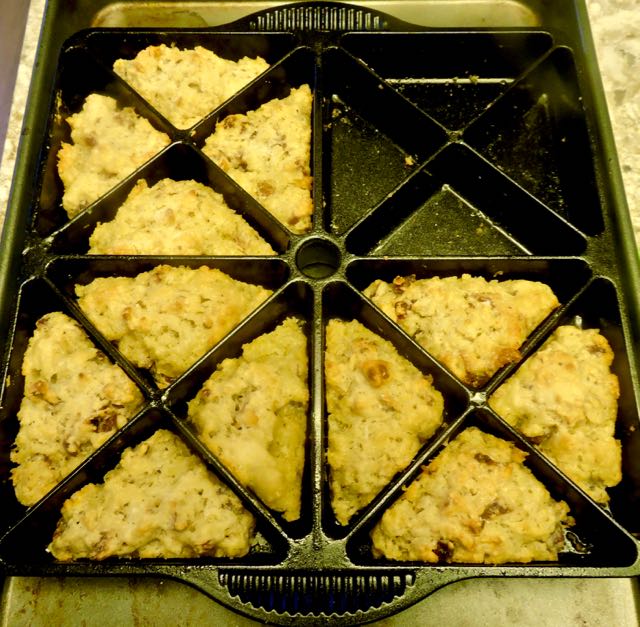
To close out February, I made my new favorite scones, using the recipe for Cream Currant Scones from the Model Bakery in Napa, as printed in their Model Bakery Cookbook (2013). What makes these scones so special is their crunchy outside and their soft, buttery inside. Instead of currants I used finely chopped dried apricots, which we had frozen in the fridge after our harvest in 2020. The tangy sweetness of the apricot pieces provides a nice surprise in every bite. If you have one, I strongly recommend your using a cast iron scone pan (pictured), as it shapes the dough and keeps the heat in. Also, because this recipe is quite buttery, place a  baking sheet beneath the scone pan, lest any butter should drip to the bottom of your oven.

kitchen apricot scones Feb 27 2022 - 1

Jean’s Dried Apricot Scones (Chris and I devoured two each before he took the photo!)

The February 2022 Gallery

Besides the array of photos from the garden, this month’s gallery (and the photography earlier in this entry) includes a few from a Sunday road trip south toward the Sacramento/San Joaquin delta. The weekend of February 18-21 marked the annual Great Backyard Bird Count, sponsored by the Cornell Lab of Ornithology, when bird enthusiasts from around the world send their bird sightings to the lab. The GBBC is one of the best examples of citizen science every year.

Version 2

A red-tailed hawk observes a farm field of mustard and other wildflowers, north of the Sacramento/San Joaquin delta, February 20

birding 113s huge flock migrating snow geese and greater white-fronted geese Feb 20 2022 - 1

Huge flock of snow geese and greater white-fronted geese settle down in this field as they head north.

garden back 3 bees on ceonothus cluster Feb 28 2022 - 1

3 bees on Western lilac cluster, back garden

And on to March, in hope of peaceful uses of power…

January 2022: Misty Mornings, Deep Colors

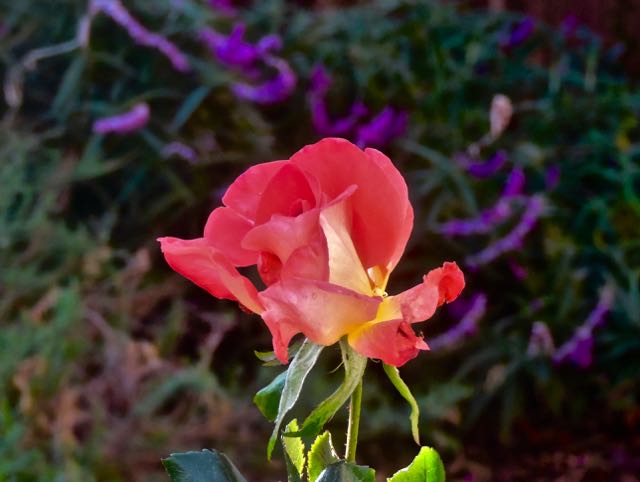
garden first red yellow rose of year w purple bush sage jan 23 2022 - 1

At sunrise on a foggy morning, this first red-yellow rose of the year shines in the side garden, with purple bush sage in the background.

In this month’s blog:

Colors through the Fog

The January Garden: Oranges, Lemons, Apricots, and More

The Kitchen: Apple Spice Cake, Plus a Look Back at One Year Ago

January 2022 Gallery

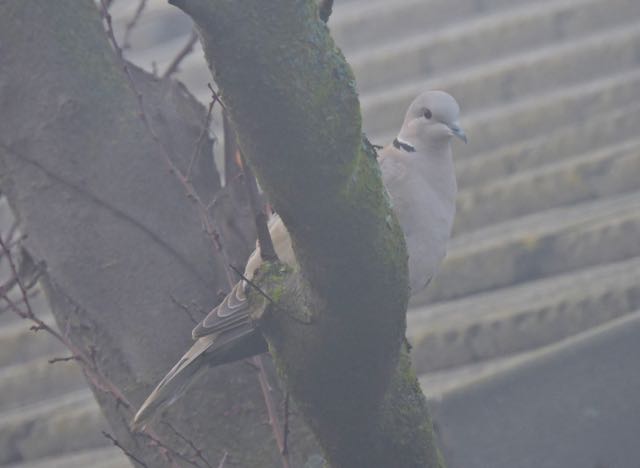
garden eurasian collared dove in cherry plum in fog jan 24 2022 - 1

A Eurasian collared dove returns: in our neighbor’s cherry plum tree on a foggy morning

Foggy Mornings in the Garden

Chris:

January is the foggiest month–at least in the Sacramento Valley this year. The record rains from October through December (14+ inches) soaked the ground and have provided plenty of moisture for morning fogs. The mists usually clear by mid morning, but while they last, the damp, chilly air is our version of winter here in the Valley, and I must admit I love being out in it, especially with my camera.

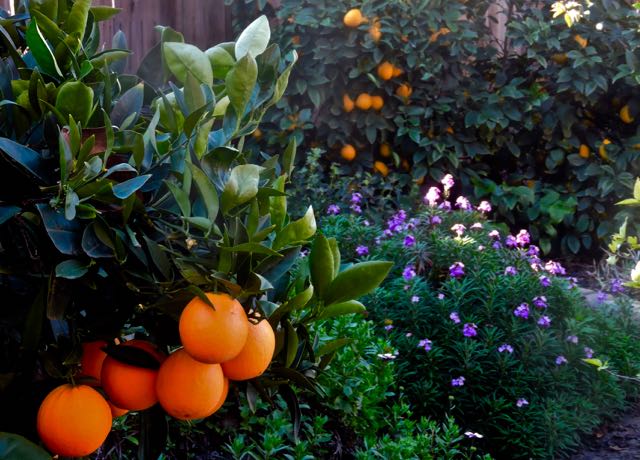
The misty air quiets the distant sounds, mainly the freeway’s incessant flow a half mile away, while enhancing the birds’ calls and sweet songs from around the neighborhood. Colors are enriched in the less bright air. The sharp contrasts between sun and shadow fall away, and I can enjoy the many hues of the new roses, the scarlet berries of the heavenly bamboo, the profuse yellow blooms of the coreopsis, the varied purples of the bush sage, the hearty petunias, and the glorious winter erysimum–which shows off its royal plumage between the brilliant, fruit-laden orange and meyer lemon trees.

garden oranges lemons eryssimum jan 12 2022 - 1

Back garden: oranges, purple erysimum, meyer lemons

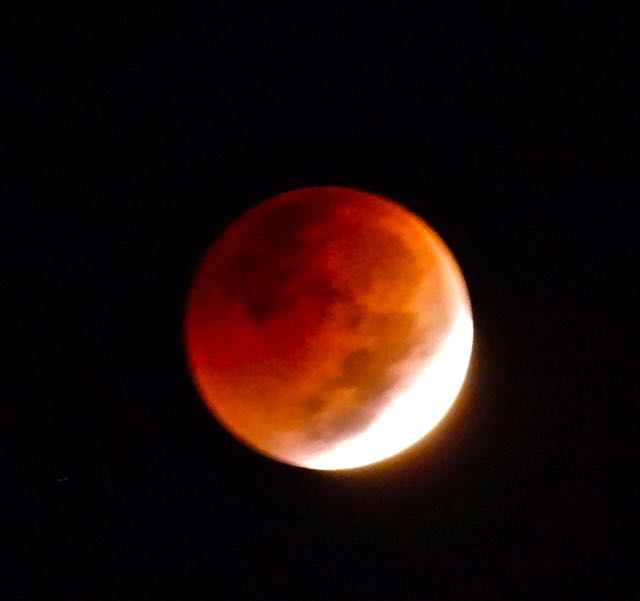
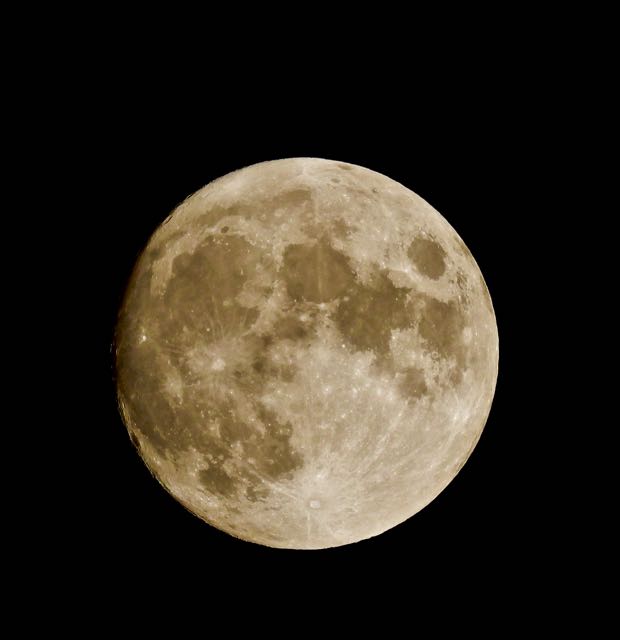
Sunrise and the Moon in the Garden. On those breezy, very early January mornings when there is no fog, the sun and moon work their own magic with the garden light. The heavens can even be the center of the gardener’s attention–especially when the moon is full and setting just before sunrise:

Sometimes, the moon itself is the “star” of the dawn garden show:

And yes, there are always the January sunsets:

garden back sunset with oranges and coreopsis jan 19 2022 - 1

Sunset with oranges, coreopsis, and neighbors’ trees

The January Garden: Oranges, Lemons, Apricots, and More

garden back meyer lemons and lemon buds and flower jan 24 2022 - 1

Meyer lemons, with more lemon buds and blooms, and morning dew on the lemon leaves

It has been three months since my decision not to plant my typical fall/winter veggies because of the ongoing drought. Was that a good decision? As long as the heavy rains fell in late October and through December, I was reconsidering. But now that there has been no rain for a full January, with none in sight for early February, I’m feeling good about my choice–even if I’m not happy that I had to make it.

My decision led to our cutting our overall water use by 50% in October through December 2021, in comparison to the same 3 months in 2020. We’ll see the same reduction when we get the bill for this month.  But caution: despite the solid soaking we got in Fall 2021, which continues to sustain all our perennial plants in ground, the many perennials we have in pots are stressed. I’ve just begun to do once-a-week hand watering of those looking most wilty.

All in all, it’s been a happy January in the garden. The orange tree has already supplied us and our neighbors almost 200 gorgeously juicy fruit, with hundreds more still on the tree. The meyer lemon, which is 25% larger than at the same time last year, again supports over 200 large umblemished fruit –our best ever in 10 years–which we’ve barely begun using. And more buds keep appearing (see the photo just above).

garden meyer lemon bush jan 24 2022 - 1

The ever-expanding meyer lemon tree

garden laden orange tree jan 28 2022 - 1

Fruit-laden orange tree

Apricot and cherry plum trees. The apricot tree is budding all over and the first blooms have just appeared. Last year’s blooms flew away in a heavy wind, so the 2021 crop (20) was by far our smallest in 10 years. Here’s hoping for better results in 2022. Meanwhile, the cherry plum is full of tiny buds that should flower late in February.

garden front first apricot bloom jan 28 2022 - 1

First bloom and many buds on the apricot tree

Late, late strawberries and the never-say-die Fresno chilis. We had frost for a couple of days this winter, but not enough to keep the strawberry pots from putting forth a few late fruit. The Fresno chili plant just won’t give up the ghost. Now 8 months old, it still has hot red fruit. Let’s see how long it will last.

California poppies. Last spring’s poppy experiment was a rousing success. Not only did the six plants thrive through the summer, but now the four in the front garden have produced blankets of new plants that threaten to bloom riotously in spring. Let’s see what happens.

The Kitchen:  Apple Spice Cake, Plus a Look Back at One Year Ago

kitchen apple spice cake in bundt pan jan 24 2022 - 1

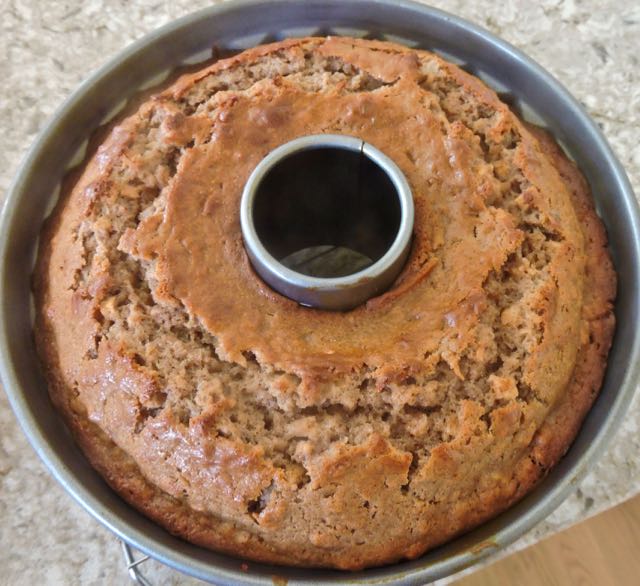
Apple spice cake in bundt pan

Jean:

I wish I could take credit for this absolutely yummy, moist cake, but it mostly comes from a King Arthur mix: https://www.kingarthurbaking.com/recipes/secret-ingredient-apple-spice-cake-recipe

My only wrinkles, which Chris swears made a big contribution, were

  • using some home-made applesauce that one of our sons sent us, rather than the cherry concentrate the recipe recommends
  • using bourbon in the glaze, rather than brandy
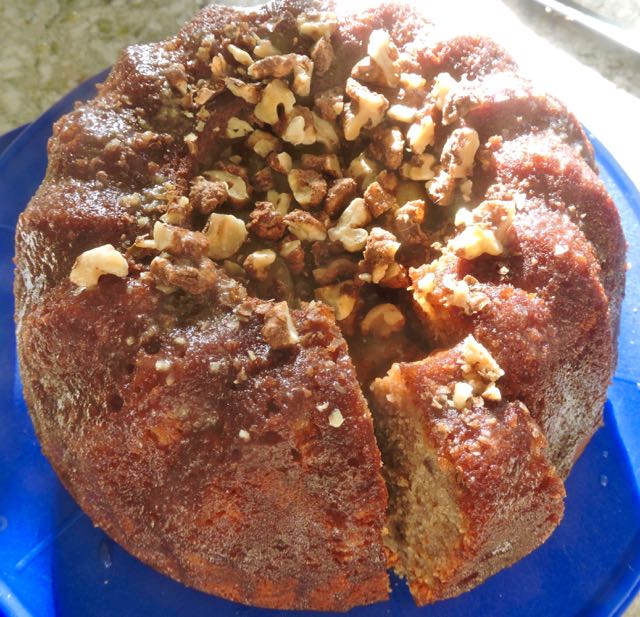
  • and topping the cake with some candied walnuts that were a gift from a neighbor

Anyway, this perfect wintertime cake helped keep our January warm, not-too-sweet, and spicy!

kitchen apple spice cake with walnut topping jan 24 2022 - 1

Fresh from the oven

More of Jean’s January Recipes?

I invite you to look back at my extensive Kitchen blog post from exactly one year ago.

January 2022 Gallery

garden fresno chilis just picked jan 22 2022 - 1

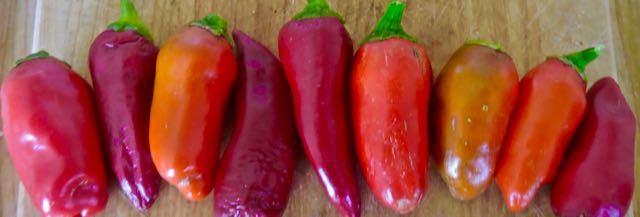
Our latest crop of Fresno chilis, now stored in the freezer but staying hot!

garden birdbath with cherry plum leaves jan 15 2022 - 1

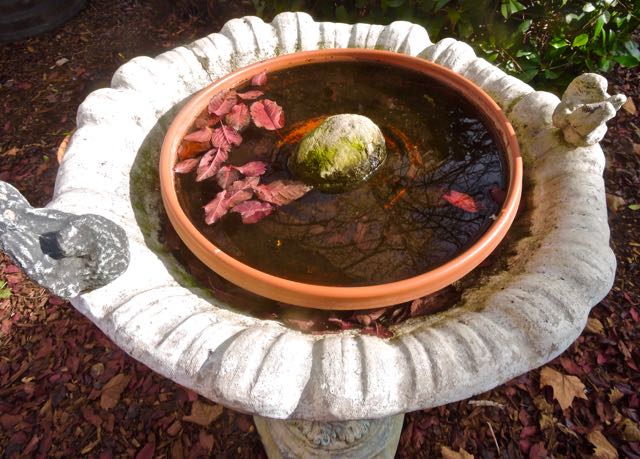
Birdbath with cherry plum leaves, side garden

And on to February–our first month of Spring in the Valley!

December 2021: The Holiday Gift of Fallen Leaves

garden sweet gum liquidambar leaves on tree dec 10 2021 - 1

Sweet gum leaves, mid December

In this month’s blog:

Saving the Nutritious Leaves

Garden Update: The Bountiful Rain Continues

The December 2021 Gallery

garden fallen wisteria leaves dec 10 2021 - 1

Wisteria leaves, side garden

The Holiday Gift of Fallen Leaves

And the ground spinning beneath us/ Goes on talking.

–Joy Harjo, “For Alva Benson”

A fallen leaf is not dead; it has just moved on to a new stage of its life.

Our sycamore in the front garden sheds its leaves from October to December, slowly covering the dark mulchy ground in a carpet of gold.  The peach tree in the back drops its long, pale green, curly leaves in October; the breezes scatter them into every corner of the veranda, beneath the orange tree, and amid the roots of the coreopsis, the alum root, the new callalily shoots, the rosemary, the roses.

The apricot, which gave us its fruit way back in May, sheds its leaves in November, nourishing its own roots even as, in January, its branches will put forth the tiny new budlets. The cherry plum is the last leaf spreader among the fruit trees, building its dark maroon tapestry across the side garden from November into January, nourishing the red flame sage, the photinia, the fuchsia, the lavender, the Mexican purple sage, the Western lilac, and the cherry plum itself.

The winds of autumn make sure that every plant in our garden receives its share of the fallen leaves nearest to its roots.  The rock roses in the front are particularly hungry for these nutrients. The winds push the assorted leaves between the rose plant’s sturdy branches, and, once embedded, the leaves decay in the winter rains to let the nutrients make their way into the ground.  Natural fertilizer on a yearly cycle.

garden sycamore and cherry plum leaves beneath bush sage dec 24 2021 - 1

Sycamore and cherry plum leaves captured beneath purple bush sage

As long as I let nature take its course in the garden, the nourishing process works. But, like most suburban gardeners, I get in the way. I worry about the superabundance of fallen leaves being blown out of the garden and onto the driveway, the sidewalks, the streets, and into our neighbors’ yards. So when the leaves, particularly the large, yellow-brown sycamores, pile up in the front garden, I’m out there with my trusty broad-fanned rake to herd the excess leaves into piles and then move each pile into either my own compost bin or the big compost pile in the back garden, or the 25-cubic-foot green toter that a powerful city compost truck unloads into its innards each week. The truck then whisks away the leaves to make food for fields.

At least those leaves are able to live on and nurture new plants. When I was a small boy in ancient times, my sister and I would help our Dad rake leaves into piles in our chilly backyard in New York. We had the great fun of jumping into those piles and landing softly on the cold grass. Then we’d stand aside as Dad lit those piles on fire. We’d smell the fragrant smoke and watch bits of the leaves sail into the wintry sky on thermal billows until all the leaves were gone.

It’s a good thing that our plants have the branches and stems to trap the fallen leaves that they need to grow strong. Otherwise, I might be trying to pull out the leaves they’ve held onto–rather than cheering that those plants can do such a great job of feeding themselves. Like many of my neighbors, I too often give in to the silly suburbanite notion that a good “yard” is supposed to be a neat-as-a-pin outdoor version of the neat-as-a-pin indoor home that all of us envision as a goal.

garden leaf compost pile, back garden dec 24 2021 - 1

Compost pile, many leaf varieties, back garden

It sometimes ain’t easy to remember that a “yard” can be a living garden, a home for creatures that don’t play by the rules of home decor. If we try to make nature follow those rules, we just plain kill it (and more and more ourselves in the process).

A fallen leaf is only alive and giving when we allow it to feed the future. Here’s to that future and to those countless possible gifts.

garden wind-blown leaf compost beneath orange tree dec 24 2021 - 1

Wind-blown leaf compost beneath orange tree

Garden Update: The Bountiful Rain Continues

garden first eryssimum blooms of season dec 26 2021 - 1

First erysimum bloom of the season, back garden

The big story of this garden month is the plentiful rain. So far this water season (which began in October) we’ve had over 14 inches, the most in that span since 2016-17.  Meanwhile, up to 16 feet of snow–a record for December–have fallen in the Sierra: ensuring a healthy snowpack for the spring runoff.

Hallelujah! I’m almost tempted to reconsider my decision in early October not to plant my usual fall-winter veggies: broccoli, leaf lettuce, onions, beets, and Swiss chard. 

But it’s getting late to start planting, and, besides, there’s no telling if the rainy pattern will continue. In December 2019 and December 2020, we had normal rainfall (2-3 inches) or better–then the rest of the water season, January to May, produced almost nothing. We were left with an unprecedented drought, which continues to keep the reservoirs in our region at dangerous lows (only 28% of capacity in Lake Shasta, for example). The state was forced to cut off water allocations to farmers, as this blog described last summer.  Even with the huge December snowfall and rain this year, the state and the federal governments continue to be skeptical that the drought has been relieved.

While the rainfall lasts, though, we glory in it. The birdbath and fountain are filled to the brim, the ground throughout the garden is squishy, and the fallen leaves at the roots of all our plants (as described in the first section, above) decay beautifully to nourish the soil. It’s really a winter holiday celebration for the Northern California gardener.

Meanwhile, our orange tree and Meyer lemon bush are teeming with delicious ripe fruit, perhaps even more plentiful than in our record 2020-21.

garden back garden pano to south dec 26 2021 - 1

The back garden in the rain: resplendent orange tree and Meyer lemon bush, the brilliant coreopsis, and the fallow beds where the winter veggies usually would be growing.

The December 2021 Gallery

And on to the New Year!

November 2021: Celebrating with Family

garden front fall colors nov 9 2021 - 1

Fall colors in the front garden

In this month’s blog:

Celebrating with Family

This Year’s Thanksgiving Kitchen: A Rebellion

Garden Update: Staying Slim

The November 2021 Gallery

garden purple and red petunias red geranium nov 28 2021 - 1

Fall colors, back garden

Celebrating with Family, Once Again

Chris:

Last November I wrote about how we had a family Thanksgiving celebration via Zoom, as we couldn’t party in person because of the pandemic. It was a surprisingly great bi-coastal get-together of 22 people despite the restrictions, in part because we realized that we’d never tried before to bring together all of us in one place at one time on a holiday! So the pandemic–and the technology that we all learned because of it–sparked us to do something new and exciting. Could it become a new tradition?

Zoom and in-person gathering: Now this year, with all of us fully vaccinated (except the very little children in our family), we could do a very confident and worry-free mash-up: all 23 of us still met for an hour on the 25th via Zoom, but two of the East Coast families traveled from New York and Georgia to celebrate together in Virginia, and, in the West, the SoCal contingent drove up “the 5” to party with Jean and me in NorCal. The Zoom let those in our family who didn’t want to hit the road still share stories and laughs with those who traveled.

At home with visiting family: It was great once again to get the house ready for our wonderful family members from Long Beach, plan little excursions while they were here, shop for food for inventive meals, and look forward to impromptu conversations about anything anyone wanted to talk about. There’s no substitute for the serendipity and spontaneity of actually being together, not to mention the cheerful sharing of lovingly prepared food. Jean and I treasured this opportunity, which the vaccine–and the heroic work of all who devote their lives to public health–have given us, so that we might renew this precious part of what it means to be family.

This Year’s Thanksgiving Kitchen: A Rebellion

kitchen thanksgiving turkey trimmings pie nov 25 2021 - 1

Jean’s Thanksgiving dinner in a cocotte for each person!

Jean:

This Thanksgiving, I decided “enough is enough.”  Enough years of trying and failing to defrost the turkey all the way through in time, lifting the heavy pan out of the oven to baste it and test it and then having to wrestle it back in.  Enough trying to lift the heavy, hot, greasy cooked turkey onto a serving platter for carving.  There are a lot easier ways to get some turkey meat!  It’s not like you have to eat it hot.  The meat isn’t hot anyway by the time you get your plate filled with all the piping hot sides and settle down to eat.  There must be a better way to prepare a yummy Thanksgiving meal, I figured.  Besides, since my heart operation in August, I haven’t been supposed to lift anything heavy, and my upper body strength isn’t quite what it used to be.

Did I fear that I would be depriving my family of the wonderful sights and smells and sounds of me slinging the hot turkey pan and the even hotter pan of boiling potato water around the kitchen on Thanksgiving Day? So what–I opted for self-preservation.  Starting about ten days before Thanksgiving, I got ready:

  • I bought half a fresh turkey breast and roasted it. There were no helpful instructions, but I roasted it for about two hours until it seemed done.  The meat thermometer was helpful here. 
  • Meanwhile I made gravy and some instant mashed potatoes. Forgive me, but there are some things I think are actually better using processed shortcuts than if I made them from scratch.  Not as nutritious, surely, but, testing for taste, I decided those would more than suffice.  Mashing hot boiled potatoes on Thanksgiving Day is one of my most disliked chores in the kitchen. 
  • I also used a turkey gravy mix and a stuffing mix. Please don’t judge. I’m a recent hospital escapee, remember.  I did, however, add my own onions, celery, mushrooms and herbs to the stuffing mix.
  • And I baked and mashed fresh sweet potatoes. No way around that, and I do love them so.
  • Anyway, once I had the components of a meal together, I sliced and froze the roasted turkey and stuffing. I worried the turkey would get dry, but it turned out that the turkey was juicy and tender when defrosted and heated. Besides, I had other plans than serving simple slices of turkey breast.

On Turkey Day, I defrosted the frozen components and remade the quickie processed ones when no one was looking.  (I don’t like people watching me cook. Do you?) Into the hot turkey gravy, I threw chunks of the chopped turkey meat plus some frozen peas and tiny whole onions

When those were all hot enough, I did the most revolutionary thing: I ladled some of the mixture into a small cocotte for each person

On top of each bowl of steaming gravy, I dolloped equal portions of mashed potatoes, sweet potatoes, and stuffing, in the manner of a shepherd’s pie.  A dollop of cranberry sauce in the center and a small decorative cut out of pie crust that I had previously baked on a cookie sheet finished the presentation.

Everyone seemed surprised and pleased that I had managed to get the favors of nearly an entire Thanksgiving meal into seemingly small containers.  Along with squares of the homemade focaccia from last month that I had also frozen, it was a perfectly orchestrated dinner.  Pies, of course, followed: pecan, apple, pumpkin, and blueberry. I bought most of these. I’ll let you guess which one I made.

Turkey Day Addendum: Baking British-Scots Treats

For friends whose Thanksgiving invitation we had to turn down, I baked these two classic treats:

Here are the recipes I mostly relied on, from the BBC:

https://www.bbc.co.uk/food/recipes/bakewell_tart_90600

https://www.bbc.co.uk/food/recipes/dundee_cake_22157

And for a day-after-Thanksgiving change of pace for our visitors, here’s what Chris made:

kitchen beef multiveggy bean tomatillo chili nov 23 2021 - 1

Chris’s turkey multiveggy tomatillo chili–with sauteed onions, garlic, and green pepper, plus pinto beans, corn, green olives, Fresno chili pepper, and tomatillo salsa


Garden Update: Staying Slim

garden back pano to SW w sweet gum leaves lemons nov 22 2021 - 1

Back garden panorama from the sweet gum trees to the Meyer lemons

Chris:

While we and our visiting family enjoyed the special meals of the holiday, the garden was on a strict diet. From the photo above, you’ll note that the two raised beds are empty of plants. Last year at this time, the square bed nurtured five broccoli plants. The larger oblong bed had in 2020 a colorful row of four green onion plants and a row of four Bulls Blood beets. Six Swiss chard plants were in pots and in ground around the garden, and leaf lettuce grew beautifully in cages.

But in September of this year, with all of us in the claws of an unprecedented drought, I vowed not to do fall veggy planting unless we could be sure of plentiful rain.  I vowed not to irrigate, as I stated last month in the blog.

So the beds remain empty, and all the flowers, trees, bushes, and other plants that you’ll see in the photos this month will subsist for as long as possible on the rain that falls from the sky. Right now, we’re ahead of last season’s rainfall, thanks to the 5 inches that fell in two October days, but we’re still in drastic drought conditions because of the previous two almost-rainless years.

garden back pano to N w rosemary fresnos callalily vinca sweet gum nov 22 2021 - 1

Back panorama toward North, with two empty raised beds, and rosemary, callalily, periwinkle, and roses bottom and left.

Oranges and Meyer lemons. As climate change gradually warms our region, bringing with it reduced snowpack in the mountains, sea level rise, and more devastating wildfires, two fruit trees in our garden thrive in the hotter, drier climate: the navel orange and the Meyer lemon. For the first time in our 15 years here, both trees have ripe fruit in November–and in huge numbers (see photos below).

Last year, we had oranges in November that looked ripe, but were very sour. This year, I was able to make my first pitcher of orange juice (for our visiting family) with very little added stevia sugar. The oranges I used were only those that had fallen from the tree (see at left).garden oranges fallen from the tree in breezes nov 24 2021 - 1

Peppers, chilis, and strawberries. The only summer veggies that remain in the garden are one mild yellow pepper, one very prolific Fresno chili pepper plant, and three potted strawberries. All still have some new fruit, as the low temps remain in the 40s. No frost in sight.

The November 2021 Gallery

And on to December, with hopes for more family gatherings in the coming year.

October 2021: The “Bomb Cyclone” Hits

garden soaking rain first of the season oct 24 2021 - 1

First soaking rain of 2021, October 24

In this month’s blog:

Denting the Drought

A Kitchen for Pumpkin Season

October Garden Update

October Gallery

garden meyer lemon in the rain oct 21 2021 - 1

Raindrops on our ripening lemons, October 24

Denting the Drought

Chris:

As I write on October 24, a full day and night of soaking rain, already over 5 inches, has sounded outside our windows and gladdened my parched mind. Yet, the killing drought is still with us, to be sure. We had had no measurable rain since March, and only 2 inches for 2021 before this date. It will take about four times today’s “bomb cyclone,” as the weather people call it, to enable a serious rise in the deeply depleted reservoirs—-even though the “bomb” has set historic records for a single day in this region. And the two feet of snow this “atmospheric river” (another meteorologists’ metaphor) has brought to the Sierra will need to be multiplied by five to achieve the snowpack for a typical year. Still, today’s record precip is a good, dramatic start. Hurray!

If we get many more soaking days of rain and a renewed snowpack over several years, we may also begin to undo the damage to the unseen aquifer below. The aquifer has sustained for a century and more the California agriculture that so much of the world depends on. Reckless overuse of the aquifer for many years during drought conditions has put its future in grave danger. And this troubling forecast does not even account for the increasing impact of human-caused climate change. In short, there is much work for us to do–and much damage to resist doing–to help nature restore the balance of rain, snow, and sun that has allowed the West to thrive.

For more background, hear this week’s interview on NPR affiliate KALW with authors describing the aquifer and water accessibility crisis in California.

I’m hoping, too, that today’s rain will not dump so much in one deluge that it forces mudslides across the thousands of square miles of the West denuded and scarred by this summer’s record wildfires. The mudslide news so far is not terrible. I’d like our collective joy in this needed rainfall to last a while.

lake berryessa drought level oct 23 2021 - 1

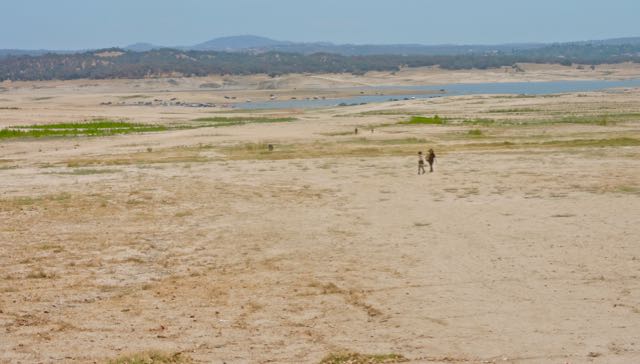
Water level in Lake Berryessa reservoir, Napa County; 40 feet below normal, October 23, the day before the storm (my photo)

arizona trip hoover dam mar 12 2021 - 1

Hoover Dam and Lake Mead on the Colorado River, Arizona-Nevada border; 30 feet below normal, March 2021 (my photo)

Pumpkin Season in the Kitchen

kitchen buckwheat pancakes blackberries strawberries syrup bananas yogurt oct 12 2021 - 1

Buckwheat pumpkin pancakes with garden fruit, bananas, syrup, and Greek yogurt

Jean:

With rains finally upon us, it’s a great time to hunker down in the kitchen and enjoy making (and eating) some of those pumpkin treats that the month of Halloween inspires. For breakfast one morning, I griddled pumpkin pancakes (see the photo above), partially using buckwheat flour. I topped them with a blueberry syrup, plus some blackberries and strawberries from the garden, sliced bananas, and a dollop or two of tangy Greek yogurt. I made enough to last us two days.

I also couldn’t resist (who’d want to?) baking a couple dozen pumpkin chocolate chip cookies…

kitchen pumpkin chocolate chip cookies oct 20 2021 - 1

… which are tasty any time for snacks or an easy dessert. You may not usually think of chocolate and pumpkin going together, but, c’mon, is there anything that chocolate can’t go with? Even Chris, who always tells me he’s not a “chocolate person,” had no trouble downing these.

Pumpkin Parmesan Pasta

kitchen pumpkin pasta with rosemary, sage, basil oct 20 2021 - 1

Jean’s pumpkin parmesan pasta with garnish of rosemary, sage, and basil

A first for me this October was a vegetarian pasta dish with a pumpkin and parmesan sauce, instead of the usual tomato marinara. I read Alex Guarnaschelli’s recipe for Food Network, and also found helpful Marisa Moore’s blog post on her pumpkin pasta with walnuts and spinach. As always, I added my own wrinkles. I used spinach pasta, as well as the chickpea pasta Moore suggests, plus some creamy elements (light cream and goat cheese), and also pumpkin seeds for crunch, rather than nuts. Like most things, there are various ways you can personalize this idea. I was a bit afraid that the chickpea pasta might be tough or strange tasting, but it was neither of those. Now pumpkin parmesan pasta will be one of our October favorites!

Some Other Spicy, Hearty Treats for a Cool, Rainy Fall

October Garden Update

kitchen oct produce peppers fresnos pomegranates oct 23 2021 - 1

October garden produce: mild green, yellow, and purple peppers; pomegranates, Fresno chilis

Chris:

With no measurable rain before October 24, I honored my promise of last month not to plant any fall or winter vegetables, for the first time in the life of this garden. I did transplant a petunia, two irises that I separated from the parent plant, and a butter lettuce. But no seedlings of onions, radishes, beets, broccoli, chards, and lettuce varieties that I usually plant in October.

Until and unless we get enough rain to promise an average water year (which we last had in 2018), I won’t use the extra water that these veggies would require.

What fruits and veggies remain in the garden from the summer are 1 mild yellow pepper, 1 Fresno chili, the perennial arugula (now returning for its third year), 3 strawberry plants, 1 blackberry plant, 1 Swiss chard, and, of course, the magnificent fruit trees. Two of these, the navel orange and the meyer lemon, will bear ripe fruit in December. I’m hopeful that none of these plants will require any water other than that which falls from the rainy-season sky. We’ll see.

The October Gallery

garden bees on mexican bush sage oct 22 2021 - 1

Bees on Mexican bush sage

garden impressionist 1st sparrows of fall oct 16 2021 - 1

First white-crowned sparrows of fall

garden scary Halloween pumpkin lemons vinca oct 31 2021 - 1

And finally, a Happy (scary) Halloween from all of us garden creatures.

So much amazing life in the garden. On to November in joy!