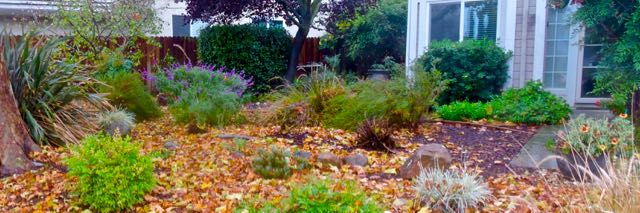
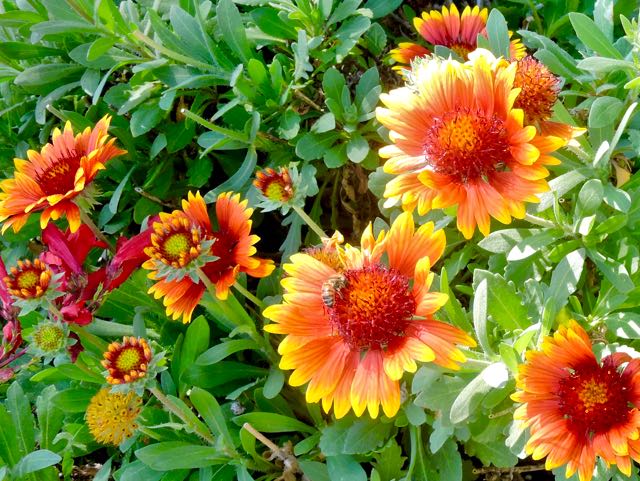
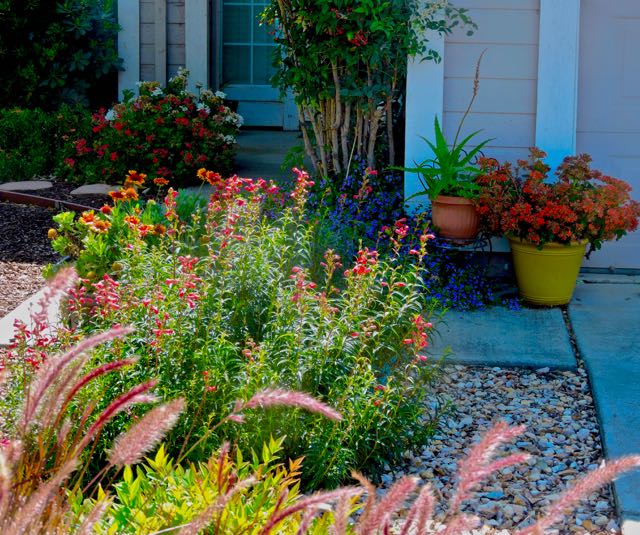
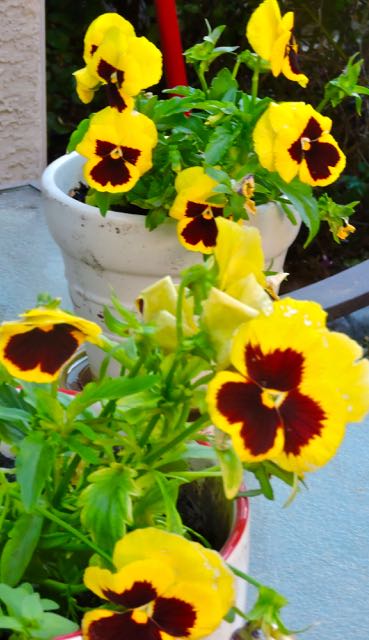
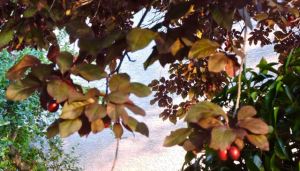
Fall colors in the front garden
In this month’s blog:
Celebrating with Family
This Year’s Thanksgiving Kitchen: A Rebellion
Garden Update: Staying Slim
The November 2021 Gallery
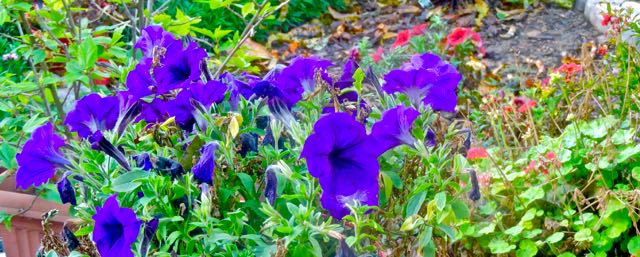
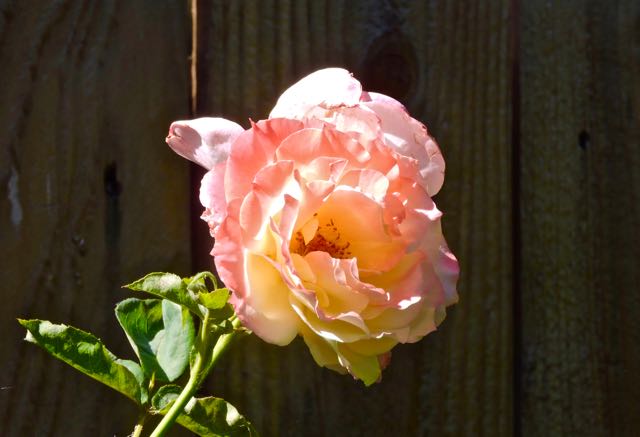
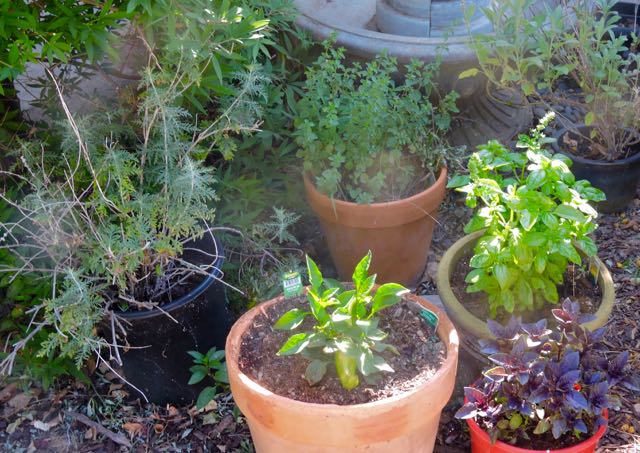
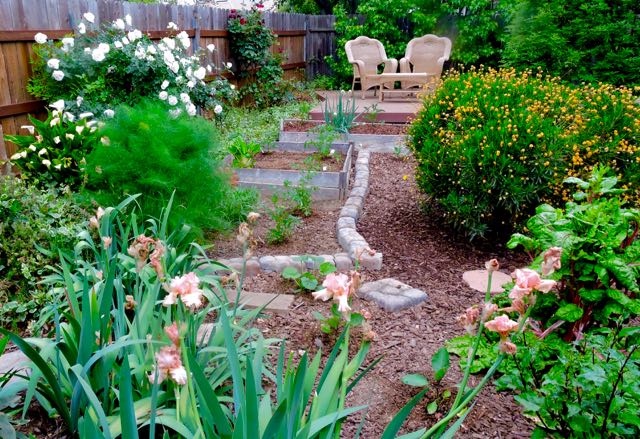
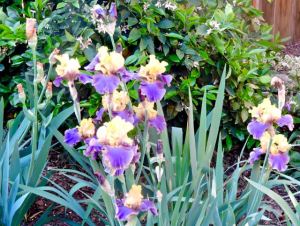
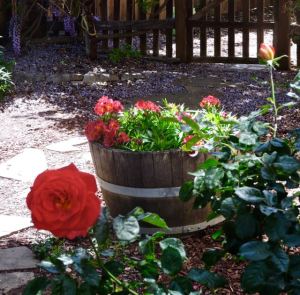
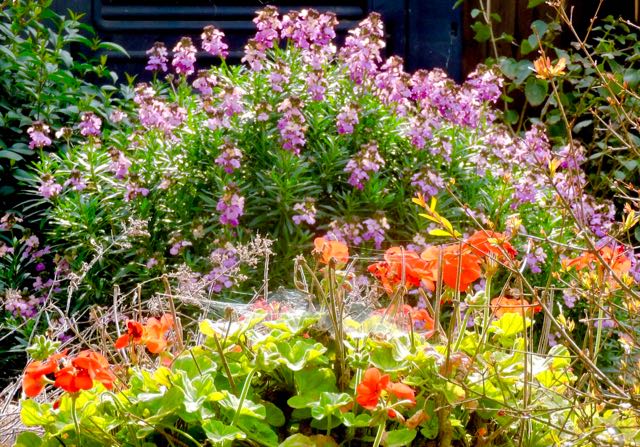
Fall colors, back garden
Celebrating with Family, Once Again
Chris:
Last November I wrote about how we had a family Thanksgiving celebration via Zoom, as we couldn’t party in person because of the pandemic. It was a surprisingly great bi-coastal get-together of 22 people despite the restrictions, in part because we realized that we’d never tried before to bring together all of us in one place at one time on a holiday! So the pandemic–and the technology that we all learned because of it–sparked us to do something new and exciting. Could it become a new tradition?
Zoom and in-person gathering: Now this year, with all of us fully vaccinated (except the very little children in our family), we could do a very confident and worry-free mash-up: all 23 of us still met for an hour on the 25th via Zoom, but two of the East Coast families traveled from New York and Georgia to celebrate together in Virginia, and, in the West, the SoCal contingent drove up “the 5” to party with Jean and me in NorCal. The Zoom let those in our family who didn’t want to hit the road still share stories and laughs with those who traveled.
At home with visiting family: It was great once again to get the house ready for our wonderful family members from Long Beach, plan little excursions while they were here, shop for food for inventive meals, and look forward to impromptu conversations about anything anyone wanted to talk about. There’s no substitute for the serendipity and spontaneity of actually being together, not to mention the cheerful sharing of lovingly prepared food. Jean and I treasured this opportunity, which the vaccine–and the heroic work of all who devote their lives to public health–have given us, so that we might renew this precious part of what it means to be family.
This Year’s Thanksgiving Kitchen: A Rebellion
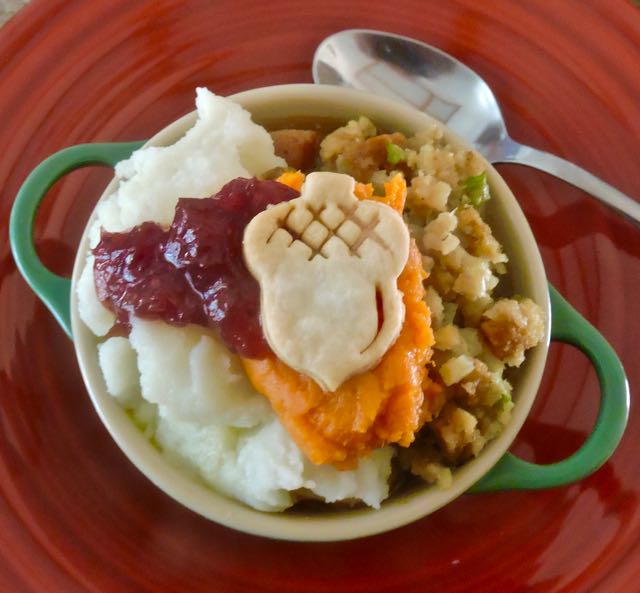
Jean’s Thanksgiving dinner in a cocotte for each person!
Jean:
This Thanksgiving, I decided “enough is enough.” Enough years of trying and failing to defrost the turkey all the way through in time, lifting the heavy pan out of the oven to baste it and test it and then having to wrestle it back in. Enough trying to lift the heavy, hot, greasy cooked turkey onto a serving platter for carving. There are a lot easier ways to get some turkey meat! It’s not like you have to eat it hot. The meat isn’t hot anyway by the time you get your plate filled with all the piping hot sides and settle down to eat. There must be a better way to prepare a yummy Thanksgiving meal, I figured. Besides, since my heart operation in August, I haven’t been supposed to lift anything heavy, and my upper body strength isn’t quite what it used to be.
Did I fear that I would be depriving my family of the wonderful sights and smells and sounds of me slinging the hot turkey pan and the even hotter pan of boiling potato water around the kitchen on Thanksgiving Day? So what–I opted for self-preservation. Starting about ten days before Thanksgiving, I got ready:
- I bought half a fresh turkey breast and roasted it. There were no helpful instructions, but I roasted it for about two hours until it seemed done. The meat thermometer was helpful here.
- Meanwhile I made gravy and some instant mashed potatoes. Forgive me, but there are some things I think are actually better using processed shortcuts than if I made them from scratch. Not as nutritious, surely, but, testing for taste, I decided those would more than suffice. Mashing hot boiled potatoes on Thanksgiving Day is one of my most disliked chores in the kitchen.
- I also used a turkey gravy mix and a stuffing mix. Please don’t judge. I’m a recent hospital escapee, remember. I did, however, add my own onions, celery, mushrooms and herbs to the stuffing mix.
- And I baked and mashed fresh sweet potatoes. No way around that, and I do love them so.
- Anyway, once I had the components of a meal together, I sliced and froze the roasted turkey and stuffing. I worried the turkey would get dry, but it turned out that the turkey was juicy and tender when defrosted and heated. Besides, I had other plans than serving simple slices of turkey breast.
On Turkey Day, I defrosted the frozen components and remade the quickie processed ones when no one was looking. (I don’t like people watching me cook. Do you?) Into the hot turkey gravy, I threw chunks of the chopped turkey meat plus some frozen peas and tiny whole onions.
When those were all hot enough, I did the most revolutionary thing: I ladled some of the mixture into a small cocotte for each person.
On top of each bowl of steaming gravy, I dolloped equal portions of mashed potatoes, sweet potatoes, and stuffing, in the manner of a shepherd’s pie. A dollop of cranberry sauce in the center and a small decorative cut out of pie crust that I had previously baked on a cookie sheet finished the presentation.
Everyone seemed surprised and pleased that I had managed to get the favors of nearly an entire Thanksgiving meal into seemingly small containers. Along with squares of the homemade focaccia from last month that I had also frozen, it was a perfectly orchestrated dinner. Pies, of course, followed: pecan, apple, pumpkin, and blueberry. I bought most of these. I’ll let you guess which one I made.


Turkey Day Addendum: Baking British-Scots Treats
For friends whose Thanksgiving invitation we had to turn down, I baked these two classic treats:


Here are the recipes I mostly relied on, from the BBC:
https://www.bbc.co.uk/food/recipes/bakewell_tart_90600
https://www.bbc.co.uk/food/recipes/dundee_cake_22157
And for a day-after-Thanksgiving change of pace for our visitors, here’s what Chris made:
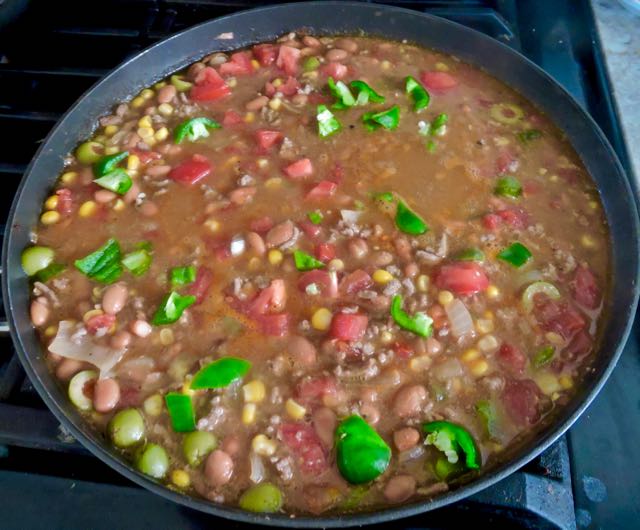
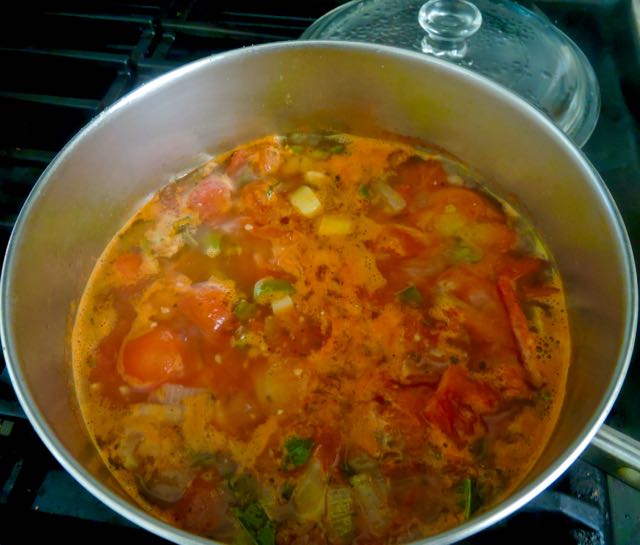
Chris’s turkey multiveggy tomatillo chili–with sauteed onions, garlic, and green pepper, plus pinto beans, corn, green olives, Fresno chili pepper, and tomatillo salsa
Garden Update: Staying Slim
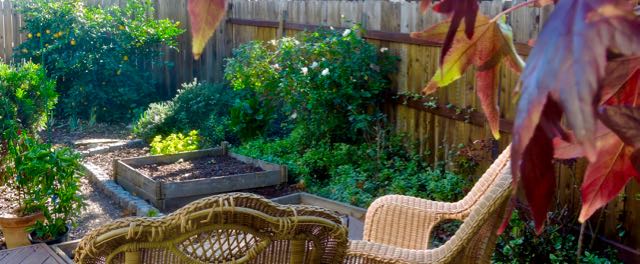
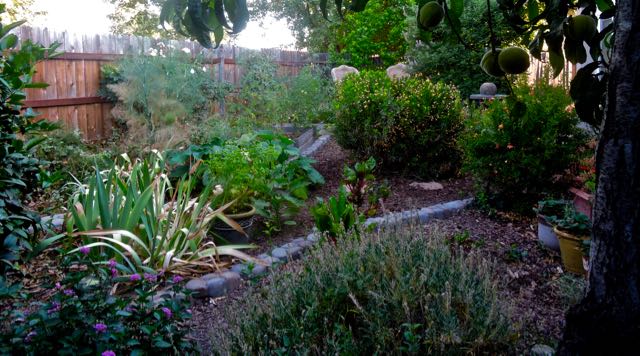
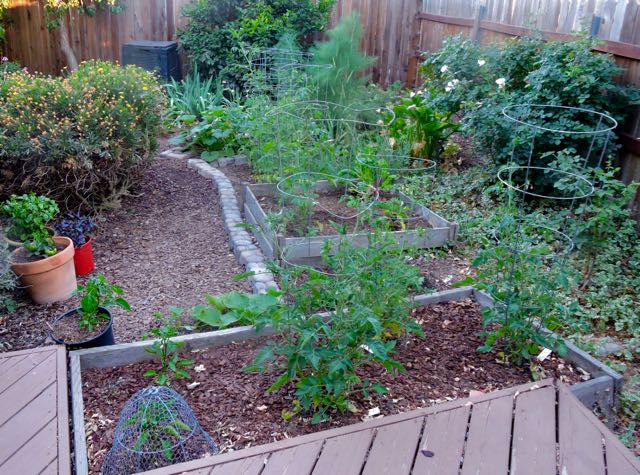
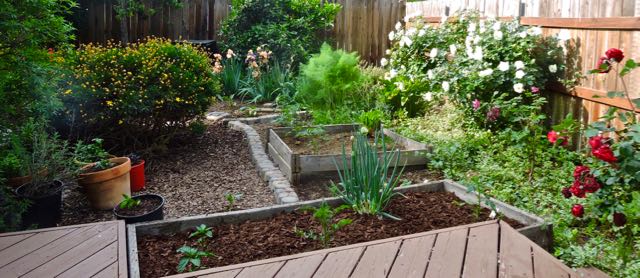
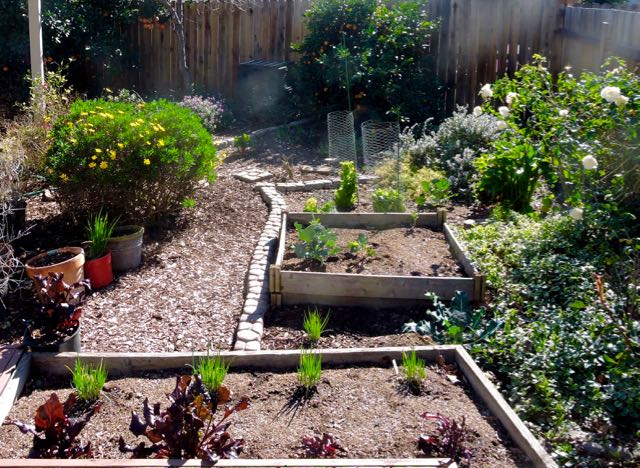
Back garden panorama from the sweet gum trees to the Meyer lemons
Chris:
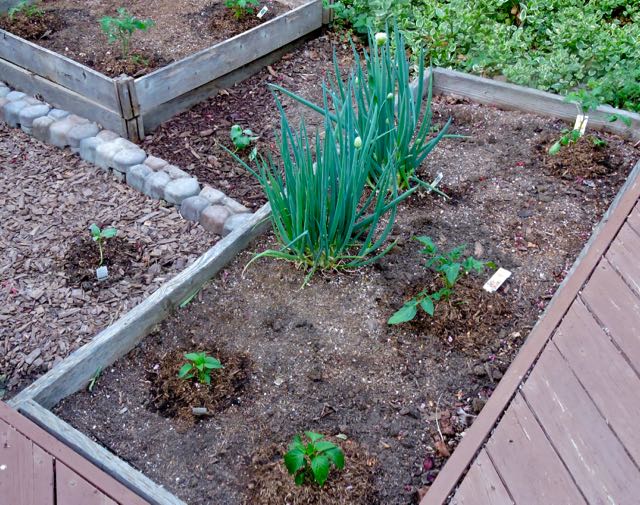
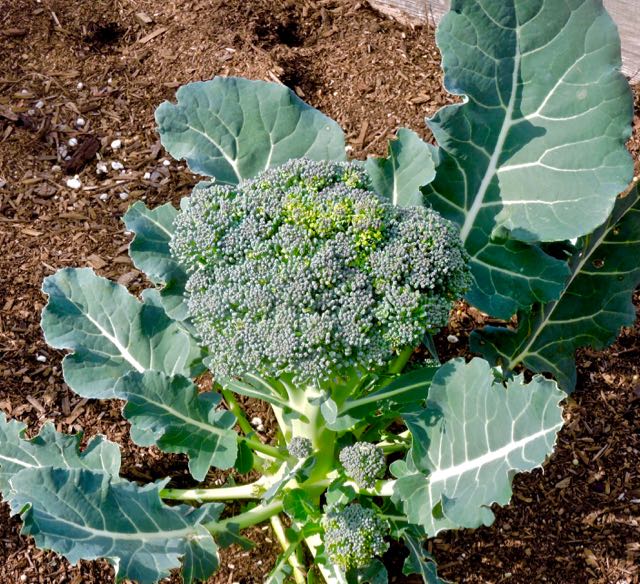
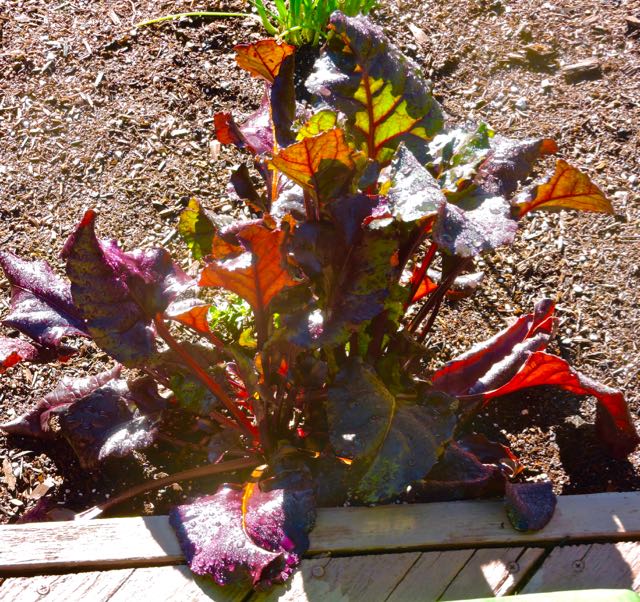
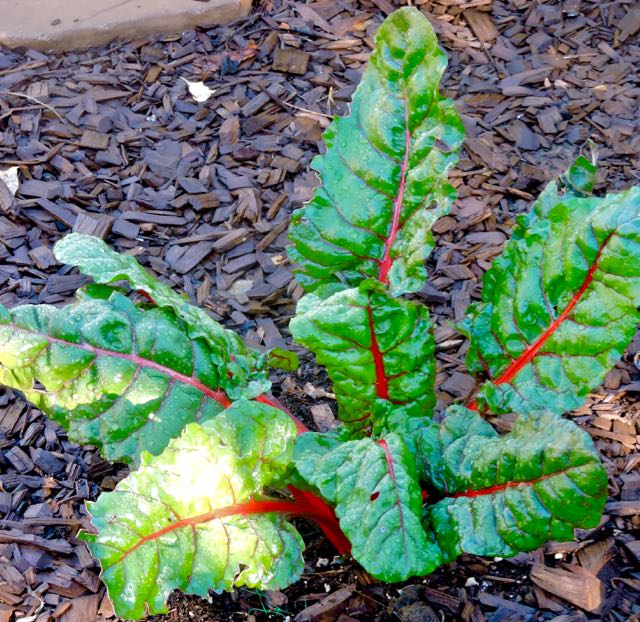
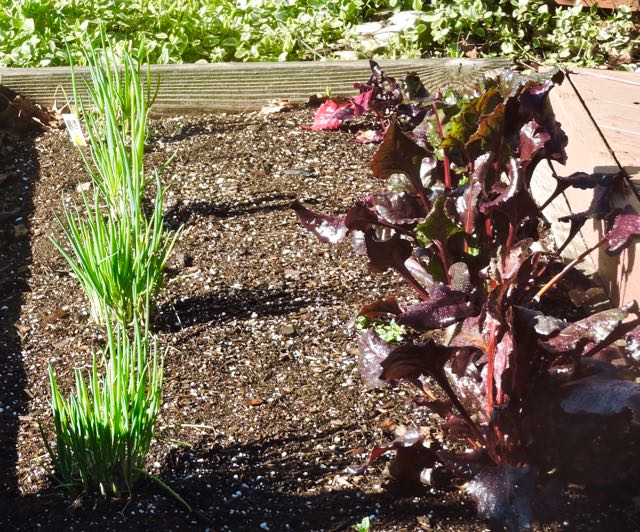
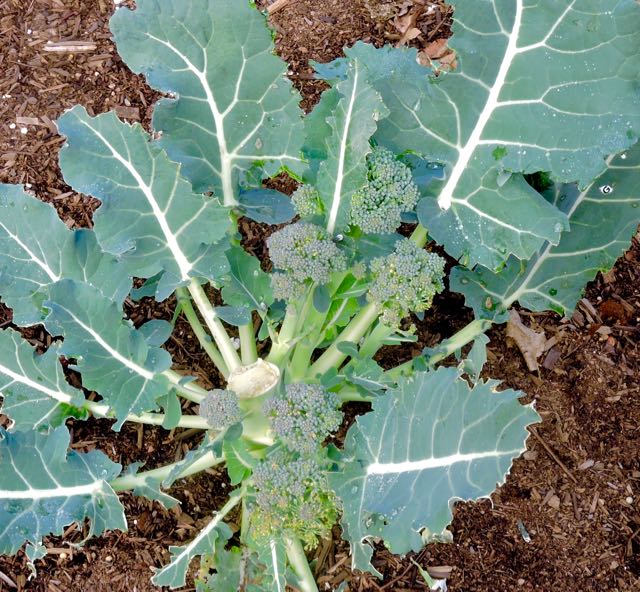
While we and our visiting family enjoyed the special meals of the holiday, the garden was on a strict diet. From the photo above, you’ll note that the two raised beds are empty of plants. Last year at this time, the square bed nurtured five broccoli plants. The larger oblong bed had in 2020 a colorful row of four green onion plants and a row of four Bulls Blood beets. Six Swiss chard plants were in pots and in ground around the garden, and leaf lettuce grew beautifully in cages.
But in September of this year, with all of us in the claws of an unprecedented drought, I vowed not to do fall veggy planting unless we could be sure of plentiful rain. I vowed not to irrigate, as I stated last month in the blog.
So the beds remain empty, and all the flowers, trees, bushes, and other plants that you’ll see in the photos this month will subsist for as long as possible on the rain that falls from the sky. Right now, we’re ahead of last season’s rainfall, thanks to the 5 inches that fell in two October days, but we’re still in drastic drought conditions because of the previous two almost-rainless years.
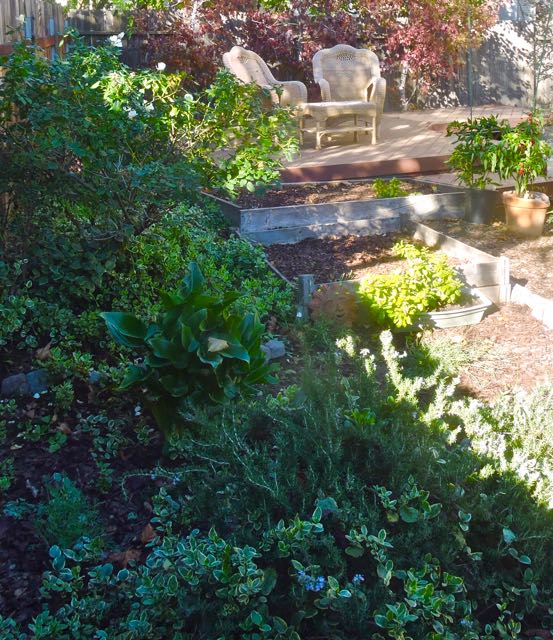
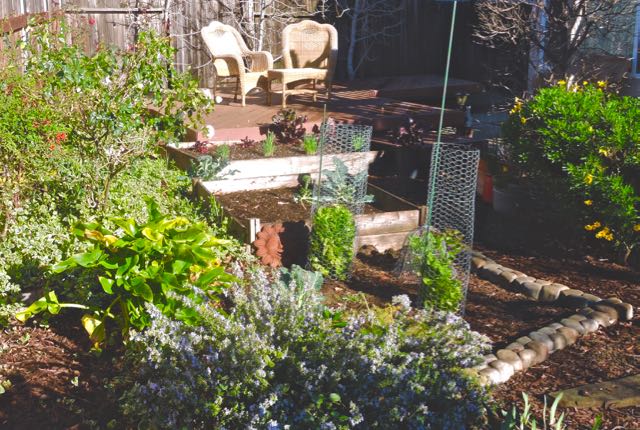
Back panorama toward North, with two empty raised beds, and rosemary, callalily, periwinkle, and roses bottom and left.
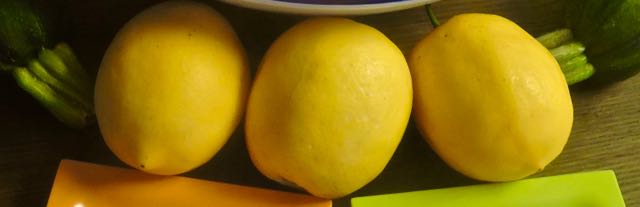
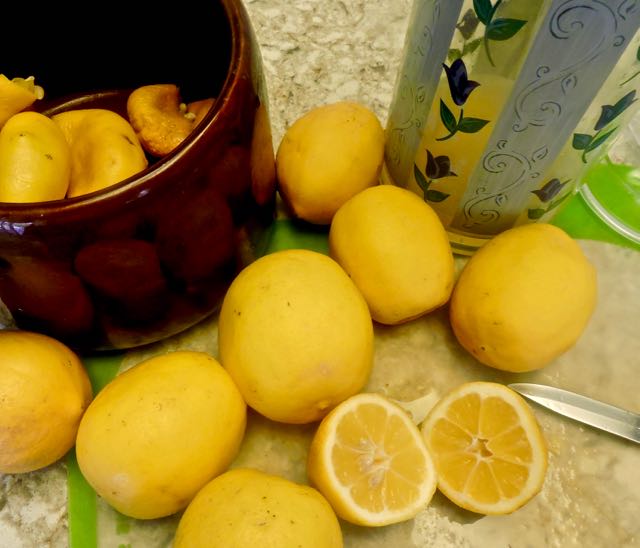
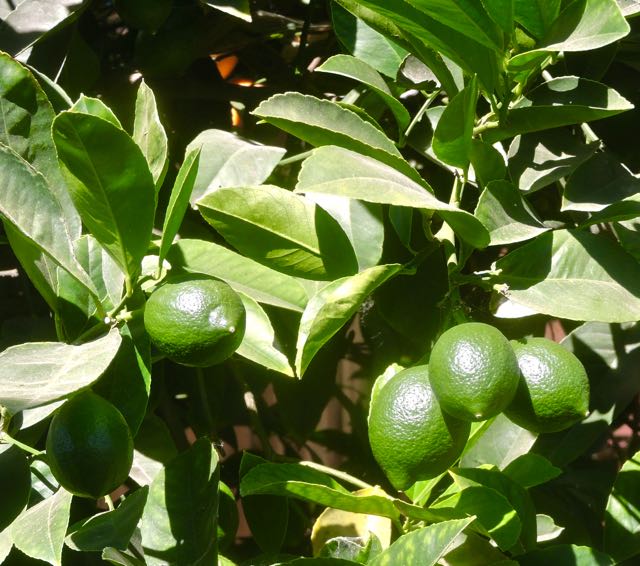
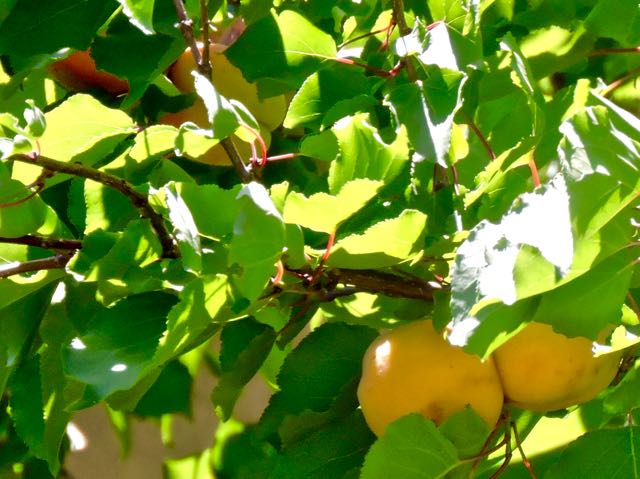
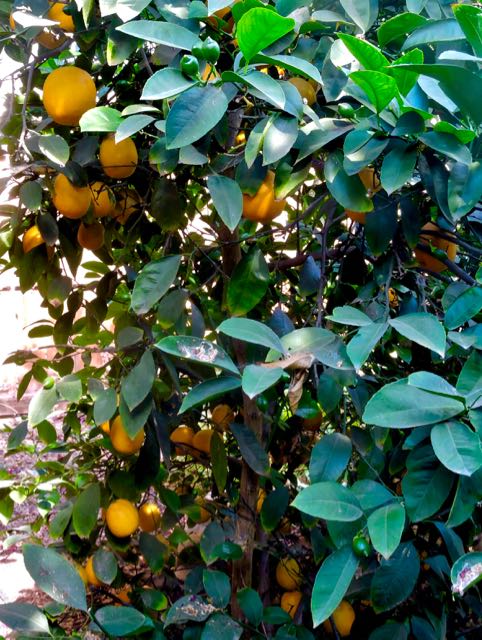
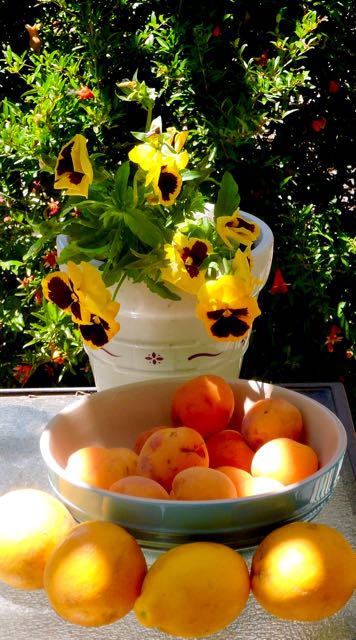
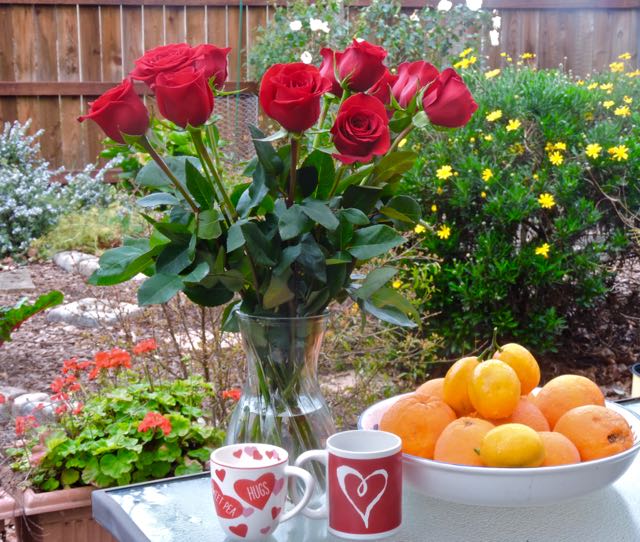
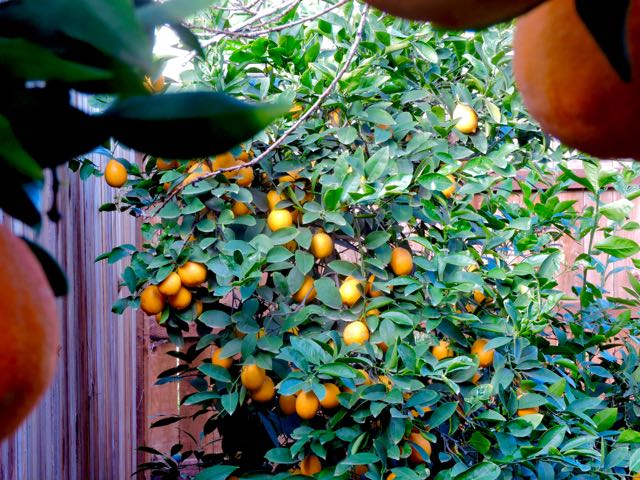
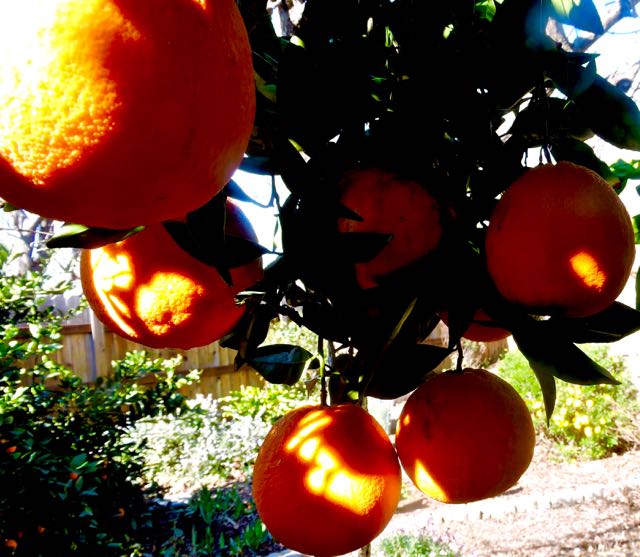
Oranges and Meyer lemons. As climate change gradually warms our region, bringing with it reduced snowpack in the mountains, sea level rise, and more devastating wildfires, two fruit trees in our garden thrive in the hotter, drier climate: the navel orange and the Meyer lemon. For the first time in our 15 years here, both trees have ripe fruit in November–and in huge numbers (see photos below).


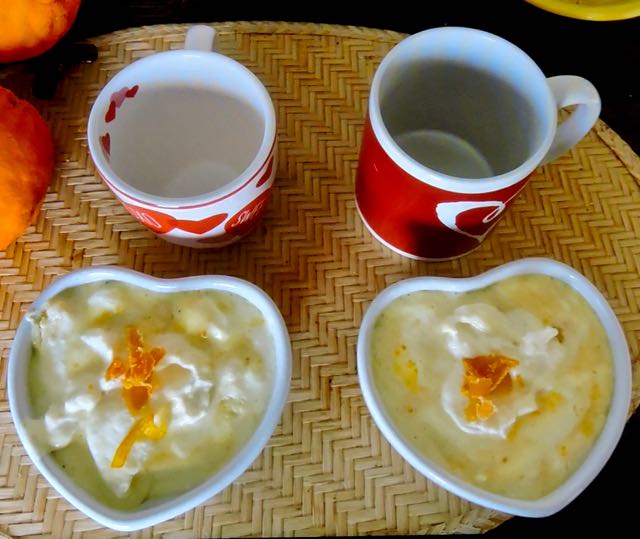
Last year, we had oranges in November that looked ripe, but were very sour. This year, I was able to make my first pitcher of orange juice (for our visiting family) with very little added stevia sugar. The oranges I used were only those that had fallen from the tree (see at left).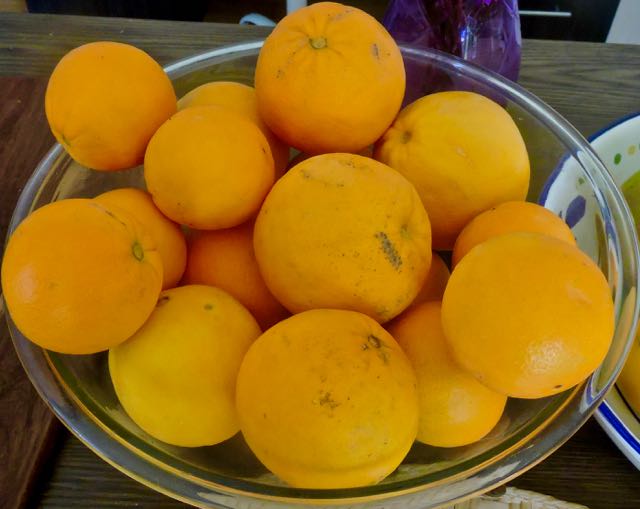
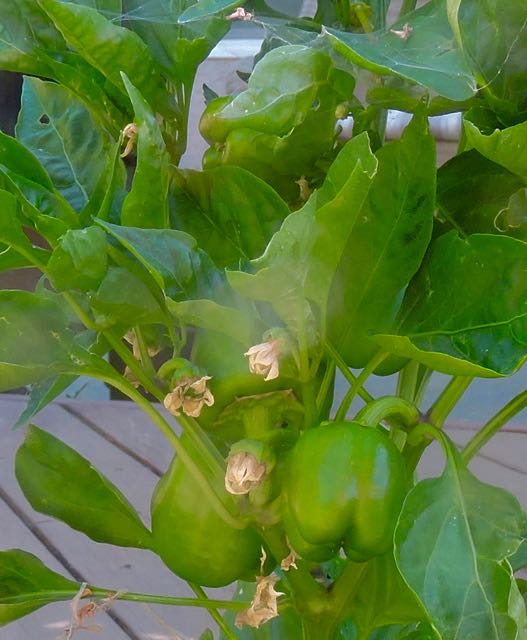
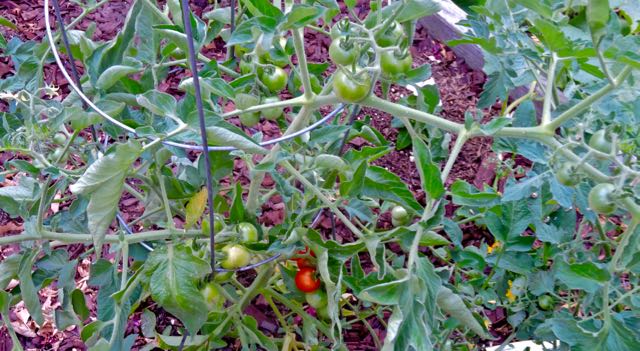
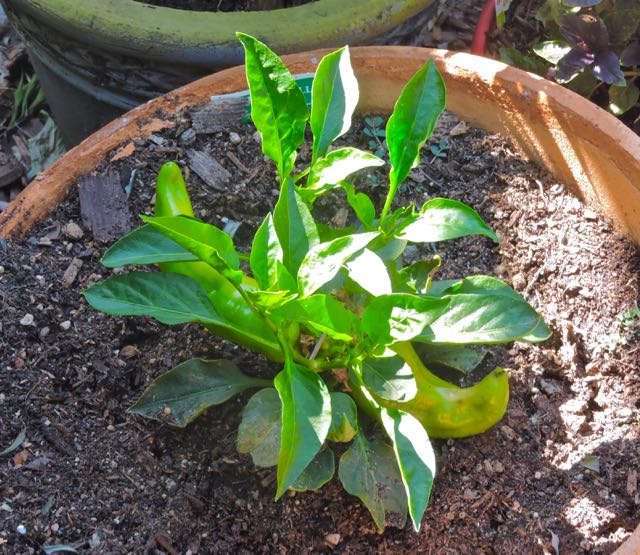
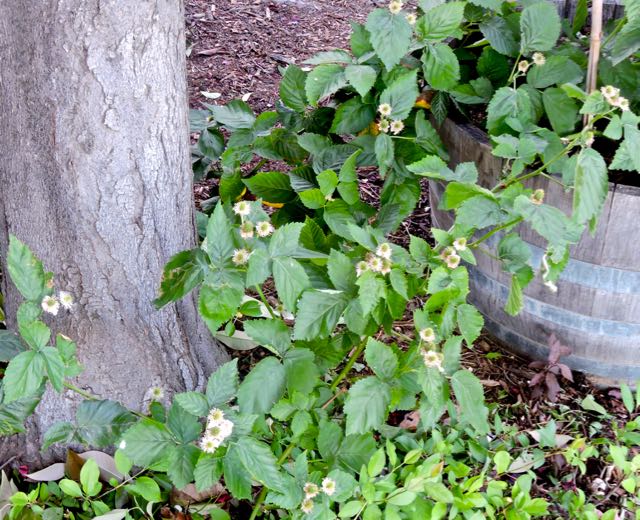
Peppers, chilis, and strawberries. The only summer veggies that remain in the garden are one mild yellow pepper, one very prolific Fresno chili pepper plant, and three potted strawberries. All still have some new fruit, as the low temps remain in the 40s. No frost in sight.


The November 2021 Gallery


And on to December, with hopes for more family gatherings in the coming year.
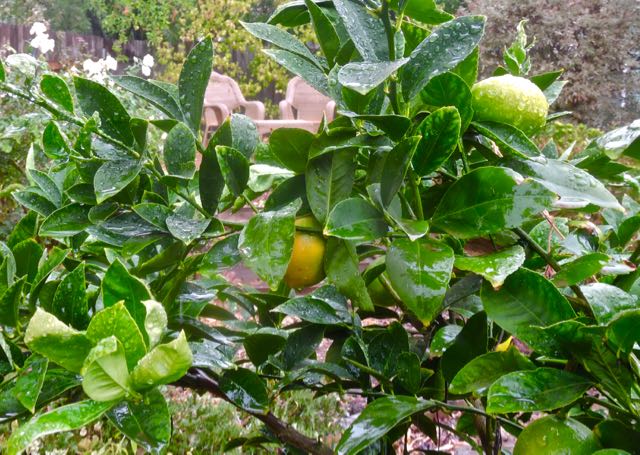
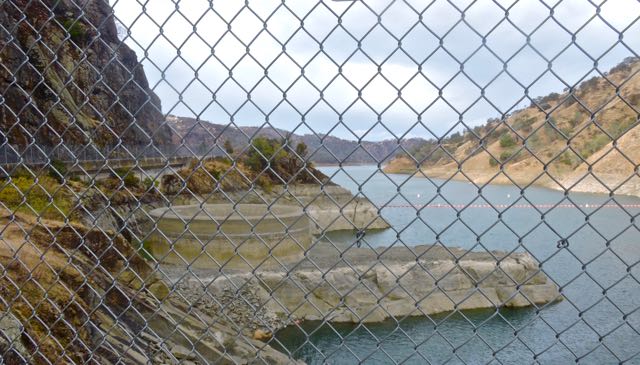

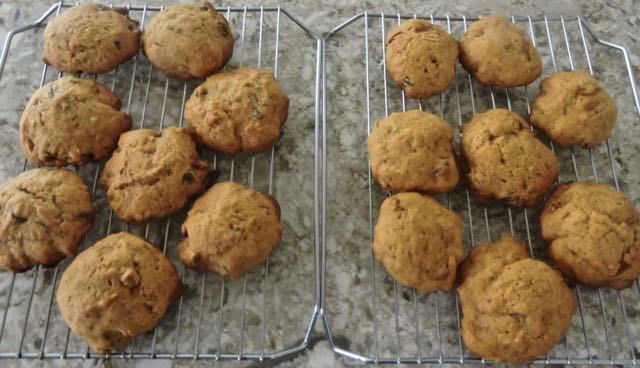


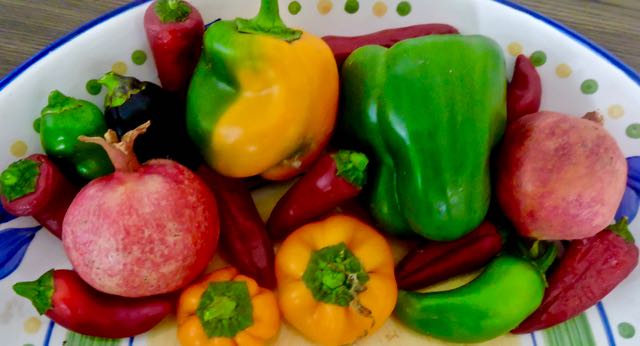






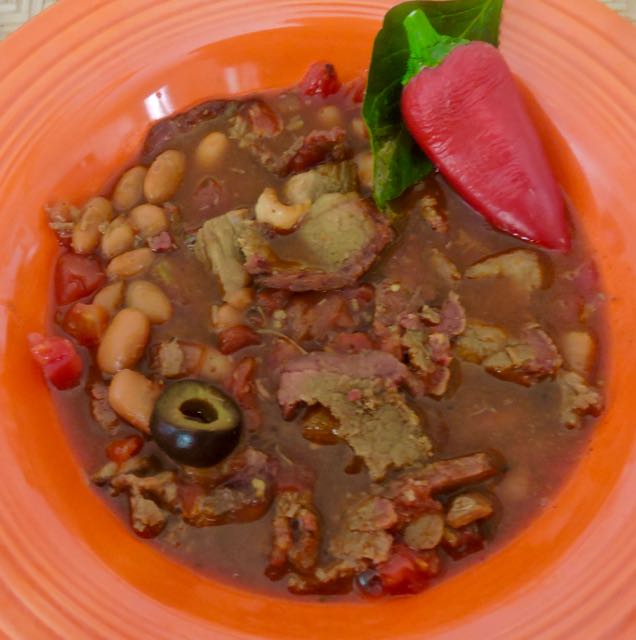
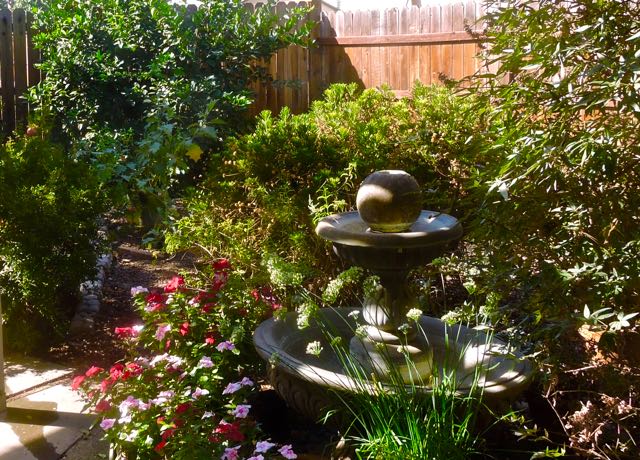
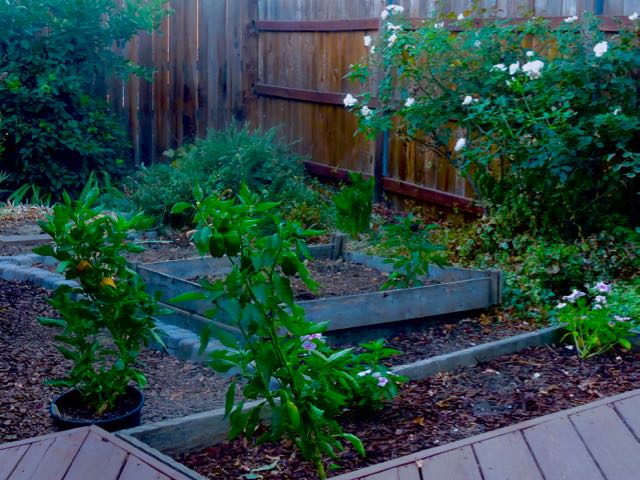
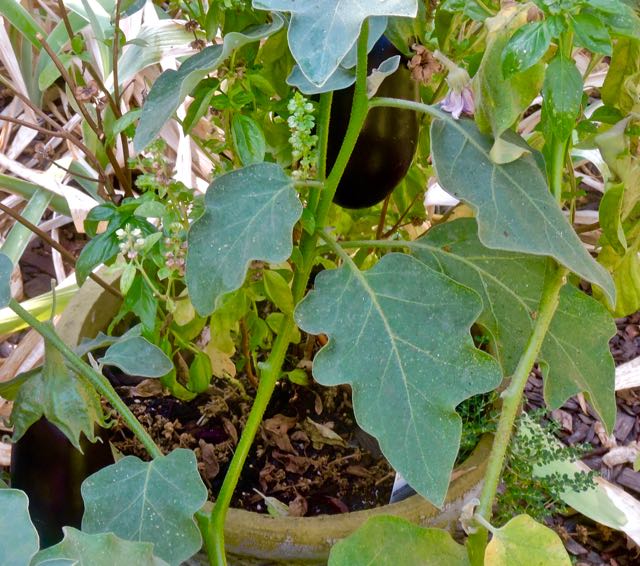


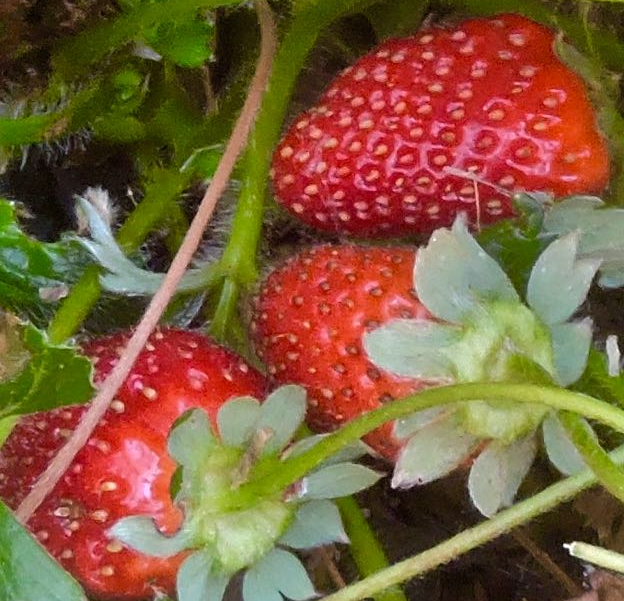


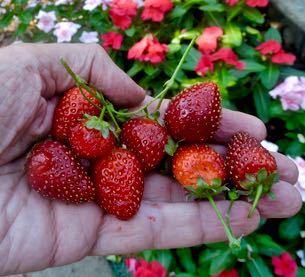
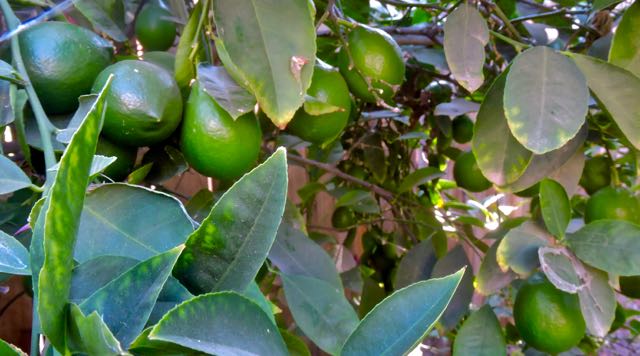


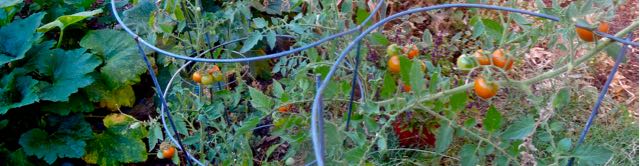




 Photo above from LA Times article, “Klamath farmers grow fish to quell a water war,” July 23, 2021.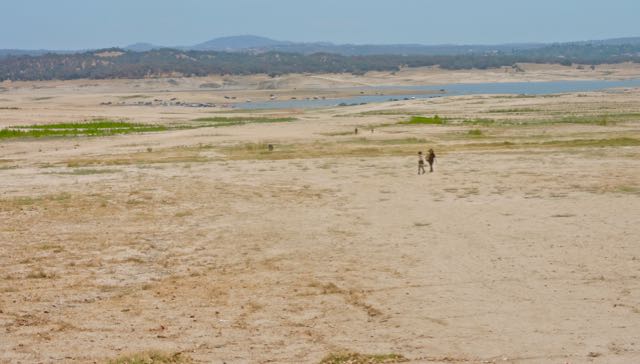
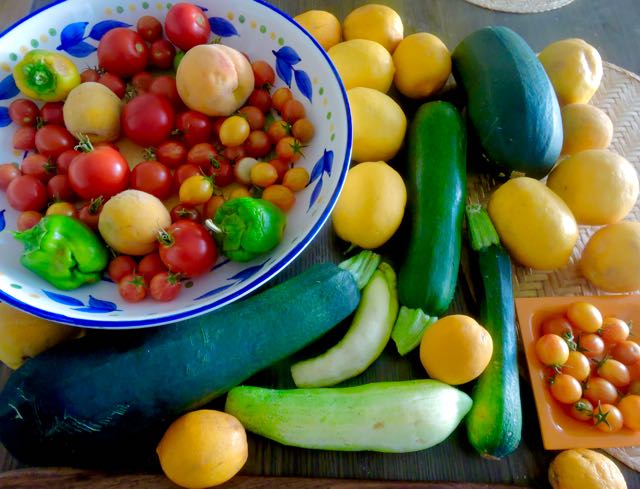

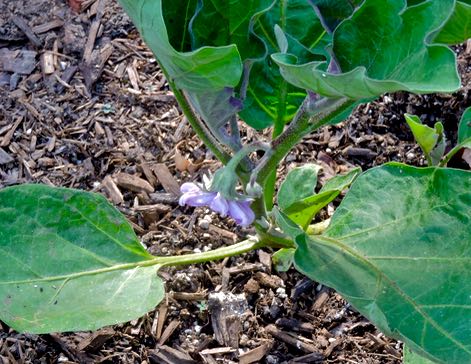
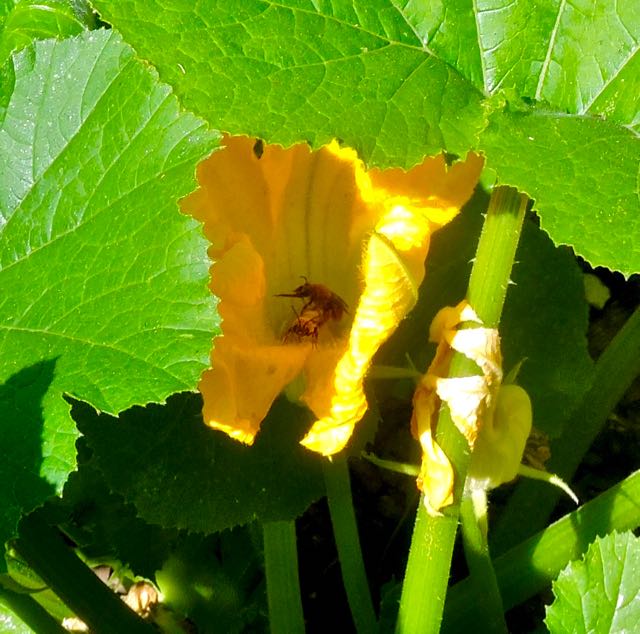
 Eggplant: The two Black Beauty eggplants are a dilemma for me in this garden. As always, they are late fruiters, usually not forming fruit until July and sometimes not being fully grown until late August or September, even though the seedlings went into the ground in April. If it weren’t for the fact that these two keep showing gorgeous lavender and yellow flowers and broad light green leaves, I’d consider pulling them out in this season of scarce water. But I have hope for these beauties.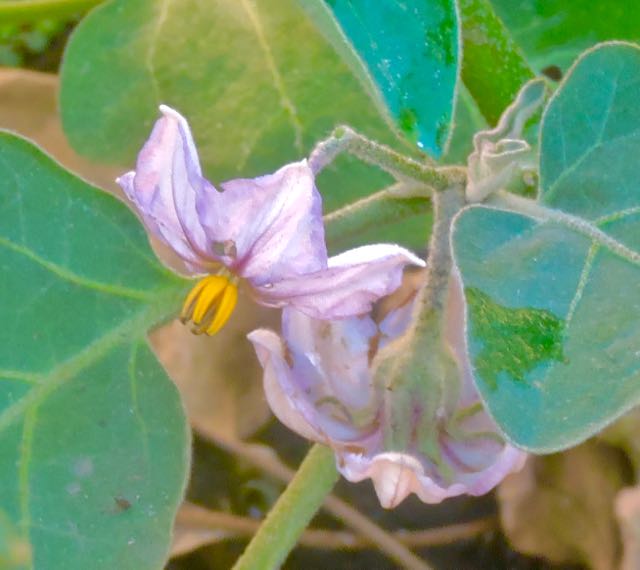









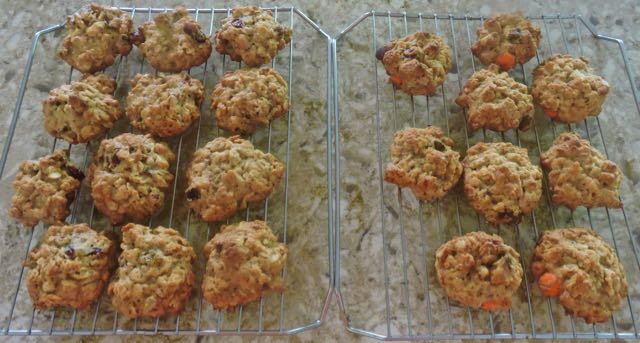 Two types of oatmeal cookies: (1) with walnuts, raisins, dates, and dried cranberries (left) and (2) with chocolate chips, Reese’s pieces, and walnuts (right).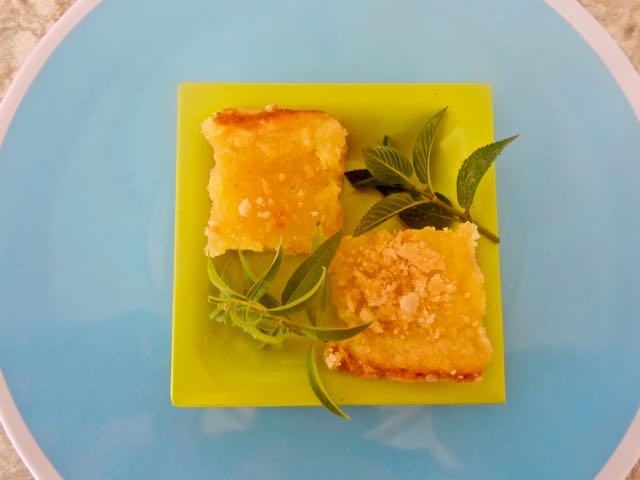







 Still, the worldwide prognosis is not so rosy. Yes, the vaccines work, but we rich nations must distribute them to all parts of the world. Part of the new normal is recognizing that viruses will keep mutating and strengthening as long as there are hosts. That fact means that today’s victory in the most prosperous parts of the world can be turned to disaster everywhere if we don’t keep up the good work for all the world’s peoples.























 From Sacramento to Potomac: Tales of Two Valleys