August 2025: Garden, Lake, Ponies, and Living Shorelines

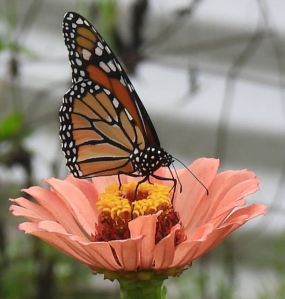
Monarch feeds on Peach Zinnia in our community garden, August 14

In this month’s blog:

Bounty and Beauty in the Late Summer Garden
Climate Log: Fighting the Good Fight–Ponies, Storms, and Living Shorelines
The August 2025 Photo/Video Gallery: Wildflowers around Our Lake and More from the Eastern Shore
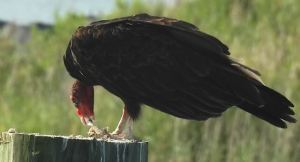
Turkey Vulture eats meal atop post along the shore on Tilghman Island, Eastern Shore, Maryland, August 17

*************************************************

Beauty and Bounty in the Late Summer Garden
Sachem Butterfly in Orange Marigolds, our garden, August 15

In August, our garden this year reached its apex in productivity, with some plants starting to decline, a few exhausted, and others still going strong–or even making a comeback. On August 22, the Community held its annual Garden Potluck, where gardeners from the five collections of plots across town came together to share stories about what worked and what didn’t, ask each other for advice, and bring dishes made from our produce and other goodies.
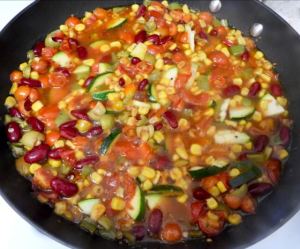
Chris’s Three Sisters (corn, squash, beans) stew, with zucchini, yellow squash, tomatoes, and green peppers from our garden, served at the Community Garden Potluck, August 22

So how have the diverse plants done this August?

  1. Still going strong: Plants still producing with no let-up in our plot are the profuse marigolds (yellow and orange), white and pink vinca, the spreading zinnias, one amazing green pepper plant,  hot burrito pepper, herbs (rosemary and oregano), and the late blooming and very tall cosmos.
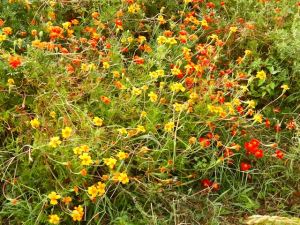
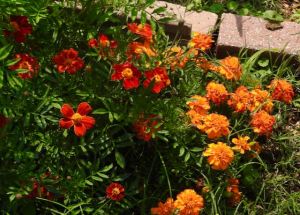
Marigold explosion, still vibrant, morning, August 28
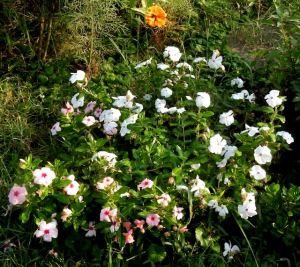
Pink and white Vinca happy in our garden, August 8

Translucent magenta Cosmos blooms, early morning, August 8
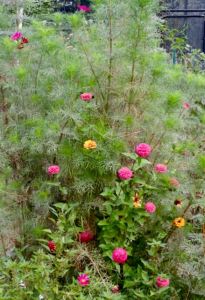
Zinnias and cosmos, still brilliant, morning, August 28
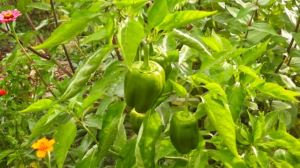
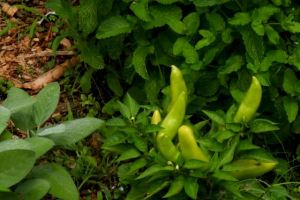
The last of 3 mild pepper plants, still producing, morning, August 28

2. Starting to decline: our three varieties of tomatoes: Husky Cherry Red, Juliet, and Sweet Millions–the most productive tomatoes we’ve ever grown and still putting out 2 dozen or more per day.
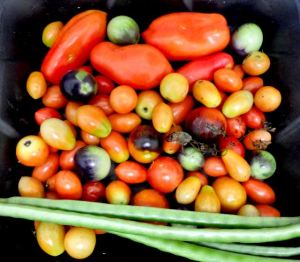
One day’s produce from our garden plot and that of a generous neighbor, August 8

3. Exhausted after production since April: Zucchini (May to mid July), Mint (May to mid August), Strawberries (April to end of July), Blueberries (April to June), Yellow Squash (May to mid July), Coneflowers (May to end of July), Swiss Chard (May to early August), Thyme (May to end of July)
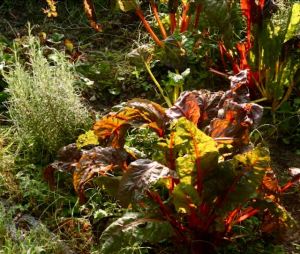
Early morning sunlight through Swiss Chard, with Rosemary, August 8

4. Making a comeback after early success: the royally-hued Dahlias
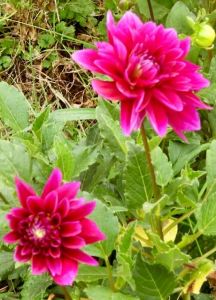
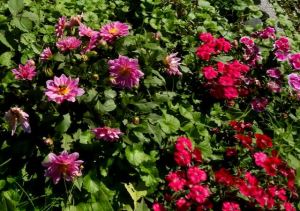
Our Dahlias were colorfully prolific in May and June, and now have returned in August!

As we look over the five months so far of this new garden venture for us, three features stand out. The first is the large amount of rain we’ve had this half year (about 12 inches) compared to the deep drought our fellow gardeners went through last year. The second is how this prolific small plot has surprised us each time we visit (about every other day) with the uniqueness of the growing and fruiting patterns of each plant. Each one indeed has its own personality.

And the third feature is the absolute splendor of the creativity and dedication of the many friendly gardeners we’ve encountered and gotten to know. This collection of garden plots is an entreprenurial place, where the living soil, air, water, seeds, pollinators, microbes, and loving humans cooperate to make many, many small miracles from day to day. With more miracles yet to come in the rest of the year!

An American Goldfinch calls from across the garden plots on the early morning of August 12

******************************************************************

Climate Log: Fighting the Good Fight–Ponies, Storms, and Living Shorelines

Female Osprey preens on her nest in the marshes of Tilghman Island on Maryland’s Eastern Shore, August 17

As the Trump administration keeps

  • denying a changed climate of ever more dangerous heat, drought, and floods
  • defunding protections for animals, plants, and human beings, and
  • intensifying the burning of poisonous fossil fuels,

groups and localities around the US are fighting back through local and regional actions that try to sustain healthy living for all creatures. What can we as Americans do to promote health and counteract these dangerous anti-life actions by the new regime? The New York Times series “Fifty States, Fifty Fixes” https://www.nytimes.com/interactive/2025/climate/50-states-fixes.html is one effort. It asks readers to contribute their own examples of life-saving actions in their own communities–and thousands of readers throughout the nation have answered the call.
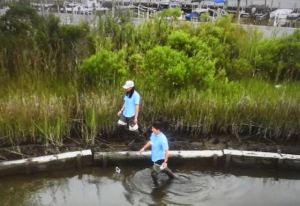
“Living shoreline” built with natural materials near Lewes, Delaware, August 21 (New York Times photo)

One such coordinated action–now being replicated in other states–is the “living shorelines” project in Delaware. “Living shorelines” https://www.nytimes.com/2025/08/20/climate/delaware-living-shorelines.html uses natural materials, including the power of plants and soil, to recreate the marshy wetlands destroyed by sea level rise along US coasts. These living shorelines are far more effective than the concrete and rocky barriers often used to delay coastal erosion. Not only are the living shorelines of deep-rooted plants stronger and more lasting than artificial barriers–but they provide homes for water creatures and in fact grow steadily more diverse and broader as time goes on.
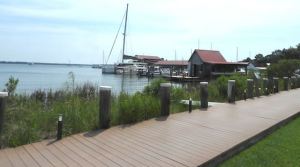
On our recent trip to Maryland’s Eastern Shore, we saw the living shoreline at the Maritime Museum in St. Michael’s, August 17

Protecting the Marshes, Coastline, and Precious Ponies of Chincoteague, Virginia.
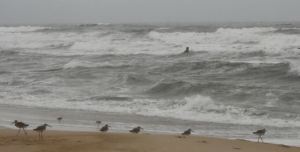
On our visit to the Eastern Shore, we joined a few surfers, several park personnel, and a beach full of Lesser Yellowlegs and Laughing Gulls riding out the effects of Hurricane Erin, August 18, on Assateague Island

Misty and Stormy. If you’ve been to the Atlantic Coast’s Chincoteague Island, Virginia, just across the Maryland state line, you probably know the story of Misty, the pony made famous by writer Marguerite Henry in the 1950s and 60s. Her 1963 sequel, Stormy, Misty’s Foal, describes in sad detail the tidal storm that took the lives of so many of the islands’ legendary ponies–which the states and the National Park Service have protected for over 100 years.
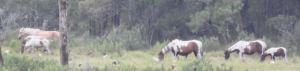
Six ponies in an Assateague Island saltgrass marsh, early morning, windy, rainy August 19. Care by national and state park personnel have extended life spans of the ponies, as well as their protecting the marshes and shorelines https://www.delmarvanow.com/story/news/local/maryland/2015/06/02/assateague-pony-population-aging/28347157/

We visited Chincoteague and Assateague islands on August 18-20, just as Hurricane Erin was moving up the Atlantic and beginning to build a storm surge on the coast. The whipping winds and intermittent rain made for a lively time for us and the birds, but the ponies and waterfowl were easily up to the task, as were the park personnel. The protection of shorelines and marshes in the Chincoteague National Wildlife Refuge is a model of what federal, state, and local cooperation can accomplish.

A Lauguing Gull fights the wind on Assateague Beach, early AM, August 19

The pony herds draw many thousands of tourists each year–and the grazing ponies were on magnificent display in the saltgrass marshes visible to drivers for hundreds of yards beyond the roads of the refuge. We were able to get beautiful views of one herd and of their symbiotic relationship with the egrets and gulls who flock among them. In this video, Jean reads from Stormy, Misty’s Foal as I scan the herd and the birds. This excerpt is Marguerite Henry’s recounting of the legendary history of how a Spanish shipwreck in the 16th century brought the ponies to Assateague:

As we scan about a dozen members of the pony herd and their accompanying birds in the Assateague marshes, Jean reads from Marguerite Henry’s Stormy, Misty’s Foal (August 19, early morning in the rain)

Here are a few more of the photos and videos from our visit to Chincoteague and to the Wildlife Refuge (see a few more pics and clips of our visit to the Eastern Shore in this month’s Gallery, too).
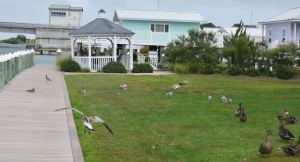
Laughing Gulls and male and female Mallards beside our hotel in Chincoteague, August 18

Two surfers in the high waves, Assateague Beach, August 19, early morning rain

Three Lesser Yellowlegs run in the wind and rain of Assateague Beach, early morning, August 19

Large flock of egrets and four ponies active in the early morning wind and rain, Assateague Island, August 19

***********************************************************
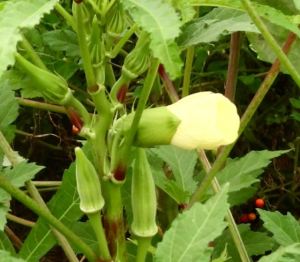
Okra plant and bloom from the Tilghman Island Inn kitchen garden, Maryland, August 17

The August 2025 Photo/Video Gallery: Wildflowers around Our Lake and More from the Eastern Shore

Whereas our garden plot features what we’ve planted, our little lake provides a changing feast of wildflowers. The display changes as the months do, and new leaves, stems, and flowers appear, while others fade back or disappear until next year.  As citizens of our local refuge (even if not so named), these new flowers highlight the good work we humans do when we don’t do too much–and we let the plants and animals do what they are experts at doing.
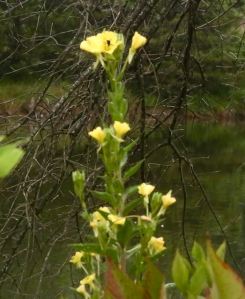
A Bee feeds atop this Evening Primrose on the east bank of our lake. These brilliant flowers appear along the lake in August, here on the morning of August 22

In much the same way, our visit to the Eastern Shore on August 16-20 let us witness ways, such as the St. Michael’s Maritime Museum and the Chincoteague National Wildlife Refuge, by which humans can assist nature by deliberately limiting commercial development and preserving native habitats. But beyond preservation, in exhibits like “Sailing to Freedom,” curating groups such as the Maritime  Museum go beyond preservation to call out past injustices, which are starting to reappear in the current political climate of censorship of diversity and the censors’ rewriting of history .
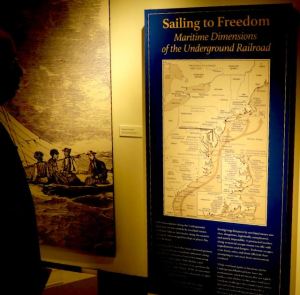
The multi-room exhibit “Sailing to Freedom” at the St. Michael’s Maritime Museum illustrates the rich but rarely mentioned history of enslaved people and their allies using boats and waterways to escape enslavement in the pre-Civil-War United States.
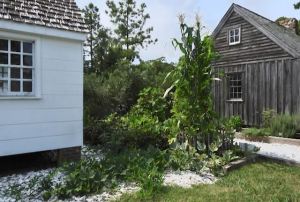
At the Maritime Museum is the re-located home of the sister of Frederick Douglass, where the garden includes a “three sisters” display of how Native Americans planted the 3 plants (beans, corn, and squash) together. Note how the bean vines encircle the corn stalk.

At the Maritime Museum in St. Michael’s, this skipjack is one of many vessels that have been restored to tell the history of the fisheries for over centuries on the Eastern Shore (Photo August 17)
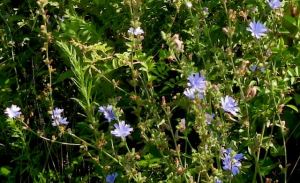
Wild Blue Chicory is one of the late summer wildflowers/herbs that grow around our lake, August 3
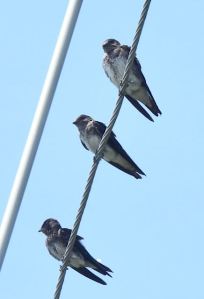
Purple Martins in the wildlife preserve at the tip of Tilghman Island, Maryland, August 17
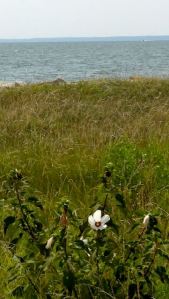
With the Virginia shore 12 miles across the Chesapeake Bay, a Swamp Rose Mallow blooms at the tip of Tilghman Island, August 17
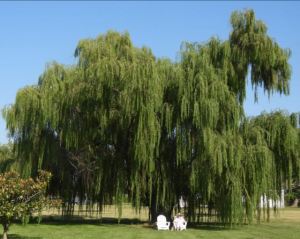
Magnificent Weeping Willow at the Tilghman Island Inn, August 16

In the Tilghman Island marsh beside the Inn, a male Osprey devours his catch, August 17

At the Tilghman Island Inn, a Black Swallowtail flits within Purple Top Vervain

Pokeberry in bloom along the north shore of our lake, August 3
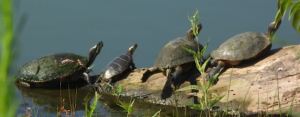
Four Red-bellied Cooters sun on a log at the north shore of our lake, just after sunrise, August 3

Bumblebee in Cutleaf Teazel on the north shore path of our lake, August 3
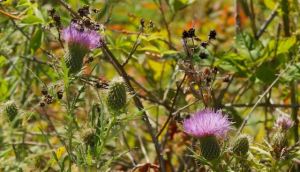
Two Bumblebees in 2 Purple Teazel, north shore, sunny noon, August 27

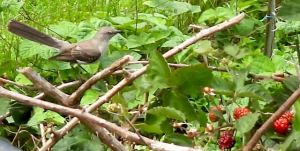
Grey Catbird flits amid Woodbine along the west bank of our lake, morning, August 3

The Chincoteague Fairgrounds, where for 100 years the people have celebrated the annual Pony Penning festival and carnival. Pony Penning https://en.wikipedia.org/wiki/Pony_Penning strengthens the herd and protects the land, while also giving new homes to young members of the herd among farmers and ranchers of the region. (Photo, August 20)
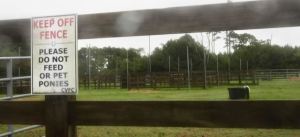
South Corral on Assateague Island, where ponies are rounded up for the swim across the channel on Pony Penning Day each year (photo August 19)

Four Herring Gulls on the roof of our hotel in Chincoteague, early morning, August 19
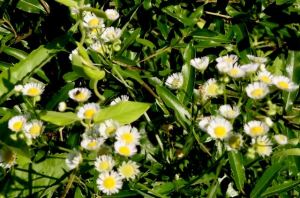
Daisy Fleabane display on the east bank of our lake, August 3
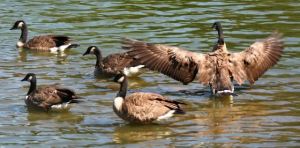
Five Canada Geese exercise in the southeast cove of our lake, sunny noon, August 27

Bumblebee in Swamp Milkweed on the east bank of our lake, on a breezy August 3

Panorama toward the south end of our lake on the morning of August 22, with Evening Primrose and prolific Horseweed in the foreground

Gallery Bonus: Raccoon crosses the trail at the Seneca Regional Park, visited on August 8

Bonus 2: At Seneca Park, a side channel of the Potomac River flows swiftly through the forest, August 8

And so on toward September, with continued courage to protect and celebrate the great diversity of life…

June 2025: ICE, No Ice, and Bounty in the Garden

Double-crested Cormorant preens and scans atop dead Oak, east bank of our lake, at sunset, June 8, while visiting Osprey looks on doubtfully

In this month’s blog:

ICE vs. Worker Shortages: More News from a Bizarro 2025
Climate Log: “No Ice” in Alaska; Here Comes the “Heat Dome”
Our Garden: Produce Galore in a Rainy Month
The June 2025 Photo/Video Gallery: Virginia Travel and Local Color

Honeybee sips from a yellow-purple Pansy in our garden plot, warm morning, June 18

*********************************************

ICE vs. Worker Shortages: More News from Bizarro 2025

ICE agents warn onlookers as agents handcuff one protester in Los Angeles (LA Times photo). From Jenny Jarvie and Grace Toohey, “Raids by ICE are stunning, but no surprise,” June 16

As I look at photos of Donald Trump’s Immigration and Customs Enforcement (ICE) agents surging unannounced into workplaces (Home Depot, clothing factories, etc.) then handcuffing people in Los Angeles last week and this, I have to remind myself that this is the strange, new US in 2025, not scenes of Darth Vader stormtroopers from Star Wars (see below). The likeness is uncanny, though: the masks, the armor, the heavy weapons, the lack of identification of any kind, the immediate violence. I’ve certainly not in my lifetime seen so-called “US law enforcement” acting as a federal government secret police force. Russian KGB and East German Stasi during the Cold War, yes, but not US law enforcement, which over recent years (and especially since 2021) has been trying to become more people-friendly and transparent in their tactics.

The five-month-old federal administration keeps trying to convince us that undocumented immigrants are an ongoing threat to US citizens and to our economy. But where’s the evidence? The claim is that these brown-skinned, admirably bi-lingual (English/Spanish) families are “taking our jobs,” as if there were a glut of workers in the US, and as if US citizens cannot find open jobs.

At last look, however (June 3), the US Bureau of Labor Statistics reported that there were “7.4 million job openings” in the US. That’s 7.4 million. Shortages of workers–not a glut–continue to be reported in many fields, including manufacturing positions, first responders, air traffic controllers, teachers, nurses, child-and-elder-care workers, hotel and restaurant staff, retail sales, construction workers, agriculture workers, etc., etc., as well as in the agencies that Elon Musk’s DOGE (Dept. of Government Efficiency) rampage of firings left understaffed.

To take just the first of those many categories, the New York Times (June24) analyzed data from the Business Roundtable (“Why Factories Are Having Trouble Filling Nearly 400,000 Open Jobs”) that pointed to severe lack of qualified applicants and the falling rate of community college enrollment.

Meanwhile, the workforce gets steadily older, as the percentage of over 65s keeps increasing and the US birthrate keeps declining.

Bottom line: this country needs more workers, not fewer.

So it’s extremely puzzling why the administration wants to deport all these workers–and why the President’s advisors want to terrify US communities into shunning places of business where ICE might attack next. What does this administration have against the people of the US and the businesses that fuel the economy? The ICE assaults in LA, for example, have left many prosperous economic hubs deserted (“LA Neighborhoods Clear Out, As Immigration Raids Send People Underground,” LA Times, June 21). Onlookers have seen adults and children grabbed off the street, no questions asked, and pulled into vans. People across these neighborhoods don’t want it happening to them or their loved ones. Would you?

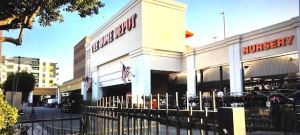
Home Depot on Sunset Blvd. in Hollywood, where ICE arrested dozens on June 19 (LA Times photo)

To make matters worse, Trump chief advisor Steven Miller earlier this month ordered the Dept. of Homeland Security (which controls ICE) to increase the daily toll of captures and detainments to 3000 per day! What can possibly be the goal of this frenzy? Why would Trump and Miller want to weaken the US economy and hamstring businesses by creating much greater worker shortages than those that already exist? What do they have against small and large businesses, who need more workers, and against us consumers–who will have to pay even higher prices as supplies dwindle because of a shrinking workforce?

According to the Business Roundtable (New York Times, June 24), a path to citizenship and aid to education for the undocumented could help ease the shortages of qualified workers (NYT photo)

******************************************************************

Climate Log: No Ice in Alaska–Here Comes the “Heat Dome”

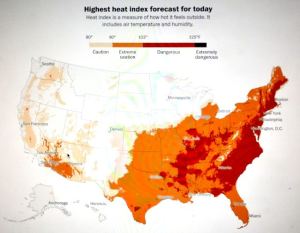
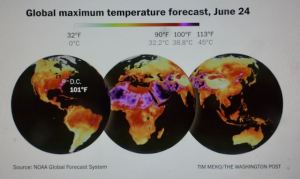
Heat Index in US, June 24 (Washington Post ) as the “heat dome” has arrived

As described in last month’s blog, Americans keep dying and being made homeless through record flooding in the US heartland, but with never a word of sympathy or even awareness from the current President. To add insult to injury, he’s gutted the Federal Emergency Management Agency (FEMA), which we had always depended on to offer emergency supplies and funds for rebuilding after such disasters. Instead, he wants the states (most often red states who voted for him in the 2024 election!) to foot their own bills for their stricken citizens. Because he and his appointees claim that climate change doesn’t exist–and all facts to the contrary don’t matter–obviously those record floods didn’t happen (or so their actions and inactions claim) and those stricken people and communities are on their own.

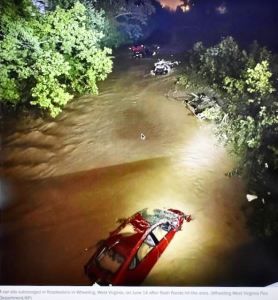
This month, the floods continued, and the administration again took no notice. The story (by Dana Hedgepeth, Washington Post, June 16) reported that 4 people died in flash floods in West Virginia on June 15. One state official said, “I’ve never seen anything like it,” but cries for attention like that fell on the deaf ears less than 200 miles east in DC.  Moreover, as one of the nation’s poorest states, West Virginia is in no position to deal with the destruction without federal help.

West Virginia flash flood damage, June 15 (photo by Wheeling, WVA, Fire Department/AP)

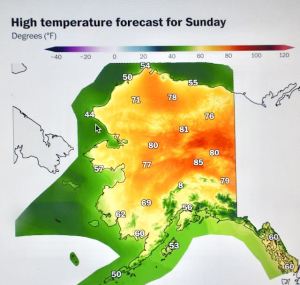
At the same time that the heartland floods were still occurring, the Post was also reporting (Ian Livingston, June 16) that “Part of Alaska is Under a Heat Advisory: That’s a First.” https://www.washingtonpost.com/weather/2025/06/13/alaska-first-heat-advisory/

Temps across Alaska for Sunday, June 22 (National Digital Forecast Database and Washington Post)

If you are among the great majority of US residents who acknowledge the climate change that our President says doesn’t exist, you will take note that these unprecedented June forecasts are part of the “heat dome” pattern that is becoming more frequent worldwide (“June is the New July: Why Intense Summer Heat Is Arriving Earlier,” Washington Post, June 25) https://www.washingtonpost.com/climate-environment/2025/06/25/global-heatwave-climate-change/

Worldwide heat map from NOAA, June 24, in Washington Post, “June Is the New July”

According to even Fox Weather (almost always a mouthpiece for the President), “heat domes” are especially powerful high-pressure systems that can be 1000 or more miles wide and long. The domes can

  • move steadily eastward in the US,
  • last for days until a stronger system erodes the dome, and
  • produce record-setting temps and humidity.

Now, this week,the “dome”–with temps close to and perhaps over 100 in the Northeast US–will have affected during its run three quarters of the US population.

And it’s only June. But please, if you accept the President’s Bizarro version of things, don’t believe what the weather people–who know what they’re talking about–are telling us. If you want to stay completely Bizarro, just nod your head at whatever the administration tells us.

Fox Weather infographic on the current “heat dome,” June 20

**************************************************************

Our Garden: Produce Galore in a Rainy Month

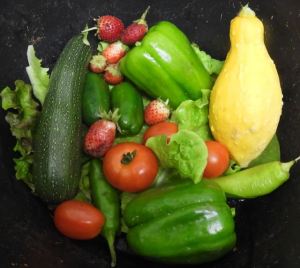
On a rainy morning, June 16, we collected this produce from our small patch in the community garden

The “heat dome” described above has just reached us in Virginia, but until this point in June we’ve had substantial rain (3-4 inches!) and moderate temps–so our 225-squ.-ft.garden has been producing magnificently.

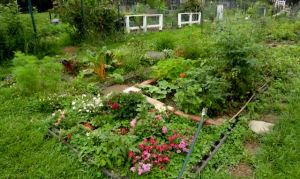
Our 15′ by 15′ garden of diverse flowers and veggies has filled fruitfully over 2.5 months, as have the gardens of our hard-working neighbors (June 16)

Here, by contrast, was our garden just two months ago:

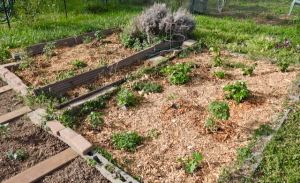
On April 25, here was our garden, with all plants in ground, newly mulched, and with veggies and flowers beginning to thrive in the steadily warming temps.

Three types of tomatoes, four types of peppers, two blueberry bushes, zucchini, crookneck squash, strawberries, Swiss chard, thyme, oregano, mint, rosemary, and sage have grown steadily since late April–and now daily produce delicious edibles. Meanwhile, ebullient flowers–dahlias, dianthus, coneflowers, buttercups, vinca, snapdragons, cosmos, pansies, petunias, zinnias, salvia, the flowering herbs, and three types of marigolds bring pollinators to the garden and a rainbow of colors.

Magenta Dahlias and red and white Snapdragons, morning, June 20

We have gradually been getting to know our neighbor gardeners, most of whom have been growing in Virginia much longer than we have, and not only do they answer our questions readily, but they offer us some of their produce, as we offer ours.

Mockingbird in a neighbor’s Berry patch, morning, June 18

Weeding, of course, is an ever-present chore in this humid climate–the productivity of our garden includes lots of productive weeds! Because we are all organic gardeners, we’d rather weed than subject our plants, the pollinators, and our bodies to herbicides. Crab grass is torturous, but blue speedwell (AKA “creeping charley”), while prolific, comes up easily–and then comes back for more fun!

Multi-color Marigold display, all grown from seed, brings pollinators and dominates the crab grass that we pull from the garden, June 11

Conversely, we’ve always looked upon “volunteers”–plants that just show up uninvited–as opportunities to learn about new species. In our garden, for example, one volunteer was the Buttercups that have brought pops of yellow that complement the reds, pinks, purples, whites, oranges, and blues of our plantings.

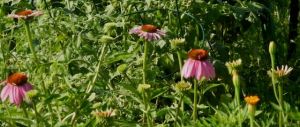
Our “volunteer” Coneflower plant, in full bloom and with more buds coming, morning, July 23

The majestic pink coneflower that emerged in late March as a “weed” is now a tall, multi-stemmed beauty that stands next to our “sweet millions” tomatoes. So what if it competes with two of our pepper plants? They all have enough room, even if crowded. And our two perennial strawberry plants? They also emerged in March to surprise us, and they produce better than any strawberries we ever planted in California.

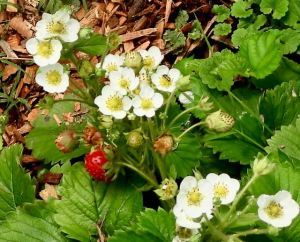
Tiny Bee in one of our two Strawberry plants, with many blossoms, morning, June 18

But here comes the heat dome. Now we get to see how our plants do in the hottest heat of summer. Bring on the “heat dome”! We’ll meet the challenge as best we can. We have experienced neighbors to help advise us.

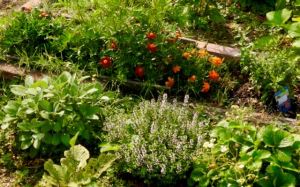
Sage, Thyme, Strawberries, Marigolds, Blue Aster in bloom, June 6

*******************************************************************

The June 2025 Photo/Video Gallery: Virginia Travel and Local Color

This month’s gallery includes, among a range of artifacts from our lake community and garden, photos from our trip early in the month to Tidewater Virginia and the historic towns of Williamsburg, Yorktown, Jamestown, and Gloucester along the York and James Rivers, where refugees from England encountered the indigenous Powhatan people for the first time in 1607, and where the English built their first settlements in North America. Professional historians, including four of our Virginia relatives, whom we visited on the trip, have done an amazing job of keeping alive this tumultuous 425-year history of immigration, conflict, rebellion, slavery, and warfare–but also the steady, progressive development of the democratic principles that have made the US great and that still, we hope, will continue to guide the future of the nation.

As we walk around our lake, Green Heron flies into the dead Willow Oak on the east bank of our lake, then preens and scans. Such serendipity!

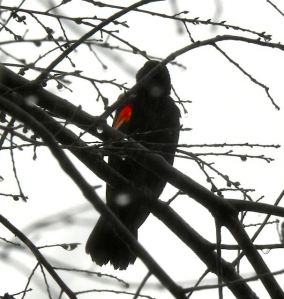
Red-winged Blackbird in the same Willow Oak, but on a rainy morning, June 16

Bumblebee in Juliet Tomato flower in our garden, morning, June 18

On our Tidewater travels, we toured Jamestown Island, where the first English settlement was built. Here I snap a Red-bellied Cooter in the marsh at the island’s edge, June 1

This simple cross commemorates at Yorktown the French soldiers and sailors who died in this final battle, 1781, of the American Revolution. Without the French aid and sacrifice, the Revolution would not have succeeded.

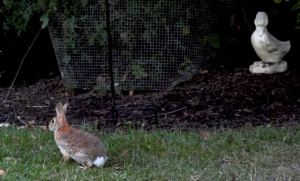
Cottontail beside duck statue, east side of our community, morning, June 20

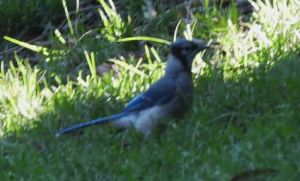
Bluejay in morning shadows along the southside path in our community, June 20

A pair of Cormorants scan along the lake from the west shore dock, rainy morning, June 16

Grey Catbird pair sips from puddles on north end path, rainy June 16

In our garden, Pink Dahlias with Honeybee and Red Dianthus, June 20

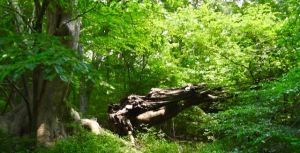
The majestic fallen trunk of one of 4 Yellow Poplar trees that still grow at historic Zion Poplars Baptist Church in Gloucester, VA, May 31. These poplars are honored as a Remarkable Tree of Virginia for their historical significance.

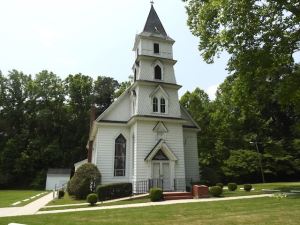
Zion Poplars Baptist Church, Gloucester, VA, May 31. This church was the first Black Church in Virginia established (1866) after the end of the Civil War. Early services at the church were held under the seven Poplars, of which four remain and which are pictured above.

Crookneck Squash blooming and fruiting in our garden, June 18

Husky Cherry Red Tomato plant in our garden, loaded down with fruit, early morning, June 23

Snapping Turtle, first sighting of the year in our lake, pokes head above water, lurks, then dives, June 20

Oxeye Daisies, St. John’s Wort, and Daisy Fleabane among June wildflowers beside the north shore of our lake, June 20

Common Moorhen male, my first sighting, in marshland at the Yorktown battle site, May 31

In our garden, Hot Burrito Peppers, Sage, and Mint plants, morning, June 18

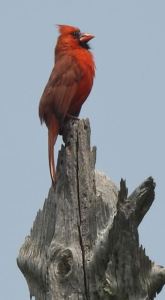
Cardinal male atop dead tree in the Jamestown Island marsh, June 1

Foundation of the original meeting house of the Jamestown settlement, 1607, and statue of explorer, writer, and founder John Smith, by the James River, June 1

Song Sparrow calls singingly from atop a young Willow Oak on the north shore of the lake, June 12

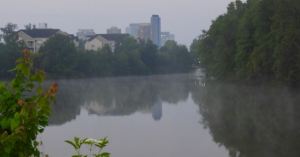
Before sunrise, June 11, mist rises from the lake, with Red Maple and Elderberry in foreground and downtown buildings in the distance

Mourning Dove on wire west of the lake, morning, June 12

Five House Sparrows try out the new yellow feeder on our porch, morning, June 17

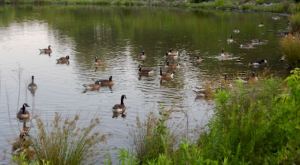
In two months, like our garden plants, the young ones of our Canada Geese families have matured from two throngs of fuzzy goslings to almost fully-grown adults. See the flotilla of 30 here in the Northeast corner of the lake, early morning, June 23

What adventures await us in the last week of June and into July?