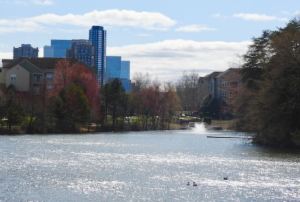
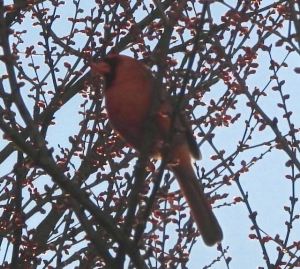
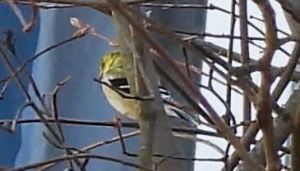
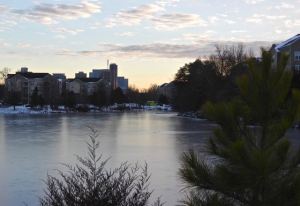
September 2025: The Rewards of Paying Attention

Late-season Monarch feeds amid Bearded Beggarticks west of our lake and near the highway, breezy morning, September 20. One of the great joys of walking around our lake are the surprises that I’m privileged to encounter, like this Monarch, the hidden Asters in the next photo, and the gorgeous new wildflowers that keep popping out month to month.

In this month’s blog:

Surprises of Paying Attention, Camera in Hand
Treasures of the Late-Season Garden
Climate Log: A Slow and Steady Worldwide Drying
The September 2025 Gallery: Wildflowers and Persistent Pollinators

**************************************************************
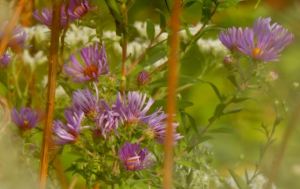
I spied these New England Asters deep within the field of wildflowers north of the dam, September 20

Surprises of Paying Attention, Camera in Hand

In “How to Count Butterflies” (New York Times, Sept. 15), the eloquent gardener Margaret Renkl writes:

God knows, our government doesn’t care about the health and safety of butterflies or any other species, including our own. For now, at least, it’s up to us to care. And the first step toward caring, as is so often the case in conservation, is getting to know our wild neighbors.

Paying attention is the first step in caring. Renkl observes closely the butterflies in her Tennessee garden, and her watching leads her to learn how to take the next step in caring: putting into her garden the plants that each species needs to feed its larvae–like the milkweeds the monarchs need:

Swamp Milkweed with Bumblebee, east bank of our lake, noon, July 4. Milkweeds are prominent on our lakeside

…or the showy, perfumy Japanese Honeysuckle that I’ve learned is a favorite food of the Zabulon Skippers, one of the tiny butterflies that grace our lakeside and our garden plot.
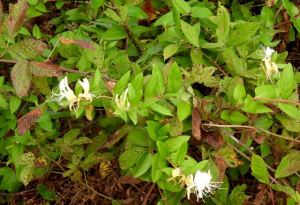
Late-season Japanese Honeysuckle entwining on the east bank of our lake, September 20
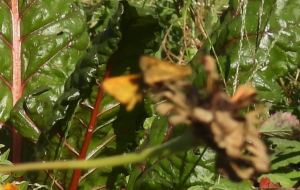
Mating pair of gold-brown Zabulon Skippers flutter on a fading Zinnia in our garden plot, September 19

Fortunately for me, so many of the resilient plants that populate our lakeside or that grow wild in our garden plot provide homes and food for the butterflies, birds, and bees. Even wild plants such as the tough, prolific Crabgrass that we pull as weeds, do necessary work for the pollinators, as I learn from the online sources curated by professional entomologists and citizen scientists. For example:

48 Common Brown Butterflies in The U.S. (with Pictures)

It takes a hard-working community of observers and professionals to help any of us really pay attention. I need to take the time to read as well as watch closely and often. Otherwise,  I’d persist in my ignorant destruction of essential plants. Fortunately, that persistent crabgrass finds plenty of room to grow among the colorful plants we cherish, like the marigolds and coneflowers.
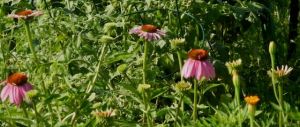
Our “volunteer” Coneflower plant, in full bloom and with more buds coming, morning, July 23. “Weeds,” such as Crabgrass, grow amid flowers, and there’s plenty of room for all.

My trusted assistant–my camera.

If we don’t pay attention–the first step toward caring–it’s not likely that we’ll go on to the next steps. To help me pay attention, I take along my trusty camera, who allows me–actually forces me–to slow down my walk and try to do the careful work of

  • finding,
  • focusing, and
  • staying steady

My camera is an astounding tool, with its zoom lens, its automatic adjustments for light and color, and its versatility for still shots and videos. But it won’t choose its own shots–that’s my job, because I can’t grow and really pay attention if my mind is not intimately engaged in watching and choosing. Likewise, after my walks and picture-taking, I use the Apple editing tools to look even more closely at what my camera has captured, and to try to clarify even further what I’ve observed and to highlight details–particularly aspects I’d missed–to make my paying attention deeper. Even a single shot can offer ongoing opportunities to see more and more in a single scene, often well after the photo was taken. So paying attention is not a single act, but an ongoing adventure.

One of our Great Blue Herons, preening atop the dam structure at the north end of our lake, on a warm September 14. Their movements–and their stillness–are always fascinating to me, and the videos help me keep learning about them..

This photog among the other walkers.

The other walkers who go around the lake pay attention to different things which are important to them, which may not be the flora and fauna they pass. I’d say all our community humans use the path to exercise in the open air, but what we do on our walks varies greatly. Many use the path to walk their dogs, and so I meet many canine species that way. The dogs always pay attention to what they see, hear, and smell. Another group of walkers are exercising their babies, toddlers, or older young children.  I like to observe the interactions between the kids and their adults, and I’m happy to see how often the kids look around and even point at what they are passing.

Beggarticks, our most brilliant September flowers, and a Bumblebee wave in the breeze in the southeast cove, as a Fish Crow, Wren, and Crickets call, morning, September 13

Less satisfying for me are the 50% of strollers who are carrying on phone conversations, either with business colleagues, potential clients, or family and friends. Many of these folks look at the ground and often have pained expressions. Some of these conversations are sufficiently loud to scare away birds, and I must admit that these talker/walkers annoy me.

I almost never see another walker with a camera, nor a person who has actually stopped to look closely at a plant. This I can’t understand, because the lakeside is so fascinating, at least to me. But to each their own.

I’ll even get the occasional question about my picture taking, the most common question being “Taken any interesting pictures today?”  l always say yes, but if I say what I’ve seen, and if it’s not a big raptor or an exotic species, most  just frown and walk on. But every once in a while, someone wants to talk about the birds and the other animals we see. and that’s always a joy.
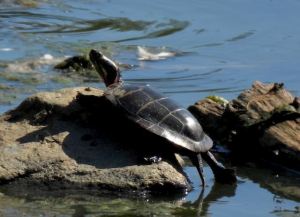
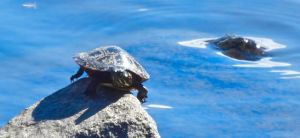
I’d love to talk about the Red-Bellied Cooters, who, like this one on September 13, take the sun on the rocks and logs in the lake whenever the temps get to 60 or so.

******************************************************************

Treasures of the Late-Season Garden
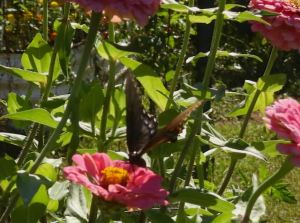
Pipevine Swallowtail Butterfly feeds on a Pink Zinnia in our garden, September 19

So September is moving inexorably into Autumn, and our garden plot moves into its next stage of fascinating life. We’ve had only one day of soaking rain in the past two months, but the frequent rains we had this summer set up the plot of veggies, herbs, and flowers for rich success. Our 4 tomato plants miraculously still keep producing, one pepper plant is still putting out new green beauties, and some of the flowers–like the vinca, marigolds, dahlias, and zinnias–either flourish or have kept some of their blooms.

Best of all, the steady warmth this month (highs into the 80s some days) has kept the Bumblebees and Butterflies still visiting, hovering, fluttering, and feeding.
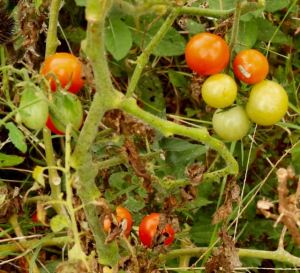
Sweet Millions tomatoes, 2 plants, just keep on giving us ripe gems, September 16
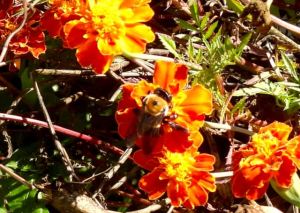
Bumblebee on Marigold cluster, morning, September 19

Cluster of Red and Pink Zinnias, with a tiny visiting Crossline Skipper, September 19
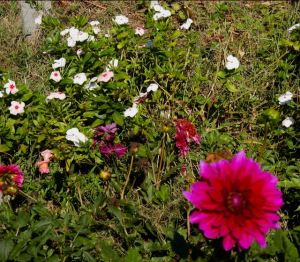
Magenta Dahlia with display of White Vinca, September 19

Aphrodite Fritillary Butterfly feeds on Yellow Orange Marigolds, September 19
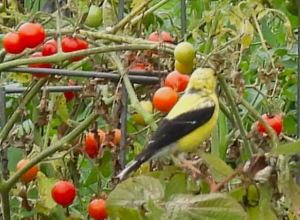
American Goldfinch perches among the Tomatoes in our community garden, September 16

Look for more photos/videos of our September garden in the Gallery (below). When all our plants will fade, and the pollinators move on into their next stages, is still in the future. Meanwhile, we enjoy.

********************************************************
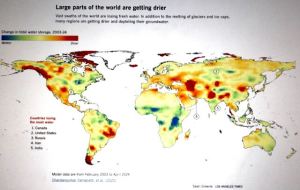
Climate Log: A Slow and Steady Worldwide Drying

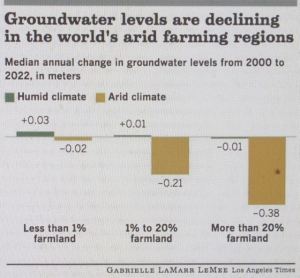
  • “Areas experiencing drying increased by twice the size of California annually, creating ‘mega-drying’ regions across the Northern Hemisphere.” Science Advances, September 2025

The title: “Humanity Is Rapidly Depleting Water, and Much of the World is Getting Drier,” almost says it all. The article in this month’s Los Angeles Times (September 3) by Ian James and Sean Greene summarizes a new study in Sciences Advances based on 22 years of satellite data.

https://www.latimes.com/environment/story/2025-09-03/global-drying-groundwater-depletion

The US and Canada are among the five countries (including Russia, Iran, and India) across the world losing fresh water fastest, as well as becoming rapidly drier. This is not news for this blog, which regularly shows data on the intensifying US drought from the US Drought Monitor (https://droughtmonitor.unl.edu ), but the data from 22 years shows the worldwide phenomenon.

The principal cause of the loss of fresh water is the over-pumping of groundwater (68% of the loss) from the world’s diminishing aquifers, mostly for agriculture, to make up for the overall loss of rainfall on the land.  As the world steadily warms through the burning of fossil fuels, the melting of the world’s glaciers and of the polar ice sheets sends water into the atmosphere and therefore increases rainfall over the oceans, which both decreases the amount of usable fresh water and contributes to the sea level rise that is endangering coasts and islands around the world. The world’s aquifers, which took millions of years to grow underground, have been depleted at an astonishing rate over the past few decades–as anyone who lives in farming areas around the US knows.

A second recent article, from the New York Times (Sept. 18), targets another devastating effect of global warming and intensifying drought: the great increase in wildfires and their intensity in the US. In our years in Northern California, we followed–and were affected by–the annual wildfires in the state. The closest we came to the fires themselves was in 2020, when the Lightning Complex fires came within eight miles of our home, the sky was orange, and ash from the smoke covered our plants (see the August 2020 blog entry). But even more distant blazes sent smoke our way, sometimes for days, and we had friends and relatives whose closeness to other fires affected us as well.

But while California always gets the lion’s share of attention about US fires, the map above shows that more than half of the continental US now suffers from wildfires and damage from their smoke. In the past year, states as far east as New York and Florida have seen wildfires–a trend that will no doubt continue. Just 2 years ago, the wildfires in the northern territories of Canada sent smoke into our area, and the Great Lakes states see and breathe smoke from the Canadian fires every year now.
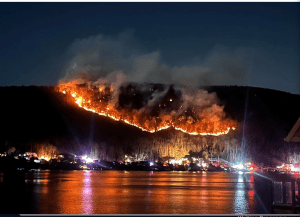
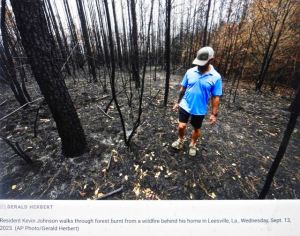
Wildfire on New York/New Jersey border, as this blog reported in November 2024

The article specifically concerns the increasing health affects, including increases in lung diseases and cancer, of these burgeoning fires. Unfortunately for all of us, the current federal Administration not only ignores but has steadily cut funding to help treat these worsening effects. The rollbacks

  • to environmental protections,
  • to emergency disaster funding,
  • to forest protection, and
  • to covered health care

will make the effects of this spreading menace more and more deadly–unless and until these damaging policies are turned around.

***************************************************************

The September 2025 Photo/Video Gallery: Wildflowers and Persistent Pollinators

More samples of the gifts we receive each day from the citizens of our local environment. We just have to pay a bit of attention, be thankful, and do what we can to help repair our endangered world.
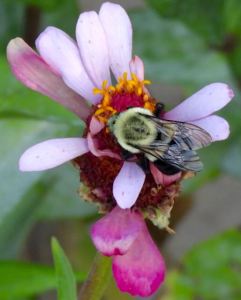
Large Bumblebee on tiny Zinnia, lake community, September 14

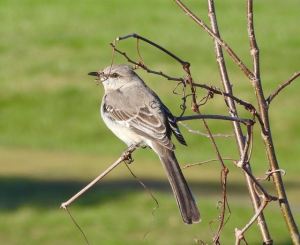
Mockingbird moves in Red Cedar in breeze, north end path beside our lake, morning, September 20
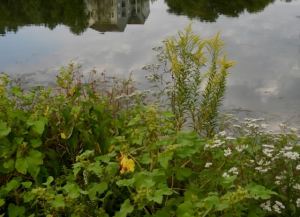
Common Cocklebur, Porcelainberry, Late Boneset, and Goldenrod along the northeast shore, morning, September 20
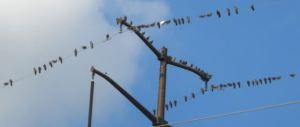
70 Rock Doves on the stanchion west of the lake, morning, September 20
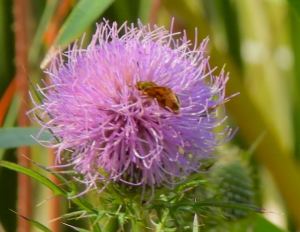
Tiny Sachem Butterfly in Purple Teazel below the lake, September 13

The outlet stream below the dam burbles through Goldenrod and Arrowvine, September 20
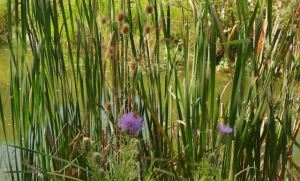
Cattails, Purple Teazel, and Cutleaf Teazel by the outlet pond below the dam, September 13

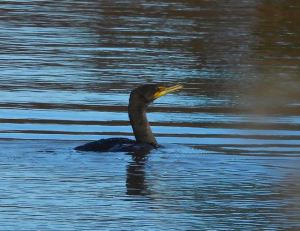
Double-crested Cormorant in mid lake near the west shore, morning, September 13
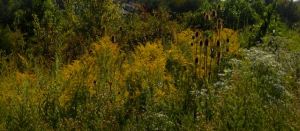
Since we moved back to Virginia in 2022, this is the first time that the field below the dam has been left unmowed all spring and summer, leaving it to the pollinators to thrive. Here, Goldenrod, Cutleaf Teazel, Silver Maple, and Late Boneset provide food and homes, evening, September 13

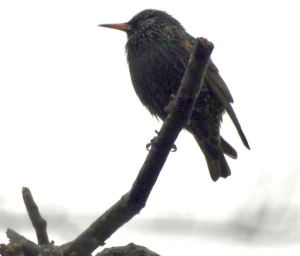
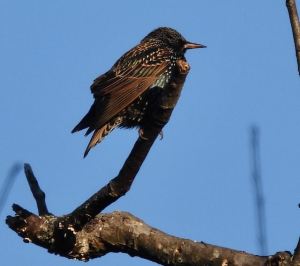
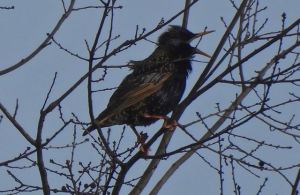
European Starling calls from atop a Red Cedar on the east shore of our lake, on a breezy morning, September 20
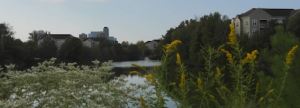
View down the lake toward downtown, with Goldenrod and Late Boneset in the foreground, September 20

Pipevine Swallowtail Butterfly dances on a Pink Zinnia, warm morning, September 19
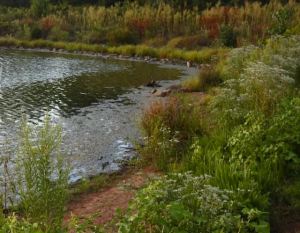
Northeast corner of our lake, with Late Boneset, Horseweed, and Porcelainberry, Cocklebur, evening, September 8
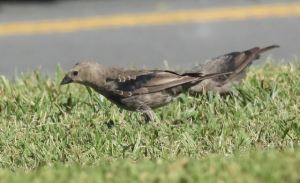
A flock of Brown-headed Cowbirds stopped by the community garden in mid migration, and I happily took this picture of a pair, September 3
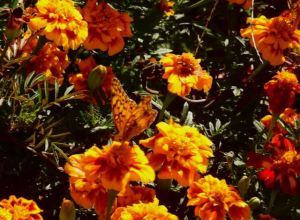
Aphrodite Fritillary Butterfly amid Marigold display, morning, September 19
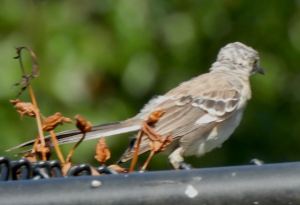
Mockingbird moulting on community garden fence, warm morning, September 3
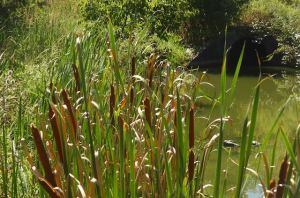
Outlet pool of our lake, with a Cattail festival, August 27
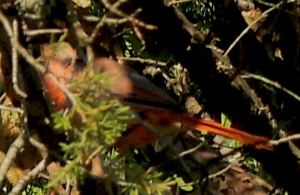
 

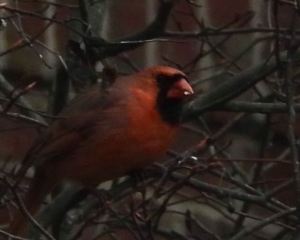
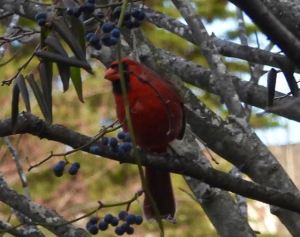
Male Cardinal hides in shadows in Bradford Pear, beside the outlet pool of our lake, September 13

Two Zabulon Skippers dance on a faded Zinnia in our garden, September 19
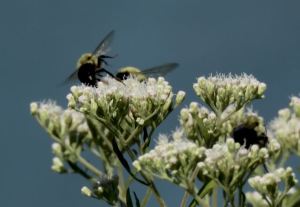
Three Bumblebees on Boneset blooms along the northeast shore of the lake, September 13

Two Bumblebees feed on Orange Marigolds, sunny morning, September 19
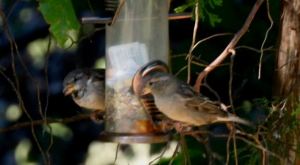
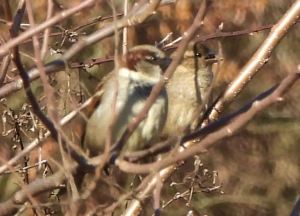
Two House Sparrows in shadows at bird feeder, east side of lake, September 13

Panorama of tiny Skipper Butterflies and Black Swallowtail feeding on Zinnias as a Bluejay calls, September 19

With a week of September still left, welcome to Fall, with hopes for an October of good surprises…
March 2025: New Spring, New Climate, New Garden

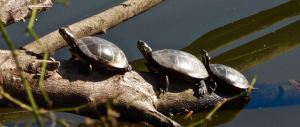
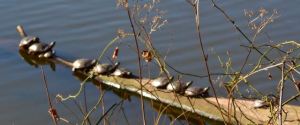
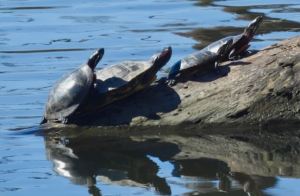
With warmer temps come the Turtles, who emerge above the surface once the temp reaches 60: four Red-Bellied Cooters on a log along the north shore of the lake, on a warm and windy March 18

In this month’s blog:

Wildfire USA: The New Normal
We Start a New Garden in a New Climate
Always Time for St. Paddy’s Day and Cherry Blossoms
The March 2025 Photo/Video Gallery: New Sightings in Nearby Places

A Tree Swallow–first sighting!–and a male Red-Winged Blackbird share the rail of the dam structure at nearby Lake Newport, on a cool, cloudy March 16

***************************************************

Climate Log: Wildfire USA: The New Normal?

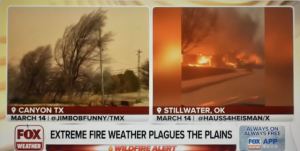
Exceptional drought in Plains states leads to wildfires from Texas and Oklahoma north through Kansas and Missouri (USA Today and Fox Weather, March 14)

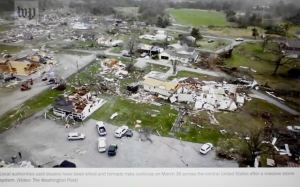
Though you’ll never hear a word about this from the new federal administration, for whom climate change, they say, “does not exist,” even the Fox Network can’t ignore the extreme drought conditions that have been ongoing for at least two years now in the Plains states–and the frequent wildfires that are now defining late winter in the middle of the country.

High winds and storms in the Plains states were accompanied by tornadoes, like this one that touched down in Missouri, March 14

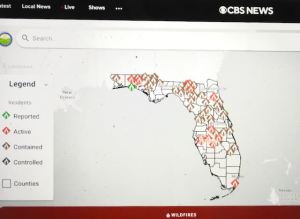
Wildfires in the drought-plagued Plains states are dreadful enough, but now Florida joins the parade of drought-ridden states with fires up and down the peninsula.

This map from CBS News on March 20 shows “active fires” in most regions of the state, even toward the Keys and across the Panhandle.

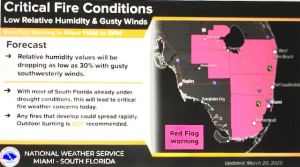
While we’re used to hearing about hurricanes there in summer and now fall, plus high ocean temps and sea level rise along its coasts year-round, drought has become yet another climate concern in the Sunshine State.

National Weather Service warning for Miami and South Florida, March 20

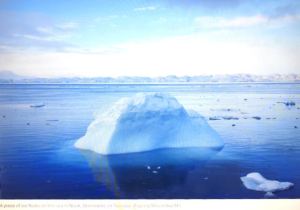
Much farther north, the climate news this month (and this is no surprise at all) is that yet another record was set for the earliest melting of the Arctic Ocean ice cover, as reported in the Washington Post by Brady Dennis, March 6.

Greenland ice chunk in melting Arctic Ocean (Evgeniy Maloletka, AP photo , March 5)

It’s particularly noteworthy that the Trump/Musk administration is very interested in the U.S. acquiring Greenland as a territory. If they truly believed that there was no climate change, they’d assume that this melting was a temporary weather event. But their claim that climate change doesn’t exist is really just pretense, used by the fossil fuels cartel to justify the administration’s rollbacks of environmental protections and their attacks against renewable energy. The cartel and their political enablers know that the melting is part of the worldwide warming trend, and so the administration wants Greenland–just as they want to acquire Canada–as a military and trading launch pad for shipping across the now watery Arctic, as Forbes’ Garth Friesen, among others, reported in January 2025 in “Why Trump Wants Greenland.”

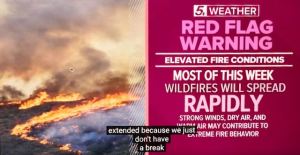
In this new normal of drought and higher temps, and while environmental rollbacks continue, we can look forward to more wildfires in more places. Indeed, just today (March 26) there are National Weather Service “red flag warnings” in the western edges of Northern Virginia.

Wildfire on New York/New Jersey border, as this blog reported in November 2024

***************************************************************************

We Start a New Garden in a New Climate

In our new garden plot, our first flower seedlings, March 22

For the first two years since our move from California in 2022, we had been on a waiting list for one of the highly-coveted garden plots in the four large clusters of plots maintained for residents by our urban/suburban town association. Finally in late August 2024, a 190-square-foot plot 2 miles from our home lakeside community came open and we leaped on the opportunity. Although this plot would be a far cry from the almost 2000 square feet of garden we had gloried in for 17 years around our home in the Sacramento Valley, and which had been the basis for this blog from 2015 to 2022, we promised to make the most of this new setting.

Cauliflower growing in our first small fall/winter garden plot in our town, November 24, 2024

On this small new plot, we planted three veggies suited to fall growth: broccoli, cauliflower, and red cabbage. In hopes that they would also thrive, we experimented with flowers, too: the perennial chrysanthemums we knew would be happy in October and November, celosia, and gerbera daisies–plus bright yellow and purple pansies, who, as we knew from prior experience in this climate, could go dormant over the winter, then come back in spring.

Our first plantings in our first small Virginia garden: broccoli, cauliflower, red cabbage, mums, daisies, 3 weeks old, in the rain, September 24

The broccoli and cauliflower plants did well enough before winter to give us some tasty heads, and the cabbage produced colorful purple leaves. The mums (as expected) were champs for a couple months before the current flowers wilted, as were the pansies. But the other flowers died with the first freeze, along with our wishful thinking (!) that Northern Virginia in winter would prove as hospitable as California.  Because this winter, as we reported in our January and February entries, proved far colder and snowier than our first two winters here, we got what we should have expected.

A New Garden Plot!

In early February, current plot holders were informed that there were several slightly larger plots that had become available, and we were invited to apply for those. One such plot, 225 square feet, seemed particularly attractive, as it was both closer to the road (for unloading purposes) and more sunny than our first spot, which was beside the woods of tall trees. So we applied and got lucky. We have now for the past month been clearing the new plot of plants that had taken over (mainly tough little blue speedwell and purple-flowering henbit), getting the soil ready, and stocking up on flowers and veggies, so that we could begin planting as soon as the weather warmed up enough to avoid any more freezing nights.

We have also met other nearby gardeners, who cheerfully answer our questions about their experiences in this climate and in these spaces. Routinely, gardeners also share equipment, such as buckets, wheelbarrows, and used wood for raised beds. Moreover, we’re assured, among the rules of use is the promise by each plot holder not to steal or damage others’ plants or produce. The better we get to know each other, the more we look out for each other.

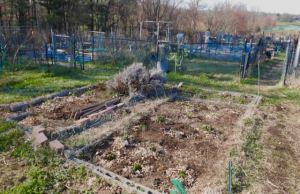
Cleared third of our new garden plot with seedlings of chard, mint, basil, thyme, tomatoes, peppers, zucchini, and strawberry plants, March 22

Besides the veggy plants listed in the caption above, we’ve also planted two blueberry bushes–a plant unsuited to the hotter California climate–with more plant varieties being planned. The blueberries are already budding, just one week in. A third of the plot will be for flowers, with three “Ps”: pansies, petunias, and peonies already in ground, plus dianthus (see photo at the top of this section.)

Another advantage of these well-used garden plots, which have been cared for by a range of gardeners over the years, is that the soil is free of rocks (!) and is easily diggable as far down as needed.  Another great feature of these garden clusters is that, for the reasonable yearly fee we pay, the town association provides mulch, compost, and manure, as well as convenient faucets around the cluster for watering.

Our plot, early in our design process, with part of the rest of the plots cluster in the background, March 22. More photos to come, as the garden grows!

*******************************************************

In March, Always Time for St. Paddy’s Day and Cherry Blossoms

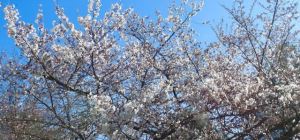
East of our lake, Cherry tree in full bloom, warm, sunny March 25

Last year at this time (see the March 2024 entry), we had a lovely, but also sobering, visit to the Tidal Basin in nearby Washington to see the Yoshino cherry blossoms in full bloom and visit the Jefferson Memorial, an annual pilgrimage for us in all our years here before 2006 and our move to California. This year again we are making this trek–and will describe it in detail in next month’s blog.

Two hints: we’ll be updating readers on the huge renovation project in the Tidal Basin in response to climate change and sea level rise, and we’ll be profiling three real American heroes who are honored amid the blossoms. (No, not Thomas Jefferson.)

Two St. Paddy’s Day Treats

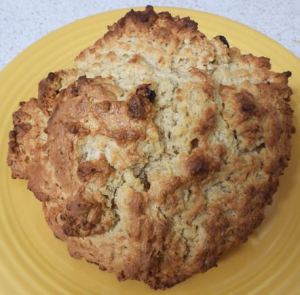
Jean’s homemade Irish soda bread, March 17

Jean:

I’ve been streaming a lot of old British Baking Shows recently, and I especially enjoy Paul Hollywood’s master classes on bread. His strong arms and hands are made for the magic of kneading bread. But St. Patrick’s Day includes a bread that doesn’t get kneaded–Irish soda bread, of course. It’s rather an acquired taste, not the most exciting in its basic form, so in addition to studying Paul’s simple, classic technique, I checked out some recipes that called for a more enriched dough.

Hollywood makes soda bread either with all white flour or half white and half whole wheat, which I prefer, as a way to increase the fiber and protein. The most important ingredients are baking soda and buttermilk. I used a mix of flours (including one cup of oat flour and and one of white whole wheat out of the total four cups of flour), plus some sugar, butter, and egg, as recommended in this recipe.

The added sweetness is up to you; you could try a couple of tablespoons of sugar instead of 1/4 cup, if you want it less sweet. The egg also is optional, as it is in scones, but it does make the dough richer. https://natashaskitchen.com/irish-soda-bread/

In addition to golden raisins, I added caraway seeds because I like that flavor and a bit of crunch as well. As always, make this to your taste and have fun with it.

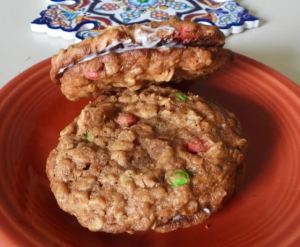
Here’s one more of my treats in honor of St. Patrick’s Day: making these a sandwich cookie was a spur of the moment inspiration!

Jean’s oatmeal sandwich cookies with cream cheese frosting inside and mini-M&Ms for an added pop of color and flavor, March 19

************************************************

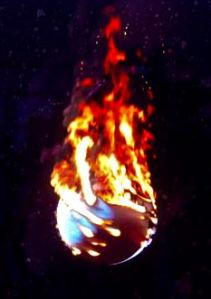
Venus, high above the lake, and beneath the moon, 7 PM, a clear, calm March 3 (yes, that orb is 25 million miles away)

The March 2025 Photo/Video Gallery: New Sightings in Nearby Places

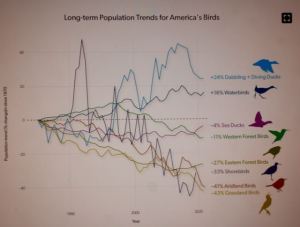
In last month’s entry, I gave the impressive statistics from the worldwide Great Backyard Bird Count. Check it out. So many species in so many countries, recorded by so many devoted birders. As impressive and heart-warming as those numbers are, this month’s news from Audubon and the Cornell Lab of Ornithology sobers us to the fact of the continuing sharp decline in the U.S. numbers of birds. https://www.audubon.org/press-room/us-bird-populations-continue-alarming-decline-new-report-finds

Habitat loss to development, air and water pollution, global warming, use of pesticides and herbicides, and other factors have not only killed birds, but have killed off the insects and plants needed by bird populations to thrive. And the same factors that are killing birds are making our own human hold on life more tenuous for billions around the world.

Decline year by year of many classes of birds in the US since 1970 (Cornell Lab of Ornithology), March 2025

 The Good News

 But still, day by day, our local and migrating birds call all around us, and their songs thrill us, and when we spot them and take pictures of their beautiful evanescence we feel the same joy that we always have in the presence of birds. Indeed, their fragility makes us appreciate them even more and perhaps even pushes us to try harder to help the rest of the human world pay attention.

And sometimes, as you’ll see below in a video and two related snaps, the unexpected and truly serendipitous happens on a bird walk.

So here are a selection of this month’s photos, taken not only along our local small lake, but also at another nearby lake and at a local woodland park.

Three Canada Geese in a panorama toward downtown buildings on a sunny, sparkly, windy March 17


Male Cardinal in a budding Cherry tree east of our lake, at sunrise, March 19


American Goldfinch in Serviceberry tree, southeast side of our lake, on a warm, windy noon, March 18


Young male Red-winged Blackbird atop an Oak east of the lake, warm morning, March 20

On a chilly afternoon, March 13, I pan the treetops southeast of the lake, and hear the calls of a Cardinal, a Tufted Titmouse, a House Sparrow, a White-Throated Sparrow, and a Carolina Wren–and, as always, local traffic

Song Sparrow and House Sparrows on Japanese Spindle Bush, southeast side of the lake, damp, chilly March 15

Song Sparrow sings in Red Cedar along the north shore, warm March 11

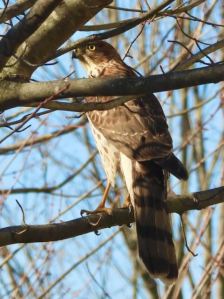
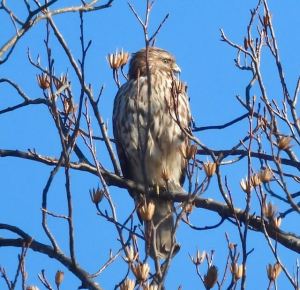
Sharp-Shinned Hawk perches in Red Maple very near our home, just after chasing, but losing, a Sparrow out of a nearby bush, February 28. See next video.

This Sharp-Shinned Hawk flew just past me after chasing a Sparrow through a Spindle Bush, and then perched in this Red Maple along our path, February 28. A totally unexpected and serendipitous shot!

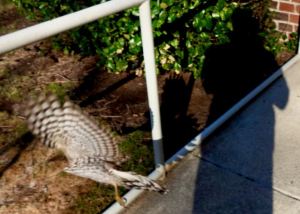
My photo of the Sharp-Shinned Hawk flying past me in pursuit of the Sparrow, who got away, February 28

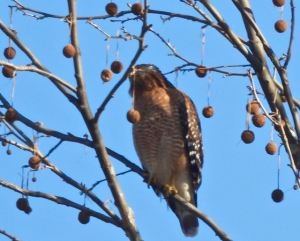
Red-Shouldered Hawk in Tulip Tree, southeast woods, March 10

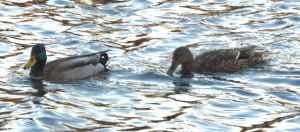
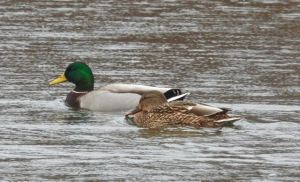
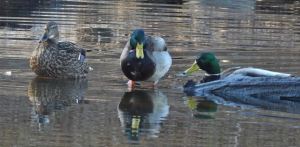
Mallard pair along west shore of our lake, in twilight, March 4

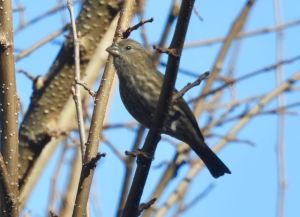
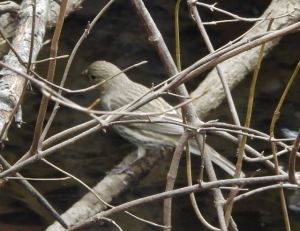
House Finch female in Mulberry tree along the southeast shore, warm March 11

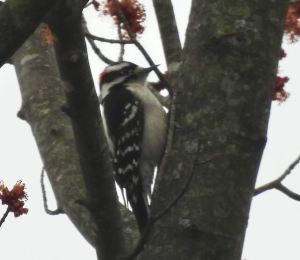
Downy Woodpecker scans on Red Maple, southeast bank, damp, cold March 15

I’m part of a town association birding party at a nearby park and lake, cool, cloudy March 16

Double-Crested Cormorant–first sighting of the year–at nearby Lake Newport, March 16

Red-Bellied Woodpecker high up in Oak, nearby park, March 16

Rarely seen Eastern Towhee behind Honeysuckle, in woods of nearby park, March 16

At nearby Lake Newport, as part of the birding party, I see these 2 Ring-Neck Ducks, a first sighting for me, dive into the water, but then more of the ducks break the surface! March 16

Two pairs of the Ring-Neck Ducks in Lake Newport, March 16


Mallard pair in lakeside rushes, beside me, Lake Newport, March 16


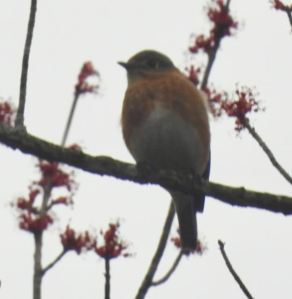
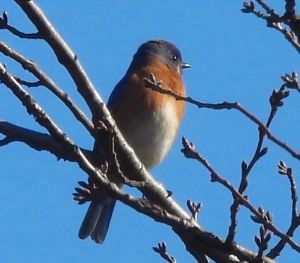
Eastern Bluebird in Red Maple at local park, March 16


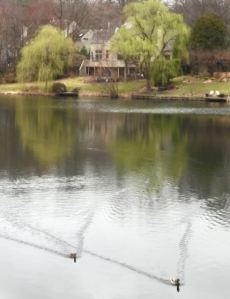
Wakes of Mallard Pair in Lake Newport, March 16

Female Cardinal calls as Red-Winged Blackbird calls, in Red Maple, southeast woods by our lake, cold, windy, March 7

And on we go in the last week of March, toward April, and hopes for Spring…
February 2025: Simple Acts of Love

In this month’s entry:

Celebrating Love in the Midst of Fear

Finding Birdsong: the Great Backyard Bird Count

Dishes to Warm the Heart

The February 2025 Photo/Video Gallery: Abundant Life in the Cold

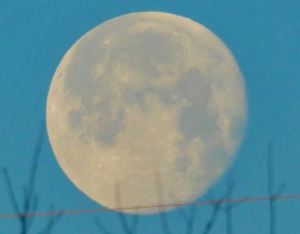
The February “Snow Moon” setting west of the lake, Valentine’s Day

Celebrating Love in the Midst of Fear

I always end each month’s entry with a “bon voyage” message for the next month. January’s message was “And on to the month of Valentines in hopes for our own resilience among challenges.” Well, there certainly have been challenges, as the new regime in the White House has torn through agency after agency with mass firings, and has left all three hundred million US citizens wondering what’s next:

  • Will any of our personal data be left un-pillaged for illegal use by Elon Musk and his uncontrolled band of data miners riffling through all Americans’ tax files, internet messages, and Social Security records?
  • Can we count on any payments and services from this new federal ruling class, which day after day punishes people if they have the courage to speak up?
  • Will US farmers survive the triple-whammy of extreme drought/floods, loss of foreign markets, and the bird flu epidemic that so far the administration ignores? https://www.youtube.com/watch?v=_3oXl_-viAg
  • Will the changed climate ever be addressed, as heat rises, storms become more deadly, and fires proliferate around the country and the world?

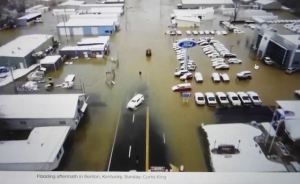
Flooding and loss of lives in Kentucky, February 16 and onward (Curtis King photo, CNN)

  • Finally, will the US keep any trust among the nations of the world, as the President cozies up to the Russian tyrant and threatens sovereign nations with land grabs and budget-busting tariffs? Will the US be left with any friends around the world in our own time of need?

Yes, the time for resilience is truly upon us.

But still we have so much to take joy in and celebrate–it’s Valentines Month! Let’s celebrate the love and care of those we are close to, and of the friends we’ve made through the years. Let’s comfort those in need and bring joy to as many others as we can.

One place to start is in our own back yard…
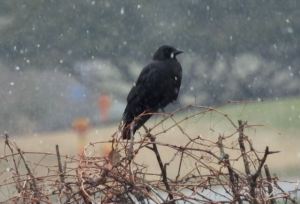
One of our Community’s resident Cardinals listens and calls to friends in a Red Maple along the east shore of the lake

*************************************************

Finding Birdsong: the Great Backyard Bird Count

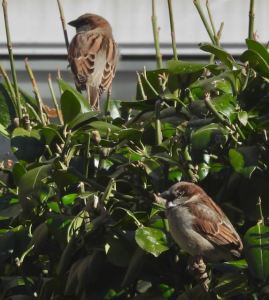
Pair of our abundant House Sparrows in a Japanese Spindle bush by a window in our community, on a cold, windy February 17

Yes, it’s that wonderful time of year again, when over 800,000 birders from around the world head out to their favorite places to record in picture and sound the inspiring lives of all the species they can discover. Just in the U.S., the Great Backyard Bird Count (GBBC), February 14 to 17, so far this year has found 655 species from almost 150,000 participants. Worldwide, so far almost 300,000 searchers have discovered almost 8000 species. Just in touring each day around the lake over the 4 days, I’ve found 25 species.

****************************

Update (March 14): Final Stats from Cornell Lab of Ornithology:

  • 8,078 species of birds identified
  • 217 countries or eBird subregions
  • 387,652 eBird checklists
  • 611,066 Merlin Bird IDs (step-by-step, sound, or photo)
  • 189,741 photos, videos, and sounds added to Macaulay Library
  • 838,113 estimated global participants
  • 409 reported community events

****************************************

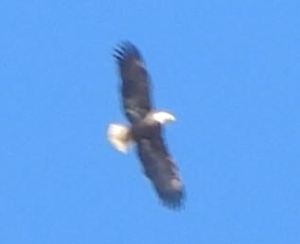
In part because this winter has been distinctly colder and snowier than last year’s (as this blog explored last month), the roster of local birds in this year’s GBBC is somewhat different from last year’s. For example, this month I’ve heard a Carolina Wren and a Yellow-rumped Warbler, but not seen one. Last year, they were on my photo roster. Nor have I seen any Double-crested Cormorants for three months–a regular winter presence when the lake is not frozen–nor a White-Crowned Sparrow, also more used to warmer temps. In contrast, American Robins have been here in profusion since this December; Dark-eyed Juncos have been here continuously since the Fall; and–lo and behold–for the first time since we moved here in 2022, Bald Eagles–at least 3–have been soaring 500 feet or more above the lake, close enough for me to get a couple of blurry, but definite, pictures.

Bald Eagle soars about 500 feet above the north shore of the lake, close enough for me to get a hazy zoom shot, on a windy, cold February 17

Here are a few more from this year’s visible species list:

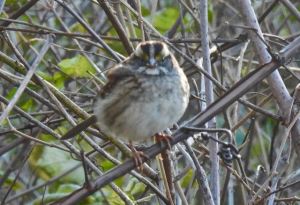
Not seen in the last GBBC, nor the year before, White-Throated Sparrow hunts seeds near a feeder on the Southeast side of the lake, February 15

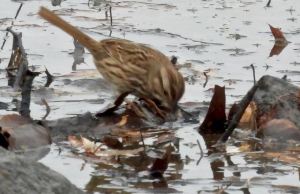
New on this year’s GBBC roster, Savannah Sparrow feeds in the marshy waters in the Northwest corner of the lake, February 15

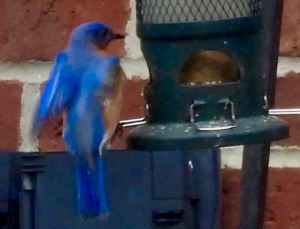
As last year, a few Eastern Bluebirds brighten the winter with their presence, like this one perched at a feeder on the Southeast side, February 15

As these 2 House Sparrows enjoy the blue feeder, listen for 3 other species: White-Throated Sparrow, Song Sparrow, and–surprise!–a male Red-Winged Blackbird, who is a warm-weather bird who doesn’t show up in these parts until June. Why he’s here now is just one of those birding surprises. February 19

The forecast for the coming week indicates more cold weather and perhaps snow coming our way, so we’ll see how the roster of birds in our community adapts. Every day offers surprises to birders. But as long as we have the lake, the woods, the diverse plants, animals, and insects along the lakeside–and the humans who care about their surviving and thriving–we’ll be fine.

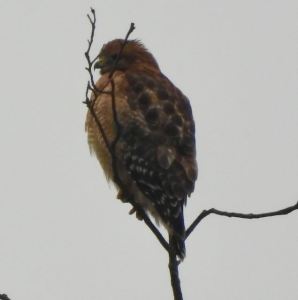
A Red-Tailed Hawk’s vigil atop a Tulip Tree across the lake on the west shore, February 15.


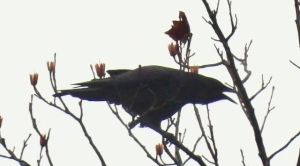
From across the lake I hear this Common Raven calling, atop a Tulip Tree in the East side woods, February 16

Of course, now that the Trump/Musk administration has suddenly fired 3000 local workers at National Parks and Forests (New York Times, February 18), including many trained to prevent or fight fires, the chances that birds and all other animals and plants can survive in an ever-more-extreme climate have become that much more fragile. Not to mention the weakening chances of employment of these former workers, all of them small-town residents across our country, and not to mention the even smaller chances that the now-unguarded towns near these forests will themselves survive the fires and other disasters sure to challenge their and our resilience. SEE Update, below, February 25.

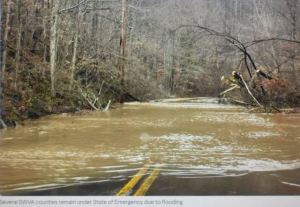
Flooding brings state of emergency to counties in Southwest Virginia, February 17. (Kenzie Hagood photo, WJHL, TriCities)

UPDATE, February 25: “Plan to Cut Park Workers Reversed: After Public Outcry, Administration Gives OK for Hiring of Seasonal Employees” (LA Times, Jack Dolan)

According to the Times article, the sudden rescinding of the order might bring as many as 7000 seasonal workers to the National Parks and Forests this summer, though the firing of 1000 probationary and permanent workers still stands, as of this moment. The pushback on social media and in messages to Congressional offices to the Trump/Musk firing assault seems to be having an effect. Let’s see how this all plays out as we move into March.

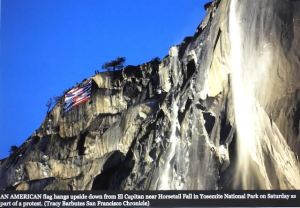
Sign of protest: US flag upside down on the face of El Capitan in Yosemite Park (Tracy Barbutes, SF Chronicle, Feb. 25)

****************************************************

Jean’s Borscht with Sour Cream “Butterfly,” February 14

Dishes to Warm the Heart: The Valentines Month Kitchen

Jean:

I decided to make borscht for Valentine’s Day because it’s very red, first of all, and I know Chris likes it.  (I also wanted a tribute to poor, long-suffering Ukraine.)  I love a beet salad, too, so I bought enough fresh beets, plus a can of sliced beets, to allow me to make plenty of either or both.  Frankly, I did not enjoy trying to roast the fresh beets; they seemed to stay tough in the oven for a long time and then they suddenly went dry and a different kind of tough.  But combining my questionable roast beets with some canned beets and pureeing them in the blender or food processor worked for this.

 
I checked recipes online for borscht and came up with so many possibilities.  Some include potatoes, some have cabbage; there are some with meat, some vegetarian, different levels of tomato inclusion or not.  I love that because it means I can do what I want and use what I have.  But having a special place in my heart for monochromatic dishes and meals, I made a point of using chopped red onion, quite a bit of red cabbage, small red potatoes, and the reddest carrots I could find, as well as a roasted red pepper and tomato sauce.  I couldn’t tell you what the proportions were.  I can’t reproduce it, and it doesn’t matter.  Even after blending, there’s a hearty texture to the soup from all the vegetables, whether or not you add some ground meat.  It was delicious and good for us, too.  Be sure to top it with some sour cream and dill fronds.
 
Here are some ideas to get you started.  Take a look and take your pick.  We probably have some more winter nights coming, even with Valentine’s Day behind us, so enjoy some nice hot soup.


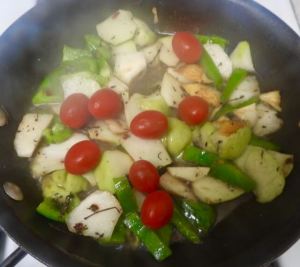
Chris’s Chayote, Green Pepper, Tomato, Garlic Stir Fry

Chris’s chayote stir fry sizzles on the stove, February 10

Chris:

Chayote, a Mexican squash, gets little publicity, but it’s inexpensive, tasty, colorful, crunchy, keeps well in the fridge, and is full of nutrition and easy to cook. Just chop it up, add any other veggies you like, season to your taste, and fry on medium heat in a tablespoon of oil until you like the texture. I sauteed chopped onions in the oil to begin, then added the chayote, mild green pepper, and grape tomatoes, plus a splash of green olive juice. I then added minced garlic, salt, black pepper, red pepper flakes, all to my taste.  I frequently flipped the mixture with the spatula, so it would cook evenly. That was it–done in twenty minutes. Perfect tummy warmer on a cold day!

Two More of Jean’s Cold Weather Hot Dishes this Valentine’s Month:
 
Jean’s Shrimp and Veggie Gumbo
 

Jean’s Shrimp and Veggie Gumbo, Rice, and Andouille Sausage, February 14

Jean’s Baked Potatoes Smothered in Chili and Cottage Cheese

Jean’s baked potatoes smothered in chili and cottage cheese, with broccoli and homemade corn muffins, February 12

*************************************************

The February 2025 Photo/Video Gallery: Abundant Life in the Cold

Along with more of the champions from our local Great Backyard Bird Count, this month’s gallery includes some provocative scenes from our deep winter of 2025. And the stars of course are the residents and the visitors.

Black-capped Chickadee calls and flits in Serviceberry tree, early AM, Valentine’s Day

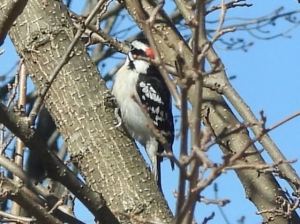
Downy Woodpecker in a Sweetgum tree, Southeast side of the lake, frigid February 17

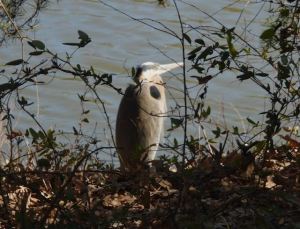
Great Blue Heron, in west bank shadows, braves the cold on February 17. No herons came while the lake was frozen in January.

On February 4, at noon, I capture a Canada goose skating (!) on the frozen lake near the fountain

Turkey Vulture soars over the lake on a sunny, but very cold Valentine’s Day


Male Cardinal holding seed in shadow in red maple on the Southeast side, February 15

Song Sparrow forages, as the House Sparrow chorus practices, Southeast side, during afternoon snowfall, February 11

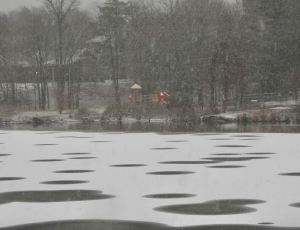
The community playground in mist across the snow dappled lake, as new snow falls, February 11


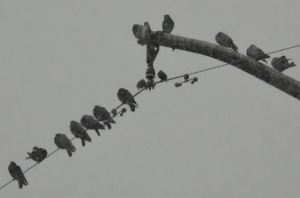
Our resident flock of Rock Doves stays warm amid company on the west side stanchion in thick afternoon snowfall, February 11


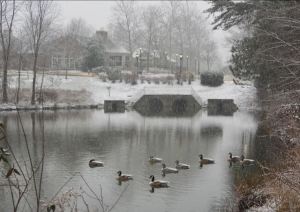
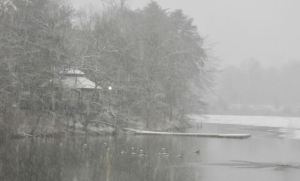
Your classic wintry scene (as if from Currier & Ives): Canada Geese pose in the calm lake before the community park, as the snow gently falls, February 11

Change of pace: Panorama toward downtown buildings as the lake sparkles in the bright sun of a windy, cold afternoon, February 17

Another change: Panorama toward the north end, with the Geese, the dock, and the gazebo, in the thick snowfall, February 11


Mockingbird walks beside me and searches for seeds on the path by the Southeast cove, February 16


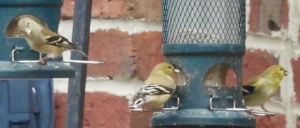
Three American Goldfinches at feeders, Southeast side, February 15

Mallard pair, having returned once the lake unfroze, swims along the north shore on a very cold morning, February 16

Back to the falling snow on February 11: I follow the burbling outlet stream below the north end dam. Calm and cold.

Just as cold, but less calm, is this mingling of Canada Geese, a Mallard pair, and 2 American Crows in the Northwest corner of the lake, February 15

House Sparrow pair won’t sit still in the Serviceberry tree in that February 11 snowfall


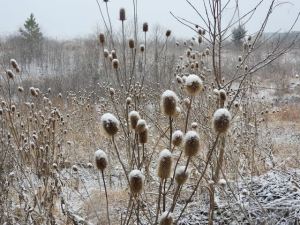
Dry Cutleaf Teazel like ice cream pops by the outlet pond below the north end dam in the snow, February 11


European Starling atop the dead White Oak on the east bank, February 16

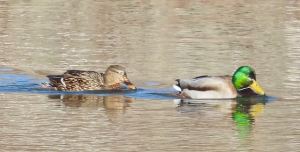
Strolling with their Valentines: Mallard pairs swim 2 by 2 along the north shore, very cold morning, February 14

Brilliant Eastern Bluebird lands at a feeder, Southeast side, February 15


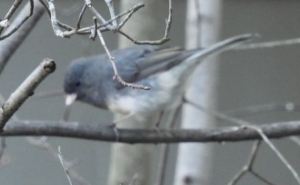
Dark-eyed Junco in Downy Serviceberry on the Southeast side, Valentine’s Day

Downy Woodpecker in Serviceberry tree scans the area as the Sparrow chorus sings and a jet roars overhead, and there’s snow, too! February 11, of course.

And the stolid Great Blue Heron scans the shore in the bitter wind of February 17 and thinks: “It’s all about resilience.”

And on we March to March: Let us hope that the loving spirit of Valentine’s can stay alive in all our hearts and be shared with all creatures.

December 2024: Closing the Year in Celebration and Hope

A small flock of Canada Geese swim past the west bank gazebo on our lake in a gentle snowfall, December 20

In this month’s entry:

Rains Return and So Do the Birds
Our Holiday Season Kitchen
More Holiday Celebrating with Family
Climate Log: Good News and a Dilemma
The December 2024 Photo/Video Gallery

A driving rain begins to attack the drought: looking north across our lake, December 11

A “Sort of” Winter: Rain, Cold, Ice, Warm Temps, and Yes, More Birds!

In last month’s entry, we lamented the ongoing drought and the disappearance of most of our late autumn  birds. Just at the end of November, we began to get some rain, and we’ve now had about two inches this month–a hopeful start to impacting the drought. It’s even been cold enough in the past two weeks–high teens to low 30s–to bring us a bit of snow and ice, though nothing sticks for more than a few hours, and warming is in the forecasts.

Panorama of the fountain and the sleet-covered lake from the southeast bank, Christmas Eve, morning

The even better news is that our mallards have returned, along with some songbirds we’d not seen for a while. Here’s hoping that the moisture keeps coming and, with it, even more birds. A warming trend is predicted by the end of the month, plus more rain, so we’ll see how much winter is still in store. Fingers crossed.

Seven Mallards on the frozen lake in the early morning cold, December 23

Our first sighting here of a Golden-crowned Kinglet, in the Willow Oak on the southeast bank, December 12

Look for more of our December birds in this month’s Photo/Video Gallery, later in this entry.

Our faithful flock of Rock Doves stop at the north end shore in the early morning cold, December 23

**********************************************************************

More to Celebrate: Our Holiday Season Kitchen

Jean’s Pulled Pork Chili, with tomato, cheese, romaine salad garnish, December 9

Jean: Like many others, we have had patches of cold, rainy, snowy and icy weather already this winter, and more is probably yet to come. During these times, I like to make big pots of hot, hearty food that can be enjoyed for days without going out shopping or seeking food elsewhere from day to day. It also needs to be something we can change up to prevent monotony. To these ends, I got a 6-pound pork butt/shoulder to put in the Crockpot with broth, onions and garlic. I simmered it for most of a day to get it tender enough to cut down after it cooled. I didn’t weigh the big bone that I cut out, but I probably ended up with three pounds of meat.

Once I had the bone out and chunks cut, I made four dishes with the meat. Each required some more cooking with the vegetables and other additions appropriate for that dish.

  • First was a simple stew, softening the meat some further with potatoes and carrots.
  • Then my favorite, a Mexican posole, made by adding green peppers, jalapeños, green salsa, and hominy.
  • The next was a chili, simply adding chipotle and other spices, some different kinds of beans, canned tomatoes, and corn.
  • Fourth was barbecue, cooking sweet potatoes with the meat and topping with our favorite BBQ sauces: Kansas City BBQ for me (go Chiefs!) and a mustard-vinegar (Carolina) sauce for Chris. All yummy, stick-to-the-ribs food. I think I may go out and get another pork butt.

Chris’s Three Sisters Stew bubbles, as Christmas jazz plays, Dec. 21

Chris: For an alternative pre-Christmas celebration, we chose my vegan “Three Sisters Stew” (pictured above), based on the  traditional, Indigenous-named “three sisters”: beans, corn, and squash. These make complete protein, which I first wrote about in this blog in December 2022 in describing examples of “Blue Zones” cookery. Each time I make this hearty dish I vary somewhat the other ingredients I add, so I get new flavors, level of spice, color, etc. For example, this time I used 12 ounces of Beyond Meat (with avocado oil), which I sauteed with yellow onion, then added in cannellini and black beans (instead of kidney and pinto), then sliced fresh zucchini, canned sweet corn, and two cans of diced tomatoes with oregano and basil. A quarter cup of red wine and a dash of red pepper flakes completed the mixture. Once again, the dish was plentiful (enough for several days) and full of flavors.

In addition, Jean made a casserole of wild rice, mushrooms, celery, and white onions, to accompany the stew. The flavors of the two dishes were very different, but totally compatible, demonstrating once again the vitality and beautifully-varied characters of vegan recipes.

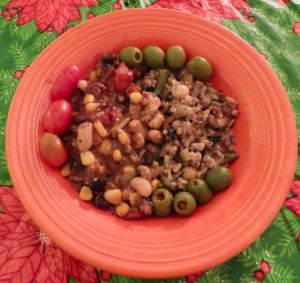
Split bowl of 3 Sisters Stew (L) and Mushroom/Wild Rice Casserole (R), with grape tomato and green olive garnish, December 23

And For Dessert…

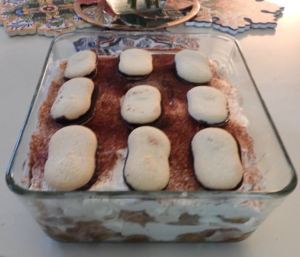
Jean’s Tiramisu with Milano Cookies on top, Dec. 26

Jean: I love tiramisu.  We’ve seen it prepared in many ways, and I’ve tried different ways to prepare it myself, with varying degrees of success.  It should be pretty easy, right, layering cookies and cream?  What could go wrong?  See https://whatsgabycooking.com/classic-italian-tiramisu/.  The trick is to get the right amount of flavor and liquid from the coffee and any liqueur you want to use.  It’s easy to overdo it and get a soggy mess, or maybe taste nothing but whipped cream, although that’s not the worst that can happen, from my point of view!

This time, for our pre-New Year’s Eve party on the 28th, I was inspired by Chobani’s coffee flavored yogurt, and they even have a tiramisu flavor in their “Chobani Creations” line.  Not only do I love these, but I found a recipe for tiramisu that says you can substitute Greek yogurt for mascarpone (expensive!) and egg yolk in the traditional recipes.  https://pyskitchen.com/pyskitchen-recipe/tiramisu-without-mascarpone

I was having a little trouble getting my whipping cream to whip, so I did not whip or fold the whipped cream and yogurt (both flavors) together, but merely layered them over the lady fingers.  (Those were hard to find, but I finally scored some real Italian ones at Wegman’s.)   The result?  A soggy mess, and a little too sour for my taste with all the yogurt speaking louder than the whipped cream.  But Chris loves the “notes of sourness” (as he says) and so did our guests! You try it out, and adjust the recipe as you like. 

***************************************************************

Christmas: More Celebrating with Family

As described in last month’s entry, we had family from Georgia, from New York, and from across Virginia visiting for Thanksgiving. For Christmas, our get-togethers were of the local family members, but were no less festive, focusing on outstanding food (including the dishes described in the Holiday Kitchen section above), catching up on what everyone has been doing, and the exchange of presents.

Needless to say, many of the gifts were for the youngest members of the crew, who made the most of the occasion by spreading wrapping paper through the house and starting to get into the toys, books, and games. Again, three generations of revelers took part, including one precocious pup, who popped up in surprising places! For those who couldn’t be there in person, they were still with us through their cards, calls, and FaceTime.

********************************************************************************

Climate Log: Good News for FEMA, but a Dilemma for the Incoming Regime

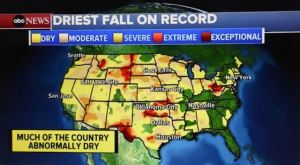
ABC News : “Driest Fall on Record,” Oct. 24, 2024

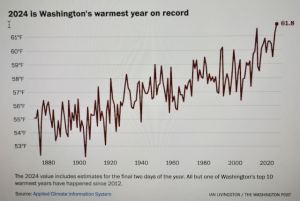
Warmest Year on Record in the DC region (National Weather Service) (Washington Post, Dec. 30): but Republicans still won’t acknowledge climate change or global warming, though they will appropriate hundred of billions for disasters

Just before Christmas, the Republican-controlled House of Representatives passed a bill that I never thought we’d see: $110 billion (yes, billion) that “Provides much-needed relief to Americans struggling to recover from natural disasters” (https://appropriations.house.gov/news/press-releases/house-passes-critical-disaster-relief-americans). The terms “climate change” and “global warming” are never used in this massive relief bill, because Republicans are way too intimidated by their leaders and by the fossil-fuel cartel to admit these obvious truths. Nevertheless, the bill is the first of more and more that will be needed to address the effects (not the real causes, of course) of what the bill erroneously calls “natural disasters.”

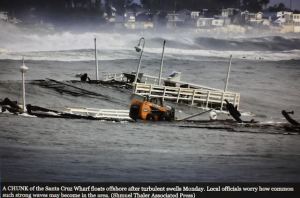
Warming oceans, more intense storms, and coastal sea level rise combine to make unprecedented coastal damage more frequent, as this week in Santa Cruz, CA, as reported by Grace Toohey in the LA Times, December 28

Particularly noteworthy is that the two largest items in the bill are

  • $31 billion for “disaster and economic assistance to agriculture producers” and
  • $29 billion for “FEMA’s response, recovery, and mitigation activities related to Presidentially declared major disasters, including Hurricanes Milton and Helene.”

These open-ended statements leave ample room for further appropriations to address future disasters caused by extreme heat, drought, extreme storms, wildfires, sea level rise, etc. That the two main emphases here are “agricultural producers” and “major disasters” reveals Congress’s tacit, but unspoken, understanding that climate change will continue to devastate farmland, and will continue to produce hurricanes of unprecedented size, spread, and sudden emergence, like October’s Helene and Milton, which suddenly developed in the Gulf of Mexico very late in the hurricane season.

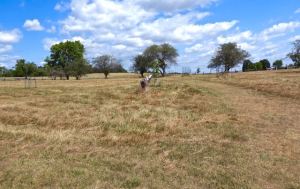
Burned out farm field we visited, New Market, VA, Aug. 2, in the midst of the 2-year drought in the Shenandoah Valley

Trump’s Response?

It is further noteworthy that the once-and-about-to-be President, Donald Trump, tried to force Congress to scuttle this bill, even at the cost of shutting down the government. Why would he do such a thing? Does he want to be known as a President who won’t provide disaster relief (as he failed to do in his first term in his callous lack of response in 2017 to Hurricane Maria in Puerto Rico)? Does he not want to meet the needs of the farmers in states like Texas, Oklahoma, and West Virginia, who are suffering massive crop losses because of extreme heat and drought? Farmers in these states and others overwhelmingly supported him in his run to the Presidency, because he promised to help long-suffering rural America, and they believed him. But, his promises aside, he might be more concerned that passing such a bill will draw attention to the vast scope of a problem that he’s always claiming doesn’t exist, but which will continue to dog him throughout his final term and just get more painful, tragic, and costly to Americans.

Close-captioned TV weather forecast from CBS-affiliate in Central Texas, summer 2023 (clip from YouTube video)

Fortunately, enough of the Republican House members, aided by the votes of almost all Democrats, defied Trump’s effort to kill the aid, and so the money will flow, because the Senate and still-president Biden moved it forward immediately.  As the majority of the House realized, something bold had to be done, and even the President-to-be, despite his fearful wishes, had to give in. Remember, House members will be up for re-election in just 2 years, so they know, unlike their leader, that they can’t afford to ignore the needs of their constituents now.

But passing such an open-ended bill leaves President-elect Trump and all his fellow climate-change deniers in a dangerous spot.  Hundreds of billions in relief can pretty quickly turn into trillions, as the climate sins of the fossil-fuelers exact more and more sacrifices and pain. As lack of farm production destroys farms and ranches, and causes prices to rise for all of us, and as more and more of the country becomes harder to live in, people will blame the party in power, as they always do. At some point the people will demand answers as to why those leaders failed to admit that the hurricanes, warming oceans, wildfires, and burned-out fields could have been–and future ones still could be–avoided.

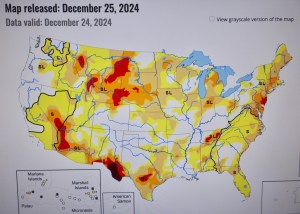
US Drought Monitor, Christmas Day 2024 (https://droughtmonitor.unl.edu/CurrentMap.aspx)

***********************************************************************

The December 2024 Photo/Video Gallery

All photos and videos this month come from in and around our lake, all celebrating the increased precipitation and the return of some of our citizens, plus visits by a few welcome guests.

Our year-round residents: Song Sparrow munches grass in the field west of our lake, cold morning, December 23

Savannah Sparrow sips from the rainy north shore of our lake in the rain, Dec. 9

White-throated Sparrow poses for the camera, southeast cove, December 6

Male Cardinal munches seeds in an east bank tree, amid flurries, morning, December 20

Panorama toward downtown, partly frozen lake, early morning, December 23

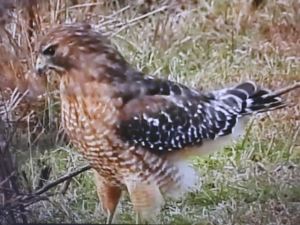
Rare sighting of Red-shouldered Hawk not in a tree, but on the ground, eyeing bird in the brush, north end path, cold morning, December 19

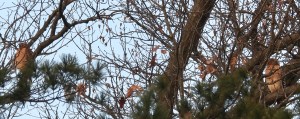
Pair of Red-shouldered Hawks in Tulip Tree and Virginia Pine, southeast side woods, December 19

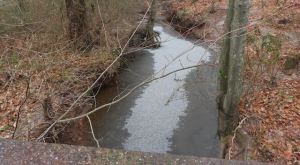
Sleet-covered inlet stream under bridge, early morning, Christmas Eve

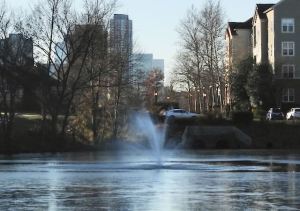
Our fountain in the frozen lake, view toward downtown, December 23

Our resident flock of Rock Doves takes off from north shore, December 23

European Starling, brightly lit by the sunrise, scans from the dead Oak, east bank, December 23

Carolina Wren alights on a branch above me, calls friends, and feels the flurries on a snowy morning, December 20

Robins in late December! Wow! These cavort in a sugarberry tree in the north end woods, December 23

This Robin calls in the Sugarberry that same cold morning, December 23

American Crow, amid flurries, perches atop a Bradford Pear and Blackberry canes below the north end dam, December 20

Four Canada Geese swim mid-lake in the December 20 morning snowshower

Tufted Titmouse perches along the southeast path on a cloudy December 1

Red Fox, not often seen, watches me from the brush beside the north shore rocks, December 8

Mallard pair along the northeast shore in the rain, December 9

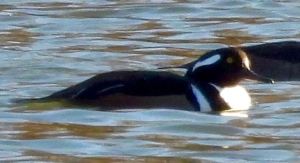
Rare visitor, male Hooded Merganser, swims in mid-lake, cold, windy December 6

Three Hooded Mergansers, 2 female and young male, along the east lake bank late afternoon, December 6

The Red Fox, ill with mange, explores the north shore rocks, then drinks from the lake, December 8

Blue Heron flies from north shore to west bank and through community, December 17

And so, weakened as we are, may we take wing and fly into 2025 in hope of a more just and thoughtful world.

March 2024: Springing Early and in Song

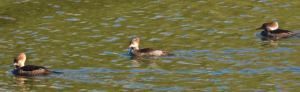
From the north end of the lake, I spied two large waterfowl on a submerged branch halfway toward the south end, about 250 yards away. Zooming in, I recognized a favorite mallard pair–then saw three smaller waterfowl swimming around them! Who were they? Ducklings? No, they were too large, and it would usually be too early in the year for newborns. To my surprise, they were three hooded mergansers, very rare visitors to our lake and no doubt just stopping on their way north. I had already passed this quintet on my walk, but the thick foliage had made them invisible to me until I’d gotten to the north end and had a clear view.

In the March blog:

Hearing More Than Seeing: Playing the Soundtrack of Spring
Visiting Remarkable Virginia Trees
Climate Log: We Return to the Tidal Basin Cherries
The March 2024 Photo/Video Gallery

When the high temp gets consistently above 60F, the Red-Bellied Cooters, including these 3 on the west shore, rise from their winter home in the lakebed, March 14

Hearing More Than Seeing: Playing the Soundtrack of an Early Spring

Amid a chorus of other birds and human traffic, this Male Cardinal calls other Cardinals from atop a tree in the north end woods, early morning, March 1

“Birdwatching” is a misnomer. Sure, bird students spend a lot of time trying to see birds, and even more time trying to take clear pictures of them. But most of the information we get from these friends is through listening. Birds always make their presence known by their calls, much less by letting us see them. For good reason. If we see them, so do their more-than human predators. It’s much safer to work  inside a bush or thicket of vines or leaves and call out, than to perch on an exposed branch so a paparazzo like me can snap pics, or a hungry hawk can draw a bead.

“Birds may prattle and rant with feathers and body poses, but far and away the most common, the most extreme, and the most complicated kind of bird babble is vocal.” Jennifer Ackerman, The Bird Way (2021), p. 28

Fortunately for us bird students, artificial intelligence (AI)–in the form of the e-Bird/Merlin and BirdNet bird identifying apps–clues us in to who’s calling in our neighborhoods whenever we turn on the record feature. So on a warm morning in this new early spring, March 14, I could identify the various instrumentalists in this video of one of our favorite Mallard pairs, as they fed along the shore of the southeast cove:

During two one-minute recordings, as I paid visual attention to the ducks, I heard the following–

Song sparrow….Northern Cardinal….American Goldfinch….Carolina Wren…Red-bellied Woodpecker….House Sparrow….American Crow….Brown-headed Cowbird….Red-winged Blackbird….Yellow-rumped Warbler….Blue Jay….Tufted Titmouse….Canada goose

A few of these species, such as the woodpecker, the cowbird, and the titmouse, I see very infrequently, so the app is a needed tool. Another, the red-winged blackbird, is one I look for this time of year as a harbinger of warm weather, so when I heard its call on this recording, I knew to look–and listen–for it. In addition, the woods directly across from the lake cove are thick and tall, so seeing birds there is always a challenge for me. The oral cues let me know who is visiting or at home in a way that watching can’t.

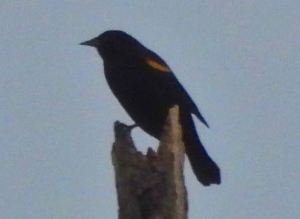
On the day following the recording, March 15, I saw this Red-winged Blackbird from about 200 yards away atop a dead oak on the east bank.

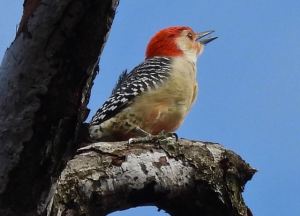
I heard this Red-bellied Woodpecker calling and tapping high on a hundred-foot tall white oak in the thick woods beside the southeast cove, and finally spotted it, on a sunny morning, March 3

***************************

Visiting Remarkable Virginia Trees (New Feature)

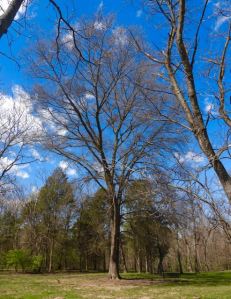
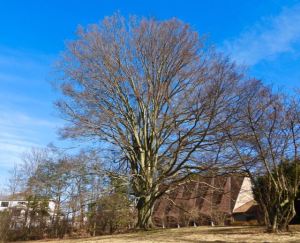
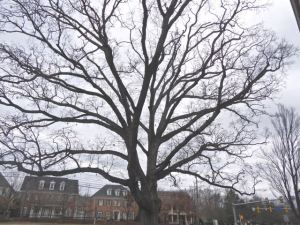
This 6-foot thick Chestnut Oak crowns a knoll in a townhouse subdivision in Centreville, VA. We visited on March 19.

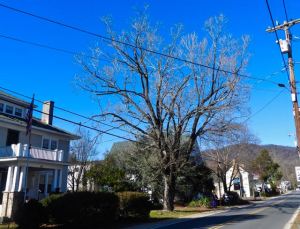
To help us re-acclimate to our new home in Northern Virginia, we have been visiting and re-visiting places in the region–and reading as much as we can about their history and natural features. Hence the many entries in this blog since 2022 about our regional travels, especially within the broad and long Potomac River watershed. One recent focus of our travels has been “remarkable trees,” the title term of the beautiful photo book Remarkable Trees of Virginia, by Nancy Ross Hugo, Jeff Kirwan, and Robert Llewellyn (Univ. of Virginia Press, 2008). The text of the book recounts the history of each of the more than 90 trees, plus exquisite photos. So far, our visits have been local only, but our plan is to traverse the state and seek out more of these venerable trees, then include our own photos in the blog.

Here are our photos of the first five trees we’ve visited. One of the most refreshing aspects of these visits is that the trees are not marked with signs or plaques, and thrive as living creatures within their neighborhoods. Most people pass them by without noticing, but, thanks to the authors of the book, we were able to find them and give them a bit more honor and attention.

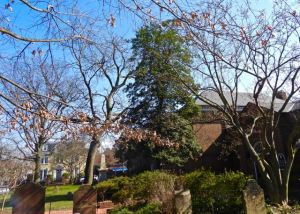
This venerable American Holly is protected in Christ Church graveyard in Old Town Alexandria. We visited on February 20.

We especially thank the people in those neighborhoods who have cared for these very old trees and, in some cases, have gone to great lengths to keep them standing and healthy–while so many trees, more each month, disappear en masse in the ongoing rush to build more houses, shopping strips, roads, warehouses, and other testaments to suburban sprawl.

This massive American Beech is protected on the grounds of the United Methodist Church in Annandale. We visited on February 20.

This 130-year-old Sugar Maple adorns the main intersection in the town of Sperryville. We visited on February 4, but we’ll be back in the fall to glory in its color display.

This is the Oakton Oak, for which the town was named. We visited on January 30. It has been carefully protected, and even nurtured back from serious damage, even as roads and shopping have been built all around it.

***********************************

Climate Log: We Return to the Endangered Tidal Basin Cherries

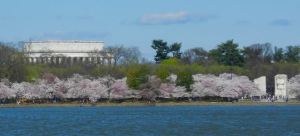
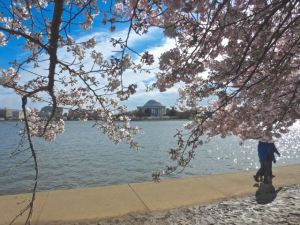
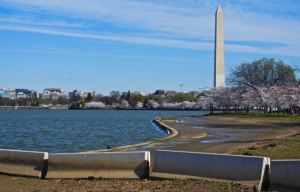
The Tidal Basin Yoshino Cherry Trees, planted 1912, with the Lincoln Memorial and the Martin Luther King, Jr., Memorial beyond the waterside, March 18

One year ago, we made our first visit in many years to the Tidal Basin in Washington, DC, to view the iconic cherry blossoms in their white-pink splendor. More visitors come to DC for this event than at any other time of the year. In 2024’s even earlier spring, we chose a warm, breezy day, March 18, with the trees in full bloom. The Festival used to be celebrated in April, but now it’s March, and the trees are spectacular–but threatened.

Blooming cherries surround the Jefferson Memorial across the Tidal Basin, March 18

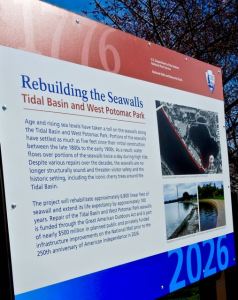
In last year’s report of our visit, which told the history of the Tidal Basin, I noted that we’d seen a small sign announcing that the Basin shoreline walls would begin being renovated because of the increasing damage from tidal water level rise. Well, not only has that renovation now begun, but we could see increasing evidence of overflows beyond the sidewalks and, more disturbing, that many dying trees near the Jefferson Memorial had already been uprooted and removed. Permanent signs (see photo below) describing the 2-year renovation plan gave the figure as 150 trees to be removed. The Washington Post vividly described the plan with amazing photos, videos, and infographics.

Jersey walls indicate closed off areas of the path just west of the Jefferson Memorial, with evidence of tree removal and tidal overflows. Shoreline walls used to be as much as ten feet above the water.

The goal is to have the renovation completed by 2026, in time for the 250th anniversary of the U.S. Declaration of Independence

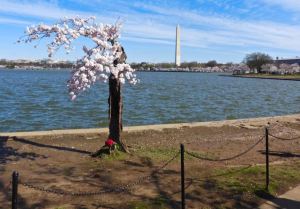
One tree scheduled for removal is a particular focus for camera-wielding visitors: the oldest tree along the shore, nicknamed “Old Stumpy,” still blooming and already grieved.

“Old Stumpy’s” lonely vigil: still blooming, March 18

Meanwhile, the broad, deep Potomac River, whose tidal waters fill (and daily overfill) the Basin, rolls on, with the Virginia high-rise city of Roslyn on its west bank. Because much of Washington city, including the Tidal Basin, is built on land reclaimed in the 19th century from Potomac River mudflats, high-rise buildings like those in Roslyn are not allowed east of the river.

The city of Roslyn, Virginia, across the Potomac, where modern buildings rise much higher than is allowed in DC, March 18

*********************************

The March 2024 Photo/Video Gallery

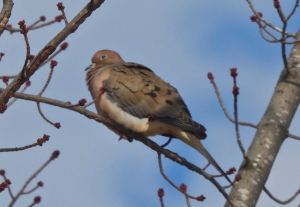
Mourning Dove plucks seeds along the southeast path on a brisk sunny morning, March 24

From a young branch at the north end, Mockingbird listens for calls, March 24

First sighting: Hermit Thrush on a branch along the southeast bank on a cool late afternoon, March 21

Japanese Cherry in full bloom in our community, east side of lake, March 16

Red-shouldered Hawk soars above the west shore on a windy morning, March 19

The outlet stream below the north end dam burbles, accompanied by the call of a Red-winged Blackbird, March 16

Jean’s fresh-baked soda bread for St. Paddy’s Day, March 17

Song Sparrow’s short call as traffic whizzes past on nearby highway, March 16

Two Double-crested Cormorants swim mid-lake in the rain, March 2

Mallard pair in flight toward the northeast shore in the rain, March 2

Red-bellied cooter balances on a rock while another peeks from the water, northwest shore, March 20

View toward the south end and downtown as 2 Canada geese swim near the west side dock, March 19

Four starlings converse atop a willow oak, east bank, early morning, March 1

Ten Red-bellied Cooters lined up on a log on the southwest shore, warm day, March 12

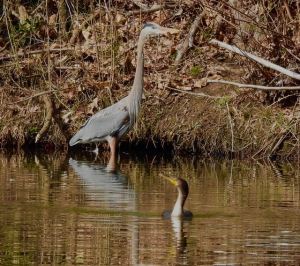
Great Blue Heron and swimming Cormorant at the west shore, March 3

Carolina Wren’s songful calls in the south end community, brisk morning, March 24

Camera captures this Eastern Phoebe–a first sighting here for me–in a treetop 300 yards east of the lake, on a rainy March 27

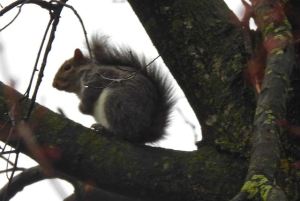
This Grey Squirrel ponders high up in an oak in the southeast woods, rainy March 27

This American Robin lands on the southeast path just in front of me, then skitters, while listening to the sparrows in the lakeshore thicket, on the rainy March 27

Now on to April, with more birdsongs, more blooms, and more daily surprises to inspire us all!

February 2024: A Month of Valentines, and Hopes for More

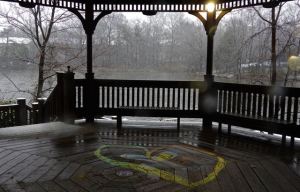
A chalk Valentine adorns the gazebo on the west bank during a brief morning snowshower, Feb. 13

First sighting since August: Beaver swims from cove toward west bank and dives, Jan. 27. Watch videos by researcher Emily Fairfax about ways that beavers, whose populations are steadily declining because of human intervention, create wetlands that restrict wildfires and increase water supply.

In this month’s blog:

Valentine’s Weekend for Birders: The Great Backyard Bird Count
Climate Log: Saving the Rain Forest by Saving Stingless Bees
Climate Log 2: Oh Those California Rivers in the Sky
February 2024 Photo/Video Gallery: One More Beautiful Snow Day (and More Avian Moments)

Two Crows bathe in the northeast corner of the lake on the final day of the Great Backyard Bird Count, Feb. 19

Two snow-covered Geese and teazle plants in the northwest corner during a brief morning snowfall, Feb. 13

Happy Valentine’s Weekend! The Great Backyard Bird Count

The video of the beaver we sighted on Jan. 27 was a Valentine to us before February even began, because beaver sightings are so rare in our lake. But an equally beautiful gift for Valentine’s Day is the annual four-day weekend of birding searches known as the Great Backyard Bird Count. Each February, the National Audubon Society, the Cornell Lab of Ornithology, and Birds Canada/Oiseaux Canada sponsor this multinational birding extravaganza, when enthusiasts from more than 200 countries post their pics and sound files to the site of their choice. This year, more than 600,000 of us feathery fanatics (AKA citizen scientists) from 209 countries posted sightings of over 7800 species. I was out there each of the four days, February 16-19, contributing my pics. Here are a few:

Two Canada Geese exclaim, then preen along the southeast shore, Feb. 19

American Goldfinch on the southeast bank, Feb. 16

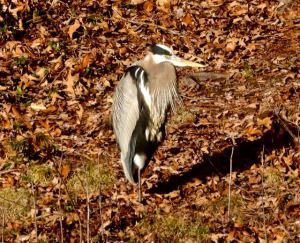
Great Blue Heron watches from the west bank on a sunny Feb. 18

Chipping Sparrow in blackberry canes at the northeast corner, Feb. 16

Male Cardinal in greenbrier berries, southeast bank, Feb. 16

European Starling in mid call from the east bank, Feb. 16

Pair of Red-shouldered Hawks in separate trees north of the dam. Feb. 19

Of course, I get gifts like these from my feathery friends every time I walk around the lake.  So February for me is a month of Valentines.

**************************************

Climate Log: Saving the Rain Forest by Saving Stingless Bees

Finding a hive of stingless bees in Peru’s Amazon rain forest (NY Times, Jan. 30; photo by Brenda Rivas Tacury)

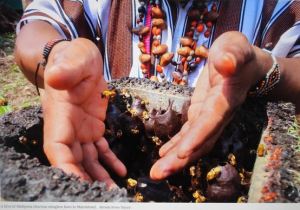
The Amazon rainforest in Peru is home to many species of stingless bees, who produce a honey that has been used for generations by Indigenous peoples of the region, such as the Asháninka, as a natural medicine. These stingless species have thrived as pollinators of native plants, who have in turn thrived because of these plants.  But as deforestation and mass agriculture have overtaken more and more of the rainforest, and as pesticides used by farmers have threatened species including the stingless bees, both the native plants and the bees are in danger of disappearing.

An article in the New York Times by Katrina Miller and Rosa Chávez Yacila (Jan. 30) describes how Indigenous beekeepers are attempting to keep the species thriving by creating artificial hives out of range of the pesticides, and then by creating a commercial market for the distinctive beneficial honey. Their hope is that the success of the honey sales will incentivize more Indigenous beekeepers and spur more efforts to maintain large areas of undisturbed forest, so that both the bees and the forests in which they mutually thrive can continue their vital work.

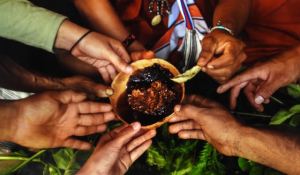
Asháninka community members and Peruvian scientists examine stingless-bee honey in traditional container (New York Times, 1/30/24; Brenda Rivas Tacury photo)

Help for these efforts has come from word of mouth during the pandemic of the medicinal value of the honey, as well as from scientists such as Drs. César Delgado and Rosa Vásquez Espinoza, whose study in the journal Food and Humanity reported this honey’s  “anti-inflammatory, antimicrobial, and other health-promoting properties.” The popularity of the product is slowly growing, with half-liters now selling for upwards of $20.

Key to the success of the venture is the expertise of the beekeepers, whose knowledge and skill have come from generations of practice. So, if the economic endeavor succeeds, not only will the bees and the forest be saved, but so will a vital part of the culture of the people for whom the practice is central to their lives.

Melipona Eburnea soldier bee at the door of the hive (Photo by Luis Garcia Solsoi)

**************************************

Climate Log 2: Oh Those California Rivers in the Sky!

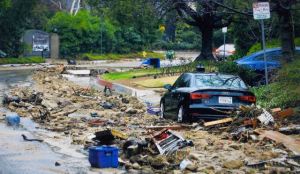
California’s second “water year” in a row of way above average precipitation has again filled the state’s reservoirs, brought deep snows into the Sierra–and this year caused massive flooding and landslides in the LA region as rain poured down on soil still soaked in many places from last year’s “atmospheric rivers” (or, as I like to call them, “rivers in the sky”).

Studio City street swarmed with landslide debris (LA Times photo by Carlin Stiehl, Feb. 6)

Last year at this time, one of the big stories was the re-emergence of historic Lake Tulare, which had covered for centuries parts of several counties in the Central Valley before farmers and ranchers in the late 1800s had made the lake disappear (as well as Indigenous communities reliant on the lake) by diverting its inflows for their own purposes. Last year’s rains were so intense that the lake had come back, but now was contaminated by farm and ranch runoff. The reborn lake now also endangered farm communities that had grown up in the intervening century.

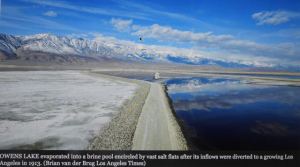
One of the big stories from this season’s storms, besides the floods and landslides in LA County, has been their impact all the way across the Sierra in another historic California locale. As Louis Sahagún reported in the LA Times on Feb. 19, the rains have “been good for LA’s water supply, but have caused costly damage to the aqueduct and dust control systems in the Owens Valley.” These recent storms have just intensified damage that began last year. If you don’t know the Owens Valley, then you don’t know the iconic California story (as loosely depicted in the great movie Chinatown in 1974) of how the city of Los Angeles in 1913 secretly bought up land in the quiet farming valley east of the Sierra so it could divert by aqueduct the region’s water 230 miles south to the burgeoning metropolis.

The Owens Lake brinepool and runoff from the 2024 storms (LA Times photo by Brian van der Brug)

After the city had to pay compensation to Owens Valley residents decades after the city’s duplicity was discovered, it also had to create complex systems to monitor and control every year the toxic dust that resulted from the dry lakebed. Sahagún’s article states a cost of $2.5 billion so far (and counting) for this year-by-year environmental disaster mitigation. Now, the deluge of returning water has damaged both the aqueduct and the state-of-the art dust control systems, at a repair cost estimated to be $100 million, which will no doubt be passed on to LA’s 4 million water system ratepayers.

So, climate change is the gift that just keeps on giving. Scientists are predicting that these new cycles of more intense rainfall will alternate with years of ever-warmer drought, creating the need for drastically different, perhaps conflicting, types of infrastructure. (Think systems to capture precious water into deep-below-ground aquifers in the rainy years to prepare for droughts, but also systems to divert excess water away from already soaked land.) California is working on it, as always. And, as always, the rest of the nation will keep looking toward California, as more and more states, like my own Virginia, must adapt to the new normal.

Unless political will actually strengthens around the world to really confront and eliminate the causes of climate change, we Earth humans will have no choice but to pay the ever larger costs, in money, famine, and millions more refugees, that a more extremely erratic climate will bring to all creatures, including the human kind. Sorry, no Valentines.

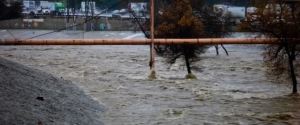
Flood surge in Atwater Village, Los Angeles, Feb. 5 (photo by Dania Maxwell, LA Times)

*************************************

The February 2024 Photo/Video Gallery: One More Beautiful Snowy Morning (and More Avian Moments)

Meanwhile, we enjoy heartily the gifts we receive each day from the birds and other folks who make our fragile lake sanctuary one of their homes. Enjoy these Valentines with us.

Mallard pair in glorious full color on the log in the southeast cove, Feb. 16

Snowy morning, Feb. 17: Northwest corner path and trees of the north end woods

Male Cardinal on the snowy morning, southeast bank, Feb. 17

Snowy morning, Feb. 17: From the southeast cove along the west bank

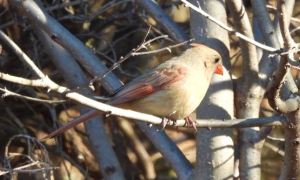
Golden Female Cardinal in a red maple, east bank, Feb. 21

Carolina Wren in slippery elm along the east bank, Feb. 1

Mourning Dove in red maple, southeast bank, Feb. 17

American Goldfinch feeds and sings at feeder on the east side, Feb. 12

Red-shouldered Hawk in budding sycamore below the north end dam, Feb. 21

Double-crested Cormorant in mid lake, Feb. 16

On the snowy morning of Feb. 17, winds growl along the northwest path as storm clouds gather

Rare White Female Cardinal perches in the northeast corner, Feb. 21

Two Male and one Female Mallard in the southeast cove, Feb. 21

Goose flock ambles toward southeast lake shore, and one flies toward front, Feb. 16

Watch camera move to reveal a pair of Red-shouldered Hawks on the fence along the highway west of the lake, Feb. 16

Mating pair of House Sparrows in sumac branches, northeast woods, Feb. 19

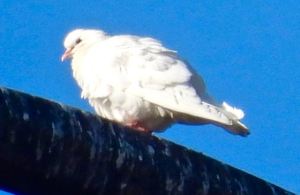
Uncommon White Rock Dove on stanchion high above the lake, Feb. 18

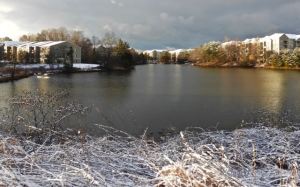
Panorama toward south end from snowy reeds, on the morning of Feb. 17

Yellow-rumped Warbler sings a short song on the snowy morning on the southeast bank, Feb. 17

Female House Finch studies the inlet stream by the bridge, Feb. 27

Eastern Bluebird in aspen on the east side, Feb. 25

A rare White-crowned Sparrow on the southeast path by the inlet bridge, Feb. 15

Dramatic scene of Great Blue Heron confronting a Cormorant in mid lake, then flying to west shore, Feb. 6. We were amazed.

So many Valentines this February! On to March!

January 2024: Winter Actually Arrived! And Stayed for Ten Days

Our second snowfall of the week, a total of about 7 inches, Jan. 19. Our first real snow since our move from California in 2022.

Five Cedar Waxwings lit by sunrise in a red maple along the east side path, Jan. 17

In this month’s blog:

Beautiful Surprise: Snow to Start the New Year
Climate Log: As Bird Populations Plummet, How Can we Change Minds?
Potomac Valley Exploring: Great Falls Adventure
The January 2024 Photo/Video Gallery

Across the lake from the southeast cove to the dock and gazebo, during the latest snowfall, Jan. 19

“It’s so beautiful”–Snow comes to us in mid January

I didn’t realize how much I had missed snow until it arrived last week. In the almost 2 years since we returned from our 17-year sojourn in California, I thought I’d come to terms with the year-on-year lack of snow in Northern Virginia, a far cry from the sometimes deep snows of my youth and middle age in this Potomac region. But when the first wave of tiny crystals began sticking to the grass and pavement here on the 14th, I realized the old exhilaration of the icy wind and the soft prickle of ice on my face and hands. It was with glee that I donned my snug coat and hood, pulled the wooly hat over my ears and the gloves over my hands. I couldn’t wait to walk around the lake and witness the changes in light and color, the crackle of branches, the loud languages of intensity–“it has come!”–in the songbirds and waterfowl.

A male Cardinal amid greenbriar on the southeast bank of the lake confronts the blowing snow, Jan. 14

There of course had been the many years of my life when a forecast of snowfall had brought the fear of pipes bursting, power outages, traffic snarls during my incessant commutes to work, careening on black ice, hours of digging out from snowdrifts, my old car battery dying in the cold, and all the other hazards of carrying on what most Americans thought of as “normal” existence while Mother Nature was just being her cantankerous, always creative self.

But now, in my semi-retired old age, when driving is not a daily demand, I can glory in sharing a child’s joy in the white blanketing of gossamer fluff that makes the whole outside world different and new. Many of our neighbors shared this joy with me. When I met them this week on their own lake walks, most of these folks being walked by their dogs (!), they greeted me with “It’s so beautiful!” or at least with smiling eyes as they scanned the scenery.

First snowfall: bridge over the inlet stream, Jan. 16, 7 AM

I was even looking forward to the remembered exertion of cleaning the snow off my car, digging the stubborn ice-crust off the windshield, and taking tiny steps to avoid falling on the ice. The task was now a welcome challenge and a tasty bite of nostalgia, no longer a resented imposition on the carefully-timed daily work schedule that had governed most of my life.

Waterfowl Retreat and Songbird “Mega-Bird” Day. But most of all, as I looked out on how the white blanket changed the world of every day, I wondered how the snow and intense cold would change life for the animals I had come to know as my friends along the lake. Who and what would I see? Would what I was used to seeing now be hidden from me?

In new snow, a single waterfowl, a Cormorant, negotiates the lonely lake, Jan. 16

The Cormorant I videoed (above) on Jan. 16, after the first snowfall, was the last waterfowl I saw on the lake before it froze on the 17th, when temps fell to 11 degrees. The water was frozen solid in many places, but elsewhere it became a kind of hard slush that makes swimming impossible, while still allowing some animals, like squirrels, to walk or leap in the shallowest areas. The Mallards, who I saw most recently on the 15th, after the first snowfall, and who starred in this blog in December, are now off somewhere else. I await their return.

My favorite Mallard pair swim in a strong wind in the southeast cove on Jan. 13, just before the first snowfall.

Other waterfowl citizens, such as the usually exhibitionist Canada Geese and the usually steadfast Great Blue Herons, lasted until the hard freeze and second snowfall occurred, but they have now left (though I hear the Geese flock overhead most days late in the afternoon, and I spotted a Heron swooping overhead just at sunset on the 22nd).

The Blue Heron withstands the sharp wind of Jan. 13, the day before the first snowfall, but has not landed here since, as the lake has frozen.

In contrast, an array of songbirds–including an amazing flock of Cedar Waxwings and some very early American Robins–arrived here just before the first snowfall, and some have stayed around. In fact, Jan. 18, the day before the second snowfall, saw so many songbirds out flying, eating seeds, and singing that I called it in my notes “mega-bird day.” More sightings from that day are part of this month’s Photo/Video Gallery.

On a bitterly cold day, 2 European Starlings and an early visitor, an American Robin, atop a tree on the east bank, Jan. 18–“mega-bird day”

***********************************************************

Climate Log: As Birds Decline, How Can Changing Climate Change Minds?

Of course, not everyone enjoyed the snowfalls last week. Another neighbor cheerfully told me on the morning of the 22nd, “I’m glad the snow will be gone soon. Time for a change of scene.” For some outside our area, the cold snap and heavy snow were tragic. The blizzards across much of the country and temps as low as -40F, were a shocking surprise that became terrible because of the dozens of deaths across the continental U.S. caused by the sudden, extreme shift in the weather from an almost snowless December and early January. The sudden cold anomaly is also tragic because it reinforces the delusion of people who still remain unconvinced that the climate is dangerously warming through human causes. 

Yes, as the science predicts, our snow holiday was fleeting. For the 25th, the temperature forecast is 60F and we’ll have rain, not snow, from the 24th onward for 5 days–both signs of the “new normal” that is way warmer than the normal that used to be January. A dangerous “new normal” that is much more typical now for the entire world, including the U.S.  

Italy’s River Po is at a historic low amid drought (Photo by Flavio Lo)

Dramatic worldwide depletion of groundwater since 2000 (LA Times, Jan. 26)

Indeed, it would surprise no one if 2024 were at least as warm month-to-month as the record-setting 2023. But it remains difficult for many folks who live in the remaining parts of the U.S. still relatively unaffected by drought, groundwater depletion, chronic flooding, sea level rise, extreme heat and humidity, sudden extreme cold snaps, etc., to credit the overwhelming amount of scientific data that sounds the alarm for the need to move away from the fossil fuels that have steadily, even if gradually, endangered many forms of life on Earth, including humans. Climate change skepticism, and even outright denial, continue to plague the effort to save species, this denial fueled relentlessly by the fossil fuel industry’s evermore frantic efforts to maintain its obscenely vast revenues by deluding the public into believing that all is right with the status quo. That this industry bankrolls politicians and media outlets to keep spreading the soothing lie that everything is OK just makes the tragedy worse.

“New normal” quickly asserts itself. Steam rises from the thawing lake on Jan. 25, as all snow has already vanished

Bird Populations in Alarming Decline. Since most U.S. people are not enthusiasts, close observers, or feeders of birds, and so don’t pay close attention to our feathered friends except when they see bird poop on their cars, they don’t know that most bird species are in serious decline, and, like the proverbial “canary in the coal mine,” this is bad news for humans’ own survival. The Washington Post published last week a beautifully graphic map of how this decline is affecting all parts of the U.S.

3-bird drawings from the Washington Post infographic/video on bird decline, January 17; text by Harry Stevens

Will colorful graphics such as the birds map have any positive effect on the skeptics? Will the heart-rending stories from “Postcards from a World on Fire” ever reach viewers who have been so indoctrinated to hate/fear refugees from other countries that it is impossible for them to empathize with their suffering fellow humans?  No doubt some positive effect can occur, if people actually see these sites.  But it’s so easy nowadays to stay within your own partisan media bubble, so that crossover among viewpoints is minimal.

Sadly, the best chance to sway opinions may come from climate-caused damage itself.  The many U.S. communities and states now experiencing chronic flooding or the effects from drought and wildfires are realizing that the trend must be stopped. The Republican-voting fisherman who has seen his catch get smaller every year in a warming ocean may have a better chance to sway other Republicans than any graphic from the Washington Post. The same goes for residents of flood-prone and now wildfire-prone states like Louisiana (below). But will any climate-denying outlet like Fox News ever allow such a person to have a voice? Maybe yes, but only if enough people want their voices heard.

Wildfires covered much of usually flood-prone Louisiana this summer and fall, Sept. 2023. (AP photo by Gerald Herbert)

Fortunately, there are more and more politicians, local leaders, journalists, bloggers, and creative, determined companies that are fighting the good fight and showing people how we can still save a future for all creatures, including us humans. 

Logo from the New York Times infographic/video Postcards from a World on Fire, December 2023

***********************************

Potomac Valley Exploring: A Great Falls Park Adventure

On January 3, we visited Great Falls National Park, just 10 miles from our community, and on our list for visiting since we moved here. We were with one of our visiting daughters from California, and it was a beautiful afternoon, crisp and sunny. The park features stunning views of the roaring, tumbling rapids over a series of drops and between massive boulders through a narrow gorge. It also features the ruins of an early attempt, begun in 1784 by a consortium headed by George Washington, to build a canal around the falls on the Virginia side of the Potomac.

The Great Falls of the Potomac, as seen from the Virginia side of the river, Jan. 3

This bypass of the river was successful in transporting agricultural goods until 1802, when plans for a new canal on the Maryland side of the Potomac were created. A second part of the Park is on the Maryland side, where the much more successful canal was built early in the 1800s and flourished until the early 20th century.  Earlier blog entries have captured our visits to more upstream parts of the Chesapeake and Ohio Canal, in Williamsport, Maryland; Shepherdstown, West Virginia; and beside Fort Frederick near Clear Spring, Maryland. 

Great Falls provides thrilling views for visitors of all ages. A brisk, sunny day for our visit, Jan. 3

The Sheer Drama of Great Falls. No place on the Potomac provides more excitement for visitors. The overlooks high above the gorge give viewers a panoramic vantage point on the many torturous, dangerous passes amid the rocks, while the constant roar of the rushing waters warns onlookers of the danger threatening anyone who might want to attempt the passage. Nevertheless, on the day we visited, two intrepid kayakers took the plunge, and we had clifftop viewing, along with the many people of all ages also watching and cheering them on:

A pair of kayakers attempt the Falls, Jan. 3 

As the kayakers bravely made their way down the drops, we enjoyed the added thrill of seeing Park Rangers monitor the adventurers’ progress. 

Needless to say, Great Falls will stay on our list of Potomac sites to visit. Maybe next time, we’ll add the Visitors Center. We’ll probably not be planning our own plunge over the Falls.

*******************************************

The January 2024 Photo/Video Gallery

This month’s Gallery highlights snow, hawks, mega-bird day, and more.

A Mourning Dove rests high in a red maple above the south end of the lake, Jan. 22

A Blue Jay struggles in a windy, sunny, snowy day, Jan. 21

Mega-bird Day! 27 Rock Doves crowd their favorite perch, the power stanchion high above the west side of the lake, Jan. 18


After the second snowfall, the inlet stream by the bridge, southeast cove, Jan. 19


On Mega-Bird Day, grey squirrels like this one in a pignut hickory, southeast side, join the party on this very cold afternoon, Jan. 18

This young Cooper’s Hawk flew past me as I began my lake walk in the deep snow of Jan. 20 and landed in a tree outside our building. This young friend was remarkably patient as I took this video.

These brilliant American Goldfinches safely shared this feeder not long after the Cooper’s Hawk had flown off from this spot into the woods, Jan. 20.


This early arriving American Robin chose this very cold Mega-Bird Day for a first appearance, east bank dead tree, Jan. 18


Change of pace: This Mediterranean super-veggy omelet (with a bit of prosciutto) warmed us at breakfast on a very cold and snowy Jan. 19.


This wonderfully-colored Cedar Waxwing shone brightly in the greenbrier thicket at the northwest corner of the lake, Jan. 23


A Dark-Eyed Junco looks for seeds beneath the feeder on the east side, Mega-Bird Day, Jan. 18


A Downy Woodpecker at an east side feeder, 7 AM, Jan. 16. A hungry time.


Looking north across the lake at sunrise, 7 AM, 11 degrees F, Jan. 17


View across the frozen lake toward downtown at sunset, Jan. 22

In mid-walk, we spied this Red-Shouldered Hawk watching us from a small elm on the north end path, no more than twenty feet from us. This friend was patient for 10 seconds of my video before hopping down…

…stood magnificently in profile on the ground by the path, then launched past us and gone, Jan. 23. What an unforgettable gift to us!

Such a remarkable first month of 2024. On to Valentine’s Month!