October 2025: “Just So Darned Beautiful”

Statuesque pose of this Double-crested Cormorant where Sugarland Run enters the Potomac, September 23

In this month’s blog:

The Shenandoah During the Shutdown: Fall Colors as Heartfelt Respite
Climate Log: More Wilderness Taken for Fossil Fuel Extraction, But…
Our Garden: Summer Success Turns to Fall Hopes
The October 2025 Photo/Video Gallery: Birds, Wildflowers, and More Colorful Travelpics

Surprise at Algonkian Park: Eastern Rat Snake emerges from den at mouth of Sugarland Run, September 23 (See more pics from this park in this month’s Gallery) 

*******************************************************
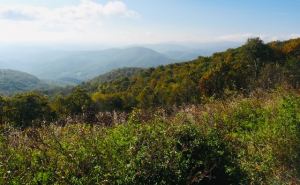
Skyline Drive morning mist: Ridges toward the south in the Shenandoah National Park, October 15

“So Darned Beautiful!” The Shenandoah in the Shutdown: Fall Colors as Health and Inspiration

As the news out of Washington became more and more alarmingly bizarre, quite a few of us, it seems, took to the road this month to immerse ourselves in the annual festival of the trees: the sun-painted  purples, reds, oranges, and golds of the autumn leaves. In the midst of the federal government shutdown–in which some of our relatives and neighbors were furloughed (and feared being fired)–we expected that the officially-closed Shenandoah National Park, just 70 miles west of us, might be off limits, or at least sparsely visited.  Imagine our surprise when, at 8:30 AM on October 15, we discovered that the 31 twisty miles of the northern final stretch of the Skyline Drive were liberally peppered with visitors as hungry as we were for the exquisite scenery and valley vistas. As one of the other visitors we met exclaimed, “It’s just so darned beautiful!”

As Red Sumac waves in the foreground, we scan the western ridges toward the Shenandoah Valley and the Alleghenies beyond, early morning, October 15
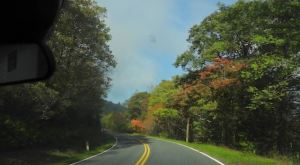
As we drive, we come upon tree after colorful tree in sunlight and mist, October 15

The wind sings in the rushes, as the sun washes the nearby ridges, the Shenandoah River valley below, and the far Alleghenies, October 15
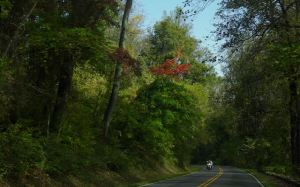
The Drive moves from deep shadows to sudden bursts of color as we go north, October 15

To our surprise, even the Dickey Ridge Visitor Center, near the northern end of the Drive in Front Royal, was open–staffed during the shutdown by unpaid volunteers from the regional Friends of the National Parks. The Center was packed by visitors asking for information and buying the books on history and nature science that we had been worried would no longer be available from this federal location, just as agency websites and federal climate records have been scrubbed since this Administration took office in January.

Bright colors in this nearby ridge as we look north along the Drive, October 15
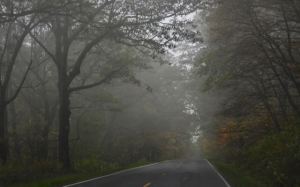

Early morning mist shrouds the canopy as we drive, October 15


Red Sumac and Maples in foreground; ridge upon misty ridge beyond as we look south in the Park, October 15

***************************************************************************
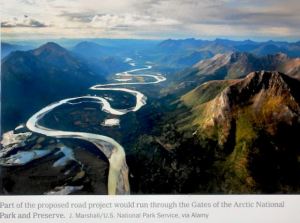
Proposed road would penetrate Gates of the Arctic (J Marshall, New York Times, Oct. 6)

Climate Log: As Most of the World Moves Toward a Greener Future, US Feds Double Down on Fossil Fuel Extraction

On October 23, as the New York Times reported, the Trump administration has now opened portions of the Arctic Wildlife Refuge to oil and gas drilling. An earlier Times article (Joselow and Friedman, Oct. 6) described a second approved project (pictured above) that would build 200 miles of roads through lands and across fragile rivers to more undeveloped sites.

 Those for and against. The plans for this latest incursion into protected lands, which environmental and Native-American organizations say would “significantly and irrevocably” damage land, air, water, and wildlife, as well as Native communities, were halted by the Biden administration for those reasons. But now these incursions have the full-throated  support of the Trump regime. Interior Secretary Doug Burgum in fact proclaimed that these approved projects embody both “drill, baby, drill,” and “mine, baby, mine,” as the White House wants companies who lease the lands to explore for a wide range of minerals that might be used in the competition with China for energy, military, and industrial dominance. 

But will anybody want the leases? One irony of the project is that it is not clear if any fossil fuel companies plan to buy the leases to drill for oil and gas in the region. Millions of acres of earlier-approved leases have gone unsold, because of the prohibitive costs of development and the intense, widespread opposition to the environmental destruction. Potential lenders to the companies have the same cold feet. 
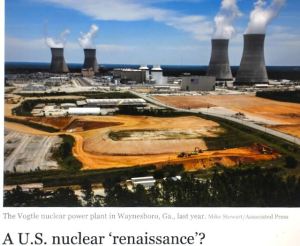
And what if the future is green (or at least non fossil)? It’s also not clear if oil-and-gas drilling have the same attraction across the rest of the world that they have to Trump, Burgum, and their disciples. Also on October 23, an article by Claire Brown in the Times asked if there might be “A U.S. Nuclear Renaissance?” While she noted the 2 nuclear power projects in development in the US (Including the one in Georgia pictured above), she described the 13 now under construction in China–and the 33 (!) already approved for future construction there. China, it seems, and the nations that share its goals for renewable energy are much further ahead of the US than we’d already suspected.

And all this nuclear activity is occurring in addition to the thousands of solar and wind projects in operation and development throughout the rest of the world. 

Bottom line? Here, where we’ve been prohibited by the President and the fossil fuel cartel from even mentioning “climate change,” and where scientists are de-funded, universities are punished, and agency personnel are fired and their records disappeared, it’s easy for us Statesers to believe that all cars are petroguzzlers, all the higher-and-higher-priced utilities run on gas, and EVs and heat pumps were a momentary California dream now gone for good.  But not so! There is hope, and it may just require us to stay strong–and learn as much as we can from our friends in the sane world.

****************************************************************************
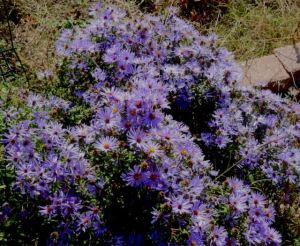
Prolific Wild Blue Aster is the star of our garden plot between the summer and our hopeful autumn, October 24

Our Garden: Summer Success Turns to Fall Hopes
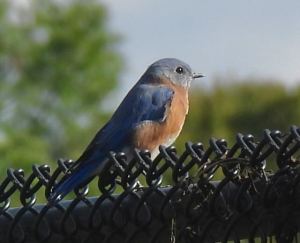
Eastern Bluebird scans the garden plots from the high fence, noon, sunny October 24

October is the month of transition for our little Northern Virginia garden plot.  On October 5, we harvested our last veggies:
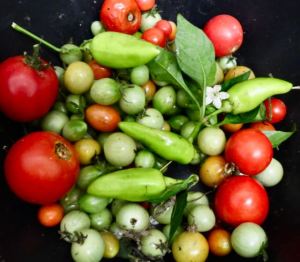
Final summer harvest of green and red tomatoes and spicy burrito peppers, October 5

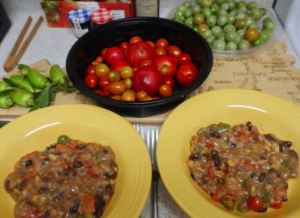
On October 6, we celebrated with a tomato-y, pepper-y Mexican “3 sisters” stew:
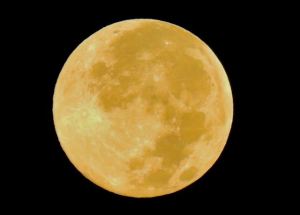
And that night saw, fittingly, the October harvest moon over the lake:
In the garden itself, we devoted the first week of October to digging and hoeing out, plant by plant, the exhausted tomato vines, pepper plants, chard, and herbs, plus the now-faded marigolds, zinnias, cosmos, and other flowers no longer in bloom. We also pulled up or hoed out a good portion of the “weeds,” like Blue Speedwell and Crabgrass, that had thrived all spring and summer. We did all this in prep for the fall season–including for whatever we decided to plant for that abbreviated time before winter.

Our garden association had chosen November 15 as the water shut-off date, but until then we could water our new plants as needed. There were also the piles of mulch and compost we could shovel on to our ground to help with prep for fall and for the overwintering yet to come.

The New Plants
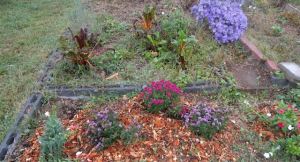
Fall plantings phase one, flowers in southwest corner: Magenta Mums, Purple Asters, Snapdragons, Vinca. We put these in October 13–with mulch
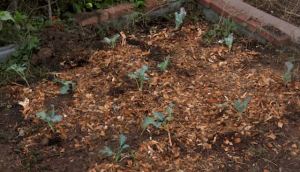
 

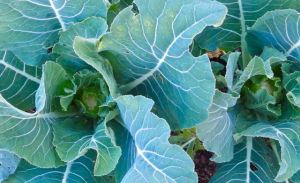
Fall plantings, phase 2, northwest corner: 6 Broccoli seedlings (left) and 6 Cauliflower (right), which we put in October 13, with mulch

At the local Home Depot, we’d decided on some fall favorites for our flower section and for our veggy section, the varieties listed with the photos above. We’d be planting only the west half of the garden and letting the east half lie fallow, perhaps with the mulch for enriching.  From the flowers photo, above, you might notice that a few plants are carryovers from the summer–3 Swiss Chard and one very healthy Rosemary, a perennial. We’ll see how they do as the cold comes.

As for the Broccoli and the Cauliflower, we tried them with some success last fall in our earlier small plot–so let’s see how they do this year. It all depends on how quickly the cold intensifies.

Oh, and the brilliant Wild Blue Aster plant in the center row? This magnificent Virginia Native did almost nothing all summer–but for the last month it has been its own fireworks display. We’ll keep track.

As you can see, we are having a ball experimenting and growing. You might say our garden plot is our own special Ball-room. And we didn’t have to destroy anything to build it.

Eastern Bluebird scans the garden as a Blue Jay calls, October 24

********************************************************************************
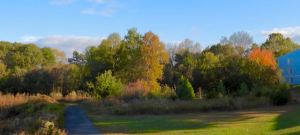
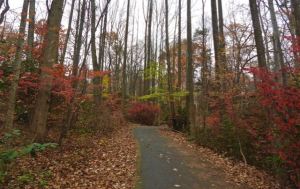
Fall colors in the woods northeast of our lake, morning, October 20

The October 2025 Photo/Video Gallery: More Birds, Wildflowers, and Autumn Travelpics

Besides our trip to the Shenandoah National Park, we also went to the local Algonkian Potomac River Park in late September and enjoyed more colorful sights in the Potomac watershed in rural Maryland and Virginia early in the final week of October.

And, of course, our own little lake offers us too many marvelous fall color and floral/faunal gems to ignore.  In fact, with the return of a substantial rain on October 30, more birds returned to the lake at the very end of the month–and we are able to show some of these species to you in this entry.
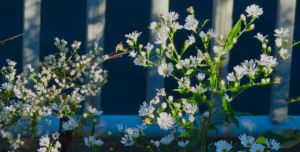
Michaelmas Daisies and Late Boneset, south end of our lake, October 20
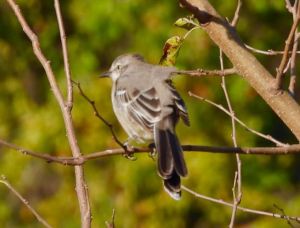
Mockingbird on branch, north end path by our lake, October 20
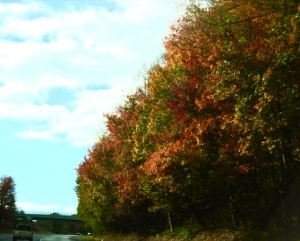
Atop Maryland’s South Mountain, morning, October 23
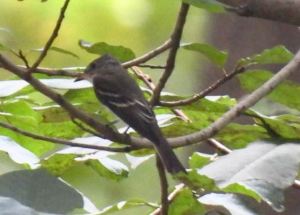
Eastern Wood Pewee, in Paw Paw tree, Algonkian Regional Park by Potomac, morning, September 23
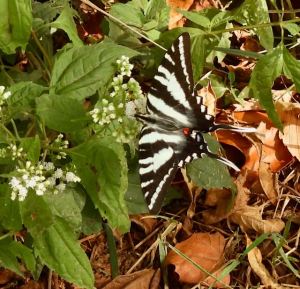
Magnificent Zebra Swallowtail on White Snakeroot, Algonkian Regional Park, September 23
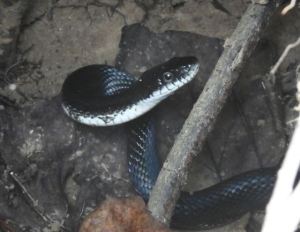
In its den near the mouth of Sugarland Run in Algonkian Park, we spy the Eastern Rat Snake before it emerges, September 23
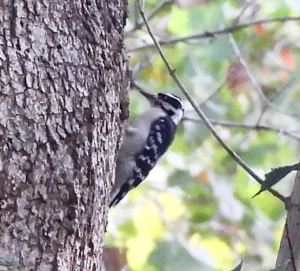
Downy Woodpecker on Black Cherry trunk, Algonkian Regional Park, September 23

Double-crested Cormorant preens on the boundary rock where Sugarland Run enters the Potomac, Algonkian Regional Park, morning, September 23
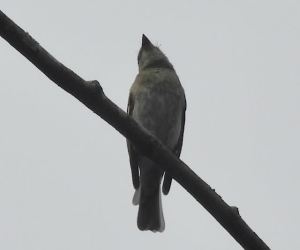
Acadian Flycatcher on branch, Algonkian Regional Park, September 23
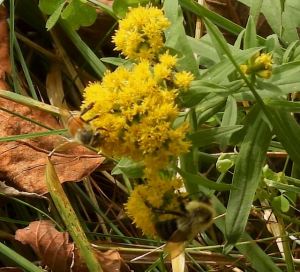
Bumblebee and Honeybee on tiny Grass-leaved Goldenrod on ground, Algonkian Regional Park, September 23
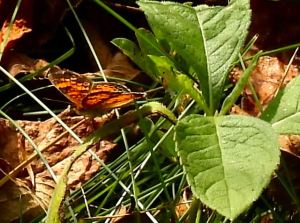
Aphrodite Fritillary on Wingstem leaf on ground, Algonkian Regional Park, September 23

Chipping Sparrow hunts seeds on ground at our feet, Algonkian Park, September 23
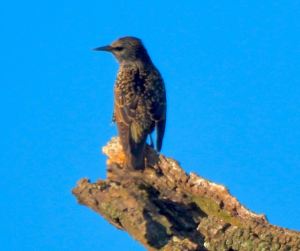
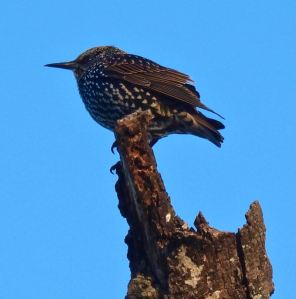
European Starling brightly lit by morning sun atop Dead Oak, east bank of lake, October 20
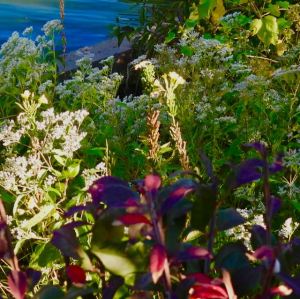
Evening Primrose, Late Boneset, and Burning Bush by south end of lake, October 20
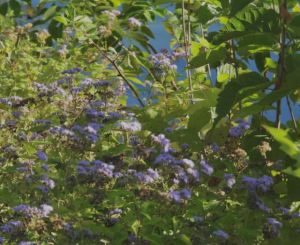
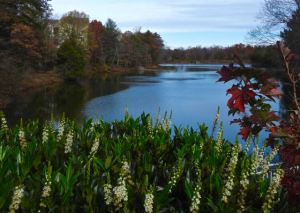
Blue Mistflower thicket along southwest shore of the lake, October 20

Grey Catbird moves through dry grass, north end path by our lake, October 20
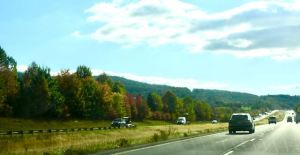
Maryland’s Catoctin Mountain, along I-70, October 23
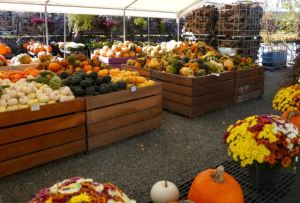
 

Pumpkins and Mums display, Luckett’s (VA) farm market, October 23
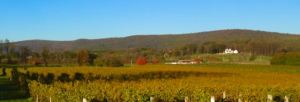
 

Fall colors, Breaux Vineyards, Hillsboro, VA, October 21
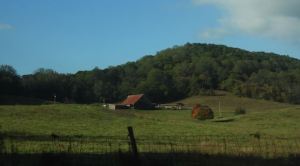
 

Farm along Rte. 211, Washington, VA, east of Skyline Drive, early morning, October 15
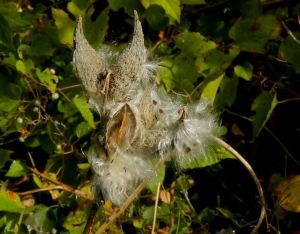
 

Swamp Milkweed, silken seeds ready to fly, south end of lake, October 11
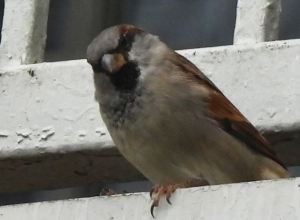
 

House Sparrow closeup, edge of balcony east of lake, Oct. 11
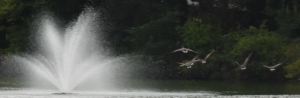
 

Six Canada Geese in flight past fountain, south end of lake, October 11

Seven Canada Geese swim in the east lake, as Crickets sing, October 11
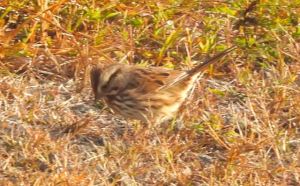
Rarely seen Savannah Sparrow feeds happily in the dry grass below the dam, early AM, October 25
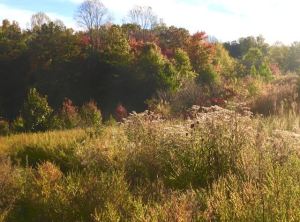
 

Teazel and Boneset in field below dam with view of full color north woods, October 25

Song sparrow chirps within a Silken Dogwood on the southeast shore of the lake, as a Blue Jay calls, early AM, October 25
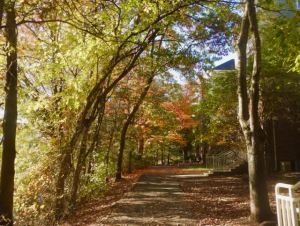
West path canopy of colors, in the early morning sun, October 25
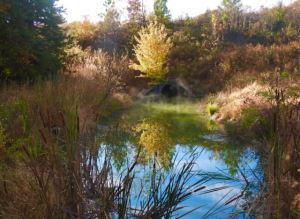
 

Mist rises and leaves glow: the outlet pool below the dam, early morning, October 25
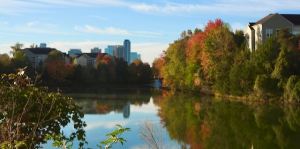
 

Panorama toward downtown with full colors along the lake, morning, October 25
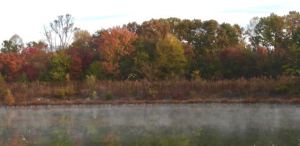
 

Mist rises in the lake, as full colors glow in the north woods, early morning, October 25
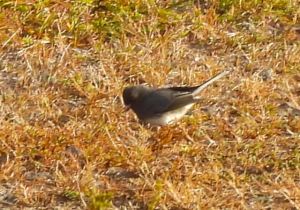
 

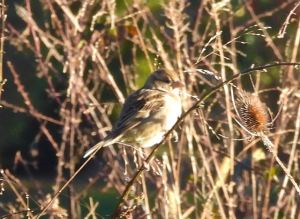
Dark-eyed Junco–first sighting of the fall–feeding in the field below the dam, early AM, October 25
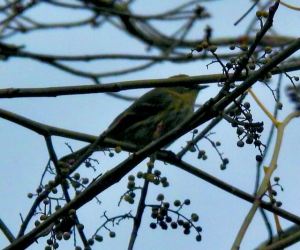
 

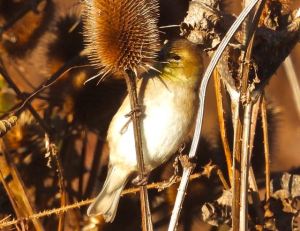
Pine Warbler–our first sighting here!–amid Greenbriar on the southeast shore on a cloudy morning after rain, October 30


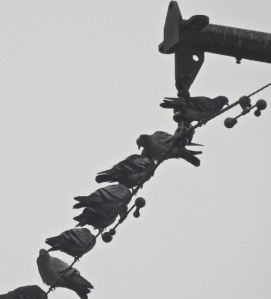
Three Rock Doves on the stanchion west of the lake, cloudy morning, October 30
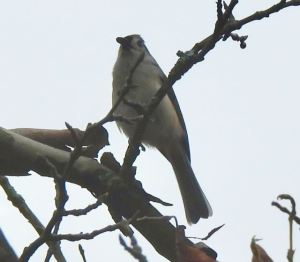
 

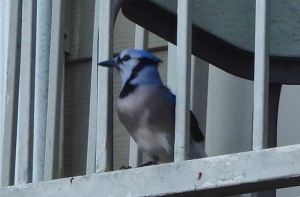
Blue Jay above the inlet stream on a cloudy morning after rain, October 30
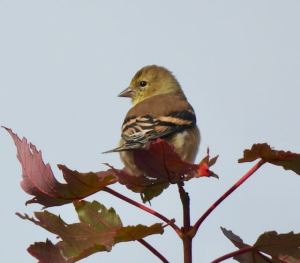
 

American Goldfinch, winter colors, in Red Maple, north end path, morning, October 26
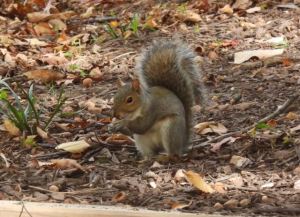
 

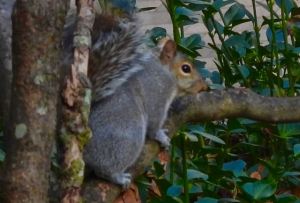
Grey Squirrel munches amid acorn cluster, on the southeast path, morning, October 26
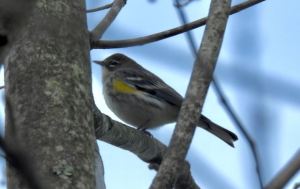
 

Yellow-Rumped Warbler in Red Maple, southeast bank, morning, October 26
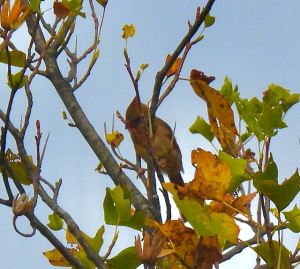
 

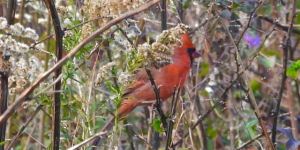
Cardinal female in Tulip Tree, north end woods, morning, October 26

Great Blue Heron stands atop dead Oak on the east bank and scans the domain, early AM, October 25

And so we move toward November, the month of Thanksgiving, with so much already to be thankful–and hopeful–for…
November 2024: In a Sad Month, So Much To Be Thankful For

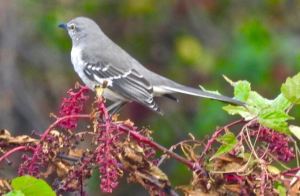
Mockingbird on dry Pokeberry bush, north shore of lake, Nov. 17

In this month’s entry:

Thanksgiving Gifts from Our Family
Wildlife Around Our Lake Disappear in the Ongoing Drought
Election Gives Narrow, But Still Decisive Win to Climate Change Deniers
Keeping Up the Good Fight: Visiting the Virginia State Arboretum
The November 2024 Photo Gallery: Pretty Landscapes, Growing Silence

At nearby Lake Newport, we walk on crispy, fallen leaves amid skyscraping trees and brilliant autumn colors.

Thanksgiving Gifts from Our Family

How fortunate and thankful we are to be able to share our joys with family who have come to join us from New York, Virginia, and Georgia. Our Thanksgiving embraces a week of holiday outings, imaginative meals, and raucous, witty (of course!) conversations among three generations from age 4 to 80. Even those family members we can’t be with in person, we will be with via phone, text, and FaceTime.

What did we do to be so blessed? And, wouldn’t you know it, we’ve even gotten an inch of rain this week to begin, we hope, to make a dent in the drought.

************************************************************************

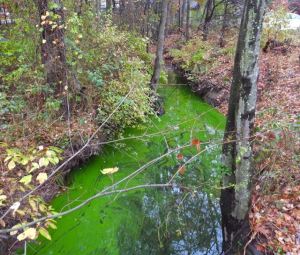
Green algae thick in the inlet stream into our lake, Nov. 18, as significant rain has not fallen since September

Ongoing Drought and the Fast Spread of Bird Flu: Birds Disappear Here, While Wildfires Plague the Northeast

Exactly one year ago (see November 2023 entry), this blog celebrated in story, video, and photos a profusion of wildlife around our small lake. The stars of the entry were several pairs of amorous mallards happily building their relationships, while the videos featured a varied soundtrack of the many songbirds and waterfowl calling to their fellows in an often rainy setting.

The only ducks we’ve seen in our lake since the spring are these four Buffleheads, who visited last week for one day, and then flew off. Even our frequent cormorants have not visited. Only our resident flock of Canada geese visit this water, and even their visits have declined.

Oh, what a difference a year makes! The drought brought on by record high average temperatures across the country (and much of the entire world) this year has been intensifying in our multi-state region since early in 2024. The drought has continued through this November (October was completely rainless), and this November is the hottest on record in our area (as reported in the Washington Post, Dec. 3). Last month’s entry focused on how quickly the lakeshore’s plants were drying out and leaves were beginning to fall. The music of the birds had almost ceased as birds migrated toward wherever they might find fresh water.

The Next Pandemic? Perhaps Bird Flu.  A secondary cause of the bird decline is the H5N1 bird flu, which has spread rapidly across the country, causing the decimation of many millions of chickens in commercial flocks, and now also infecting some 685 cattle herds in 15 states, as reported in the Los Angeles Times (“Business as Usual Despite H5N1,” Nov. 30) and in National Geographic (Fred Guteri, Dec. 18). Unfortunately, like the widespread drought, scant attention is being paid to the spread of this disease in our environmentally-oblivious U.S. of 2024.

Photo: NatGeo/Reuters

No one wants to hear this, because there is clearly no appetite in this country for even thinking about  precautions for a new health crisis. But, as Zeynep Tufekci writes in the Dec. 9 New York Times, more and more human cases of H5N1 are arising, and the time is now to take the threat seriously (“A Bird Flu Pandemic Would Be One of the Most Foreseeable Catastrophes in History”). In 2019, there were health experts in the first Trump administration who could push back strongly on the President’s fantasies about COVID-19 (remember the bleach cure and hydroxychloroquine?). But now he has surrounded himself with vaccine deniers like Robert F.Kennedy, Jr., and there will be no medical leaders like Anthony Fauci, Deborah Birx, and Francis Collins to mobilize an effective national/international response, so wishful thinking, studied ignorance, and quack remedies will abound, more like the Middle Ages than the 21st century.

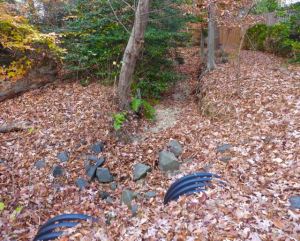
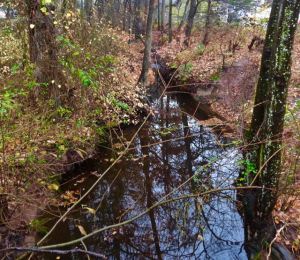
At nearby Lake Newport, the bone-dry inlet stream from surrounding hills and neighborhoods, as the drought goes on, Nov. 20

Wildfires in New York, New Jersey, and Massachusetts

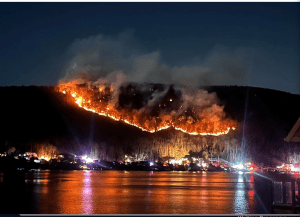
5000-acre Jennings Creek Fire on New York-New Jersey border (USA Today photo, Nov. 18)

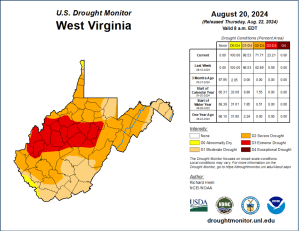
Last month’s blog also displayed the map of the U.S. (created by Drought Monitor), which showed almost the entire nation (except for hurricane-pounded Florida and western North Carolina) in a moderate to severe drought. Wildfires were in lethal bloom in many Western states. Weather Service maps showed “red flag warnings” across much of the central and eastern states, including New York State and even New England.

Well, sure enough, in November as many as 500 fires of various sizes have transformed the usually wet and cooling Northeast states into a California-like wildfire season–experiencing such change for the first time in memory. The largest of these blazes so far has been the Jennings Creek fire (shown above): 5000 acres and growing along the New York-New Jersey border, with smoke from all these fires fouling the air in East Coast cities. Meanwhile, in many other states, such as Oklahoma and Texas, drought has caused the massive loss of crops, which this blog catalogued in August as having occurred here in Virginia’s usually lush Shenandoah Valley. Neighboring West Virginia’s governor–a staunch climate-change denier–declared a statewide drought emergency across its 55 counties:

***************************************************************************

Election Gives Narrow, But Still Decisive Win to Climate Change Deniers

To make matters even worse, this November’s closely-contested elections gave a thin, but nevertheless sufficient victory to former President Donald Trump and to just enough climate-change denying Republican candidates to give that party razor-thin majority control in the Senate and the House of Representatives. Trump, who is a strident spokesperson for the fossil-fuel cartel, made “Drill, baby drill!” for gas and oil one of the emphatic slogans of his campaign.

As if that weren’t destructive enough, the rival candidate, Democrat Kamala Harris, never during the campaign spoke out in favor of renewable energy sources, and indeed promised voters in the closely-contested state of Pennsylvania that she supported the destructive, water-wasting practice of hydraulic fracturing (“fracking”) for natural gas, which has become in recent years a favored process of gas extraction in that state and many others. Why she and her party turned their backs on climate is not clear, but surely indicates that they did not trust voters to understand the dangers and their importance. This is puzzling, because, as this blog detailed in July, polls show that a healthy majority of Americans see climate change as a solvable major problem. But at this point, possible solutions don’t even get on the ballot.

So, with no candidates in either party having the courage to speak the truth about climate destruction, the results were inevitable. As the world and our nation become steadily hotter, more polluted, drier, less fertile, and with more extreme storms, we humans are getting what none of us want, but what too many of us prefer to ignore, or deny, or feel powerless to prevent.  Too bad that our fellow creatures don’t have a say about our actions, but just suffer–and disappear–through our cowardice.

***********************************************************

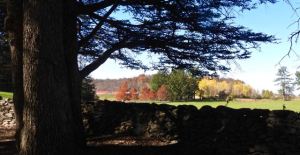
Panorama of the Virginia State Arboretum: Cedar of Lebanon foreground, and Bald Cypress grove and famous yellow Ginkgo grove in distance, Nov. 8

Fighting the Good Fight: Visiting the Virginia State Arboretum

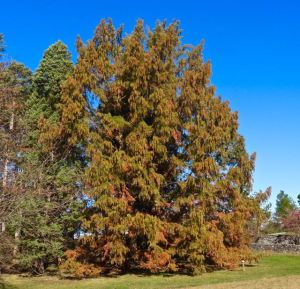
The magnificent Dawn Redwood, native to China, 80 feet tall, part of the international display at the Arboretum, Nov. 8

We had read about the Virginia State Arboretum, part of the Blandy Experimental Farm operated by the University of Virginia. We finally visited on November 8, a warm, sunny day just perfect for walking and viewing. Located 80 miles west of us, north of Shenandoah National Park, and just beyond the Shenandoah River near the village of Boyce, the Arboretum is an out-of-the-way miracle that is one of Virginia’s best kept secrets. With trees from around the world and across the U.S., as well as representative trees from throughout the state, the Arboretum’s several miles of trails offer stunning sights, good exercise, and a pleasant education in arboreal beauty.

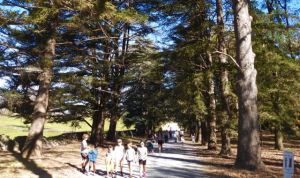
Visitors to the Arboretum walk the Alley of Cedars of Lebanon toward the Ginkgo Grove, Nov. 8

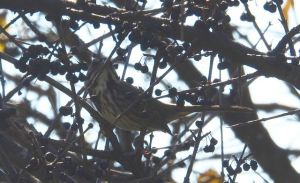
Our visit came during the Arboretum’s Ginkgo Festival, so about a hundred visitors of all ages had come especially to see the famous grove of Asian Ginkgos (pictured above). Our leisurely two-hour visit also included a walk along the Cedars of Lebanon Alley,  a stroll among the many labelled and fragrant plants in the garden of herbs from around the world, and a talk with one of the helpful members of the staff–who answered our questions about the effects of the drought on the trees. She told us that often drought effects on trees are not seen until two years or so into the event, because of the trees’ resilience and stores of nutrients. However, she said, one evident effect already had been the drying up of the ponds and lakes on the property, as well as the decline in the bird population. Nevertheless, the broad lawns were still remarkably green and the trees glowed with fall colors, so the sights were lush and I even was able to get one bird photo, of the Brown Thrasher (below).

Brown Thrasher silhouetted in a berry-covered Buckthorn tree between the Cedars of Lebanon Alley and the Ginkgo Grove, Nov. 8

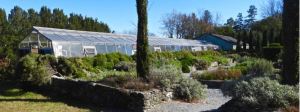
Greenhouse and outdoor international herb garden, State Arboretum of Virginia, Nov. 8. Ah, the fragrances!

 *************************************************************************

Sunrise panorama toward colorful north end woods, with west side dock in middle distance, Nov. 15

November 2024 Photo Gallery: Finding Beauty in the Drought

This month’s Gallery features scenic photos from around our little Lake Cameron, from nearby Lake Newport, and from other local sites. The birds are much fewer in number, so the music of their calls has all but disappeared, though the number of species is still considerable, as the photos here demonstrate.  Happily, some still make their presence known visually, and we highlight them here. We give them thanks for sharing their delicate beauty.

Eighteen Canada Geese adorn our lake before the north end, Nov, 23. They’re visiting frequently now, but no longer daily.


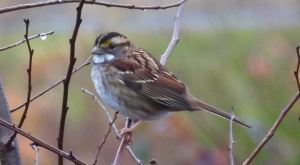
White-throated Sparrow, first sighting here of this species after two years of listening to the call, north end path, morning after rain, Nov. 28


Inlet stream to our lake, water clear after night of rain and colder temps, Nov. 28


Flock of Rock Doves on stanchion west of lake, morning after rain, Nov. 28


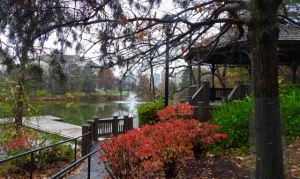
Burning Bush and gazebo, west shore of our lake, with view toward downtown, morning after rain, Nov. 28


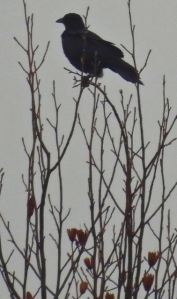
American Crow atop Tulip Tree, north end woods, Nov. 28


Three Turkey Vultures glide above the east bank of our lake, the most we’ve seen here at one time, Nov. 18


Chipping Sparrow in dried Cutleaf Teazel, at the northeast corner of our lake, on a warm, dry morning, Nov. 8


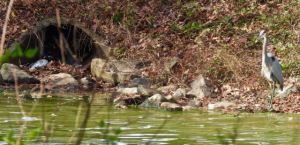
Great Blue Heron, our regular visitor, beside the inlet culvert on the southwest shore, warm Nov. 18


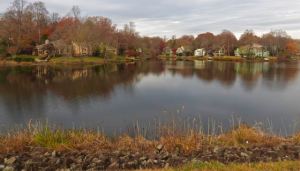
At nearby Lake Newport, homes and fall colors are reflected as we look from the dam on a cold morning, Nov. 20


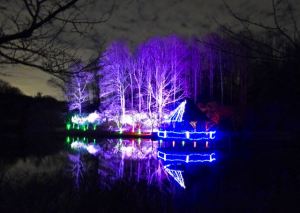
Meadowlark Botanical Gardens, holiday light show, trees and gazebo illuminated across lake, Nov. 25


Male Cardinal, amid Asters, Boneset, and Blackberry Canes, northeast corner of our lake, Nov. 7

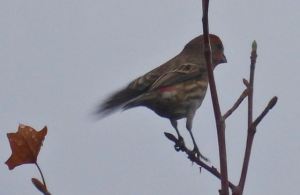
This male House Finch lands atop a Tulip Tree in the north end woods by our lake, on a cool morning, Nov. 18


Bluejay near feeder, east side, Nov. 8


A newly arrived Yellow Warbler perches in the Willow Oak on the east bank of our lake, Nov. 8


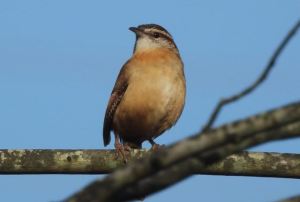
Carolina Wren on branch, southeast shore of our lake, windy morning, Nov. 11


Just after sunrise on a cold Nov. 24, Cherry Laurel, red Oakleaf Hydrangea, and the northern panorama of our lake


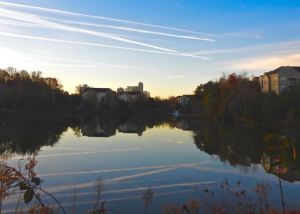
Panorama toward the south end of our lake and downtown, with contrails, early morning,Nov. 17


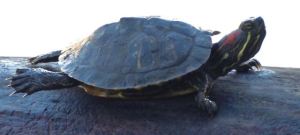
One of our Red-bellied Cooter Turtles, on log at the southeast shore, warm morning, Nov. 15

European Starling scans from atop the dead Oak on the east bank of our lake, on a cold dry morning, Nov. 23


Yellow Warbler feeds on dry Cutleaf Teazel in field west of our lake, Nov. 23


Song Sparrow, amid dry blackberry canes, northeast shore of our lake; warm, windy morning, Nov. 17


In our new garden plot in the public gardens in our town, tiny heads emerge in two of our cauliflower plants, warm morning, Nov. 24

A Grey Squirrel pauses on a branch near the west side path along our lake, on a cold morning, Nov. 24

 Mist rising at sunrise, beside the north end outlet stream below dam, Nov. 17


Fall colors, including Scarlet Oak along the west side path, warm morning, Nov. 18

Here’s to a happy, fruitful December, which is bound to be interesting!

September 2024: We Return to the Eastern Shore and We Start a New Garden

If you’re new to this blog, start with the About page, then come to Home.

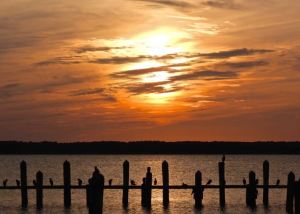
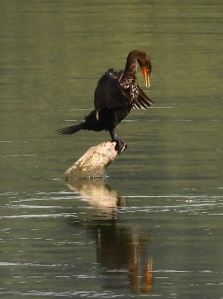
Double-crested Cormorants celebrate sunset on the Tred Avon River, Oxford, MD, September 15

In this month’s entry:

Return to the Eastern Shore: Heroes, Horses, Survivors
Our Newly-Started Garden!
Another Potomac Valley Exploration
The September 2024 Photo/Video Gallery

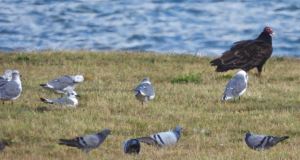
On the Long Wharf in Cambridge, MD, Herring Gulls, Rock Doves, and a Turkey Vulture commune, September 14

Return to the Eastern Shore: Heroes, Horses, and Survivors

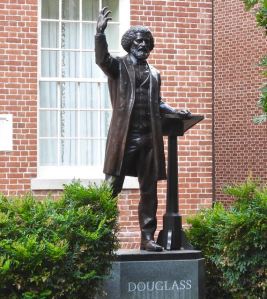
Frederick Douglass statue at County Courthouse, Easton, MD, September 13

One year ago, we took our first trip to the Eastern Shore of Maryland since we’d left California in 2022. On that trip, we focused on the quiet village of St. Michael’s, the even tinier Tilghman’s Island just across the Chesapeake Bay from Virginia, and the Blackwater National Wildlife Refuge. On this year’s two-days-longer trip, we focused on the historic towns of Easton, Cambridge, Vienna, and Oxford–as well as windswept Assateague Island all the way east at the Atlantic Ocean.

Early morning scan along a small beach at the western edge of the town of Oxford, toward the Choptank River, September 16

Heroes

The town of Easton thrives today near where Frederick Douglass grew up enslaved and from which he escaped as a young man. His life and struggles are immortalized in his 1845 autobiography, Narrative Life of Frederick Douglass. Easton reveres its local hero through a powerfully-wrought statue in the town center and an annual Frederick Douglass Day celebration, to be held this year on September 28.

Douglass Day poster, Easton, Maryland (photo, September 13)

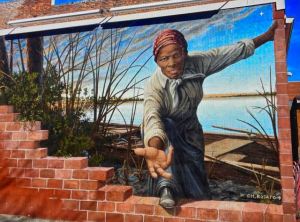
A second Eastern Shore hero, Harriet Tubman, the courageous, tireless leader of the Underground Railroad, is commemorated in nearby Cambridge, Maryland, through the Harriet Tubman Memorial Garden, and the Harriet Tubman Underground Railroad National Historical Center, which includes the Museum of the Underground Railroad. On this Veteran’s Day, November 11, Tubman was honored, 160 years after her military service to the U.S. during the Civil War, by being named a one-star general in the Maryland National Guard. Over her lifetime of service, she liberated many hundreds of enslaved persons in Maryland and other slave states.

Mural of Harriet Tubman in downtown Cambridge, MD

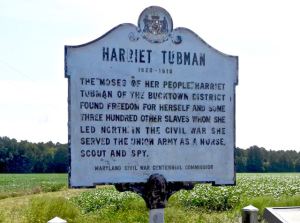
Harriet Tubman grew up enslaved on the Brodess Farm eight miles south of Cambridge, and from there not only escaped herself, but led others from the farm to freedom. The peaceful fields and forest of this land today, marked by two plaques, are a quiet tribute to the lifetime of heroic service by this American hero.

Historic marker to Harriet Tubman at the site of the Brodess Farm, south of Cambridge, Maryland (photo, September 15)

Horses

According to legend, a shipwreck late in the 17th century left a small herd of horses stranded on long, narrow, sandy Assateague Island just off the Maryland coast. These horses survived on the salt marsh grass, and their descendants became over time the darlings of the human community that grew up near them, and were instrumental to the humans’ own success. In the 20th century, Assateague Island became the Assateague Island National Seashore, the land and horses protected by the national and state Park Services.  On September 15, we visited the island for the first time in many years, and were enchanted once again by the natural setting and its equine inhabitants.

One of the Assateague horses welcomes us to the National Seashore. We stopped and let the horse pass by to join friends. (September 15)

Not only were we and the other human visitors greeted by several of the approximately 75 horses on the island, but we were able to visit the very quiet, early morning beach, surrounding marshes, and woods. As one would expect, the island is being constantly reshaped by wind, currents, and climate change; so a second large responsibility of the Park Services is to revitalize the beaches and protect the native plant species.

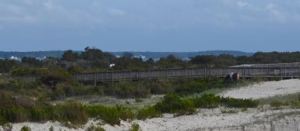
Panorama of the Assateague shoreline, morning, September 15 

View from the beach across the marsh to the intracoastal bay and the mainland beyond (September 15)

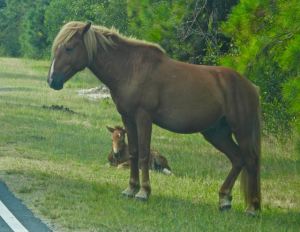
Assateague mare and her foal, along the roadside, September 15

Survivors

Life on the Eastern Shore is about survivors, not only the enslaved humans who managed to escape, or the horses on Assateague, or the native plants and animals challenged by modern agriculture and overfishing, but all those over centuries whose descendants have endured and often thrived in an environment with arable land and plentiful sea life. Perhaps among the most challenged have been the Native American humans of this unique region, who made a living from this land and its waters over many centuries through responsible use of the natural resources–and then were decimated by Anglo tobacco growers, farmers, and fishermen from the 17th through 19th centuries. Descendants of those who survived still call this region home.

We actually came on this visit because we wanted to take part in the 32nd Annual Festival of the Nause-Waiwash Band of Indians, celebrated in Vienna, Maryland, 25 miles east of Cambridge on the banks of the Nanticoke River.

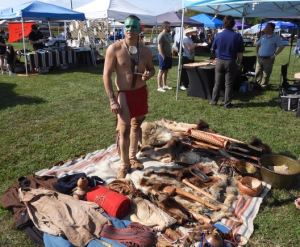
Consisting of displays of foods and crafts, exhibits, demonstrations, ceremonies, and native dances, the annual festival draws members from several tribes and other visitors from the Eastern Shore and well beyond (like us).

Drew Shuptar-Rayvis, Cultural Ambassador of the Pocomoke Nation, exhibiter at the festival, September 14

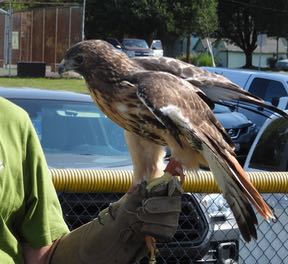
Parks Docent describes habits of the Red Tail Hawk, at the Native American Festival, Vienna, MD, September 14

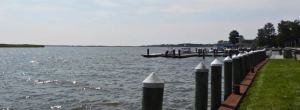
The Nanticoke River, looking toward south, Vienna, MD, September 14

**************************************************************

We Start a New Garden!

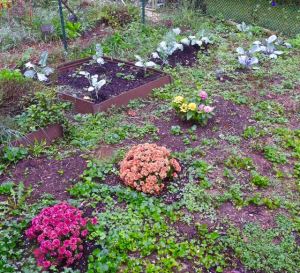
Our first plantings: Broccoli, Cauliflower, Red Cabbage, Mums, Daisies, 3 weeks old, in the rain, September 24

Shortly after we moved into our Northern Virginia community in 2022, I put our name on a waiting list for a 200-square-foot garden plot in one of our suburban city’s array of four areas open to residents for their gardens. Each of the four area clusters includes about 50 plots: the clusters are all fenced in and require a code to enter.  These four areas are closely supervised by the community, with each area governed by rules (organic gardening is required, for example), with the rules enforced by managers. Water is provided in each area, and mulch and compost are also available. Each plot holder pays a reasonable seasonal fee.

These plots are so popular that I waited almost two years for our name to come up. In that time, we learned as much as we could about growing vegetables and flowers in the rainier Northern Virginia climate–so different from the year-round, irrigated gardening I did in California for 17 years, and which is captured month to month in this blog from 2016 to June 2022. (Check out some of our entries!)

Here, we are starting very small, to get a feel for the climate and because winter is fast approaching. We planted 6 seedlings each of broccoli, cauliflower, and red cabbage, plus a few hardy fall flowers (chrysanthemums and gerbera daisies), just to see how they will do in the weather and how they are impacted by the squirrels, chipmunks, and cabbage leaf butterflies. We are learning so much from the other garden plots we look at–and we are mightily impressed by the variety and productivity of our new neighbors’ gardens. See the video below.

Keep watching this blog for monthly updates.

Pano-track of plots in the area in which we have our small new garden, in the rain, September 24

*************************************************************************

Another New Potomac Valley Exploration: Rock Creek

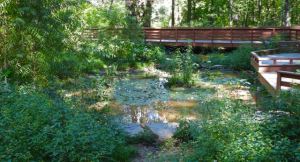
Marsh on Rock Creek tributary above Jones Mill, Rockville, Maryland, September 3

Rock Creek begins in Montgomery County, north of Washington, DC, and flows through the District and into the Potomac at Georgetown. On September 3, we visited the northern-most part of Rock Creek, where the Jones Mill stood in the 18th century. As with the Conococheague Creek region 60 miles to the northwest, some of Jean’s ancestors settled in this Jones Mill area at that time. So visiting this area  and observing the waterways and flora helps us begin to imagine what those ancestors might have experienced, though the land has been greatly changed since those times. Fortunately, small parts of this densely-developed area have been preserved as parkland and even as nature refuge, rather than adapted and re-adapted decade upon decade as commercial, residential, and roadway construction.

Indeed, even to preserve this few-acre streambed as a wetland has meant substantial redesign and replanting, plus the addition of paths and bridges for visitors, as seen in the above photo.

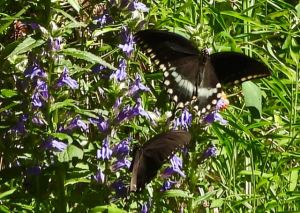
Black Swallowtail Butterflies on Blue Lobelia, Rock Creek marsh, Jones Mill area,  September 3

Oxeye Sunflowers, Rock Creek marsh, Jones Mill area, September 3

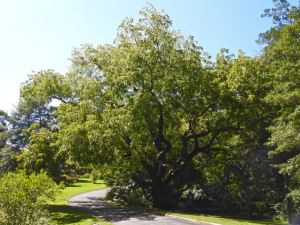
Magnificent Black Walnut Tree, Rock Creek park, Jones Mill area, September 3

***********************************************************

The September 2024 Photo/Video Gallery

More from around our community lake, from our new garden, and from our travels this month

Maybe twice a year, we’ll be privileged to witness a beaver swimming in our lake. On September 26, in the rain just before sunrise, I watched as this beaver explored the swollen shoreline. This is our most extended view of this resident in two years.

A pair of Blue Jays atop an oak east of our lake, misty morning, September 25

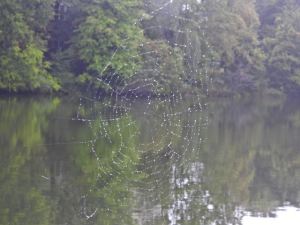
Spiderweb view of the lake, southeast cove, misty morning, September 25

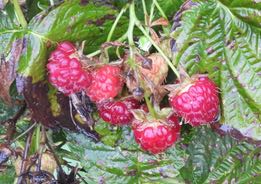
Ripe raspberries from a bush left in our new garden by the previous plot holder, September 24

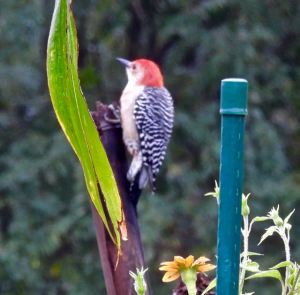
Red-bellied Woodpecker in a neighbor’s plot in the community garden in the rain, September 24

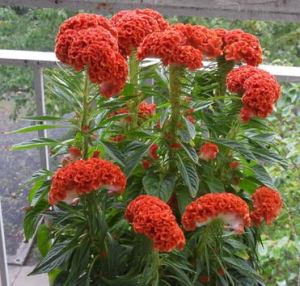
Cocks-comb (Celosia) on porch beside our lake, September 24

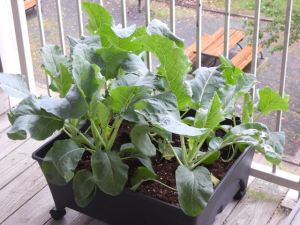
Cauliflower plants thrive in pot on porch beside our lake, September 24

Wildflower montage below the lake’s north end dam: Goldenrod, Late Boneset, Cutleaf Teazle, Purple Thistle, Porcelain Berry, drizzly morning, September 22

Rock Doves by dozens fly on to and perch on stanchion west of the lake, drizzly morning, September 22

Exceptionally rare in the Eastern U.S.: Clark’s Nutcracker feeds on dried Evening Primrose on the Northeast bank of the lake, September 22

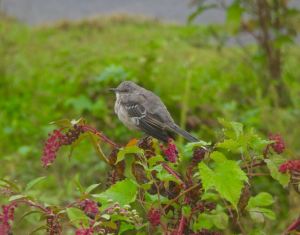
Mockingbird on Pokeberry bush at the north end shore of the lake, misty morning, September 25

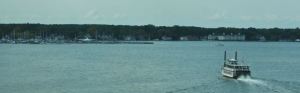
Ferry trip: from Oxford, MD, to Bellevue, MD, across the Tred Avon River, September 16

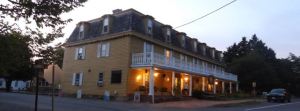
The Robert Morris Inn, built 1710, where we stayed in Oxford, MD, September 15-16

Eastern Shore trip: Passing by a typical Easton area farm with the ubiquitous soybeans that we saw growing in the region, Sept. 13

By the Dorchester County History Museum, Cambridge, MD: Tracking the flora and Mallards in the marsh, September 14

On the Choptank River bridge, September 13: a paddle wheeler heads toward the pier in Cambridge

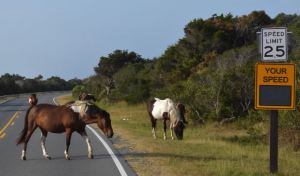
Assateague Island: Herd crosses the road where traffic has stopped, September 15

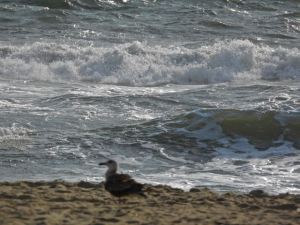
Assateague Island: A Herrring Gull at the ocean’s edge, early morning, September 15

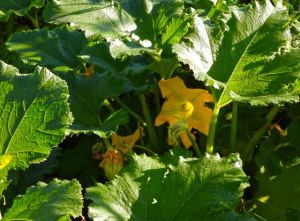
Surprise Zucchini blooms and vine on the north end path by our lake, September 10

Community garden: male Cardinal perches in a neighbor’s plot in the rain, September 24

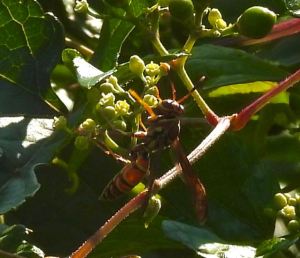
Red Wasp feeds on Porcelain Berry west of our lake, late afternoon, September 9

Snapping Turtle swims across the middle of our lake, always on the lookout, afternoon, September 22

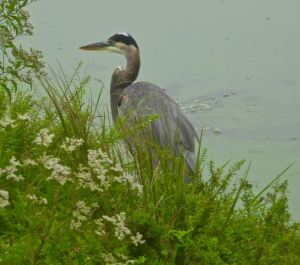
Another patient watcher: Blue Heron amid Late Boneset and Bushclover, northwest corner of the lake, misty morning, September 25

And my camera is always on the lookout, too, as I hope to see, hear, and hold on to more memories. Still a few days of September left, then on to October in our colorful, exciting, fragile world.