November 2024: In a Sad Month, So Much To Be Thankful For

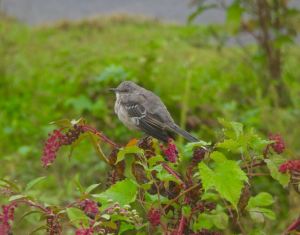
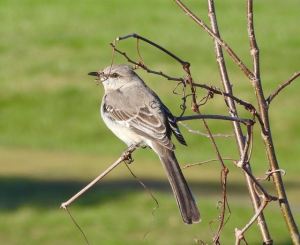
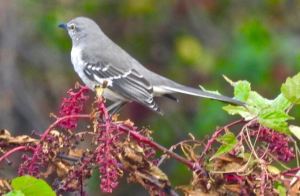
Mockingbird on dry Pokeberry bush, north shore of lake, Nov. 17

In this month’s entry:

Thanksgiving Gifts from Our Family
Wildlife Around Our Lake Disappear in the Ongoing Drought
Election Gives Narrow, But Still Decisive Win to Climate Change Deniers
Keeping Up the Good Fight: Visiting the Virginia State Arboretum
The November 2024 Photo Gallery: Pretty Landscapes, Growing Silence
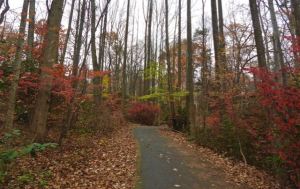
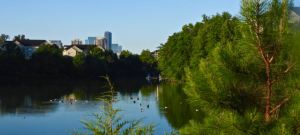
At nearby Lake Newport, we walk on crispy, fallen leaves amid skyscraping trees and brilliant autumn colors.

Thanksgiving Gifts from Our Family

How fortunate and thankful we are to be able to share our joys with family who have come to join us from New York, Virginia, and Georgia. Our Thanksgiving embraces a week of holiday outings, imaginative meals, and raucous, witty (of course!) conversations among three generations from age 4 to 80. Even those family members we can’t be with in person, we will be with via phone, text, and FaceTime.


What did we do to be so blessed? And, wouldn’t you know it, we’ve even gotten an inch of rain this week to begin, we hope, to make a dent in the drought.

************************************************************************
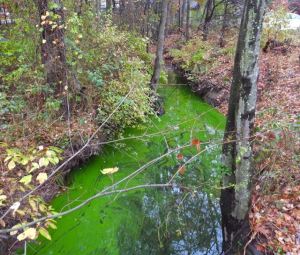
Green algae thick in the inlet stream into our lake, Nov. 18, as significant rain has not fallen since September

Ongoing Drought and the Fast Spread of Bird Flu: Birds Disappear Here, While Wildfires Plague the Northeast

Exactly one year ago (see November 2023 entry), this blog celebrated in story, video, and photos a profusion of wildlife around our small lake. The stars of the entry were several pairs of amorous mallards happily building their relationships, while the videos featured a varied soundtrack of the many songbirds and waterfowl calling to their fellows in an often rainy setting.
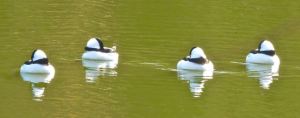
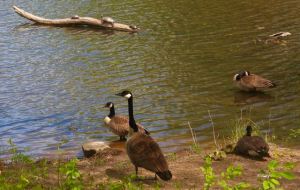
The only ducks we’ve seen in our lake since the spring are these four Buffleheads, who visited last week for one day, and then flew off. Even our frequent cormorants have not visited. Only our resident flock of Canada geese visit this water, and even their visits have declined.

Oh, what a difference a year makes! The drought brought on by record high average temperatures across the country (and much of the entire world) this year has been intensifying in our multi-state region since early in 2024. The drought has continued through this November (October was completely rainless), and this November is the hottest on record in our area (as reported in the Washington Post, Dec. 3). Last month’s entry focused on how quickly the lakeshore’s plants were drying out and leaves were beginning to fall. The music of the birds had almost ceased as birds migrated toward wherever they might find fresh water.

The Next Pandemic? Perhaps Bird Flu.  A secondary cause of the bird decline is the H5N1 bird flu, which has spread rapidly across the country, causing the decimation of many millions of chickens in commercial flocks, and now also infecting some 685 cattle herds in 15 states, as reported in the Los Angeles Times (“Business as Usual Despite H5N1,” Nov. 30) and in National Geographic (Fred Guteri, Dec. 18). Unfortunately, like the widespread drought, scant attention is being paid to the spread of this disease in our environmentally-oblivious U.S. of 2024.

Photo: NatGeo/Reuters

No one wants to hear this, because there is clearly no appetite in this country for even thinking about  precautions for a new health crisis. But, as Zeynep Tufekci writes in the Dec. 9 New York Times, more and more human cases of H5N1 are arising, and the time is now to take the threat seriously (“A Bird Flu Pandemic Would Be One of the Most Foreseeable Catastrophes in History”). In 2019, there were health experts in the first Trump administration who could push back strongly on the President’s fantasies about COVID-19 (remember the bleach cure and hydroxychloroquine?). But now he has surrounded himself with vaccine deniers like Robert F.Kennedy, Jr., and there will be no medical leaders like Anthony Fauci, Deborah Birx, and Francis Collins to mobilize an effective national/international response, so wishful thinking, studied ignorance, and quack remedies will abound, more like the Middle Ages than the 21st century.
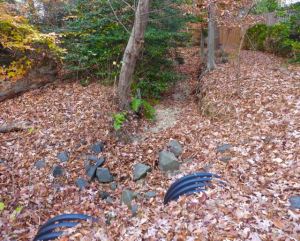
At nearby Lake Newport, the bone-dry inlet stream from surrounding hills and neighborhoods, as the drought goes on, Nov. 20

Wildfires in New York, New Jersey, and Massachusetts
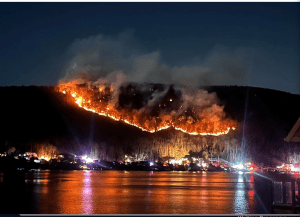
5000-acre Jennings Creek Fire on New York-New Jersey border (USA Today photo, Nov. 18)

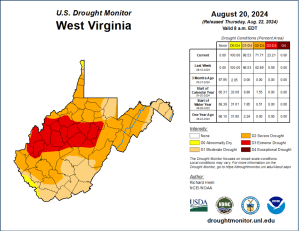
Last month’s blog also displayed the map of the U.S. (created by Drought Monitor), which showed almost the entire nation (except for hurricane-pounded Florida and western North Carolina) in a moderate to severe drought. Wildfires were in lethal bloom in many Western states. Weather Service maps showed “red flag warnings” across much of the central and eastern states, including New York State and even New England.

Well, sure enough, in November as many as 500 fires of various sizes have transformed the usually wet and cooling Northeast states into a California-like wildfire season–experiencing such change for the first time in memory. The largest of these blazes so far has been the Jennings Creek fire (shown above): 5000 acres and growing along the New York-New Jersey border, with smoke from all these fires fouling the air in East Coast cities. Meanwhile, in many other states, such as Oklahoma and Texas, drought has caused the massive loss of crops, which this blog catalogued in August as having occurred here in Virginia’s usually lush Shenandoah Valley. Neighboring West Virginia’s governor–a staunch climate-change denier–declared a statewide drought emergency across its 55 counties:
***************************************************************************

Election Gives Narrow, But Still Decisive Win to Climate Change Deniers

To make matters even worse, this November’s closely-contested elections gave a thin, but nevertheless sufficient victory to former President Donald Trump and to just enough climate-change denying Republican candidates to give that party razor-thin majority control in the Senate and the House of Representatives. Trump, who is a strident spokesperson for the fossil-fuel cartel, made “Drill, baby drill!” for gas and oil one of the emphatic slogans of his campaign.

As if that weren’t destructive enough, the rival candidate, Democrat Kamala Harris, never during the campaign spoke out in favor of renewable energy sources, and indeed promised voters in the closely-contested state of Pennsylvania that she supported the destructive, water-wasting practice of hydraulic fracturing (“fracking”) for natural gas, which has become in recent years a favored process of gas extraction in that state and many others. Why she and her party turned their backs on climate is not clear, but surely indicates that they did not trust voters to understand the dangers and their importance. This is puzzling, because, as this blog detailed in July, polls show that a healthy majority of Americans see climate change as a solvable major problem. But at this point, possible solutions don’t even get on the ballot.

So, with no candidates in either party having the courage to speak the truth about climate destruction, the results were inevitable. As the world and our nation become steadily hotter, more polluted, drier, less fertile, and with more extreme storms, we humans are getting what none of us want, but what too many of us prefer to ignore, or deny, or feel powerless to prevent.  Too bad that our fellow creatures don’t have a say about our actions, but just suffer–and disappear–through our cowardice.

***********************************************************
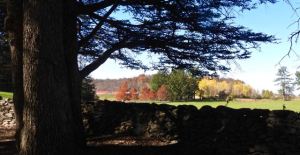
Panorama of the Virginia State Arboretum: Cedar of Lebanon foreground, and Bald Cypress grove and famous yellow Ginkgo grove in distance, Nov. 8

Fighting the Good Fight: Visiting the Virginia State Arboretum
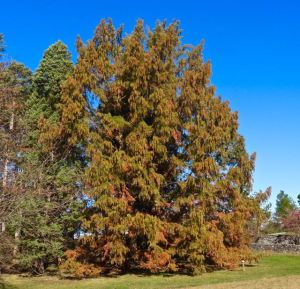
The magnificent Dawn Redwood, native to China, 80 feet tall, part of the international display at the Arboretum, Nov. 8

We had read about the Virginia State Arboretum, part of the Blandy Experimental Farm operated by the University of Virginia. We finally visited on November 8, a warm, sunny day just perfect for walking and viewing. Located 80 miles west of us, north of Shenandoah National Park, and just beyond the Shenandoah River near the village of Boyce, the Arboretum is an out-of-the-way miracle that is one of Virginia’s best kept secrets. With trees from around the world and across the U.S., as well as representative trees from throughout the state, the Arboretum’s several miles of trails offer stunning sights, good exercise, and a pleasant education in arboreal beauty.
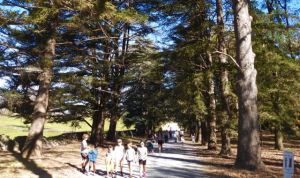
Visitors to the Arboretum walk the Alley of Cedars of Lebanon toward the Ginkgo Grove, Nov. 8

Our visit came during the Arboretum’s Ginkgo Festival, so about a hundred visitors of all ages had come especially to see the famous grove of Asian Ginkgos (pictured above). Our leisurely two-hour visit also included a walk along the Cedars of Lebanon Alley,  a stroll among the many labelled and fragrant plants in the garden of herbs from around the world, and a talk with one of the helpful members of the staff–who answered our questions about the effects of the drought on the trees. She told us that often drought effects on trees are not seen until two years or so into the event, because of the trees’ resilience and stores of nutrients. However, she said, one evident effect already had been the drying up of the ponds and lakes on the property, as well as the decline in the bird population. Nevertheless, the broad lawns were still remarkably green and the trees glowed with fall colors, so the sights were lush and I even was able to get one bird photo, of the Brown Thrasher (below).
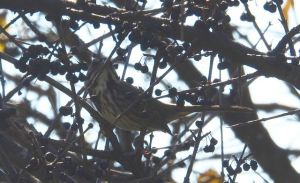
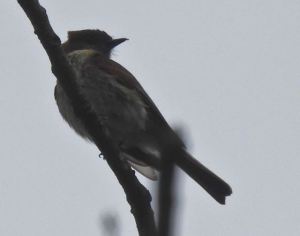
Brown Thrasher silhouetted in a berry-covered Buckthorn tree between the Cedars of Lebanon Alley and the Ginkgo Grove, Nov. 8
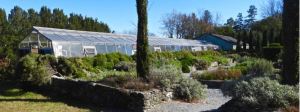
Greenhouse and outdoor international herb garden, State Arboretum of Virginia, Nov. 8. Ah, the fragrances!

 *************************************************************************
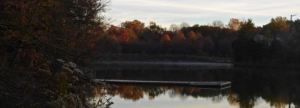
Sunrise panorama toward colorful north end woods, with west side dock in middle distance, Nov. 15

November 2024 Photo Gallery: Finding Beauty in the Drought

This month’s Gallery features scenic photos from around our little Lake Cameron, from nearby Lake Newport, and from other local sites. The birds are much fewer in number, so the music of their calls has all but disappeared, though the number of species is still considerable, as the photos here demonstrate.  Happily, some still make their presence known visually, and we highlight them here. We give them thanks for sharing their delicate beauty.
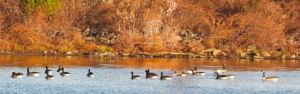
Eighteen Canada Geese adorn our lake before the north end, Nov, 23. They’re visiting frequently now, but no longer daily.
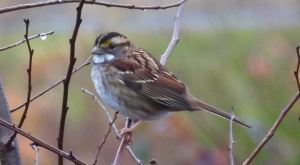
 

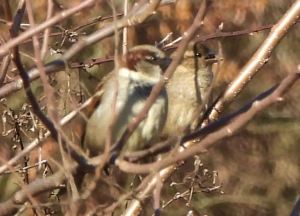
White-throated Sparrow, first sighting here of this species after two years of listening to the call, north end path, morning after rain, Nov. 28
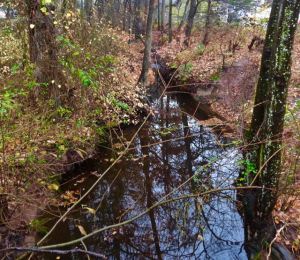
 

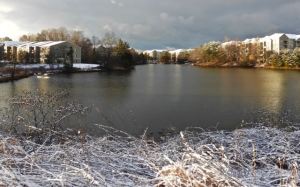
Inlet stream to our lake, water clear after night of rain and colder temps, Nov. 28
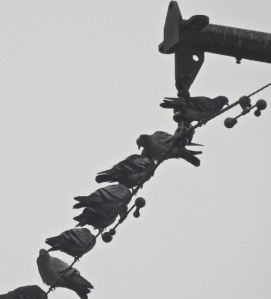
 

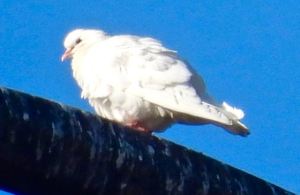
Flock of Rock Doves on stanchion west of lake, morning after rain, Nov. 28
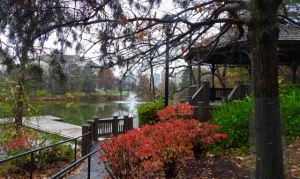
 

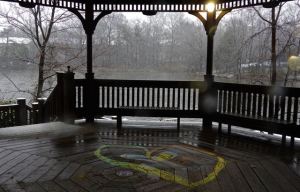
Burning Bush and gazebo, west shore of our lake, with view toward downtown, morning after rain, Nov. 28
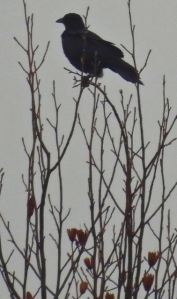
 

American Crow atop Tulip Tree, north end woods, Nov. 28
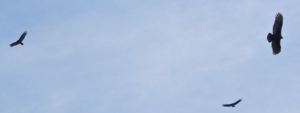
 

Three Turkey Vultures glide above the east bank of our lake, the most we’ve seen here at one time, Nov. 18
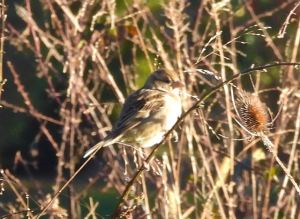
 

Chipping Sparrow in dried Cutleaf Teazel, at the northeast corner of our lake, on a warm, dry morning, Nov. 8
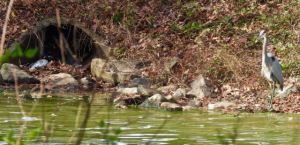
 

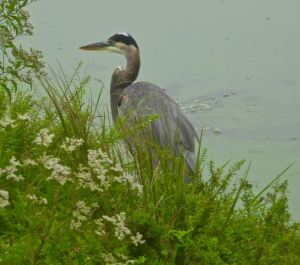
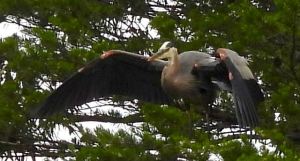
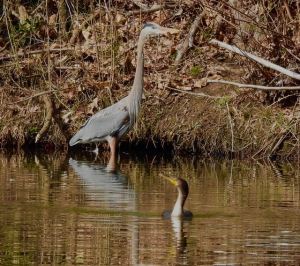
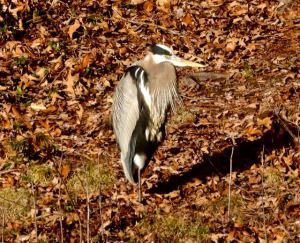
Great Blue Heron, our regular visitor, beside the inlet culvert on the southwest shore, warm Nov. 18
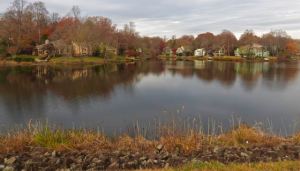
 

At nearby Lake Newport, homes and fall colors are reflected as we look from the dam on a cold morning, Nov. 20
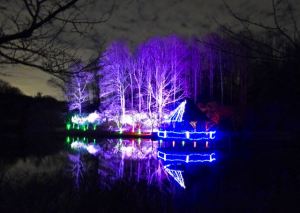
 

Meadowlark Botanical Gardens, holiday light show, trees and gazebo illuminated across lake, Nov. 25
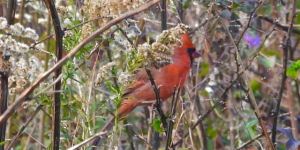
 

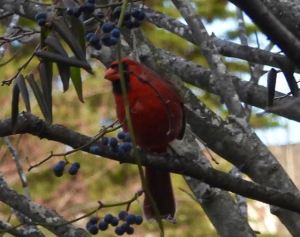
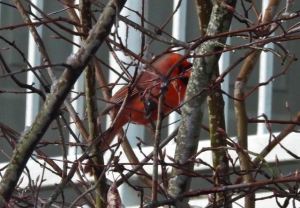
Male Cardinal, amid Asters, Boneset, and Blackberry Canes, northeast corner of our lake, Nov. 7
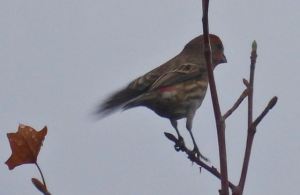
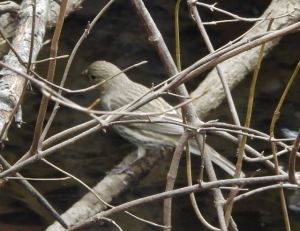
This male House Finch lands atop a Tulip Tree in the north end woods by our lake, on a cool morning, Nov. 18
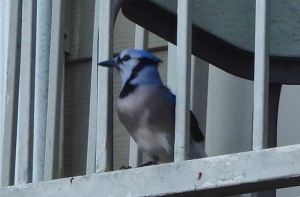
 

Bluejay near feeder, east side, Nov. 8


A newly arrived Yellow Warbler perches in the Willow Oak on the east bank of our lake, Nov. 8
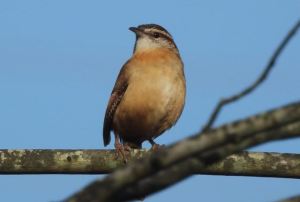
 

Carolina Wren on branch, southeast shore of our lake, windy morning, Nov. 11
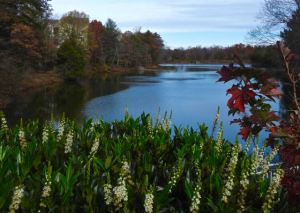
 

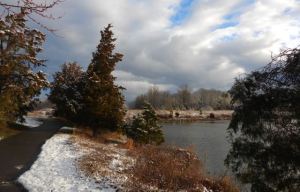
Just after sunrise on a cold Nov. 24, Cherry Laurel, red Oakleaf Hydrangea, and the northern panorama of our lake
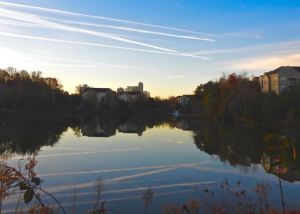
 

Panorama toward the south end of our lake and downtown, with contrails, early morning,Nov. 17
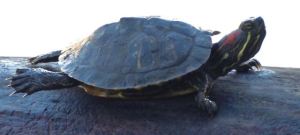
 

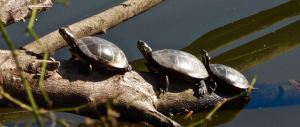
One of our Red-bellied Cooter Turtles, on log at the southeast shore, warm morning, Nov. 15
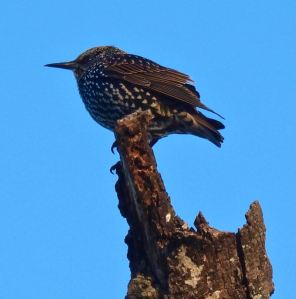
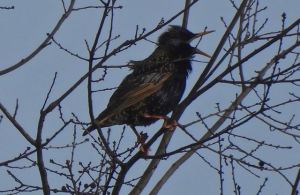
European Starling scans from atop the dead Oak on the east bank of our lake, on a cold dry morning, Nov. 23
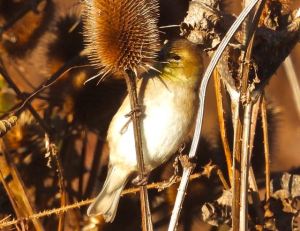
 

Yellow Warbler feeds on dry Cutleaf Teazel in field west of our lake, Nov. 23
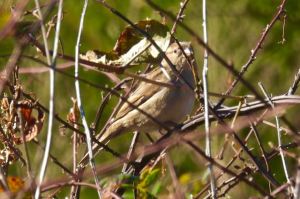
 

Song Sparrow, amid dry blackberry canes, northeast shore of our lake; warm, windy morning, Nov. 17
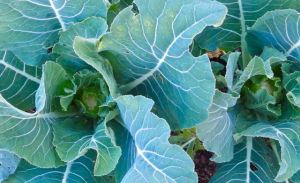
 

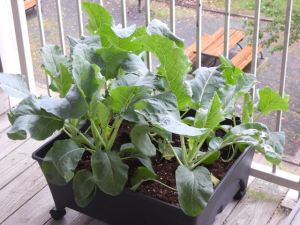
In our new garden plot in the public gardens in our town, tiny heads emerge in two of our cauliflower plants, warm morning, Nov. 24
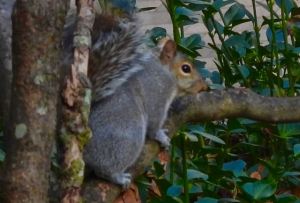
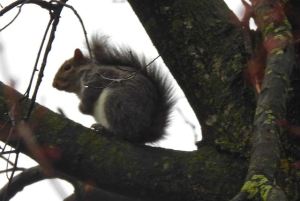
A Grey Squirrel pauses on a branch near the west side path along our lake, on a cold morning, Nov. 24

 Mist rising at sunrise, beside the north end outlet stream below dam, Nov. 17


Fall colors, including Scarlet Oak along the west side path, warm morning, Nov. 18

Here’s to a happy, fruitful December, which is bound to be interesting!
September 2024: We Return to the Eastern Shore and We Start a New Garden

If you’re new to this blog, start with the About page, then come to Home.

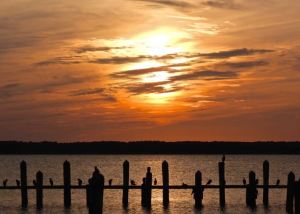
Double-crested Cormorants celebrate sunset on the Tred Avon River, Oxford, MD, September 15

In this month’s entry:

Return to the Eastern Shore: Heroes, Horses, Survivors
Our Newly-Started Garden!
Another Potomac Valley Exploration
The September 2024 Photo/Video Gallery

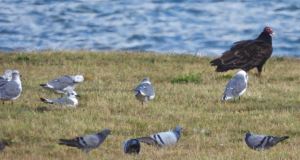
On the Long Wharf in Cambridge, MD, Herring Gulls, Rock Doves, and a Turkey Vulture commune, September 14

Return to the Eastern Shore: Heroes, Horses, and Survivors

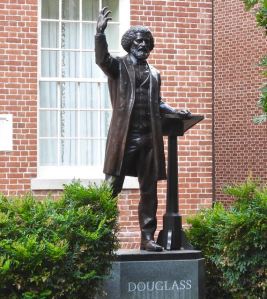
Frederick Douglass statue at County Courthouse, Easton, MD, September 13

One year ago, we took our first trip to the Eastern Shore of Maryland since we’d left California in 2022. On that trip, we focused on the quiet village of St. Michael’s, the even tinier Tilghman’s Island just across the Chesapeake Bay from Virginia, and the Blackwater National Wildlife Refuge. On this year’s two-days-longer trip, we focused on the historic towns of Easton, Cambridge, Vienna, and Oxford–as well as windswept Assateague Island all the way east at the Atlantic Ocean.

Early morning scan along a small beach at the western edge of the town of Oxford, toward the Choptank River, September 16

Heroes

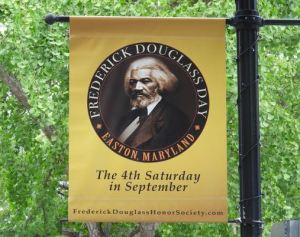
The town of Easton thrives today near where Frederick Douglass grew up enslaved and from which he escaped as a young man. His life and struggles are immortalized in his 1845 autobiography, Narrative Life of Frederick Douglass. Easton reveres its local hero through a powerfully-wrought statue in the town center and an annual Frederick Douglass Day celebration, to be held this year on September 28.

Douglass Day poster, Easton, Maryland (photo, September 13)

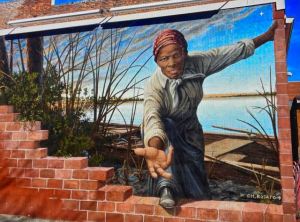
A second Eastern Shore hero, Harriet Tubman, the courageous, tireless leader of the Underground Railroad, is commemorated in nearby Cambridge, Maryland, through the Harriet Tubman Memorial Garden, and the Harriet Tubman Underground Railroad National Historical Center, which includes the Museum of the Underground Railroad. On this Veteran’s Day, November 11, Tubman was honored, 160 years after her military service to the U.S. during the Civil War, by being named a one-star general in the Maryland National Guard. Over her lifetime of service, she liberated many hundreds of enslaved persons in Maryland and other slave states.

Mural of Harriet Tubman in downtown Cambridge, MD

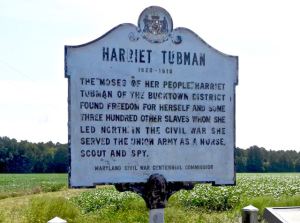
Harriet Tubman grew up enslaved on the Brodess Farm eight miles south of Cambridge, and from there not only escaped herself, but led others from the farm to freedom. The peaceful fields and forest of this land today, marked by two plaques, are a quiet tribute to the lifetime of heroic service by this American hero.

Historic marker to Harriet Tubman at the site of the Brodess Farm, south of Cambridge, Maryland (photo, September 15)

Horses

According to legend, a shipwreck late in the 17th century left a small herd of horses stranded on long, narrow, sandy Assateague Island just off the Maryland coast. These horses survived on the salt marsh grass, and their descendants became over time the darlings of the human community that grew up near them, and were instrumental to the humans’ own success. In the 20th century, Assateague Island became the Assateague Island National Seashore, the land and horses protected by the national and state Park Services.  On September 15, we visited the island for the first time in many years, and were enchanted once again by the natural setting and its equine inhabitants.

One of the Assateague horses welcomes us to the National Seashore. We stopped and let the horse pass by to join friends. (September 15)

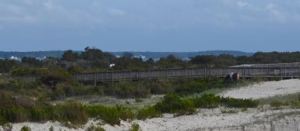
Not only were we and the other human visitors greeted by several of the approximately 75 horses on the island, but we were able to visit the very quiet, early morning beach, surrounding marshes, and woods. As one would expect, the island is being constantly reshaped by wind, currents, and climate change; so a second large responsibility of the Park Services is to revitalize the beaches and protect the native plant species.

Panorama of the Assateague shoreline, morning, September 15 

View from the beach across the marsh to the intracoastal bay and the mainland beyond (September 15)

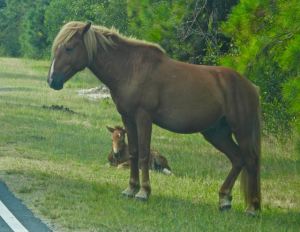
Assateague mare and her foal, along the roadside, September 15

Survivors

Life on the Eastern Shore is about survivors, not only the enslaved humans who managed to escape, or the horses on Assateague, or the native plants and animals challenged by modern agriculture and overfishing, but all those over centuries whose descendants have endured and often thrived in an environment with arable land and plentiful sea life. Perhaps among the most challenged have been the Native American humans of this unique region, who made a living from this land and its waters over many centuries through responsible use of the natural resources–and then were decimated by Anglo tobacco growers, farmers, and fishermen from the 17th through 19th centuries. Descendants of those who survived still call this region home.

We actually came on this visit because we wanted to take part in the 32nd Annual Festival of the Nause-Waiwash Band of Indians, celebrated in Vienna, Maryland, 25 miles east of Cambridge on the banks of the Nanticoke River.

Consisting of displays of foods and crafts, exhibits, demonstrations, ceremonies, and native dances, the annual festival draws members from several tribes and other visitors from the Eastern Shore and well beyond (like us).

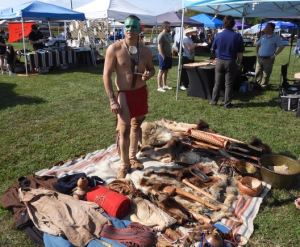
Drew Shuptar-Rayvis, Cultural Ambassador of the Pocomoke Nation, exhibiter at the festival, September 14

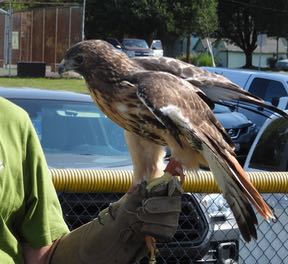
Parks Docent describes habits of the Red Tail Hawk, at the Native American Festival, Vienna, MD, September 14

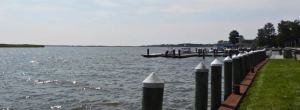
The Nanticoke River, looking toward south, Vienna, MD, September 14

**************************************************************

We Start a New Garden!
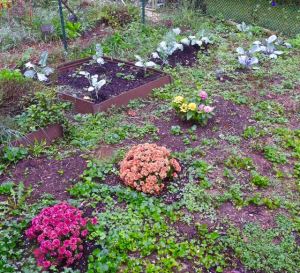
Our first plantings: Broccoli, Cauliflower, Red Cabbage, Mums, Daisies, 3 weeks old, in the rain, September 24

Shortly after we moved into our Northern Virginia community in 2022, I put our name on a waiting list for a 200-square-foot garden plot in one of our suburban city’s array of four areas open to residents for their gardens. Each of the four area clusters includes about 50 plots: the clusters are all fenced in and require a code to enter.  These four areas are closely supervised by the community, with each area governed by rules (organic gardening is required, for example), with the rules enforced by managers. Water is provided in each area, and mulch and compost are also available. Each plot holder pays a reasonable seasonal fee.

These plots are so popular that I waited almost two years for our name to come up. In that time, we learned as much as we could about growing vegetables and flowers in the rainier Northern Virginia climate–so different from the year-round, irrigated gardening I did in California for 17 years, and which is captured month to month in this blog from 2016 to June 2022. (Check out some of our entries!)

Here, we are starting very small, to get a feel for the climate and because winter is fast approaching. We planted 6 seedlings each of broccoli, cauliflower, and red cabbage, plus a few hardy fall flowers (chrysanthemums and gerbera daisies), just to see how they will do in the weather and how they are impacted by the squirrels, chipmunks, and cabbage leaf butterflies. We are learning so much from the other garden plots we look at–and we are mightily impressed by the variety and productivity of our new neighbors’ gardens. See the video below.

Keep watching this blog for monthly updates.

Pano-track of plots in the area in which we have our small new garden, in the rain, September 24

*************************************************************************

Another New Potomac Valley Exploration: Rock Creek

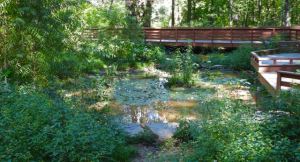
Marsh on Rock Creek tributary above Jones Mill, Rockville, Maryland, September 3

Rock Creek begins in Montgomery County, north of Washington, DC, and flows through the District and into the Potomac at Georgetown. On September 3, we visited the northern-most part of Rock Creek, where the Jones Mill stood in the 18th century. As with the Conococheague Creek region 60 miles to the northwest, some of Jean’s ancestors settled in this Jones Mill area at that time. So visiting this area  and observing the waterways and flora helps us begin to imagine what those ancestors might have experienced, though the land has been greatly changed since those times. Fortunately, small parts of this densely-developed area have been preserved as parkland and even as nature refuge, rather than adapted and re-adapted decade upon decade as commercial, residential, and roadway construction.

Indeed, even to preserve this few-acre streambed as a wetland has meant substantial redesign and replanting, plus the addition of paths and bridges for visitors, as seen in the above photo.

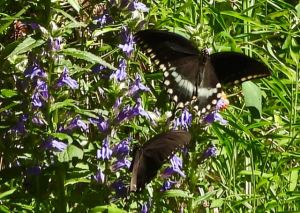
Black Swallowtail Butterflies on Blue Lobelia, Rock Creek marsh, Jones Mill area,  September 3

Oxeye Sunflowers, Rock Creek marsh, Jones Mill area, September 3

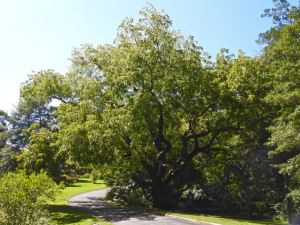
Magnificent Black Walnut Tree, Rock Creek park, Jones Mill area, September 3

***********************************************************

The September 2024 Photo/Video Gallery

More from around our community lake, from our new garden, and from our travels this month

Maybe twice a year, we’ll be privileged to witness a beaver swimming in our lake. On September 26, in the rain just before sunrise, I watched as this beaver explored the swollen shoreline. This is our most extended view of this resident in two years.

A pair of Blue Jays atop an oak east of our lake, misty morning, September 25

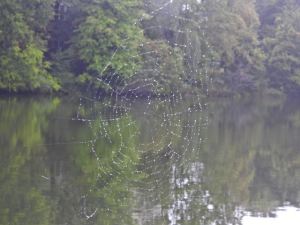
Spiderweb view of the lake, southeast cove, misty morning, September 25

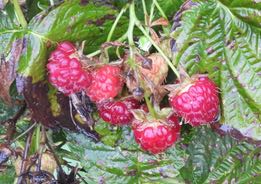
Ripe raspberries from a bush left in our new garden by the previous plot holder, September 24

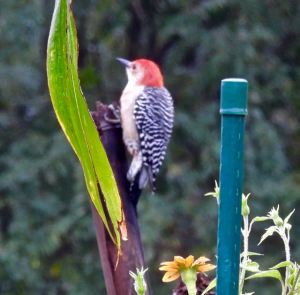
Red-bellied Woodpecker in a neighbor’s plot in the community garden in the rain, September 24

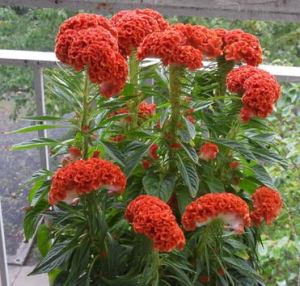
Cocks-comb (Celosia) on porch beside our lake, September 24

Cauliflower plants thrive in pot on porch beside our lake, September 24

Wildflower montage below the lake’s north end dam: Goldenrod, Late Boneset, Cutleaf Teazle, Purple Thistle, Porcelain Berry, drizzly morning, September 22

Rock Doves by dozens fly on to and perch on stanchion west of the lake, drizzly morning, September 22

Exceptionally rare in the Eastern U.S.: Clark’s Nutcracker feeds on dried Evening Primrose on the Northeast bank of the lake, September 22

Mockingbird on Pokeberry bush at the north end shore of the lake, misty morning, September 25

Ferry trip: from Oxford, MD, to Bellevue, MD, across the Tred Avon River, September 16

The Robert Morris Inn, built 1710, where we stayed in Oxford, MD, September 15-16

Eastern Shore trip: Passing by a typical Easton area farm with the ubiquitous soybeans that we saw growing in the region, Sept. 13

By the Dorchester County History Museum, Cambridge, MD: Tracking the flora and Mallards in the marsh, September 14

On the Choptank River bridge, September 13: a paddle wheeler heads toward the pier in Cambridge

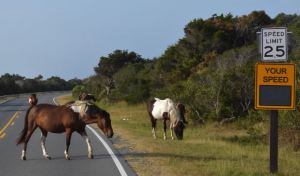
Assateague Island: Herd crosses the road where traffic has stopped, September 15

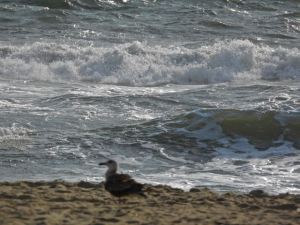
Assateague Island: A Herrring Gull at the ocean’s edge, early morning, September 15

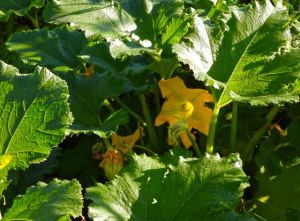
Surprise Zucchini blooms and vine on the north end path by our lake, September 10

Community garden: male Cardinal perches in a neighbor’s plot in the rain, September 24

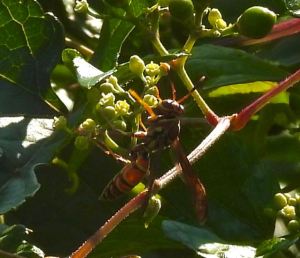
Red Wasp feeds on Porcelain Berry west of our lake, late afternoon, September 9

Snapping Turtle swims across the middle of our lake, always on the lookout, afternoon, September 22

Another patient watcher: Blue Heron amid Late Boneset and Bushclover, northwest corner of the lake, misty morning, September 25

And my camera is always on the lookout, too, as I hope to see, hear, and hold on to more memories. Still a few days of September left, then on to October in our colorful, exciting, fragile world.

June 2024: Going to the Source

Making a connection with wildlife: Our youngest granddaughter cradles a Painted Lady butterfly, June 13 

In this month’s entry:

Going to the Source: Susquehanna Journey
Williamsport to Cooperstown: Baseball, but Not Only
Ithaca and Serendipity: The Call of Birds
Amish Country: A Living Past, a Model for the Future?
The June 2024 Gallery: Potpourri

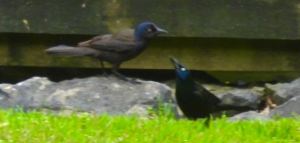
A pair of Grackles at the Susquehanna source, Cooperstown, NY, June 10

The Great River of the East: Susquehanna Journey

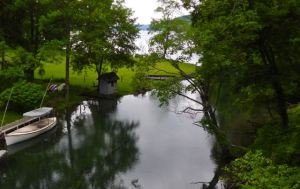
On a bridge above the tiny Susquehanna, we look toward its source, Otsego Lake, June 10

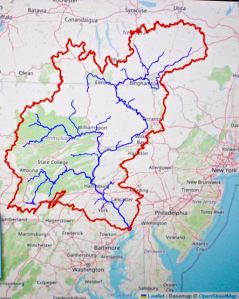
For many years, I had been tantalized by the Great River of the East Coast, the Susquehanna. The longest river east of the Mississippi, this queen of East Coast waterways winds 444 miles from tiny Lake Otsego in Cooperstown, New York, through majestic mountain gaps in Pennsylvania, and past the towns and cities that have thrived along its banks. Finally, at Havre de Grace, Maryland, the Susquehanna flows into mammoth Chesapeake Bay–which is in fact just the final extension of the River, being the Susquehanna’s drowned estuary. Since 2022, this blog has celebrated the mighty Chesapeake as the goal of the Potomac River, but I’ve kept in mind this other goal of traveling the source of the Chesapeake, the Susquehanna, whose stream-fed fresh waters mix with the salt of the Atlantic in the 200-mile-long bay. 

The Susquehanna watershed, from Cooperstown (top right corner) to the Chesapeake (bottom right corner) (Open Street Map, 2024, and Wikipedia)

susquehanna river - susquehanna river harrisburg stock pictures, royalty-free photos & images

The Susquehanna at Harrisburg, state capital of Pennsylvania (Getty Images); the river here is a mile wide and fast flowing

Part of my plan had been to drive along the Susquehanna for as far as I could. On June 8, part of this plan was finally realized as Jean and I drove right beside the river on U.S. Route 15 for 100 miles from Harrisburg, PA to Williamsport, PA. There were almost no buildings between us and the Susquehanna, because the floodplain, which has been frequently flooded over the years, has made building a hazardous venture. So we were able to see the broad and often rock-strewn riverbed and fast-flowing waters through gaps in the abundant woods for most of that distance. A dream come true for me.

But only Part One of our June journey to the source.

***********************************************

Just across the Susquehanna in downtown Williamsport, PA, a 360-degree panorama shows a four-corners bronze tribute to the city, the home of Little League Baseball (June 9).

Williamsport to Cooperstown: Baseball? Yes, But More

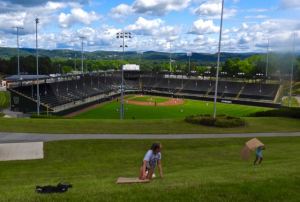
Lamade Field, Williamsport, with Pennsylvania mountain ridges beyond (June 9). Every August, the city and stadium are packed with visitors for the international Little League World Series. 

Baseball has been a love of mine for almost my entire life, and continues to be a binding force for our far-flung family. The children and now their children have played the game and rooted for their favorite teams. The two Susquehanna towns of Williamsport, PA, and Cooperstown, NY, have been iconic–and ironic–centers for the sport, as neither is close to the urban centers where professional major league teams play. But these two Susquehanna country towns are home to the most revered shrines of those who have played the game over the close to 300 years of its existence in different forms.

In 1939, a local Williamsport baseball enthusiast, Carl Stotz, gathered community support to outfit local boys, ages 8 to 12, with uniforms and equipment, and create teams into a local league, so that these kids could have an organized experience like that of the major league heroes they listened to on the radio but rarely got to see in person. The idea spread to other towns, then other states–then other countries–and Little League Baseball became an international phenomenon, with its headquarters in tiny Williamsport.

Trading Team Pins:  When teams from around the world come to Williamsport for the World Series, players exchange their official team pins with one another. This display in the Little League Museum shows an assortment of pins from many years (June 9).

Each August, Williamsport hosts the international Little League World Series, and the usually quiet small city is packed with visiting teams and fans from all over the world. On the day we visited, Lamade Stadium (shown above), where the championship finals are played each year, was hosting a transnational girls all-star team visiting the area.

On to Cooperstown: Source of the Susquehanna and Home of the Baseball Hall of Fame

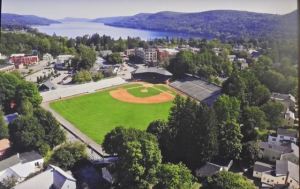
An aerial photo (no date) showing Doubleday Field, the Village of Cooperstown, and Lake Otsego, source of the Susquehanna

This was Jean’s first visit to Cooperstown, which I’d been privileged to visit three times over the years, and we made the most of the opportunity. We had two main goals:

  • to visit the Baseball Hall of Fame, with its three floors of exhibits, which follow the history of the game and show in low- and hi-tech detail the teams, the greatest players, the controversies, the advancements, and all the ways that the sport and culture interweave through the history–and look toward the future

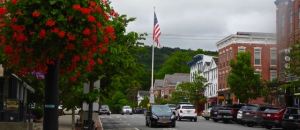
View of the Village main street toward the red-brick Hall of Fame two blocks away, and the hills beyond, June 10, morning

  • to walk the Village, sample its shops and eateries, and especially reach the spot where Lake Otsego feeds its water into the quiet stream that miles later becomes the mighty Susquehanna–with my camera at the ready to grasp tiny sightings of the place and its inhabitants.

Just below the lake, a Mallard female herds her 7 ducklings in the Susquehanna stream, as cars pass on the bridge, June 10, afternoon

A small selection of photos, with captions, of our Cooperstown day:

In the Hall of Fame, a plate from 1860 shows a baseball game. Vintage teams around the U.S. still don uniforms from that time and play by ancient rules.

Hall of Fame: Mixed-media poster of Jackie Robinson, who in 1947  became the first African-American player admitted to the major leagues–and so changed the game of baseball and contributed to the necessary advance of American culture. Every year, all teams celebrate April 15, the day he made his Major League debut; on that day, all players wear his Brooklyn Dodgers number, 42.

Hall of Fame: Display honoring the Midwest women’s baseball league during World War II (memorialized in the film “A League of Their Own”)

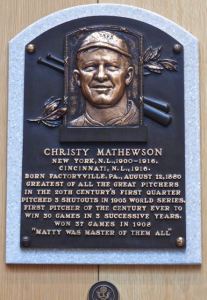
The most hallowed place in the Hall of Fame displays the plaques of all those players who have been voted into the Hall. Here is the plaque of Christy Mathewson, one of the greatest pitchers of all time and honored posthumously as one of the first five inducted into the Hall in 1936.


Life-size basswood sculptures of legendary batters Babe Ruth and Ted Williams in the hall of plaques


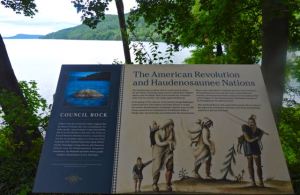
At the joining of Lake Otsego and the Susquehanna, a plaque commemorates the Haudenosaunee peoples, who settled these lands and waterways thousands of years ago. An army of Haudenosaunee fought for the colonists during the Revolution against England–but then were massacred in 1779 by the troops for whom they were fighting. Yet another shameful event in U.S. history.

*********************************************

Ithaca and Serendipity: The Call of Birds

Fall Creek sings beside the Cornell Wildflower Garden, Ithaca, NY, June 11

Just to the north of the Susquehanna watershed and 100 miles west of Cooperstown is Ithaca, NY, home of Cornell University and of the internationally-revered Cornell Lab of Ornithology, which I’ve written about in this blog concerning the annual Great Backyard Bird Count, in which I’ve participated for years, and the Lab’s creation of the Merlin and E-Bird electronic Bird Identifiers–invaluable tools for birders. Needless to say, the Lab was on our must-do list for this PA-NY trip, as I’ve not been there in person before.

African, Australian, and Asian parts of the Birds of the World wall art at the Cornell Lab Visitors Center, June 11

In planning the trip, we’d not known what to expect before we got there, as the website kept saying that the Visitors Center was still being renovated and would be reopened “sometime in the spring.” Here it was June, and no announcement of reopening. “Oh well,” I thought, “there’s still plenty to explore, with the Arboretum, the Botanical Gardens, and the miles of trails.” 

But when we reached the Botanical Gardens, I mentioned the Lab to one of the docents, and she fairly shouted, “Guess what! It’s open! Today it’s reopened. Can you believe it?” Talk about serendipity. “Your timing is perfect! ” she said. 

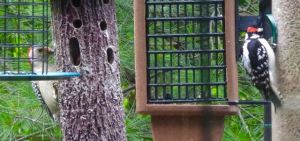
A Red-bellied Woodpecker and a Downy Woodpecker at the Visitors Center feeders, Cornell Lab of Ornithology, June 11

So the remainder of our morning was spent at the Botanical Gardens, especially in the magnificent Herb Garden, where volunteers and staff were hard at work. Then, after lunch in Ithaca, we explored the Wildflower Garden and the Arboretum, before heading over to the Lab and the newly-renovated Visitors Center later in the afternoon. A great day, even better than we’d expected!

Panorama of the Cornell Herb Garden, June 11

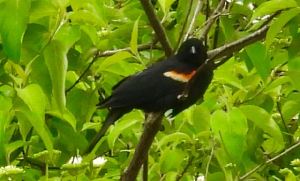
Red-winged Blackbird in the Cornell Arboretum, June 11

Woodchuck eats and scans the woods along the roadway at the Cornell Arboretum, June 11

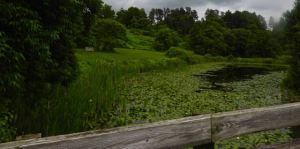
Marsh with Water Lilies in the Cornell Arboretum, June 11

Interactive displays engage visitors at the newly-reopened Cornell Lab Visitors Center, June 11

**********************************************************

Amish Country: A Living Past, A Model for the Future?

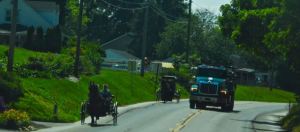
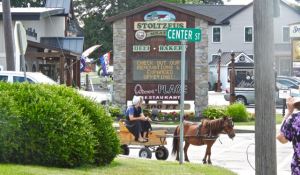
On the highways through Intercourse, PA, horse-drawn buggies and wagons share the roadway with trucks and cars, including ours, from which I took this photo (June 12)

On the final two days of our journey, June 12-13, we stayed in Intercourse, PA, in the southern part of the Susquehanna watershed. We wanted to stay longer, because the famous Amish culture of this unique region offers such a stark–and pleasant–contrast to the fast, loud, and pollution-intense culture that dominates most of the U.S. 

Amish culture dates from 17th century Germany and Switzerland, with adherents to this form of Christian religion first coming to colonial North America in the early 18th century and settling in the  Pennsylvania colony because of its reputation for religious toleration. The Amish in the U.S. were almost an exclusively agrarian society, and they continue to be best known for their farms, their closeness to the land, their care of plants and animals, and their rejection of technologies such as electricity, fossil-fueled cars and trucks, and mass communication. 

Pony, cart, and driver at a main commercial intersection in the town, June 12

However, as their population has steadily grown (more than 250,000 over 25 states and Canadian provinces) and as available farmland has grown scarcer and much more expensive, today only about 10% of Amish are mainly farmers. Most adults, male and female, find work either in Amish craft businesses or non-Amish service industries–often requiring their communities to make limited technological accommodations, such as work with computers. 

But even communities with more such economic accommodations retain their core anti-technological values and practices, as well as their intense loyalty to a community-focused service ethic and plain lifestyles. The signature symbols of the horse and buggy, the communal barn-raising, and the traditional, simple, home-made clothing persist across communities.

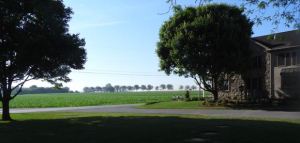
In front of the Bird-in-Hand Bakery in the town of the same name, I look across the quiet road to fields with crops ripening, June 13

In our brief two days in the region we were impressed again and again by the beauty, exquisite care, and quietness of the farms we passed and the businesses we visited, at which Amish employees were working. In sharp, jarring contrast was the frequent roar of trucks, from pickups to 18-wheelers, pounding along the highway (PA route 340) that traversed the center of town and links York and Lancaster in the west to Philadelphia and points east. Nothing makes the contrast between cultural visions sharper than when a horse and buggy clip-clops along the highway at 10 MPH and a huge truck, engine snuffling and brakes grinding, slows down then tries to pass (as in the photo at the top of this section). 

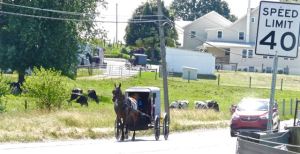
On PA route 340 in Intercourse, a horse and buggy clips along before a field of cows, and cars approach, June 12.

One is a vision of the present we know all too well in most of the U.S. The other is a vision out of a past that seems stunningly out of place in our present. But must the present vision of ceaseless competition, exhaust fumes, and brain-shaking sound be that of our future? Or can we make more room in our future for a quieter, more nature-respectful, more community-loving vision?  A vision that has already been resilient over centuries? 

Vision of the future or only of the past? A Cabbage Leaf Butterfly and a farm scene in Intercourse, June 13

*********************************************

The June 2024 Photo/Video Gallery: Potpourri from our Little Lake Community

Jean’s French Gruyere Souffle for Father’s Day, June 16

Fruit breakfast and basil plant, already hot morning, June 23

Ripening fast in the high 90’s heat: Allegheny blackberries, north end path, June 22


Tufted Titmouse–usually hiding–perches in the Willow Oak, east bank, June 2

Baby Cottontail feeds on grass and clover, beside the Northwest path, hot evening, June 22

Blue Heron on dam structure, north end of lake, with playground in the background, June 15

Spotted sandpiper–first sighting this far inland!–walks and pecks on the log in the southeast cove, June 2

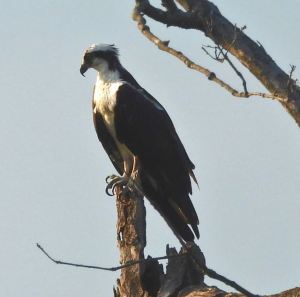
Like the sandpiper above, another visitor from the coast, an adult Osprey, June 22, on the dead white oak, east bank of the lake

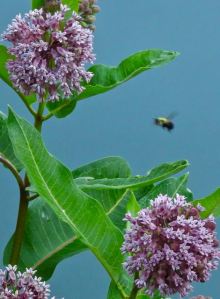
Bumblebee in the air between two Swamp Milkweed, south end shore, June 15

Three baby Green Herons play/fight near the nest, southeast shore, June 15; first sighting in these numbers

Tree Swallow–first sighting here-in the dead Willow Oak, east bank, June 16

Male Cardinal calls and scans on a branch on the southeast bank after sunrise, June 15

View toward downtown with our Goose flock in the lake just after sunrise, June 15


Natural bouquet: Crown Vetch and Daisy Fleabane, new blooms, near the northwest corner of the lake, June 16

Aphrodite Fritillary butterfly as frogs trill and jet sounds overhead, below dam, June 3

Barn Swallow on dam structure, north end, June 3


Blue Heron lands in pine, north end woods, June 2

Bumblebee feeds in Purple Thistle, first bloom of the year, north end, as birds call, June 3

Green heron walks, scans, and preens on log, southwest shore, morning, June 3: perhaps the parent of the 3 babies videoed on June 15?

So many wonderful moments this month, here and in Pennsylvania and New York! Now the heat of summer is upon us, as we head into July. Here’s to more beautiful scenes…

April 2024: Early Spring in Full Bloom–Catch It While It Lasts

Canada geese sing duet: an invitation that leads to acceptance, then courting in the rain, April 1

On Earth Day! First sighting of new Canada Goose chicks on the northeast side path! Congratulations! (April 22, 2024)

Day 3 sighting: Two Geese families and friends on the southwest side of the lake, 10 chicks in all! April 24

In this month’s blog:

Early Spring in Full Bloom in the Potomac Valley 
Climate Log: Serving Our Addiction vs. Saving Our Future
Climate Log 2: Floods in Dubai? What’s Next in Extreme Weather?
More Remarkable Virginia Trees: Survivors of Bondage and War
April 2024 Photo/Video Gallery: Birds, Bees, Blooms–and Even Cows?

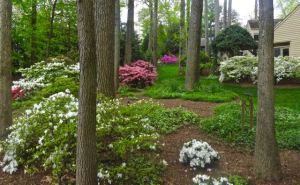
White Azalea in full bloom with Heavenly Bamboo berries beside the west side gazebo, April 16

Early Spring in Full Bloom in our Potomac Valley Town

You know the old saying, “April showers bring May flowers.” Here’s the updated version: “Winter showers bring April flowers.” Or March flowers, as this blog showed last month after our visit to the Tidal Basin in Washington.

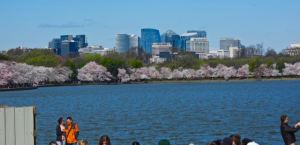
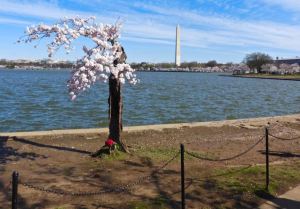
Potomac Tidal Basin, March 17: Japanese Cherry trees in bloom, Virginia skyline, and visitors to the Jefferson Memorial

This month’s Gallery will show lots of colorful views along the small lakes that provide suitable habitat in our otherwise mechanized suburban town. We are thankful for those lakes, the flowering trees, and the animals, plants, and people that care for the environment. April has become the month of fullest new blooms. Catch the blooms now before summer arrives in May, which will have its own verdant discoveries.

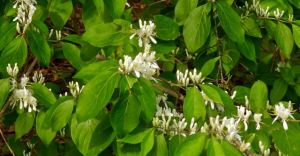
Amur Honeysuckle, new blooming, along the east side bank of Lake Cameron, April 20

Don’t delay: the Cherry blossoms came in March and have now given way to the leaves, as have the blooms from the Bradford Pears and the Red Maples. Even the Redbuds, who bloomed out early this month, have turned to leaf making. Now it’s Dogwood time–Virginia’s state flower!–and Azalea time in an array of colors!  Look also closer to the ground for wildflowers and flowering bushes that manage to show their colors where the ground isn’t mowed.

Multi-color Azaleas in Lake Newport garden, April 18

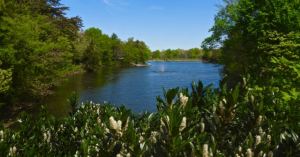
Panorama of Lake Cameron toward north, with Cherry Laurel in foreground, April 20

Dogwood in bloom in our community, south end, April 21

The last of the redbuds still blooming, southeast side of the lake, April 21


Yellow Woodsorrel and Purple Deadnettles in bloom at the north end, April 18

****************************************************

Climate Log: Serving Our Addiction vs. Doing the Hard Work of Saving the Future

While fully enjoying all the beauty and genius of the plants and animals (including humans) who make Earth so wonderful a place to live, I’m saddened by the slowness of U.S. governments, corporations, and individuals to give up our addiction to fossil fuels–even as each month sets a new record for high temperatures, and as extreme weather events occur more rapidly. (See the section below on the floods in Dubai).  We seem to be more willing to pay the ever-increasing billions upon billions for flood-and-fire damage repairs than to address the actual problem.

Politicians also deliberately ignore, to satisfy the fossil fuel cartel, the causal link between worldwide spreading drought and the alarming increase of human migrations, which are stressing national borders here and in other countries. These politicians would rather blame other governments and even the victims themselves, rather than placing the blame on the fossil fuel cartels.

But addictions, including ours to fossil fuels, are really hard to break, sometimes almost impossible, especially when they give us familiar pleasures, and especially when very powerful and relentless forces (such as oil companies, plastics industries, automakers, public utilities, and a whole political party) convince us that we have to build our entire lives around that addiction. In our community, the association directors frequently remind us that ours is a “smoke-free community,” which means that tobacco (or marijuana) smoking is not allowed either inside buildings or on the grounds, including the lake and its surrounding woods. Still, we frequently find cigarette butts on the paths and in the greenery, though most residents happily adhere to the policy and love the freedom from second-hand smoke. 

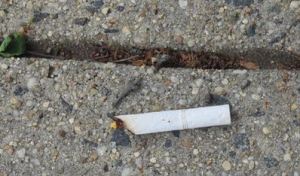
Song Sparrow near a cigarette butt on the north end path, Earth Day, April 22

But the “smoke-free community” idea, as laudable as it is, does not include the smoke that invisibly and relatively odorlessly pours from the exhaust pipes of most of the cars in the parking lots and from the exhaust chimneys on top of the buildings, all of which are gas heated and all of which feature gas stovetops and ovens. So acculturated are most of us to gas-fueled lives that we never think of emissions as smoke.  Yet, the latest annual research by the American Lung Association shows that 40% of Americans, the highest rate since the 70s, when the Clean Air Act was passed,  live in dangerously bad air, contaminated by gas-generated particulate matter, wildfire smoke, and vehicle emissions.

Despite these dangers, we really can’t imagine living differently. That’s especially true here in Virginia, where almost no houses have solar panels and renewable energy is rarely mentioned.

Oh sure, some of us, when we have money enough, peck at the edges of our addiction, like maybe buying a hybrid or even an EV, perhaps installing a heat pump and electric stove, or cutting back on plastics use and methane-belching beef. But with most elected officials dead set against incentivizing these pro-climate actions, the great majority of folks are caught in the web of the oil-gas cartels and are addicted even if they wish they weren’t.   

Chimneys on every building of our community emitting exhaust from gas appliances, Earth Day, April 22

We’re also completely acculturated to the noise of internal combustion engines, which you will hear on many of the videos of birds and scenery in this blog, as cars and trucks pass by on the surrounding highways, and as jets fly to and from Dulles Airport. As pretty as the lake looks, the birds, squirrels, and turtles have to adjust to the noise of all the surrounding engines, if they can.  The birds often have to work hard for their calls to reach above the steady din; if they can’t, they die trying.

And for the many species that hunt for their food by sound, the “white noise” of constant vehicle traffic makes their hunting harder, if not impossible. The habitat destruction that has caused the 30% decline of bird populations in North America since 1970 includes destruction by noise, not just the incessant killing of wilderness and wetlands being turned into farms, housing tracts, mines, and commerce.

Will we ever be willing to change our ways, or will our addiction win out? When will the costs of climate catastrophes grow so great that we will say “Enough!”? 

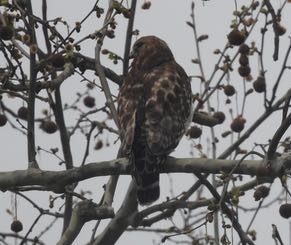
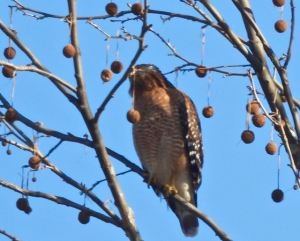
Red-shouldered Hawk atop Tulip Tree north of the dam hears and watches the traffic roar past on the neighboring highway, Feb. 1

Mallard pair swims toward south on snowy day as a jet roars overhead, Feb. 16

********************************************

Climate Log 2: Floods in the Dubai Desert? What’s Next in Extreme Weather? 

Abandoned cars in deep water on Dubai freeway after unprecedented storm, April 17 (Photo: Christopher Pike, Bloomberg, Getty Images)

Can you imagine the tallest building in the world, the Burj Khalifa (3000 feet high), being without power to run the elevators and cooling system? Can you imagine a home food supply system based mainly on app-ordered deliveries totally shut down? Can you imagine some of the most traffic-clogged highways in the world suddenly inundated with water rising waist high, and cars just abandoned for days?  Can you imagine all of this happening in a desert country that has no infrastructure to deal with rain? A country where there has not been a storm like this on record? 

Well, no need to have to just imagine such a place any more. It’s real in Dubai, in the United Arab Emirates (UAE), right now, because of a rainstorm of from 4 to 12 inches in 12-24 hours on April 16-17.

A year or 2 years of rain there is about 4 inches. Dubai’s infrastructure has been all about how to deal with relentless heat, drought, and the need to manufacture water via desalinization in order to support a robustly technological culture with U.S.-like skyscrapers, shopping malls more upscale than in almost any other place in the world, and an international workforce of low-wage immigrants, who perform the endless construction these ambitions demand. 

During the storm, those shopping malls became waist-deep in water, with rain pouring through roofs onto the high-end merch. These roofs were never meant for anything but sun screening and keeping the cool inside. Damage estimates are in the billions throughout the small emirate.

Dubai residents move from inundated dwellings after the storm, April 18 (Photo: Amr Alfiky, Reuters)

Will events like this happen again? Probably. But how soon? Who knows? Now we live in the chemical-emissions-caused world of very erratic, often extreme weather, where communities have to be prepared for drastic variations in temperature and precipitation. In this blog in February, I reported on ways that California is preparing for erratic variations in precipitation that that state had not seen before 2022, even though there had always been much slower variations from wet to very dry over longer periods of time. California is used to having to build infrastructure to handle different extremes, and Californians know that the costs are often prohibitive, causing ongoing conflicts between competing interest groups.

But how should a nation like the UAE proceed, when an event like this storm had not happened in memory? Given Dubai’s highly sophisticated, world-class economic goals, what would appropriate preparation look like? Intractable questions like these will become much more common everywhere as climate change intensifies.

********************************************

More of Virginia’s Remarkable Trees: Living through War

Ancient Catalpa lives on at Chatham Plantation, Falmouth, Virginia, April 9

Remarkable trees are not only those that are huge, stately, and symmetrically spreading. Some remarkable trees have just lived for many years, suffered damage, and yet survived through times of great disruption and tragedy. Often they have survived only with the concerned care of generous people.

One such tree is the Catalpa that grows just beside the historic main house of Chatham Plantation, across the Rappahannock River from the town of Fredericksburg, Virginia. Now maintained by the National Park Service, Chatham was built in 1771 as a multi-crop plantation by the Fitzhugh family, whose success came through the forced labor and dedicated industry of at least a hundred enslaved people.

By the time that the Civil War to free the slaves in the Southern states began in 1861, the then owners of Chatham abandoned the property, which was soon taken over by the Union Army of the Potomac. The Army turned it into a headquarters in late 1862 as they prepared for an attack against the Confederate Army, whose divisions were arrayed in the hills above Fredericksburg across the Rappahannock. This attack was one of the great tragic blunders of the war, as the Union troops were decimated. Chatham’s role changed once again, becoming an emergency hospital for thousands of the dying and wounded, whose cries still seem to echo there. 

Today, the gnarled and shriveled Catalpa seems a still living symbol of the horrors that occurred at Chatham, which has been restored by the Park Service as a museum of the events of over two and a half centuries. Besides the Catalpa, the Chatham grounds nurture a splendid array of magnificent old trees that honor the memory of those who were in bondage there or who gave their lives in war. 

For an excellent summary history of Chatham, I recommend this article and video from the National Park Service.

Chatham Manor and the venerable Deodar Cedar, Black Locust, and Catalpa trees. We visited there on April 9, the 159th anniversary of the surrender of the Confederate Army at Appomattox, Virginia, two years beyond the tragic events in Fredericksburg.

The Brompton Oak across the River in the Heights above the Town

Hundreds of years old, the Brompton Oak stands beside the manor of the same name, which witnessed the horrific fighting in 1862 in the Civil War.

Across the Rappahannock and far up the heights above the town of Fredericksburg lies Brompton Manor, built in 1838. When the Union troops tried their ill-fated, catastrophic attack up those heights in December 1862 against the firmly entrenched Confederate Army, Brompton Manor stood about 200 yards above the smoke and cries of battle. The headquarters of Confederate general James Longstreet during the battle, the manor house–and the massive, long-lived oak beside it, now known as the Brompton oak–were unscathed by the fighting.

But Brompton, too, became a hospital during this battle, and indeed through battles over the next two years of the War. So many of the battles from 1862 to 1865 occurred here in Northern and Central Virginia, the fighting and disease taking the lives of hundreds of thousands and disabling many thousands more. The manor house and the oak today, majestic and peaceful, with bright tulips and flowering trees all around in the April breezes, obscure the horrors of the conflict, as they do the bondage of the enslaved people who labored here.

Brompton oak and manor house, as seen from the Sunken Road, from which the entrenched Southern army mowed down the Northern troops advancing in December 1862 from the river far below.

As at Chatham Manor, perhaps only a mile from Brompton but playing a similar role during the battle, many long-lived trees have survived and still grace the grounds. Besides the historic Brompton Oak, another majestic tree that captured our attention was a 100-foot tall sycamore down the steep hill from the manor grounds and beside the Sunken Road, where some of the bitterest fighting took place. High up in the sycamore perched another combatant always ready for battle, a Red-shouldered Hawk, calmly waiting for the next action. 

Red-shouldered Hawk observes the one-time battlefield from the top of a huge sycamore beside the Sunken Road in front of Brompton Manor, April 9.

***************************************

The April 2024 Photo/Video Gallery: Birds, Bees, Blooms, and Even a Cow or Two (and a Snake!)

Cormorant pair on and beside the foot-powered boats that take residents silently over the waters, Earth Day, April 22

Huge old Red-bellied Cooter and baby, on log along the southeast shore, Lake Cameron, April 24

Four Canada geese and three Red-bellied Cooters enjoy the southeast cove on a cool afternoon, April 20

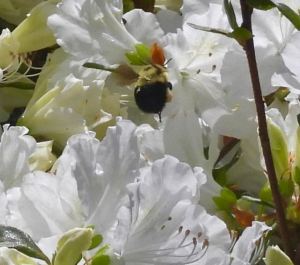
One of our first bumblebees feeds on the nectar of the newly-blooming White Azaleas beside the gazebo on the west shore, April 20

American Robin calls from atop a Walnut tree in the east woods, April 15

Japanese Pieris in bloom on east side of the community, April 14

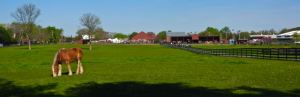
This Clydesdale welcomes us to a visit to nearby Frying Pan Farm Park, one of the few farms still left in our suburban county, April 16

American Goldfinch in morning sun calls from atop a Willow Oak on the east bank of the lake, April 16, while Blue Jay also calls and walkers comment

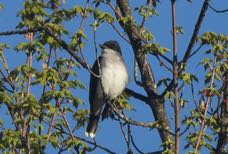
Our first sighting of an Eastern Kingbird, in Red Maple in the north end woods, April 16


Another view from Frying Pan Farm Park: Rhode Island Red cock and colorfully varied hens, April 16

Under water and just after sunrise: 2 large Red-bellied Cooters swim to the northwest shore, April 16

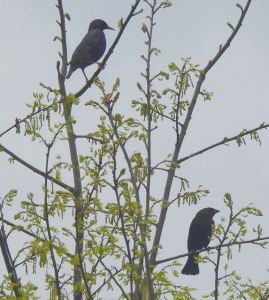
European Starling and Brown-headed Cowbird in Pin Oak on the east side, April 17


At nearby Lake Newport, five Mallards, four of them males, on the dam outlet structure, April 18

At Lake Newport, Blue Heron and Canada Goose by the dock. Heron takes off and House Sparrows chatter in a nearby nest, April 18

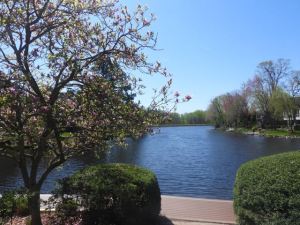
Lake Newport: Magnolias in bloom and panoramic view across the lake toward east, April 14


Lake Cameron: Male Mallard guards the nest on the east shore after a storm, April 15

Lake Newport: as seen from lakeside path, Red-shouldered Hawk moves up and down chimney after having captured 6-foot snake, apr. 18

Lake Newport: fellow walker had alerted us to the hawk having captured the snake. This blurry photo is from her smartphone. Amazing. April 18


The pollen-filled Lake Cameron after the storm on April 15, southeast cove

Lake Newport: Red-winged Blackbird calls in Willow tree on sunny morning, April 14

Lake Newport panorama toward north, with angry clouds, April 18

Lake Cameron: Bumblebee flies and feeds among the pillowy White Azaleas, west side, April 20

Oh, yes, the Cows: a Hereford and a Guernsey at Frying Pan Farm Park, April 16

And on to May, with more adventures in store…

March 2024: Springing Early and in Song

From the north end of the lake, I spied two large waterfowl on a submerged branch halfway toward the south end, about 250 yards away. Zooming in, I recognized a favorite mallard pair–then saw three smaller waterfowl swimming around them! Who were they? Ducklings? No, they were too large, and it would usually be too early in the year for newborns. To my surprise, they were three hooded mergansers, very rare visitors to our lake and no doubt just stopping on their way north. I had already passed this quintet on my walk, but the thick foliage had made them invisible to me until I’d gotten to the north end and had a clear view.

In the March blog:

Hearing More Than Seeing: Playing the Soundtrack of Spring
Visiting Remarkable Virginia Trees
Climate Log: We Return to the Tidal Basin Cherries
The March 2024 Photo/Video Gallery

When the high temp gets consistently above 60F, the Red-Bellied Cooters, including these 3 on the west shore, rise from their winter home in the lakebed, March 14

Hearing More Than Seeing: Playing the Soundtrack of an Early Spring

Amid a chorus of other birds and human traffic, this Male Cardinal calls other Cardinals from atop a tree in the north end woods, early morning, March 1

“Birdwatching” is a misnomer. Sure, bird students spend a lot of time trying to see birds, and even more time trying to take clear pictures of them. But most of the information we get from these friends is through listening. Birds always make their presence known by their calls, much less by letting us see them. For good reason. If we see them, so do their more-than human predators. It’s much safer to work  inside a bush or thicket of vines or leaves and call out, than to perch on an exposed branch so a paparazzo like me can snap pics, or a hungry hawk can draw a bead.

“Birds may prattle and rant with feathers and body poses, but far and away the most common, the most extreme, and the most complicated kind of bird babble is vocal.” Jennifer Ackerman, The Bird Way (2021), p. 28

Fortunately for us bird students, artificial intelligence (AI)–in the form of the e-Bird/Merlin and BirdNet bird identifying apps–clues us in to who’s calling in our neighborhoods whenever we turn on the record feature. So on a warm morning in this new early spring, March 14, I could identify the various instrumentalists in this video of one of our favorite Mallard pairs, as they fed along the shore of the southeast cove:

During two one-minute recordings, as I paid visual attention to the ducks, I heard the following–

Song sparrow….Northern Cardinal….American Goldfinch….Carolina Wren…Red-bellied Woodpecker….House Sparrow….American Crow….Brown-headed Cowbird….Red-winged Blackbird….Yellow-rumped Warbler….Blue Jay….Tufted Titmouse….Canada goose

A few of these species, such as the woodpecker, the cowbird, and the titmouse, I see very infrequently, so the app is a needed tool. Another, the red-winged blackbird, is one I look for this time of year as a harbinger of warm weather, so when I heard its call on this recording, I knew to look–and listen–for it. In addition, the woods directly across from the lake cove are thick and tall, so seeing birds there is always a challenge for me. The oral cues let me know who is visiting or at home in a way that watching can’t.

On the day following the recording, March 15, I saw this Red-winged Blackbird from about 200 yards away atop a dead oak on the east bank.

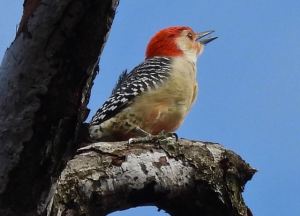
I heard this Red-bellied Woodpecker calling and tapping high on a hundred-foot tall white oak in the thick woods beside the southeast cove, and finally spotted it, on a sunny morning, March 3

***************************

Visiting Remarkable Virginia Trees (New Feature)

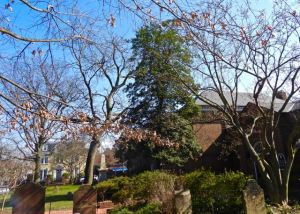
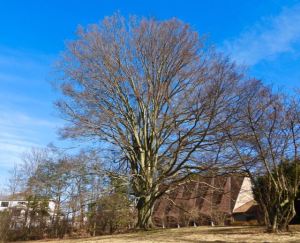
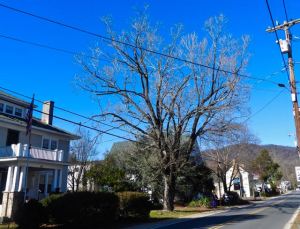
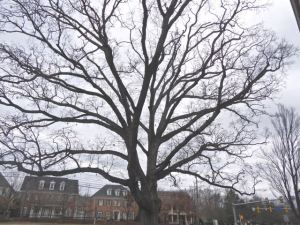
This 6-foot thick Chestnut Oak crowns a knoll in a townhouse subdivision in Centreville, VA. We visited on March 19.

To help us re-acclimate to our new home in Northern Virginia, we have been visiting and re-visiting places in the region–and reading as much as we can about their history and natural features. Hence the many entries in this blog since 2022 about our regional travels, especially within the broad and long Potomac River watershed. One recent focus of our travels has been “remarkable trees,” the title term of the beautiful photo book Remarkable Trees of Virginia, by Nancy Ross Hugo, Jeff Kirwan, and Robert Llewellyn (Univ. of Virginia Press, 2008). The text of the book recounts the history of each of the more than 90 trees, plus exquisite photos. So far, our visits have been local only, but our plan is to traverse the state and seek out more of these venerable trees, then include our own photos in the blog.

Here are our photos of the first five trees we’ve visited. One of the most refreshing aspects of these visits is that the trees are not marked with signs or plaques, and thrive as living creatures within their neighborhoods. Most people pass them by without noticing, but, thanks to the authors of the book, we were able to find them and give them a bit more honor and attention.

This venerable American Holly is protected in Christ Church graveyard in Old Town Alexandria. We visited on February 20.

We especially thank the people in those neighborhoods who have cared for these very old trees and, in some cases, have gone to great lengths to keep them standing and healthy–while so many trees, more each month, disappear en masse in the ongoing rush to build more houses, shopping strips, roads, warehouses, and other testaments to suburban sprawl.

This massive American Beech is protected on the grounds of the United Methodist Church in Annandale. We visited on February 20.

This 130-year-old Sugar Maple adorns the main intersection in the town of Sperryville. We visited on February 4, but we’ll be back in the fall to glory in its color display.

This is the Oakton Oak, for which the town was named. We visited on January 30. It has been carefully protected, and even nurtured back from serious damage, even as roads and shopping have been built all around it.

***********************************

Climate Log: We Return to the Endangered Tidal Basin Cherries

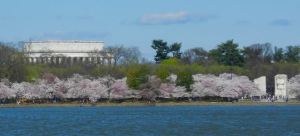
The Tidal Basin Yoshino Cherry Trees, planted 1912, with the Lincoln Memorial and the Martin Luther King, Jr., Memorial beyond the waterside, March 18

One year ago, we made our first visit in many years to the Tidal Basin in Washington, DC, to view the iconic cherry blossoms in their white-pink splendor. More visitors come to DC for this event than at any other time of the year. In 2024’s even earlier spring, we chose a warm, breezy day, March 18, with the trees in full bloom. The Festival used to be celebrated in April, but now it’s March, and the trees are spectacular–but threatened.

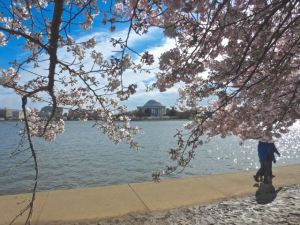
Blooming cherries surround the Jefferson Memorial across the Tidal Basin, March 18

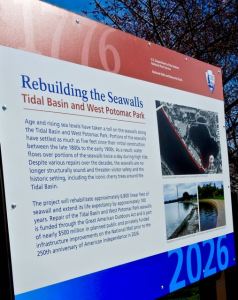
In last year’s report of our visit, which told the history of the Tidal Basin, I noted that we’d seen a small sign announcing that the Basin shoreline walls would begin being renovated because of the increasing damage from tidal water level rise. Well, not only has that renovation now begun, but we could see increasing evidence of overflows beyond the sidewalks and, more disturbing, that many dying trees near the Jefferson Memorial had already been uprooted and removed. Permanent signs (see photo below) describing the 2-year renovation plan gave the figure as 150 trees to be removed. The Washington Post vividly described the plan with amazing photos, videos, and infographics.

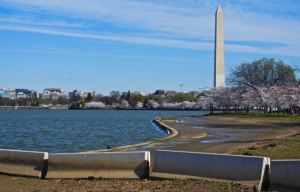
Jersey walls indicate closed off areas of the path just west of the Jefferson Memorial, with evidence of tree removal and tidal overflows. Shoreline walls used to be as much as ten feet above the water.

The goal is to have the renovation completed by 2026, in time for the 250th anniversary of the U.S. Declaration of Independence

One tree scheduled for removal is a particular focus for camera-wielding visitors: the oldest tree along the shore, nicknamed “Old Stumpy,” still blooming and already grieved.

“Old Stumpy’s” lonely vigil: still blooming, March 18

Meanwhile, the broad, deep Potomac River, whose tidal waters fill (and daily overfill) the Basin, rolls on, with the Virginia high-rise city of Roslyn on its west bank. Because much of Washington city, including the Tidal Basin, is built on land reclaimed in the 19th century from Potomac River mudflats, high-rise buildings like those in Roslyn are not allowed east of the river.

The city of Roslyn, Virginia, across the Potomac, where modern buildings rise much higher than is allowed in DC, March 18

*********************************

The March 2024 Photo/Video Gallery

Mourning Dove plucks seeds along the southeast path on a brisk sunny morning, March 24

From a young branch at the north end, Mockingbird listens for calls, March 24

First sighting: Hermit Thrush on a branch along the southeast bank on a cool late afternoon, March 21

Japanese Cherry in full bloom in our community, east side of lake, March 16

Red-shouldered Hawk soars above the west shore on a windy morning, March 19

The outlet stream below the north end dam burbles, accompanied by the call of a Red-winged Blackbird, March 16

Jean’s fresh-baked soda bread for St. Paddy’s Day, March 17

Song Sparrow’s short call as traffic whizzes past on nearby highway, March 16

Two Double-crested Cormorants swim mid-lake in the rain, March 2

Mallard pair in flight toward the northeast shore in the rain, March 2

Red-bellied cooter balances on a rock while another peeks from the water, northwest shore, March 20

View toward the south end and downtown as 2 Canada geese swim near the west side dock, March 19

Four starlings converse atop a willow oak, east bank, early morning, March 1

Ten Red-bellied Cooters lined up on a log on the southwest shore, warm day, March 12

Great Blue Heron and swimming Cormorant at the west shore, March 3

Carolina Wren’s songful calls in the south end community, brisk morning, March 24

Camera captures this Eastern Phoebe–a first sighting here for me–in a treetop 300 yards east of the lake, on a rainy March 27

This Grey Squirrel ponders high up in an oak in the southeast woods, rainy March 27

This American Robin lands on the southeast path just in front of me, then skitters, while listening to the sparrows in the lakeshore thicket, on the rainy March 27

Now on to April, with more birdsongs, more blooms, and more daily surprises to inspire us all!

February 2024: A Month of Valentines, and Hopes for More

A chalk Valentine adorns the gazebo on the west bank during a brief morning snowshower, Feb. 13

First sighting since August: Beaver swims from cove toward west bank and dives, Jan. 27. Watch videos by researcher Emily Fairfax about ways that beavers, whose populations are steadily declining because of human intervention, create wetlands that restrict wildfires and increase water supply.

In this month’s blog:

Valentine’s Weekend for Birders: The Great Backyard Bird Count
Climate Log: Saving the Rain Forest by Saving Stingless Bees
Climate Log 2: Oh Those California Rivers in the Sky
February 2024 Photo/Video Gallery: One More Beautiful Snow Day (and More Avian Moments)

Two Crows bathe in the northeast corner of the lake on the final day of the Great Backyard Bird Count, Feb. 19

Two snow-covered Geese and teazle plants in the northwest corner during a brief morning snowfall, Feb. 13

Happy Valentine’s Weekend! The Great Backyard Bird Count

The video of the beaver we sighted on Jan. 27 was a Valentine to us before February even began, because beaver sightings are so rare in our lake. But an equally beautiful gift for Valentine’s Day is the annual four-day weekend of birding searches known as the Great Backyard Bird Count. Each February, the National Audubon Society, the Cornell Lab of Ornithology, and Birds Canada/Oiseaux Canada sponsor this multinational birding extravaganza, when enthusiasts from more than 200 countries post their pics and sound files to the site of their choice. This year, more than 600,000 of us feathery fanatics (AKA citizen scientists) from 209 countries posted sightings of over 7800 species. I was out there each of the four days, February 16-19, contributing my pics. Here are a few:

Two Canada Geese exclaim, then preen along the southeast shore, Feb. 19

American Goldfinch on the southeast bank, Feb. 16

Great Blue Heron watches from the west bank on a sunny Feb. 18

Chipping Sparrow in blackberry canes at the northeast corner, Feb. 16

Male Cardinal in greenbrier berries, southeast bank, Feb. 16

European Starling in mid call from the east bank, Feb. 16

Pair of Red-shouldered Hawks in separate trees north of the dam. Feb. 19

Of course, I get gifts like these from my feathery friends every time I walk around the lake.  So February for me is a month of Valentines.

**************************************

Climate Log: Saving the Rain Forest by Saving Stingless Bees

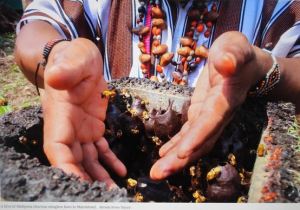
Finding a hive of stingless bees in Peru’s Amazon rain forest (NY Times, Jan. 30; photo by Brenda Rivas Tacury)

The Amazon rainforest in Peru is home to many species of stingless bees, who produce a honey that has been used for generations by Indigenous peoples of the region, such as the Asháninka, as a natural medicine. These stingless species have thrived as pollinators of native plants, who have in turn thrived because of these plants.  But as deforestation and mass agriculture have overtaken more and more of the rainforest, and as pesticides used by farmers have threatened species including the stingless bees, both the native plants and the bees are in danger of disappearing.

An article in the New York Times by Katrina Miller and Rosa Chávez Yacila (Jan. 30) describes how Indigenous beekeepers are attempting to keep the species thriving by creating artificial hives out of range of the pesticides, and then by creating a commercial market for the distinctive beneficial honey. Their hope is that the success of the honey sales will incentivize more Indigenous beekeepers and spur more efforts to maintain large areas of undisturbed forest, so that both the bees and the forests in which they mutually thrive can continue their vital work.

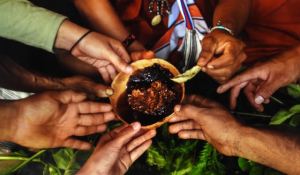
Asháninka community members and Peruvian scientists examine stingless-bee honey in traditional container (New York Times, 1/30/24; Brenda Rivas Tacury photo)

Help for these efforts has come from word of mouth during the pandemic of the medicinal value of the honey, as well as from scientists such as Drs. César Delgado and Rosa Vásquez Espinoza, whose study in the journal Food and Humanity reported this honey’s  “anti-inflammatory, antimicrobial, and other health-promoting properties.” The popularity of the product is slowly growing, with half-liters now selling for upwards of $20.

Key to the success of the venture is the expertise of the beekeepers, whose knowledge and skill have come from generations of practice. So, if the economic endeavor succeeds, not only will the bees and the forest be saved, but so will a vital part of the culture of the people for whom the practice is central to their lives.

Melipona Eburnea soldier bee at the door of the hive (Photo by Luis Garcia Solsoi)

**************************************

Climate Log 2: Oh Those California Rivers in the Sky!

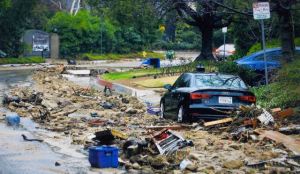
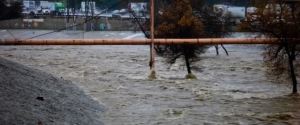
California’s second “water year” in a row of way above average precipitation has again filled the state’s reservoirs, brought deep snows into the Sierra–and this year caused massive flooding and landslides in the LA region as rain poured down on soil still soaked in many places from last year’s “atmospheric rivers” (or, as I like to call them, “rivers in the sky”).

Studio City street swarmed with landslide debris (LA Times photo by Carlin Stiehl, Feb. 6)

Last year at this time, one of the big stories was the re-emergence of historic Lake Tulare, which had covered for centuries parts of several counties in the Central Valley before farmers and ranchers in the late 1800s had made the lake disappear (as well as Indigenous communities reliant on the lake) by diverting its inflows for their own purposes. Last year’s rains were so intense that the lake had come back, but now was contaminated by farm and ranch runoff. The reborn lake now also endangered farm communities that had grown up in the intervening century.

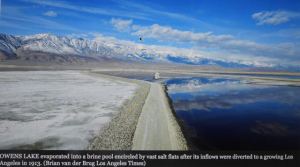
One of the big stories from this season’s storms, besides the floods and landslides in LA County, has been their impact all the way across the Sierra in another historic California locale. As Louis Sahagún reported in the LA Times on Feb. 19, the rains have “been good for LA’s water supply, but have caused costly damage to the aqueduct and dust control systems in the Owens Valley.” These recent storms have just intensified damage that began last year. If you don’t know the Owens Valley, then you don’t know the iconic California story (as loosely depicted in the great movie Chinatown in 1974) of how the city of Los Angeles in 1913 secretly bought up land in the quiet farming valley east of the Sierra so it could divert by aqueduct the region’s water 230 miles south to the burgeoning metropolis.

The Owens Lake brinepool and runoff from the 2024 storms (LA Times photo by Brian van der Brug)

After the city had to pay compensation to Owens Valley residents decades after the city’s duplicity was discovered, it also had to create complex systems to monitor and control every year the toxic dust that resulted from the dry lakebed. Sahagún’s article states a cost of $2.5 billion so far (and counting) for this year-by-year environmental disaster mitigation. Now, the deluge of returning water has damaged both the aqueduct and the state-of-the art dust control systems, at a repair cost estimated to be $100 million, which will no doubt be passed on to LA’s 4 million water system ratepayers.

So, climate change is the gift that just keeps on giving. Scientists are predicting that these new cycles of more intense rainfall will alternate with years of ever-warmer drought, creating the need for drastically different, perhaps conflicting, types of infrastructure. (Think systems to capture precious water into deep-below-ground aquifers in the rainy years to prepare for droughts, but also systems to divert excess water away from already soaked land.) California is working on it, as always. And, as always, the rest of the nation will keep looking toward California, as more and more states, like my own Virginia, must adapt to the new normal.

Unless political will actually strengthens around the world to really confront and eliminate the causes of climate change, we Earth humans will have no choice but to pay the ever larger costs, in money, famine, and millions more refugees, that a more extremely erratic climate will bring to all creatures, including the human kind. Sorry, no Valentines.

Flood surge in Atwater Village, Los Angeles, Feb. 5 (photo by Dania Maxwell, LA Times)

*************************************

The February 2024 Photo/Video Gallery: One More Beautiful Snowy Morning (and More Avian Moments)

Meanwhile, we enjoy heartily the gifts we receive each day from the birds and other folks who make our fragile lake sanctuary one of their homes. Enjoy these Valentines with us.

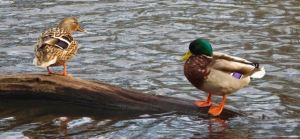
Mallard pair in glorious full color on the log in the southeast cove, Feb. 16

Snowy morning, Feb. 17: Northwest corner path and trees of the north end woods

Male Cardinal on the snowy morning, southeast bank, Feb. 17

Snowy morning, Feb. 17: From the southeast cove along the west bank

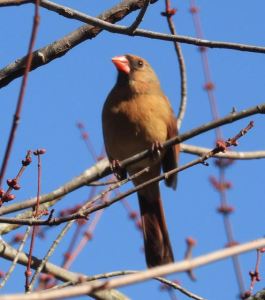
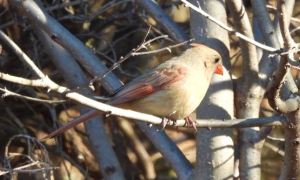
Golden Female Cardinal in a red maple, east bank, Feb. 21

Carolina Wren in slippery elm along the east bank, Feb. 1

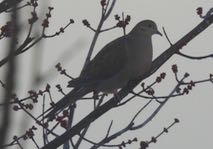
Mourning Dove in red maple, southeast bank, Feb. 17

American Goldfinch feeds and sings at feeder on the east side, Feb. 12

Red-shouldered Hawk in budding sycamore below the north end dam, Feb. 21

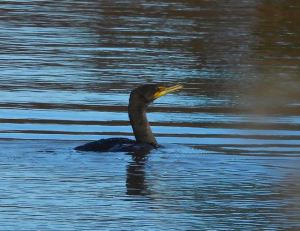
Double-crested Cormorant in mid lake, Feb. 16

On the snowy morning of Feb. 17, winds growl along the northwest path as storm clouds gather

Rare White Female Cardinal perches in the northeast corner, Feb. 21

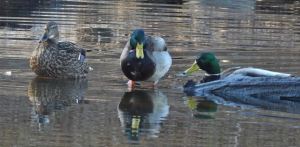
Two Male and one Female Mallard in the southeast cove, Feb. 21

Goose flock ambles toward southeast lake shore, and one flies toward front, Feb. 16

Watch camera move to reveal a pair of Red-shouldered Hawks on the fence along the highway west of the lake, Feb. 16

Mating pair of House Sparrows in sumac branches, northeast woods, Feb. 19

Uncommon White Rock Dove on stanchion high above the lake, Feb. 18

Panorama toward south end from snowy reeds, on the morning of Feb. 17

Yellow-rumped Warbler sings a short song on the snowy morning on the southeast bank, Feb. 17

Female House Finch studies the inlet stream by the bridge, Feb. 27

Eastern Bluebird in aspen on the east side, Feb. 25

A rare White-crowned Sparrow on the southeast path by the inlet bridge, Feb. 15

Dramatic scene of Great Blue Heron confronting a Cormorant in mid lake, then flying to west shore, Feb. 6. We were amazed.

So many Valentines this February! On to March!