Chris:
July 2018
Most of our entries have focused on specific plants, and I’ve tried to give a sense of their life cycles over a year or, in the case of perennials, over several years. In only one of our entries, “J Is for January,” did we look at one particular month, January 2017, which was noteworthy because of the prodigious amount of rain that fell, and its consequences for our garden.
Here I want to feature the month just completed, July 2018. This has not been a record month, but has been typically hot–usually our hottest and among the several totally dry months of summer and early fall. I want to describe it because of its typicality for this time of year. I want to describe a range of plants during this typically hottest month, in order to give the reader a sense of what goes on around the garden, how I care for its citizens, what the garden produces in this highly stimulating environment, and how Jean and I use that produce.
Peaches
Peaches, July 2018
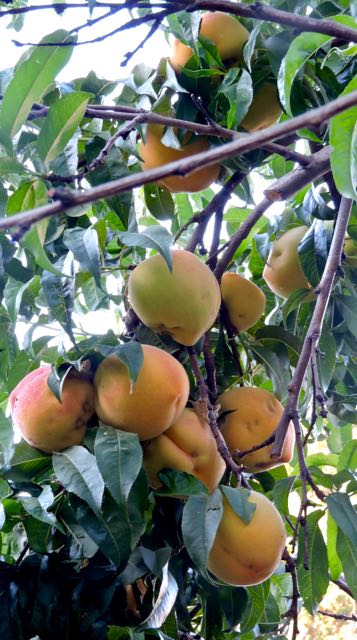
July is peach harvest month. In “Lazy Fair Peach Tree,” I described the changes in our peach tree over the years. When I wrote that entry, July 2016, the photo showed a heavy branch laden with many peaches, too many for the branch to bear. In total, there were more than 200 on the tree, plenty for a range of goodies from Jean’s kitchen. But six months later, the rains of early 2017 came, and I awaited what was sure to be a bumper crop of peaches that summer.
But the rain poured and the winds howled into April and May. The sodden peach tree put forth few blossoms, and those that did appear blew away in the storms. So even though the branches grew, no peaches appeared. None. Well, I did discover one peach hidden away among the branches in July. But I figured the birds needed it more than we did, so it stayed on the tree until devoured.
After a winter of just-below-normal rainfall in 2017-18, plus a cool spring, I was not sure what to expect of this year’s crop. Would the peaches return? Blossoms did appear in March, though not in the profusion of most prior years. In April and May, some tiny fruit appeared. By June 1, I counted about 30 small green fruit hidden among the green leaves. But I’ve learned that counting green fruit is usually inaccurate because of the camouflage. Sure enough, as the fruit began changing color in late June, more and more peaches appeared.
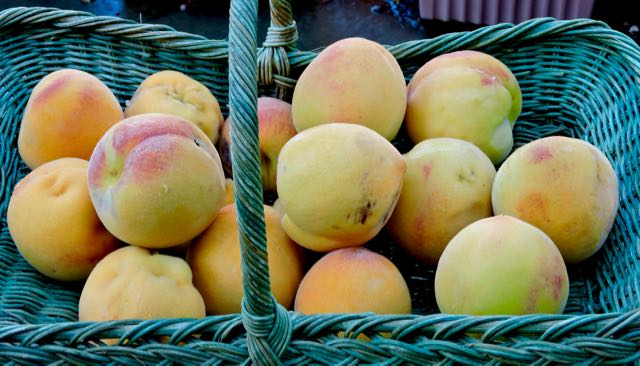
By early July, some of the peaches were almost ready for harvest. Temperatures consistently in the 90s and sometimes touching 100 made the entire crop ready by mid month. All told, the crop was just over 60–and they were of robust size, larger than baseballs and some approaching softball size:
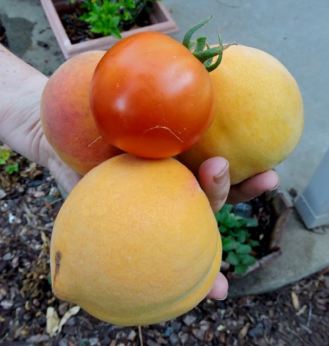
Three peaches and Shady Lady tomato. July 2018
Even better, they were as meaty, juicy, and sweet as we had come to expect our peaches to be. All in all, the 2018 crop exceeded my admittedly low expectations, and it gives us hope for next year.
A note on pruning: in the past, I have pruned branches of the peach tree after the harvest. This year, because the peach tree had grown so that the highest branches were over-topping the adjacent orange tree, we pruned extensively on June 1. Yes, the pruning eliminated some of the green fruit that would have ripened in July, but it did not affect the rest of the tree. Indeed, the pruning may have helped increase the size of the remaining 60 or so peaches. It surely made harvesting easy. The height of the pruned tree was about eleven feet, so that a step ladder could be used to reach the highest fruit.
Cukes, Peppers, and Eggplant
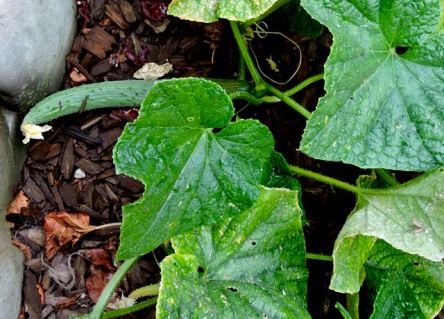
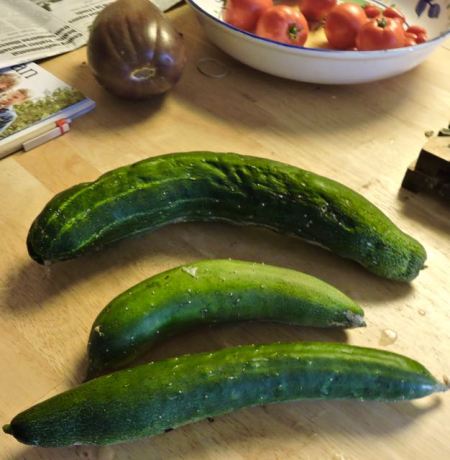
I had not grown cucumbers before 2017. In that year, I replaced the annual onslaught of zucchini (see “Z Is for Zucchini”) with small cucumbers (4-5 inches) good for pickling. Their 2017 success led to my trying larger cukes this year, specifically 8″-9″ Burpless , which I planted in two hills about 5 feet apart for cross pollination. They started slowly in April, and by early June they were close to having their first fruits ready to pick. They are great sliced in salads (with our tomatoes) and sliced for pickling in a spicy, vinegary mix (as shown below).


Here is one of the cuke plants in late July, with another fruit about a week away from harvest.
And three big cukes harvested in late August! Definitely in my plans again for 2019.
The peppers are always a fun challenge, and this year had its own new wrinkles. In mid April I planted three peppers: a poblano (first time), a yellow mild, and a red mild. No hot chilis this year, because we have hundreds in the freezer ready to burst with heat when we thaw them.
Two of the plants were in the largest raised bed, and the third was in a large pot. All of them started out vigorously, and by mid May all had produced growing green fruit. Then the new wrinkle happened. Over two days in late May, all the growing fruit disappeared from the poblano and the red pepper, nipped off cleanly at the top of the fruit. Probably rabbits were responsible, though I’ve never had this problem before and I’d never seen them in the garden.
So I purchased chicken wire and surrounded each plant with a cylinder, as shown below. The plants have thrived since.

Eggplant has been a hero of the garden in the three years I have been growing them, as I explained in “E Is for Eggplant.” For the first time this year, I planted two plants, each a different variety. One is the narrow Japanese variety (Little Fingers) that I had first planted in 2016. The other is the more familiar large, rotund variety (Black Beauty). Neither fruits early, though the Little Fingers this year produced flowers in May, then fruit in June. The Black Beauty was a late producer, with the first fruits appearing in mid July and only now ready for harvesting. It was a star of the July garden, and its fruit will be marvelous in eggplant parmesan and in Asian-inspired dishes.

Black Beauty eggplant ready for harvesting, end of July 2018
Tomatoes! (Of course)
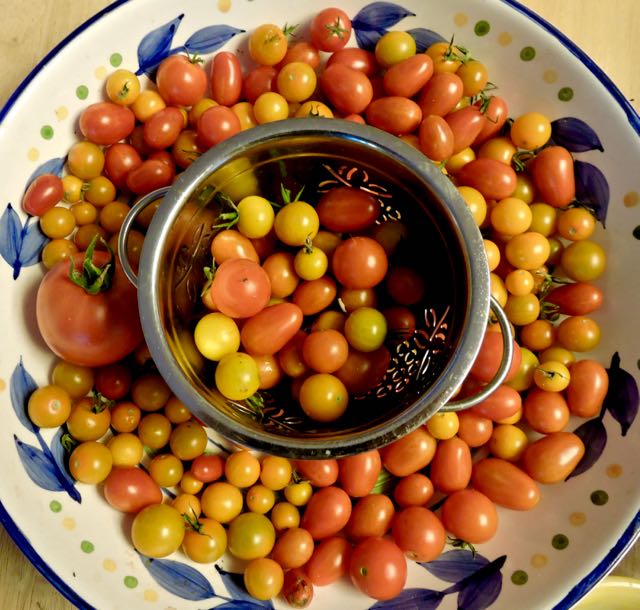
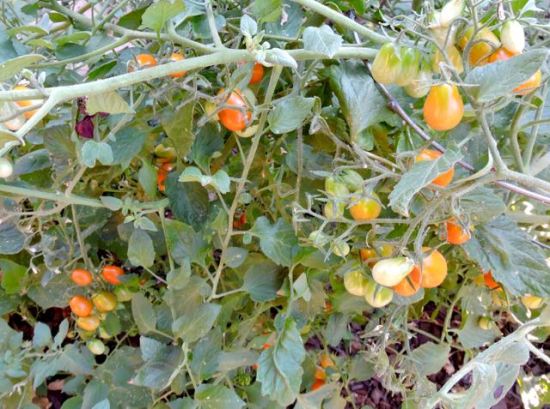
Last year, in “T Is for Tomatoes,” I reported on my record-breaking harvest from one grape tomato variety, which persisted into September producing fruit. This year I have no plant that will match that one’s 2017 longevity. But I do have one, a Red Grape, that surpasses it by far in its daily production through July–some days more than three dozen bright red beauties, and an average of twenty (20). The photo at the head of this essay shows a July week’s worth of cherry and grape tomatoes from five plants:
- the Red Grape just described
- two Sun Gold Grapes
- and two Husky Cherry Reds
Now, in early August, the two Sun Golds have ceased bearing and I’ve removed them for compost, and one of the Husky Reds has been removed, but the other Husky Red goes on, and the magnificent Red Grape keeps producing, even as it still sends out new shoots across the garden and blooms yellow flowers.
Here are two views of this plant. One shows it among surrounding plants–the broad-leafed eggplant in front of it and the red-fruited Shady Lady behind it and to the left:

The second photo is a closeup from mid July of its typical clusters of ripe and ripening fruit:
The Shady Lady. Only one of my tomato plants this year was a large-fruit variety: a Shady Lady that I got as a tiny seedling from the Plant Sciences display at UC Davis Picnic Day in late April. Among its thousands of visitors, this annual festival brings out hundreds of gardeners and agriculture enthusiasts from across the Sacramento Valley region for events, exhibits, and expert demonstrations.
I planted a Shady Lady last year and it did well, producing moderate sized-fruit into later August. This year’s version has been even better. It seems to like the spot where I planted it–full sun for no more than 5 hours per day and plenty of moderate shade in morning and after mid afternoon. It grew slowly, as did last year’s, not beginning to fruit until late June and no fruit ready for harvest until mid July. But the fruit are perfect, and now, in early August, there are more than fifteen well on their way from green to red. Here are two photos: one of the plant in mid to late July, and a second of the first tomato we harvested this year.


Cooking with July Produce
Jean and I have made a range of dishes with the fruits of our garden this July. From the pickles and salads described above, to sliced peaches with all sorts of uses, to tomatoes and herbs in sauces and main dishes, every day offers July produce simmered, fried, or baked–or just eaten raw out of the produce bowl that is always on our kitchen table.

I’ve particularly enjoyed making the tomato sauce that combines our several varieties along with a bunch of our herbs:
- sweet basil
- Italian basil
- purple basil
- Greek oregano
- lemon verbena
- marjoram
- thyme
- culinary sage
with, of course, a clove of garlic, sauteed onions, salt and pepper, and just one of our tiny super hot Thai chilis that lurk in a big bag in our freezer. One thing that makes this so much fun is that, as the mixture cooks down on low heat over 2-3 hours, I get to taste every 15 minutes or so, and can add a bit of this and a bit of that as the flavors intensify with time and heat. Oh, yes, and how the fragrance fills the house! Here are two pics of the process, early and later, as the mixture thickens:


Jean, of course, turns my sauce into a masterpiece in her eggplant parmesan, which she makes by frying the Black Beauty slices after coating them in a breadcrumbs-and-egg mixture. As you can see here, she stacks the fried slices two deep, with a generous coating of the sauce, and she tops the slices with grated parmesan and with small slices of prosciutto. She bakes the entire arrangement in a baking dish at 350 degrees F. until the cheese has melted and the eggplant is the desired tenderness.
For more of Jean’s ideas for eggplant, see her descriptions and recipes in “E Is for Eggplant.”

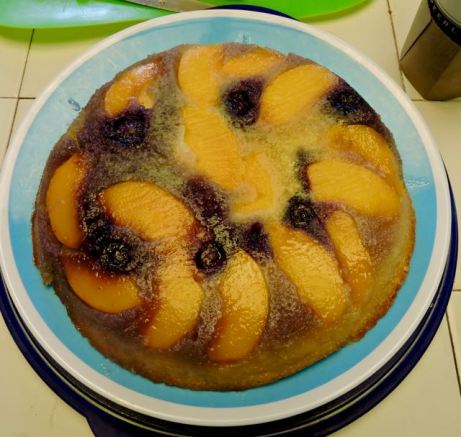
And what about the peaches? Well, what could be a better dessert than her peaches and blueberries upside down cake?–just one of many uses of those beautiful peaches from the garden
And what else is growing in the garden in July?
While this essay features the fruits and veggies of our small garden, many other plants are growing in this hottest month of the year. Here follows a small collage of other flowers and trees that give life and color and variety to our small Sacramento Valley garden, and that thrive through the 95 to 100-plus degree heat with light watering 2-4 times a week.
-
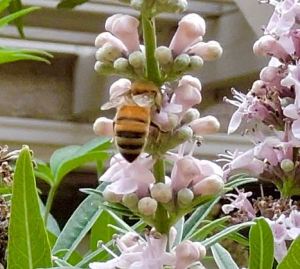
- honeybee in lupine
-
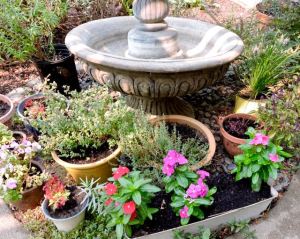
- vinca, celosia, impatiens with herbs
-
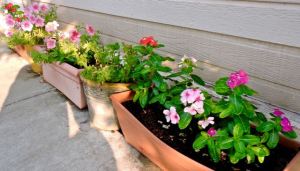
- vinca and petunias by front walk
-
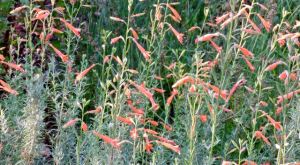
- fuschia in front of lavender
-

- dianthus
-
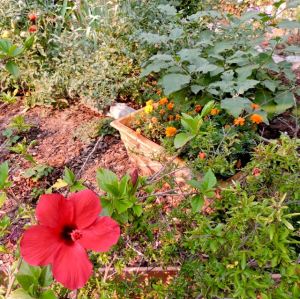
- hibiscus and marigolds
-
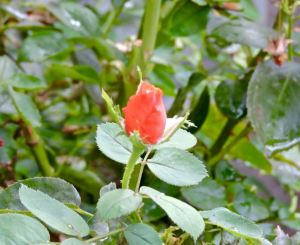
- salmon rose bud
-
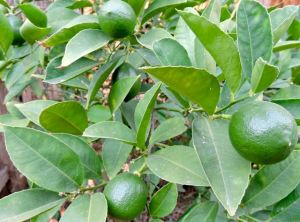
- green meyer lemons
-
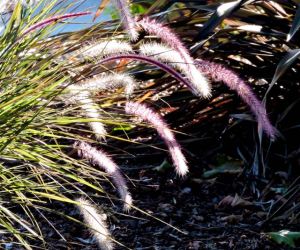
- fountain grass
-
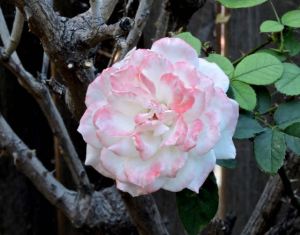
- peace rose
-
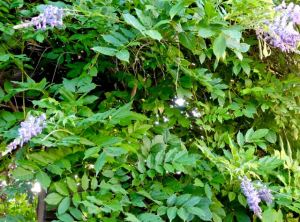
- late-blooming wisteria
-
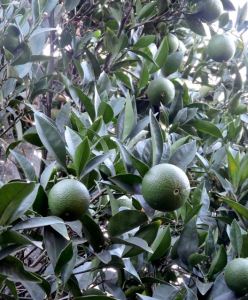
- green navel oranges

