As I write on October 24, a full day and night of soaking rain, already over 5 inches, has sounded outside our windows and gladdened my parched mind. Yet, the killing drought is still with us, to be sure. We had had no measurable rain since March, and only 2 inches for 2021 before this date. It will take about four times today’s “bomb cyclone,” as the weather people call it, to enable a serious rise in the deeply depleted reservoirs—-even though the “bomb” has set historic records for a single day in this region. And the two feet of snow this “atmospheric river” (another meteorologists’ metaphor) has brought to the Sierra will need to be multiplied by five to achieve the snowpack for a typical year. Still, today’s record precip is a good, dramatic start. Hurray!
If we get many more soaking days of rain and a renewed snowpack over several years, we may also begin to undo the damage to the unseen aquifer below. The aquifer has sustained for a century and more the California agriculture that so much of the world depends on. Reckless overuse of the aquifer for many years during drought conditions has put its future in grave danger. And this troubling forecast does not even account for the increasing impact of human-caused climate change. In short, there is much work for us to do–and much damage to resist doing–to help nature restore the balance of rain, snow, and sun that has allowed the West to thrive.
I’m hoping, too, that today’s rain will not dump so much in one deluge that it forces mudslides across the thousands of square miles of the West denuded and scarred by this summer’s record wildfires. The mudslide news so far is not terrible. I’d like our collective joy in this needed rainfall to last a while.
Water level in Lake Berryessa reservoir, Napa County; 40 feet below normal, October 23, the day before the storm (my photo)
Hoover Dam and Lake Mead on the Colorado River, Arizona-Nevada border; 30 feet below normal, March 2021 (my photo)
Pumpkin Season in the Kitchen
Buckwheat pumpkin pancakes with garden fruit, bananas, syrup, and Greek yogurt
Jean:
With rains finally upon us, it’s a great time to hunker down in the kitchen and enjoy making (and eating) some of those pumpkin treats that the month of Halloween inspires. For breakfast one morning, I griddled pumpkin pancakes (see the photo above), partially using buckwheat flour. I topped them with a blueberry syrup, plus some blackberries and strawberries from the garden, sliced bananas, and a dollop or two of tangy Greek yogurt. I made enough to last us two days.
I also couldn’t resist (who’d want to?) baking a couple dozen pumpkin chocolate chip cookies…
… which are tasty any time for snacks or an easy dessert. You may not usually think of chocolate and pumpkin going together, but, c’mon, is there anything that chocolate can’t go with? Even Chris, who always tells me he’s not a “chocolate person,” had no trouble downing these.
Pumpkin Parmesan Pasta
Jean’s pumpkin parmesan pasta with garnish of rosemary, sage, and basil
A first for me this October was a vegetarian pasta dish with a pumpkin and parmesan sauce, instead of the usual tomato marinara. I read Alex Guarnaschelli’s recipe for Food Network, and also found helpful Marisa Moore’s blog post on her pumpkin pasta with walnuts and spinach. As always, I added my own wrinkles. I used spinach pasta, as well as the chickpea pasta Moore suggests, plus some creamy elements (light cream and goat cheese), and also pumpkin seeds for crunch, rather than nuts. Like most things, there are various ways you can personalize this idea. I was a bit afraid that the chickpea pasta might be tough or strange tasting, but it was neither of those. Now pumpkin parmesan pasta will be one of our October favorites!
Some Other Spicy, Hearty Treats for a Cool, Rainy Fall
Jean’s chilaquiles with guacamole, tomatoes, and fresno chilis
Jean’s pork chili with chilaquiles and guac
October Garden Update
October garden produce: mild green, yellow, and purple peppers; pomegranates, Fresno chilis
Chris:
With no measurable rain before October 24, I honored my promise of last month not to plant any fall or winter vegetables, for the first time in the life of this garden. I did transplant a petunia, two irises that I separated from the parent plant, and a butter lettuce. But no seedlings of onions, radishes, beets, broccoli, chards, and lettuce varieties that I usually plant in October.
Until and unless we get enough rain to promise an average water year (which we last had in 2018), I won’t use the extra water that these veggies would require.
What fruits and veggies remain in the garden from the summer are 1 mild yellow pepper, 1 Fresno chili, the perennial arugula (now returning for its third year), 3 strawberry plants, 1 blackberry plant, 1 Swiss chard, and, of course, the magnificent fruit trees. Two of these, the navel orange and the meyer lemon, will bear ripe fruit in December. I’m hopeful that none of these plants will require any water other than that which falls from the rainy-season sky. We’ll see.
Fresno chilis and mild yellow peppers
Remaining Swiss chard, now in ground since October 2020
Transplanted butter lettuce with new leaves
Strawberry plant, front garden
Navel orange tree, ripening toward December
Arugula, third year
The October Gallery
Bees on Mexican bush sage
First white-crowned sparrows of fall
African daisies, back garden
Hummingbird wind chime, veranda
Vinca and petunias, veranda
Singing in the shower?
Scrub jay after bath, side garden
Scrub jay about to bathe
Ground squirrel–first we’ve ever seen in our garden
Blue-grey gnatcatcher, seasonal visitor
Honeybee in white rose
Bee hovers over blooming rosemary
Little still life
Herb art on our focaccia
And finally, a Happy (scary) Halloween from all of us garden creatures.
So much amazing life in the garden. On to November in joy!
Painted lady butterfly on lantana flower, back garden at noon
In This Month’s Blog:
The Always Garden
Our Kitchen: Firehouse Chili (and) Gumbo plus Mediterranean Treats
September Garden Update
The September 2021 Gallery
Floral garlic, front garden
Fountain grass, front garden
Creeping juniper, day lilies, roses, front garden
The Always Garden
Chris:
This blog usually features the seasonal fruits and veggies that we turn into tasty meals. These tomatoes, zucchini, peppers, chilis, cukes, eggplants, beets, radishes, onions, chard, broccoli, etc., grow fast within their seasons and give us their gifts. Then I pull out their exhausted bodies and bury them for compost. New versions go into ground at their appointed times in the coming year. They are dramatic and delicious.
They are also fragile and often unpredictable, requiring frequent (often daily) watering, fertilizing every few weeks, and daily attention as the gardener watches to see if and when and how prolifically they produce. They are the stars of the garden, and it is not only their flavor, but also their uneven tempers that keep me focused on their fleeting seasons.
Yet they are not the heart and muscle and bones of the garden. Those are the trees, which hold the soil in place with their deep roots, draw water from deep underground, provide the ever-more-needed cooling shade in our sunnier, hotter, drier climate, and give of themselves so much of our annual produce–besides providing homes for the birds. Some of them are evergreens–the orange, the meyer lemon, the fan palm, the ceonothus. But some drop their leaves in our short autumns–the spreading sycamore, the cherry plum, the apricot, the peach, the liquidambars–and these leaves nourish the soil to benefit all the plants.
I call the trees the always garden. It is too easy to ignore them, to take them for granted, to fail to appreciate them for all the miracles that they quietly provide.
But beyond the trees, the always garden includes the many other perennials that give our garden its beauty and sustainability. (Note, for example, the four photos that lead this month’s blog, above, and the three pics just below.) Though I rarely talk about the perennials in our entries, the monthly photo gallery features them in their daily glory. Browse this month’s gallery and look back through those of other months to get some sense of who these contributors are and the joy they bring.
Hibiscus flowers with pink and yellow lantana
Honeybee in white rose cluster
Magenta and yellow lantana
Our Kitchen: Firehouse Chili (and) Gumbo, plus Mediterranean Treats
Jean:
Chili is one of our favorite foods, and I have a favorite story about chili. A few years ago, we went to a small party at some friends’ house to watch the Superbowl. One of our friends, a man, made chili. To me, it had little chili flavor, just a beef and tomato soup. The friend asked the other men there, “Don’t you hate spicy chili?” and there was a chorus of “yeah”s. Chris and I didn’t say anything. But I couldn’t believe my ears. We were at one of the “manliest” events of the year, and these guys didn’t like spice in their chili? Why call it chili then?
No matter which way you lean in this debate, you can make this dish to your own taste and probably love it. This recipe for a combined chili and gumbo, which I found in the New York Times, was proclaimed “America’s Best Firehouse Chili” in 2017. I was fascinated by the merger of chili and gumbo, but I made them separately so they could be eaten that way or combined as desired by the consumer (in this house, Chris).
Firehouse Chili
Our version of Firehouse chili, with beans and beef brisket
The NYT says their Firehouse is not a Texas chili, but it seems very similar to me because it is heavy on the beef, and contains no beans and only a little tomato. I, of course, made my own changes, and you can, too, depending on what ingredients you have and what you like. (We always like beans in chili, so I added those in the final cook.)
Start by browning 2-3 pounds of beef, either coarsely ground, thinly sliced, or in ¾ inch cubes, in a little neutral oil. (I used a sliced bbq beef brisket, which added a chipotle spark.) Pour off any excess fat, remove the beef from the pan, and add salt, pepper, 2 T. chili powder, and a teaspoon each of turmeric, dried oregano and ground cumin. (The Epicurious website has you rehydrate a mild dry chili and put it in the food grinder with the dry seasonings and spices to make a paste.)
Epicurious also calls for tomato paste, which it is best to cook for a few minutes in the skillet with the spices. You could also do this for the NYT chili, in lieu of the canned tomatoes the recipe actually calls for.
Regardless of which method you use for the chili and other seasonings, now loosen the pasty mixture in the pan with a couple of tablespoons of steak sauce and/or Worcestershire sauce. Add the beef back in, as well as either a 14.5 ounce can of diced tomatoes or 2 cups of beef stock and some water, depending on how beefy or tomato-y and how thick you want the sauce. (Epicurious adds other small embellishments, including a couple of tablespoons of masa harina (to thicken) and a little dark brown sugar and distilled white vinegar.)
Firehouse Gumbo
Firehouse gumbo with tomatoes, andouille sausage, and shrimp
The gumbo is a little more time- and labor-intensive, and I offer apologies to all gumbo afficionados who may feel this is not a true gumbo. I will review some of the differences.
To make the gumbo, place a large pot with a heavy bottom over medium heat, and put 2 T. butter and 1 T. oil into it. When the butter is melted and foaming, sprinkle 2T. flour into the pan, and whisk to combine. Continue whisking until the mixture is golden brown, approximately 15 to 20 minutes. This is a medium roux, whereas a traditional New Orleans gumbo would be cooked for twice that long to make it darker and more flavorful. (The firemen probably don’t have that much time.)
When satisfied with the color of the roux, add vegetables, some salt and pepper, and cook to soften. The vegetables should consist of roughly equal amounts of green bell pepper, chopped onion and/or shallots, and celery. You can also add parsley and/or okra if you have them.
After this is where the firehouse gumbo really goes off the rails, because it contains no meat but lots of tomato, whereas the traditional gumbo is just the opposite, lots of protein and no tomato. Of course, if you combine the gumbo with the chili, you will have plenty of meat, but not the kind that is usually added to gumbo.
The firehouse gumbo, by contrast, includes a 6-oz can of tomato paste, an 8-oz can of tomato sauce, 1-2 cups of tomato juice and 1 cup of ketchup. It is very tomato-y, so it’s lucky Chris loves tomatoes. You could cut out some of the tomato in favor of broth or water. I happened to have a lot of V-8 juice, so I used that, and it was very tasty. Finish off the gumbo with 1 T. apple cider vinegar and 2 T. hot sauce, or do the spiciness to taste.
Would you prefer a traditional gumbo? If so, while cooking down the vegetables, you should brown some sausage (maybe chicken sausage) and smallish chunks of chicken in another hot skillet, maybe adding some garlic in the last couple of minutes. The meats will get added to the vegetables with at least a couple of cups of chicken broth (or bullion and water). Cook until the flavors meld and everything is cooked through.
Now, what I did was to brown and add in some andouille sausage chunks, and then tossed in some medium-sized peeled shrimp in the final minute of cooking, to make it more like a traditional gumbo–but the tomato still really stood out. The shrimp and sausage I blended with the tomato even gave my gumbo a kind of cioppino zest.
Finally, decide whether you want to combine the chili and the gumbo (to cut all that tomato in the gumbo) or just have two great dishes to make easy lunches and dinners for the rest of the week. We did both!
Two more September treats:
Mediterranean garden sautee: zucchini, green pepper, fresno chilis, onion, and garlic, sauteed in olive oil
Mediterranean pita medley: eggplant caponata, white bean dip, hummus, stuffed green olives
September Garden Update
Back garden, late September. L-R: Pomegranate, eggplant, meyer lemon, lemon verbena, red-pink vinca, coreopsis, flowering chives, dry fountain, and lupine
Chris:
Having produced heroically from May through August, almost all the spring-summer veggies have now been taken out from the back garden.
Most of the summer veggies–tomatoes, zucchini, cucumbers, eggplants, arugula–are now gone from the garden.
Only one of the Black Beautyeggplants remains in ground, and that will go later this week, when its two remaining fruit are picked.
Our one remaining Black Beauty eggplant, with Italian basil
But the pepper plants–as usual in late summer–continue to thrive and put forth new fruit. These plants include the one purple variety, one mild green pepper, one yellow pepper, and one Fresno chili pepper, which teems with hot, bright red fruit. All these will keep going into October.
Fresno chilis, late September
Pepper melange: mild green, mild yellow, hot Fresno
Orange-yellow peppers, late September
And, as always in the fall, the green navel oranges and meyer lemons grow bigger toward ripeness in December…
Navel oranges grow toward late December harvest
Meyer lemons ripen
…while the three potted strawberry plants still give occasional tangy-sweet berries.
Late September strawberries
To plant or not to plant? The question remains: will I plant the usual winter veggies in this drought-stricken year? Right now, I’m leaning toward no. Not only am I just not keen to use scarce water, but we still have in our freezer some of the produce from winter 2020-21. I will continue to water the always garden, though on a further reduced schedule that I hope will be reflected in our water use statistics.
Chris: When the wind blows from the West or Southwest, which is most of the time where we live, it’s easy to pretend these days that our garden and our quiet home are our world. It’s a pleasant delusion. But when the wind blows from the North or East, our sky is grey, the sun is a dim orange ball, and the hazy air is made of acrid molecules of what used to be trees. We live 70 miles west of the Caldor Fire, which rages in the forested mountains toward Lake Tahoe. We live 130 miles southwest of the gigantic Dixie Fire, which has been spreading for six weeks in the rugged lands toward Lassen Volcanic National Park. About this blaze, now almost 750,000 acres–the largest in California history–authorities with the state fire service have this to say:
“Fuel conditions are much worse than previous years and along with wind is causing much greater fire spread. Firefighters are experiencing conditions never seen before, such as increased spread rates, spotting and active nighttime burning.”
Caldor Fire–Grizzly Flats
Caldor Fire explodes
Our sun and sky when the wind blows from the East
So a capricious change in the wind changes our image of the world. Some days our sky is blue, the air fragrant from the herbs and flowers in the garden. But other days we cower inside and don’t even dare look through our windows. The prevailing westerlies mostly sustain our illusion, as long as no big fires start up to our west, as they did last August. For the many thousands of humans now uprooted by the flames and crowding into evacuation centers surrounding the fire scenes, there is little illusion to cling to. Most of those forced to evacuate will eventually go home to find that they still have a home, at least this year. But many face combing through burned wreckage to salvage, they hope, some little bits of their past: a child’s toy, a beloved tool, a photograph. Big decisions are upon them.
All of us across the West, not only in this iconic California that always seems to capture the attention of Easterners, still cling to a hope that the drought will end later this year… or might it be early next year, or when? With climate change now hard upon us, all bets are off.
There are places in the U.S. and in lands around the warming, fragile globe where the drastic effects of the climate disaster have still barely hit. In those places, some of the people still scoff at climate change, but those places grow fewer each year as the disaster spreads. What’s really dangerous for most of us around the globe is that some of those most desperately clinging to the melting iceberg of climate disbelief wield a lot of wealth, control a lot of politicians, spew lots of pollution, and so have the power to make the climate disaster so much worse more quickly for the rest of us.
August Garden Update
One August day’s strawberry harvest
Except on the smoky days, I’m out in the garden this month watering, trimming, studying plant health, or picking what’s ripe. I like sharing thoughts with the birds, butterflies, bees, and other insects. Or taking pictures of them and the plants. I wish I could say that I was reducing my water use beyond the 50% less I was able to achieve during the last drought (2011-16). However, though I’ve been culling plants more ruthlessly than I have in the previous five years, my water reduction is barely measurable.
But it is late August, so the time for the summer veggies and fruit is about run out. I promise to be utterly ruthless in September. As for the fall and winter produce? We’ll see. It depends on if we get rain.
Lemons. I’ve never written about ripe lemons in August before. June was our previous record. Only this year has our crop lasted into the 8th month since December’s ripeness. Eight months of hundreds of juicy, fat meyer lemons on the single spreading bush. And the last one just as fresh as the first. Lasting on the bush through dry 100-degree days. Imagine! A blooming miracle (as all plants are).
Green meyer lemons toward December 2021 harvest
Eggplants. Every summer the eggplants are late fruiters. Patience, patience. Now, in August, the two Black Beauty plants are fruiting. Just this morning the sixth fruit appeared, and two more buds look promising. The first few dark purple gifts should be fully grown by next week. Jean is ready with recipes.
Tomatoes. Four of the 7 plants have finished producing and I have pulled them out for composting. One more is about done and will be pulled in the coming 2 weeks to save more water. That leaves the two steadfast red cherries, which are still putting forth new fruit that redden in the 90-100-degree heat.
Peppers and Chilis. The real August stars in our little garden are the 3 mild pepper plants and the lone Fresno chili. This is their best month after a June and July of slow production, but they’ll still be going into September. The Fresno, which I didn’t plant until late May, is bursting with hot green gems, some of which are turning dark red, as befits their potency.
Fresno chili–what to do with all that green fire?
Mild green pepper surging with fruit
Late producing purple pepper, coming into its own
Strawberries and Zucchini. Three strawberry plants in pots are still giving fruit and putting out more buds. And Old Faithful Zucchini, which I thought was done, just showed me two beginning fruit beneath its broad leaves.
Strawberry clusters on one of 3 remaining plants
Another super-size zucchini
Our August Kitchen–the Heart of the Matter
Peppers, onions, tomato, garlic stir fry, with shrimp
Chris: Jean won’t be writing for the blog this month, as she is recuperating from open heart surgery, which she had early in August (hence the title of this part of the blog). We are so thankful that her recovery is going better than well, and just this week she began some cooking and baking again, with me as her sous chef, shopper, and all-around kitchen help. So the dishes we picture and describe here are a combined effort. The dish pictured above is a simple stir fry, using green peppers and cherry tomatoes from the garden, plus carmelized white onions and garlic, all fried on low heat in butter and olive oil. The pre-cooked shrimp are added just a minute before serving.
Sfougato, with finely chopped zucchini, peppers, shallots, chard, and feta and goat cheeses
A theme in this month’s blog is Mediterranean cooking. The sfougato pictured above is a Greek baked egg dish that is sort of a blend of a frittata with a souffle. The cheeses give it a salty, lemony tang, and the veggies from the garden–finely chopped zucchini, green peppers, shallots, and chard–give it an earthy, crunchy, spicy freshness.
Zucchini two ways: (1) Zucchini pickles in a bbq pork sandwich with sauerkraut and mustard (top), and (2) chunked zucchini stew, with homemade tomato sauce
Another theme this month is zucchini, as this is the month of greatest bounty of these large, incredibly versatile veggies. Version 1: It is so easy to slice thinly part or all of one of these fruit, and then plop the slices into whatever pickling brine you already have on hand from pickles you may have bought or made: sweet, dill, or any other type. The slices begin marinating almost immediately in the fridge, and in a day or so you’ll have crunchy, crispy, fresh-flavored pickles just as good as any you can make with cucumbers, and with many fewer seeds. Version 2: In either a homemade tomato sauce or store-bought pasta sauce, these half-inch thick chunks of zucchini soften nicely in the oven in a baking dish (45 min. at 350 degrees). We used the chunky homemade sauce we wrote about in July. This dish is great, too, with a few sprinkles of grated parmesan or another cheese of your choice.
What we chose to do with our leftovers was to blend the zucchini stew with the barbecued pork–an amazing combination!
Peach blackberry cobbler–really more a cake than a cobbler
While she was in the hospital, I baked as a homecoming surprise for Jean this “cobbler,” more like a cake really, using our many leftover July peaches and some of her red wine spiced peach jam that we described in the July blog. The batter is a typical mix of butter, flour,sugar, baking powder, and milk. I poured this mixture over the fruit mixture of sliced peaches, berries, and sugar in a glass baking dish, and baked for 35 minutes at 350 degrees. What’s cool is how the flour mixture rises to the top and hides the fruity goodness underneath. A surprise indeed!
Greek yogurt olive oil cake, with lemon glaze and rose water frosting, garnished with pistachios
Another Mediterranean treat! Jean’s first cake since she came back home in mid-August, she baked it today, using the recipe from the Complete Mediterranean Cookbook by America’s Test Kitchen (2016). The batter includes flour, sugar, and baking powder, along with 4 eggs, a cup of Greek yogurt, and 1 1/4 cups of EV olive oil. Bake it at 350 for 45 minutes or until a toothpick comes out clean. Jean made this cake with a lemon glaze, beneath rose water frosting she had from a previous project. The pistachio garnish was an added inspiration. I’m so glad she’s home, getting healthy, and back doing what she loves. And I get to help.
Peaches sun-ripening on our glass table, veranda, mid July
In this month’s blog:
Adapting a Mini Garden to a Changed Climate
Peaches and Other Highlights
The July Kitchen: Compotes, PieCakens, and Jam
The July 2021 Gallery
Chris:
As farmers throughout the West are fallowing thousands of acres that they don’t have the water to feed, how do micro-gardeners like me respond? When I decided to cut my water usage by more than 50% in the last drought (2011-16) by taking out our lawn and the wasteful sprinklers, I replaced them with mulch, stones, drought-tolerant plants, and reduced-water drip irrigation (see W Is for Water). But I didn’t shrink the fruit-tree and seasonal-veggie garden, which has increased slightly in number of plants since 2015, and which is now our household’s prime water user in the increasing number of dry months each year.
Photo above from LA Times article, “Klamath farmers grow fish to quell a water war,” July 23, 2021.
I guess I could claim that I’m still contributing to saving water by virtue of what I did way back in 2015, but that feels false. This current California drought, which began in 2020, is already more intense because
the population of the state has increased, meaning more water users,
the number of acres planted in the state grew by hundreds of thousands during the three rainy years (2016-19), so the water is used up faster, and
climate change has raised the annual temperature, thus intensifying water usage and evaporation, and reducing the amount of snow in the Sierra to feed rivers, reservoirs, and the underground aquifer.
Intensely depleted Folsom Lake Reservoir of the American River, July 24
So we’re in a new normal, meaning we can’t regard what we did in the past as giving us a good guide for the present and future.
One way I can reduce water usage from our already reduced level, while still maintaining a productive garden, is to pull out plants that appear to be struggling and maintain those that are clearly productive. This reduction tactic seems like a no-brainer, but I’ve always wanted to keep plants going as long as they seem somewhat productive, and I’ve always experimentally wanted to give newer plants a chance, even when they seem to have little punch. But this year I’m not so forgiving, because every unproductive food plant I keep watering is a wasteful indulgence, I feel.
So my veggies are now down over 25% after a productive May through July, including culling 2 of my 6 pepper plants, 2 of 7 tomato plants, 1 of 2 remaining chards, and 2 of 5 strawberries. Meanwhile, my 3 Burpless cucumbers are living on borrowed time, because the excessive heat and lack of humidity have taken a toll on their health. Also, I may decide that the always prolific zucchini has done enough for the season and pull it out earlier than usual.
All in all, it’s been a good summer garden-wise, despite the heat and water woes, but I may decide that the season will end earlier this year, at least for the plants that I can’t justify continuing to water.
Some of our early summer bounty, shown on July 15.
The larger issue, though, is weighing the value of even having a small garden like mine versus the value of saving water. From the perspective of dollars and cents, what I spend on watering the garden per month is much less than what I save at the grocery store by not buying fruits and veggies such as those in the photo above. But another perspective–among many–would say that my having easy access to produce stores and money to spend there means that I don’t need to have a fruit and veggie garden, so I don’t need to use that water.
In contrast, in many U.S. cities, especially in lower-income neighborhoods, access to plentiful produce at a reasonable price is limited. In these “food deserts,” a home gardener can be not only a powerful good to a family, but a model and incentive for a community, especially if media publicize these resources. See, for example, the photo and caption below from the Sacramento Bee this week.
July is typically peach month in our region. As I’ve noted before, 2020 gave us a grand total of one peach, as a result of strong March winds that knocked off the buds. But 2021 more than made up for that lean season. Green fruit covered the tree in late spring, and we have been handling the avalanche of several hundred ripe, sweet, and juicy peaches this month.
Unlike oranges and lemons, all the peaches ripen and need to be picked over a two-week period or they’ll just fall from the tree and rot; so it’s a challenge to use the abundance right off the tree or save it through preserving it in the form of jams or baked goods that can be refrigerated or even frozen (see the Kitchen section, below, for ideas).
But, as I’ve written elsewhere in this blog, every fruit that falls is food for the birds, other small critters, and the plants that they nourish. So nothing is lost. Indeed, since many of the peaches that fall may wind up in our compost bin, those fruit will go on to nourish the soil for coming years.
Lemons: I just have to marvel once again at the persistence of our meyer lemon crop this season. It’s almost the end of July and I’m still making lemonade! That’s a good three months beyond what we’ve ever had. Meanwhile, the small green orbs for next season are getting bigger by the week. This is one plant that absolutely is thriving in our hotter, drier climate! Eggplant: The two Black Beauty eggplants are a dilemma for me in this garden. As always, they are late fruiters, usually not forming fruit until July and sometimes not being fully grown until late August or September, even though the seedlings went into the ground in April. If it weren’t for the fact that these two keep showing gorgeous lavender and yellow flowers and broad light green leaves, I’d consider pulling them out in this season of scarce water. But I have hope for these beauties.
Flowers on the Black beauty eggplant. Will they form fruit?
Peppers: While 2 of the mild green and yellow peppers keep putting out small but perfect fruit in the full sun blast 13 hours a day, a third plant wore out early and another, in more shade, has failed to grow as large as its cousins. But the most pleasant surprise among the peppers has been the Fresno chili plant that I put in a large pot in full sun in early June after the pot’s former tenant, an Anaheim, shriveled in late May. Despite its late start, the Fresno in the past two weeks is swarming with white buds and in the past week has thrust forth at least 10 small peppers. I last grew Fresnos about 8 years ago, and I’m happy to rediscover this so-far prolific variety.
Mild green peppers ripening in ground
Late-planted Fresno chili peppers growing
The July Kitchen: Compotes, PieCakens, and Jam
Cherry Tomato Compote on pasta with olives and parmesan
Tomato sauces and compotes
Using our abundant July produce is always a pleasant, fragrant challenge. Around 200 of the grape and cherry tomatoes annually become sauces for topping pastas or veggies such as sliced, baked zucchini. These sauces have traditional bases that include the tomatoes plus maybe a cup of water, as well as sauteed onion, garlic, and perhaps mild peppers, enhanced with 1/4 cup red wine, olive oil, one or two hot chilis, herbs from the garden (such as basil and oregano), and salt and ground pepper to taste. Upping the spiciness makes it an arrabiata sauce; with green olives tossed into the mix, it becomes puttanesca.
Tomato sauce cooking down in stainless steel saucepan. What an aroma!
A large saucepan is home to the mixture, which cooks on low for an hour or two until all the tomatoes have been broken down into a chunky puree. Usually the most tedious part of the process is separating the tough skins from the “meat” of the tomatoes. From the bubbly mass, each skin is pulled out with tongs and then the pile of skins is discarded.
However, this month we tried a different, more simple process. We made a cherry tomato compote–pictured above. So easy! It’s all done in the slow cooker:
First, for an hour let the garlic, chopped onions, and chopped green pepper sautee in olive oil in the slow cooker.
Second, dump in all the other ingredients and let the cooker work. The process is so easy because the tomato skins stay on and the goal is for the small tomatoes to get soft and the skins wrinkly. Think of it as a kind of tomato stew, with the spirit of an Italian sauce. The slow cooking–we took about four hours–lets the ingredients meld and the flavors of the spices, herbs, and veggies become infused.
The compote…
The sauce…
Fourth of July PieCaken
Jean:
I saw a link online for a “Fourth of July piecaken” (invention of the chef Zac Young) that consisted of Wild Maine Blueberry Pie, New York Cheesecake, and a Southern Red Velvet Cake layered together with a light lemon frosting. I thought it was brilliant not only because of the colors but also the flavors from different parts of the country.
He makes another one for fall that consists of pecan pie on the bottom, pumpkin pie in the middle, and spice cake on top, all layered together with cinnamon buttercream and topped with apple pie filling. I’m waiting for that one.
In the meantime, I decided to try to make my own version of the Fourth of July piecaken. I decided to make a red velvet cheesecake because the red velvet cake seemed too fragile to subject to this piling up. (Zac put the blueberry pie on top, which I could not really understand in terms of stability.) My red velvet cheesecake had a chocolate cookie crust and appeared firm enough to go on the bottom of the stack. Then I came up with a regular white cheesecake and made fresh blueberry and raspberry syrups to drag through the cheesecake in sort of a fireworks pattern before baking.
Top Layer: red. white, and blue “fireworks” cheesecake
In between the layers I put a blueberry pie, but it could have gone on the bottom. I decided later that I could have done without the pie crust entirely and just used one of those cans of blueberry pie filling in between the two layers of cheesecake. Chris liked the textural element that the pie crust added, though.
PieCaken inside: white cheesecake, blueberry pie, red velvet cheesecake, with a Rice Krispies treat as a garnish!
As I thought, stacking it was a little challenging, not so much because of falling over, but I had trouble frosting the outside of the whole thing, and it was particularly challenging to cut through all the layers. That is when it really started to come apart. The whole thing was so delicious, however, no one cared what their pieces looked like. This idea is a keeper, maybe without the pie crust next time.
Spiced Wine Peach Jam
Along with peach cobblers and lots of fresh sliced peaches in syrup over ice cream, I decided to make my version of a spiced wine peach jam, to preserve some of our many peaches over the coming months. Based on a recipe in Topp and Howard’s Small-Batch Preserving (2007), my version uses golden raisins, red wine, sugar, lemon juice, and spices such as cinnamon and allspice, to go along with as many finely-chopped peaches as I might want to use. The texture of your jam will be determined by the amount of fruit pectin you use for thickening. Feel free to experiment with spices, too. They’ll make a definite difference in the flavor and level of spiciness you achieve.
Peaches, sugar, and spices cooking for jam, while jars for jarring boil.
I made enough for 7 8-10 ounce jars. Mine turned out maybe a bit less firm than some would like, because of the level of pectin I used. So rather than a thick jam for spreading on toast, mine has been great as a syrupy topping for ice cream and peach cobbler, while also good for spooning on to muffins or buttered breads.
Labeled jars of still warm spiced red wine peach jam!
The July 2021 Gallery
Mocha cake with peaches in syrup, whipped cream
Key lime pie with mint chocolate chips
Purple petunias in noon sun
Hibiscus blooms in morning sun
Pomegranate flowers, sunset
Pigeon commanding our front gable
Jay on our back fountain above vinca
Local turkey family, morning stroll in our garden
Baked chicken za’atar with garden medley
Two tiny sunrise bumble bee tomatoes
Two loaves, zucchini bread
Anna’s hummingbird, red cherry tomatoes, fennel, coreopsis
Anna’s against fence grain
Anna’s, so still and iridescent
Turkey family crossing our street–can you count them?
The neighborhood turkey family strolls through our front garden, while the Monday morning refuse truck stops and drives on. Watch the video: https://youtu.be/oR8pj3rxbY4
How to make the best of a bad situation? The latest drought, now two years old, is hitting us really hard. Temps were over 100 4 days last week, with a high of 110 in our part of the Valley. More 100+ days are forecast for the coming week. It has been particularly painful to hold back from giving extra water to the veggies–which are suffering, and look it.
Heat- and water-stressed cucumber plants
Heat-and water-stressed Early Girl tomato
I’ve tried to hold to my regular pattern of every-other-day hand watering of the veggies, but when the temp gets to 95 or above, I water some of them every day, especially those tomatoes, peppers, eggplants, zucchini, and cucumbers (17 plants total) that get full sun up to 14 hours a day. Meanwhile, the rest of the garden, much of which is on drip irrigation, continues to be watered twice a week, unless I see the need for a more ambitious program.
No mandatory water restrictionson homeowners have been issued as yet, but that’s probably just a matter of time. The state and local governments are in the ironic position of just having fully reopened from COVID on the 15th–and don’t want to impose restrictions of another kind, even if they are justified.
On the other hand, those who use by far the most water (80+%) in the state, the large farmers, have already had their annual portions of river water cut back. This limitation, however, means even further stress on the sinking underground aquifer, because drilling ever-deeper wells has never been regulated by the state. Why not is a great question, and is part of the tumultuous, utterly complex history of water in California. (Mark Arax’s The Dreamt Land: Chasing Water and Dust AcrossCalifornia is the latest excellent book on this subject. I recommend it.)
Then, of course, the other annual weather crisis, fire danger, is looming, and everyone in California and across the West has that in mind. That climate change is making fires worse every year, as we reported in 2020 (see entries for August and September), just adds to the anxiety.
So how do those of us who love plants and growing them keep from going bonkers in this annual stress? Well, this one gardener makes lemonade!
Yes, literally. We have been so fortunate in our meyer lemon crop this season. Our ever-expanding bush has given us close to 300 large, juicy bright yellow lemons from December through June (and maybe even into July)–about 2-3 months longer than usual. And the bush is teeming with little green lemons ripening toward this coming December’s harvest. So in a dry land we have this wonderful gift that helps to nourish us and keep us looking on the bright side.
Five baby green meyer lemons–with a yellow ripe lemon lurking in the bush (at top of photo)
Treats from the June Kitchen
Jean:
Also helping to keep our spirits bright are the treats that come from the oven and stovetop. Here are a few from this month:
Two types of oatmeal cookies: (1) with walnuts, raisins, dates, and dried cranberries (left) and (2) with chocolate chips, Reese’s pieces, and walnuts (right).
My lemon squares, decorated with mint and lemon verbena from the garden. Lemon curd is a favorite, versatile way that we use some of our beautiful meyer lemons.
This is our 12th year of jarring our homemade cherry plum jam. This year we filled 8 jars from about 300 cherry plums.
Chris picks them, pits them, and cooks them down on the stove, with water added as needed, plus sugar and stevia to moderate the tang of these sour/sweet stone fruit, and with fruit pectin for thickening. Read about our process.
June Garden Update
Back garden, looking to northwest, 7 AM, June 25
Chris:
While the drought and the lemons are the lead stories this month, a few other items are worth reporting.
Tomatoes: The harvest of ripe cherry tomatoes, Stupice cherry tomatoes, and Early Girl mid-size tomatoes has begun, with a handful being picked every few days. Most intriguing is the Sunrise Bumble Bee plant, which went in at the end of April: it is finally fruiting, though none of the fruit is red as yet.
First cluster of ripe red cherry tomatoes, mid June
First reddening cluster of Early Girl tomatoes
Peppers: Our four mild pepper plants have been taking their time to fruit this season in the challenging conditions. All have produced several small fruit, and all have numerous white buds. The strangest plant was the Anaheim hot pepper that I was trying out in this garden. It produced two beautiful, tasty fruit in early May, but expired in the heat of mid June and is no more. I’ve now replaced it with a healthy Fresno. We’ll see how it does the rest of the summer.
Four fruit ripen on yellow mild pepper plant, late June.
Cucumbers: The most disappointing veggy in this troubled season is the Burpless cucumber. The three plants started off beautifully in April and produced a mass of yellow flowers in May. They produced two large fruit in June–but both were uncharacteristically very bitter, really inedible. These plants, which I grow as usual in full sun, have been devastated by the heat this season. I’ll nurture them along, and hope the results improve.
Zucchini: Even this summer, our zucchini plant is a marvel, though it, too, has been stressed by the heat. It has already produced three prodigious, delicious fruit, with another on the way, and more yellow flowers.
Three zucchini blooms in early June
Largest zucchini yet
Sliced zucchini, baked in romesco sauce
Peaches: Our tree is bending down with many green fruit, though not so much that I fear breakage of limbs at this point. Harvest time is usually late July. What I worry more about this season is the fruit drying out before harvest. Drying out has not occurred in prior years. So far, so good.
Peaches ripening toward July harvest in a very dry summer
Strawberries: The four new plants, all in pots, keep steadily producing ripening berries, a few at a time. The pots allow me to move them around in the garden to avoid the most intense heat, and the pots also retain the acid treatments the plants need each week.
New strawberry plant in shady front garden pot
New strawberry plant in semi-shade back garden pot
The June Gallery
Floral garlic, front garden
Orange dragonfly on its favorite tomato cage perch, back garden
Hibiscus flowers, back garden
Bumble bee on Mexican sage, front garden
Last pansies of spring and first vinca of summer, front garden
Rare checkered white butterfly on periwinkle, back garden, June 9
Lantana flowers and baby green orange, back garden
Bumble bee on lupine cluster, back garden
All My Loving roses in sun and shade, side garden
Cabbage leaf butterfly on arugula blossom, June 12, back garden
Red rose, back garden, mid June
Clusters of Stupice tomatoes green to ripe, June 15
May Kitchen: Asparagus Tart and Apricot Cherry Clafoutis
The May 2021 Gallery
Front garden: Fountain grass, red penstemon, orange gaillardia, purple alyssum, aloe, orange kalanchoe, heavenly bamboo, red and white geraniums
Garden Surprises in a New Normal
Chris:
With 60% of U.S. adults now fully vaccinated against COVID-19, new cases and deaths have plummeted (fewer than 20,000 new cases a day on average, and “only” about 500 deaths). So hospitals are no longer overrun, and most of the U.S. is even back to large crowds at outdoor and many indoor events. Most restaurants are reopened for indoor dining. Travel is picking up. Kids in most places are back to in-person school, and children over 12 are being vaccinated in large numbers. California, which has been more cautious in re-opening than many states, has the country’s lowest positive test rate (under 1%), and will be fully re-opening June 15.
It’s amazing how different the national mood now is than it was four months ago, not so much because the absolute numbers are way smaller–500 deaths every day is in no way acceptable–but because the trending is so different than it was in January. We can see the end of the threat if we can keep up the commitment. The vaccines work and more and more people are getting the shots, even many of the skeptical. Though the die-hard naysayers won’t admit it, most people are both calmed and energized when the messaging from the federal government and the states is largely consistent, and both, as I hopefully wrote in the blog last May, base their decisions on respect for the best medical research and for the people who devote their lives to it.
Still, the worldwide prognosis is not so rosy. Yes, the vaccines work, but we rich nations must distribute them to all parts of the world. Part of the new normal is recognizing that viruses will keep mutating and strengthening as long as there are hosts. That fact means that today’s victory in the most prosperous parts of the world can be turned to disaster everywhere if we don’t keep up the good work for all the world’s peoples.
So what does a little garden have to do with these worldwide phenomena?
Basically, “my” garden is just a microscopic bit of the world, a bit that I can exercise a little experimental control of, but that is basically at the mercy of factors that I can’t influence. “My” garden does not belong to me. It depends totally on the kindness of the flora, the fauna, the winds and weathers, other humans, and the chemical/physical forces of that far greater world.
Bee in the Heavenly Bamboo, front garden
Bee in the Escallonia Pink Princess, front garden
Even more, the immense pleasure I get from “my” garden comes from all those moments when my tiny bit resembles what I find beautiful and nourishing in the great world: when “my” oranges grow big and juicy, when “my” irises return every April in their splendor, when a pomegranate seeds itself and so becomes “my” pomegranate, or a hummingbird zips on to “my” fuchsia flower. Sure, I can plant a meyer lemon seedling and then marvel at how year after year bees come to sip at the April flowers, but if neonicotinoids and bulldozers kill off the bees in the great world, then “my” meyer lemon dies, too.
So in those ways this gardener is part of the whole world, and is largely powerless.
But…while I can’t myself stop the herbicidists and forest killers, the powerful polluters and climate-destroying hypocrites, I can pay attention. I can contribute to organizations that oppose them, to research that is finding better ways, and to candidates with the courage to take on the climate-changing business as usual.
I can apply ways to garden organically, to water sparingly and efficiently, to plant with the goal of attracting pollinators, and to write and photograph to celebrate the bees’, birds’, dragonflies’, and butterflies’ essential work.
Dragonfly on iris stalk, back garden
Jay on birdbath, side garden
I can also write to celebrate small, happy surprises in the garden that bring me joy and could perhaps inspire other small gardeners. Surprises like
my finally learning how to plant and nurture native California poppies so they actually thrive and blossom (the key is not overwatering–they are drought-tolerant)
California poppy full sun
California poppy part shade
discovering that the apricot tree that we thought was giving no fruit this year actually was nurturing several dozen (see the clafoutis recipe later in this post)
Ripe apricots hiding in the tree
and having so many Meyer lemons this year that we can make lemonade into June!
A bumper crop unlike any other in our garden’s history
Yes, we are in a new normal, when conditions such as climate change, the pandemic, and the movement for social justice are teaching us to be smarter, more compassionate, and more inventive than we perhaps thought we needed to be. And when even a home garden can offer surprises that help an old fellow like me keep going with confidence.
May 2021 Garden Update
Back garden toward south: 4-6 weeks after Spring planting
The Spring veggies went in after April 10 and all are doing well. No further rain, of course, but the high temps have varied between the high seventies and low 90s, so little need for extra watering beyond the every other day regimen of 10-15 seconds hand-watering per plant.
Tomatoes. 2 Red cherry plants with 45 green fruit; 2 Stupice mid-size with about 25 green fruit; 2 Early Girl mid-size with about 20 green fruit; 1 Sunrise Bumble Bee cherry, planted late April, with 3 green fruit.
Early Girl mid-size tomato fruit, mid-May
Peppers. 2 mild green plants, with white flowers but no fruit as yet; 1 yellow mild, with 1 green fruit; 1 purple mild, with 1 purple fruit; 1 Anaheim chili, with 2 green fruit; all leafing out and growing taller.
Anaheim chili pepper, with 2 fruit, May 23
Cucumbers. 3 Burpless full-size, all leafing out, spreading, and all with numerous yellow blooms.
1 of 3 Burpless cucumbers, May 23
Black Beauty Eggplants. 2 plants farther along than usual for May, both with purple flowers and in full sun.
Black Beauty eggplant flowering, May 23
Zucchini. 1 explosive plant, with multiple yellow flowers and 2-3 fruit already growing. The most rapidly growing zucchini of this prolific species I’ve had thus far.
First zucchini fruit of the season, mid-May
Multiple zucchini flowers, May 23
Strawberries. 5 new plants in 4 deep pots, 1 of them in the front garden; all in part sun; some white flowers and all with small green fruit.
3 new strawberries in 2 pots, back garden, part shade, May 23
Blackberries. Planted last August in a wine barrel, front garden; plentiful fruit, some ripe and picked.
Thornless blackberry in wine barrel, May 20; vine spreading way beyond barrel
Peaches. After last year’s peachless season, it appears we’ll have many in 2021. Green fruit heading toward late June, early July harvest.
Ripening peaches
Ripening peaches beside tiny green oranges
May Kitchen: Asparagus Tart and Apricot Cherry Clafoutis
Garden bouquet for Mother’s Day
Jean:
Savory Asparagus Tart
One of the best springtime vegetables is asparagus. Here is an easy, no-recipe recipe for a very French-like savory asparagus tart. I happened to see some white asparagus and decided I had to try it, in addition to green asparagus. There was also purple asparagus in the store, and I wish I had gotten some of that as well, to make the dish more visually interesting. The purple asparagus and white asparagus were thicker than the green spears I had previously bought, and I am generally afraid of thicker spears. However, you never know. We went to the annual asparagus festival in Stockton, California, a few years ago, where they served very thick asparagus prepared a number of ways, and it was all tender and delicious. To help ensure your spears are tender, you may want to blanche and taste them before assembling the tart.
STEPS:
First, roll or press out a sheet of puff pastry as thin as you can, and score the edges around 1/2 inch deep on all sides, to allow these to be pulled up later.
Mix about a cup of room-temperature goat cheese with a cup of creme fraiche or sour cream, a whisked egg, a bit of lemon juice or lemon zest, a grated clove of garlic, salt, and some tarragon.
Spread the mixture over the puff pastry inside the lines. Then arrange the asparagus spears attractively on top and dust with more salt or garlic salt and some grated parmesan cheese.
Bake at 425 degrees for 25-30 minutes until golden brown and puffy. Let cool before slicing.
Jean’s asparagus tart
Apricot Cherry Clafoutis
This recipe for a cherry and/or apricot bread pudding is called a bettelmann, a traditional Alsatian dish, when made with day-old brioche. The bread and whipped egg whites make this less dense and eggy than a French clafoutis, which can also be made with berries as well as stone fruit.
INGREDIENTS
4 ounces stale white or whole-wheat bread, crusts removed (weigh after removing crusts)
1 cup milk (2 percent is fine)
1 teaspoon vanilla extract
Softened butter for the baking dish
3 eggs, separated
50 grams (1/2 cup) almond flour
½ teaspoon cinnamon
2 tablespoons mild honey, like clover
¼ cup sugar
¾ pound cherries, pitted and/or (I used both!)
1 pound apricots, pitted and halved if small, quartered if large or some combination of fruits
2 tablespoons sliced almonds, slightly toasted
OPTIONAL
1 teaspoon kirsch or cherry brandy (optional)
STEPS
Cut the bread into 3/4-inch squares. Combine the milk and vanilla and toss with the bread in a medium bowl. Cover and refrigerate for 2 hours or longer.
Preheat the oven to 375 degrees. Butter a 9-inch ceramic tart pan or 2-quart baking dish. Arrange the pitted cherries and/or sliced, pitted apricots in the dish.
Remove the soaked bread from the refrigerator and beat with a whisk or an immersion blender until it becomes a mush. Beat in the egg yolks, almond flour, cinnamon, kirsch or brandy if using, and honey.
In a clean, dry bowl or the bowl of a stand mixer fitted with the whip attachment, begin beating the egg whites on low speed. Gradually add the sugar, turn up the speed to high and whip until the egg whites form a soft meringue, about 1 minute. Be careful not to overbeat, as you do not want the mixture to dry out. Using a rubber spatula, gently fold the egg whites into the bread mixture. Scrape into the baking dish. Sprinkle the sliced almonds on top.
Bake 40 minutes, until puffed and golden brown. Serve warm.
Jean’s Apricot Cherry Clafoutis with ice cream and garden blackberries for even more flavor
The May 2021 Gallery
Salmon roses, back garden
Cherry plums, side garden, ripening toward June harvest
Lavender, front garden, first blooms
First hibiscus bloom of the year, back garden, with avian visitor
Pansies under pergola
Peace rose, back garden, early morning sun
Purple alyssum, front garden
Herbs, back garden: Russian sage, Spicy oregano, Culinary sage, Genovese basil, purple basil, with Anaheim peppers
Still life: lemons, apricots, pansies, pomegranate blooms, back garden
The guilty verdicts in the George Floyd murder case came in from Minneapolis on April 20. There is now a ray of hope for a new day in American justice. Just as with the great increase in the numbers of the vaccinated against COVID–more than 54% of the U.S. adult population now has received at least one shot– these signs fit the beginning of a glorious spring. Nurturing the garden of these hopes will take all our collective effort.
In this month’s blog:
A Bountiful Spring in the Garden: Irises, New Plantings, and More
The April Kitchen: Storing the Garden, Plus Two New Dishes
The April 2021 Gallery
Back panorama to North: “line” of new veggie plantings from bottom to top in the center of the photo.
A Bountiful Spring in the Garden: Irises, New Plantings, and More
The “line” of new veggie plants in the photo above went in beginning April 10, about a week later than usual. The November plantings of beets, broccoli, Swiss chard, leaf lettuce, and green bunching onions had done so well through March that I didn’t want to take them out too early. I still have five chard plants and one Bulls Blood beet thriving, but just last weekend (April 25) I harvested the last of the green onion bunches, which were by far the most prolific onions I’ve ever had in the garden. (See the Kitchen section for more on the onions.)
New Plantings
Tomatoes. Seven (7) plants have gone in, in four varieties: two (2) Red Cherry plants, 2 Stupice mid-size, 2 Early Girl mid-size, and 1 Red-Orange Swirl cherry. All except the Red-Orange Swirl (April 25) went in April 10-11. The base for all is a mix of organic compost and organic garden soil. As of April 27, all the April 10 tomato plantings have doubled or tripled in height and breadth, and all 6 have a few yellow flowers.
Peppers. Five (5) plants have gone in between April 10 and 17: two (2) sweet green peppers, 1 sweet yellow (in pot), 1 sweet purple, and 1 Anaheim chili (in pot). I grew no spicy peppers last year, as we still have several hundred very hot Thai chilis in the freezer for cooking. The Anaheim I just planted is the first of that variety I’ve tried. The base for all 5 is organic compost and organic garden soil.
Eggplants. Two (2) Black Beauty eggplants went in April 10 and these have already tripled in size. Last year’s Rosa Biancas produced only a few fruit and perhaps did not get enough sun. Black Beauties have done very well in this garden and are in very full sun.
Cucumbers. Three (3) Burpless full-size planted April 10-17. As of April 27, these have at least doubled in size. Last year’s lemon cucumbers were plentiful, but seedy and not great for pickling. Burpless have done well in the past in this garden. Base a mixture of organic compost and organic garden soil.
Zucchini. One (1) planted April 10. Already quadrupled in size. Base a mix of organic compost and organic garden soil.
Basil. Two (2) planted in pots April 10: one (1) Genovese green basil and 1 purple basil. Already at least doubled in size by April 27.
Thyme. One (1) sweet English thyme planted April 11 in pot on veranda (part shade). Now doubled in size.
Strawberries. Six (6) planted by April 11, all in pots: four (4) in three large pots at edge of veranda (less than full sun). Base a mix of organic compost and organic garden soil, plus weekly acidic watering. Already doubled in size. This base mix and weekly acidic watering succeeded with one large strawberry plant last year.
New peppers foreground, Stupice tomatoes right, Burpless cucumbers left, mature green onions top center, new Early Girl tomatoes top leftin Square bedNew strawberry plants in pots
Irises. As every year, this is their month. But this year, for some reason, our deep purple irises have not yet bloomed. Still, the orange and purple-yellows have been gorgeous.
Purple yellow iris explosion, mid April
Oranges and Meyer Lemons. April is their month to move from the last ripe fruits of the season to the new buds, then to the blooming flowers luring bees with their wonderful fragrance, and finally to tiny green fruit.
Bees in the orange blossoms, early April
Peaches. In 2019, we had a large crop of peaches (more than 60). But in 2020, strong March winds knocked down the blossoms and we had only one peach the whole season. Thankfully, this March, the blossoms held and turned gradually into tiny fruit covering the tree. We have promise of a bountiful harvest.
Tiny peaches in late April
Blackberries. I planted our first blackberry vine in a wine barrel last August, and it has flourished and now bloomed and produced small green blackberries in April.
Our first blackberry vines, side garden
Cherry Plums. Although this year’s winds in early February knocked down the new blossoms on the apricot tree, so that we won’t have our usual crop of little orange gems, the blossoms on the cherry plum this year were full and plentiful. In late April, the little plums are growing apace toward June harvest.
Tiny cherry plums growing toward June harvest
The April Kitchen: Storing the Garden, Plus Two New Dishes
Beet and veggie borscht with green onions and parsley from the garden, and sour cream
Jean:
Frozen Storage. When our garden produce exceeds our ability either to consume it ourselves or give it away, we are challenged to store it or merely to toss the excess into the compost bin. We have found that freezing the excess is a great way to keep some of our veggies from degrading–and we can use the frozen goodies over several years. A good example is the super hot Thai chili peppers that have grown so prolifically, but that we can’t possibly use more than a fraction of in any given year. Indeed, we’ve not grown these peppers for the past two years, because our frozen store is way more than sufficient to fire up various dishes.
This year, our bumper crop of winter veggies: Bulls Blood beets, Swiss chard, Green Magic broccoli, and bunching green onions, has made frozen storage a particularly good option. As we have with the chilis, we’ve
washed the veggies and cut them into small sizes perfect for cooking and eating
placed them into plastic produce bags
labelled the bags with date and type, and
placed them into the freezer.
Now we can pull out the bags and use portions of the cut produce as needed. Depending on how much we use over the spring, summer, and fall months, we can decide how much we’ll need to grow next year.
Freezer bags of 2021 cut green onions, broccoli, chard, and beet leaves
The bunching green onions were particularly prolific, and letting them mature over 4-5 months (November-April) made them more and more succulent and spicy. When you dice the mature onions into roughly half-inch pieces, you can use the entire onion, if you wish, from the intense white end at ground level to the green and slightly spicy stalk.
Mature flowering green onion bunch
Green onion bunch for dicing and freezing
We also let the Bulls Blood beets mature from November to early April, and the resulting beet root in the largest of these was more than 6 inches in diameter. Though the thick root appeared woody when taken from the ground, trimming the outside revealed a colorful core that was easy to slice into bite-size pieces. Cooking the slices in boiling water for a half hour gave us tender, mildly sweet pieces perfect for stews, soups, or a colorful side dish.
The deep dark red borscht shown above came mainly from these tender slices pureed in the blender with our beet leaves, chard, and onions, with a bit of beef broth.
Massive Bulls Blood beet root
Bulls Blood beet root sliced for cooking
Springtime Dessert: Rhubarb Cobbler
One of our daughters loves strawberry-rhubarb pie, as did my mother, so I have made it for years. But rhubarb is so seldom available that I have to remember to look for it in the spring. I went out of my way to find some last week but wasn’t sure how much to buy, so I only got a couple of stalks. I should have gotten more, but it turned out to be the right amount for a dish for two people.
This is so simple that it’s really a no-recipe recipe. The truth is I took some ideas from recipes online and added my own ingredients and techniques, as usual.
First, chop up the rhubarb and see how much you have. The recipe I started with called for 7 cups, but I found the two stalks made only about 2 cups chopped, so that is what I worked with. The first step is to macerate the chopped rhubarb with sugar. I used about ¼ cup, part white sugar and part Truvia. Then I thought, hey, macerating is also done with liqueur, and I had some cherry brandy and some triple sec, so I threw in about a tablespoon or two of each, plus a little orange zest (since Chris was squeezing the last of our oranges from the garden).
I wanted to add a fruit but didn’t have any strawberries except some frozen ones. I threw in a few of those and also some raspberry jam and some spiced cherry compote left over from topping for the Easter ham. Without that, I would have added my own ginger, cinnamon and cardamom, which are nice flavor features of the cherry compote I bought from the American Spoon company. That made the filling flavorful without being overly sweet.
After macerating for at least half an hour, bake the filling in a pie pan at 400 degrees for about 30 minutes to cook down and thicken. I debated using a little tapioca to thicken it, but it really wasn’t necessary.
While waiting for the fruit to macerate and bake, you need to make a sweet biscuit for the topping. Again, I cut down the recipe I was using and made changes to it. Truthfully, I have been changed forever by Joanna Gaines’ biscuit recipe, which is lighter and fluffier than any others I have made. Thus, I used self-rising flour plus extra leavening, a good amount of butter, and some pasteurized egg along with the cream. Here were the proportions for four small biscuits to top the fruit:
1/2 cup self-rising flour
1 T. sugar
1 tsp. baking powder
Pinch of Kosher salt
2 T. butter
2 T. cream and 1 T. pasteurized egg OR 3 T. cream
You know how to make biscuits, right? Whisk the dry ingredients together, cut in the cold butter and add the liquid last, stirring just until you can make a ball. Cover that well and chill for an hour or so.
Of course, cobblers are generally made by putting the raw dough on the fruit and cooking them together, but I don’t like the inevitable gooey interface, so I baked the biscuits on a separate sheet, rewarming the fruit in its own pan at the same time. (First I brushed the biscuits with a little cream and pasteurized egg and dusted them with large-grain sugar for good color and crunch.) Keeping the biscuit on top of the filling brings out the buttery crunch.
Plop the warm biscuit on a scoop of the warm fruit and top with a little ice cream or whipped cream. Heaven!
Rhubarb filling and biscuit
Rhubarb dessert with topping and ice cream
The April 2021 Garden Gallery
Season’s first display of red roses on back fence
Tradescantia blooming in the front garden
Front garden: breath of heaven, blackberry vines, yellow rose explosion, red-orange roses, creeping juniper
Ladybeetle on yellow rose, front garden
Through gate and trellis, to alstroemeria, birdbath, fuchsia, and white roses, side garden
Multi-color rose thicket, back garden
Blooming aloe flower stalk, back garden
Neighborly scrub jay on back fence above white roses
Pansies in pots on veranda
Back garden display from pansies to back fence
Side garden: red-yellow roses, alstroemeria, wisteria and ceanothus petals
The bees that came to the ceanothus and wisteria early in April were followed by swarms on the orange blossoms and the meyer lemon blossoms in the middle of the month–then on to the several rose varieties later in April.
“Traditional” (?) Irish Dishes for St. Patrick’s Day
The Garden in March 2021
March 2021 Garden Gallery
Chris:
Having received our two shots of the Pfizer vaccine, we decided to hit the road in a major way and try to travel safely. The CDC gave commonsense advice about masking, social distancing, and sanitizing, and we were happy to find that all of the hotels, AirBnBs, places we planned to visit, and restaurants we might choose gave stern, detailed info about their safety rules and practices. Traveling long distances by car is not something we had done much of in recent years, but we figured that if we split the driving and limited our contacts with other humans in reasonable ways, we could see and do everything we wanted to during a week away. If we succeeded, we figured, we would be energized to do more long distance trips in the future.
Our agenda included three states: California, Arizona, and Nevada, about 2000 miles round trip, with a mix of cities and open country. I was actually more concerned about the weather than about health dangers, because it would be early to mid March and a big chunk of the driving would be in the mountains, with good chances of running into ice and snow. I was a dogged student of weather.gov both before and during the trip, and we put together a much less interesting Plan B if we had to avoid the mountains in Nevada in order to get back home.
A big goal of our trip was to take part in baseball spring training in the Phoenix area, which we had done a few years earlier and wanted to do again, seeing different teams at their new stadiums. We were especially curious to learn how the return this year of crowds in the parks–albeit masked and socially-distanced–would affect the fan experience–and if the spectators would actually adhere to the health rules.
Nevada high desert near Tonopah
The results? Great! Even the 500+ miles of driving on the first day to Palm Springs, our first destination, were not too taxing on us old folks, and gave us assurance that the rest of the days on the road would be manageable. We did encounter two days of rough weather, but nothing that our car and we could not handle. The bonus was spectacular high desert scenery in Arizona from Phoenix to Kingman, then from Kingman to Hoover Dam, and on to Tonopah, Nevada, at 6000 feet. We saw hundreds of miles we’d never traversed before, including Joshua trees, massive sand dunes, range upon range of snow-covered peaks, and driving through rain that we’d seen coming toward us from 100 miles away.
Big Dune Park, Arizona, with storm clouds coming
Spring Training was just as invigorating as we’d hoped. Major League Baseball has done an amazing job of making the stadiums hospitable to fans while conscientiously helping us adhere to the rules for masking and social distancing. We managed to get tickets to three games, all our schedule allowed, but such is fan interest that we had to grab the tickets online on the first day they went on sale, because attendance was limited to 20% of capacity. Oh yes, and the beer was cold and the hot dogs hot.
A few more highlights:
Historic downtown Palm Springs
Palm Desert view
Cacti garden, Desert Botanical Park, Phoenix
Gila woodpecker on saguaro, Desert Botanical Park, Phoenix
Hoover Dam and Lake Mead on the Colorado River, Arizona-Nevada border; 30 feet below normal, March 2021
Rabbit munching prickly pear in Botanical Park
Hotels and AirBnBs. In every place we stayed in all three states, the health rules were remarkably consistent and the service exceptional despite restrictions. Masking was always used by personnel–and by most of the other guests, who always socially distanced–and sanitation was evident in rooms and public spaces. For food, we mostly relied on drive-thru fast food places, where masking and gloves were the rule. But we also had a few restaurant meals, including a special dinner in Tempe, AZ, where the fine dining restaurant had heated outdoor seating and staff were masked.
All in all, our traveling experience gave us many happy memories and, as we’d hoped, inspired us to take to the road soon again.
St. Patrick’s Day: “Traditional” (?) Irish Dishes
Corned beef hash with eggs
Filling for shepherd’s pie
Shepherd’s pie ready to bake
Lemon cake and lemon blueberry popsicle
Irish bangers and mash, with garden greens
Shamrock cookies
Irish potato cabbage soup
Corned beef, cabbage, potatoes, brussels sprouts and Reuben sandwich
Jean:
We went big on St Patrick’s Day foods this year, cooking almost every “traditional” dish I could think of during the week after we returned from our driving trip. I also during that week reread my favorite book about the Irish famine by Liam O’Flaherty. This got me thinking that these meat-heavy dishes I was re-creating seem more British than Irish. Maybe this is how the landlords ate, but it was not how the peasant farmers ate.
The peasants’ over-dependence on the potato crop led to the famine when the crop failed, because the rest of the produce and livestock grown in Ireland were largely exported to England by the mostly British landlords. The food insecurity in Ireland had gone on for a long time, as shown by Jonathan Swift’s publication of “A Modest Proposal” in 1729, more than a century earlier than when famine reached its peak around 1848-50. The region hardest hit was southwestern Ireland, which included County Clare, where my mother’s paternal grandparents lived. While at least a million Irish died during the decade of the 1840s, my great-grandparents were among the 1-2 million who emigrated from Ireland in those years. They came to the United States when they were young, eventually meeting and marrying in “Bleeding Kansas” (with its own terrible story).
My mother transmitted something of their Irish culture to me, but her favorite foods were pretty basic: potatoes, bread, and oatmeal, which her ancestors were grateful to have–when they had them.
The Garden in March 2021
Back garden toward west, with oranges and aloe in foreground
Back garden toward south
Chris:
About an inch of rain during our week away kept the garden fresh and growing. We now have had about 6.5 inches this rain season–only 1/3 of normal–so we’re expecting water restrictions this summer for the first time since 2016. But because California’s mostly persistent drought battles beginning in 2011 provoked us then to cut back water use by more than 50%–and keep it cut back–we’re already using considerably less water than what the state is likely to mandate this year.
(See W Is for Water (Dec. 2017) for our fullest post on the topic.)
I was anticipating that I’d be uprooting our winter veggies this month, perhaps as soon as we got back from the trip, but most are still doing so well that I may delay spring planting until, say, mid April. The temps have been slightly below normal in March (until this last week of the month), so two of the broccolis are still producing heads, not flowering, while the green onions, leaf lettuce, Swiss chard, and beets are prettier and fuller than ever.
But I’ll need to make room soon for the spring/summer tomatoes, zucchini, cukes, squash, herbs, and eggplants!
Tertiary heads green magic broccoli
mature green onions
Green onions and Bulls Blood beets
Buttercrunch leaf lettuce
Mature Swiss chard
Oranges, Meyer Lemons, Peaches, and Apricots
Our final season tally for oranges is now over 300, with a dozen or more still to be picked. We are a long way from using or giving away all our lemons, as you’ll see below. Both trees are now in full bud for next season, too.
Meanwhile, our peach tree is in bloom, so we have hope for a good crop of peaches this year. But our apricot tree had just begun to bloom when strong winds knocked off the buds, so we may have our first fruitless year since we planted the tree nine years ago.
Orange tree teeming with buds
Meyer lemons and new buds
Peach blossoms
March 2021 Garden Gallery
Lenten rose, back garden
First white-pink rose, side garden
Red rose buds, back fence
Cherry plum blossoms against photinia spring colors
February in the Kitchen: Virtual Victual Valentines
Garden Update for February 2021
February 2021 Gallery: Fauna on/in/with Flora
Chris:
One of the happiest features of gardening in a pandemic is that the garden keeps changing. So if you have been hunkered at home, as we have, for most of the past year, every day in the garden takes you to a different place. Traveling while almost standing still. Now I don’t just mean using your imagination to think that you are elsewhere. I mean actually confronting a slightly changed world every morning you step outside.
Some of the change is aesthetic–in what I see, hear, feel, or smell–like the very first blossoms on the apricot tree last week, or the three-note coo that I heard from the first Eurasian Collared Dove returning to the neighborhood, or the brilliantly blooming snapdragon in the front garden.
Tiny blooms of the snapdragon, front garden
Very first bloom of the season on the apricot tree, front garden
Our first Eurasian Collared Dove of the season, on the roof
But many of the changes in the garden carry with them questions about responsibilities for decision and action, no matter how small.
Here are a tiny few of the many that arose in the past two weeks:
Does the slight change in the greenness of a broccoli head (below) mean that it must be picked now?
Well, I did pick it (Feb. 10), and we steamed the fresh florets to go with Jean’s East Asian veggie curry and rice.
Broccoli head just beginning to turn yellow…
Back garden toward south on a sunny warm February early afternoon, before the next day’s rain
2. Should I use some of our precious water today (Feb. 10) to moisten our dry veggies and herbs, even though the forecast–notoriously unreliable in this drought–is for showers tomorrow?
In fact, the rains did come the next day (Feb. 11), giving us 1/3 of an inch, with maybe more in a couple of days.
3. Is it time (Feb. 12) to uncover the Bulls Blood beets that have now been maturing below ground for 3 months?
One of our six Bulls Blood beet plants, planted in November
I figured that this beet’s time had come, and I discovered that “it” was really 3 plants, 2 of which had mature beet roots, which Jean cooked as part of our Valentine’s dinner–along with the succulent beet leaves, tender and flavorful in their own right. I replanted the smallest of the 3 plants (Feb. 15), and am waiting to see if it takes hold.
4. Should I clear away the leaves and brush beside the lupine tree in the back garden?
This turned out to be an easy question–which a golden-crowned sparrow answered for me (Feb. 11):
No, a garden never stays put; it can never be just a pretty place to look at. We’re thankful that it’s both photogenic and an ongoing challenge, usually in manageable ways, so that our time trying to stay safe at home during the pandemic has been most often pleasantly busy. Indeed, the other focus of this blog, our kitchen, reinforces our expectation of something always to experiment with, be challenged by, and prepare.
Besides the garden and the kitchen, both of us work part time from home, read and write, watch and listen to entertainment media, walk our neighborhood, and go out to stores. Not to mention that we stay frequently in touch through FaceTime, Zoom, and the phone with friends, our children, and our grandchildren. So our days are full!
VacciNation Valentine
Although the pandemic has just reached its one-year anniversary, we have a special reason to celebrate Valentine’s Day this year. It has now been close to a month since the daily case rates have been dramatically falling across the US. So we are starting to see the light at the end of the tunnel. One major factor has been the steadily improving rates of vaccination with the approved vaccines (Pfizer/BioNtech and Moderna) all across the nation, as the US finally has a coordinated strategy, sparked by leadership at the federal level. So when couples across the US celebrate their Valentines love with roses, balloons, and their foods and beverages of choice, we can celebrate with a renewed feeling of hope for the future.
More Valentines celebration: Jean’s orange chiffon mini pies
February in the Kitchen: Virtual Victual Valentines
Jean’s pear cheese tart
Jean:
“Virtual Victual Valentines”? What can I say? I love V words, and these just rolled off the tongue. These “vittles” are virtual because that’s how I can tell you about them, but they were fun to make and eat.
Pear Cheese Tart
This is one of my sloppier recipes because I don’t know where I saw the original recipe (except I know the inspiration was from Mary Berry on the BBC), I didn’t follow that recipe very closely anyway, and I don’t exactly remember what I did. So the measurements are rough at best, but it doesn’t matter. This is an invitation to wing it.
I was interested in this idea when I saw the recipe, because I know it started with puff pastry, not blind baked. I get tired of dealing with regular pie crust dough, blind baked or not, so I bought some frozen puff pastry and thawed one sheet. I then cut it into portions that would roughly fit the bottom and sides of this heart-shaped pan. I wanted to prevent the crust from getting too soggy from the pears, so I sprinkled some ground almonds or almond flour I had over the bottom of the crust, letting it fill in any gaps between the pieces of pastry. Then I poured in the filling, which was more savory than sweet: I whisked 2 eggs with about a cup of half and half, 1/2 c. mascarpone or cream cheese, and 1/2 c. blue cheese crumbles. These were all items I had on hand, and I figured they’d go together well. They did!
On the creamy filling, arrange pear halves and half walnuts or pecans in an attractive pattern. Sprinkle or spread coarse sugar,honey, or thinned jam on top to make a glaze. Done in no time!
Bake at 400 degrees F. for 30 minutes.
Green grape avocado smoothie with egg cheese guacamole toast
Blackberry avocado smoothie with soy chorizo omelet
Avocado Smoothies
You know how it’s just easier to buy some things in bulk these days because you’re trying to meet a minimum dollar amount to get free shipping or pickup? Well, I ended up with more avocados than I would usually buy, and I remembered that I had picked up at a used bookstore a cookbook that focuses on avocado recipes. In browsing through it for ideas, I discovered a lot of recipes for avocado smoothies. Who doesn’t love a green smoothie? (Don’t answer that if you think you don’t; you would be surprised how good they can be.) The avocado in these seems to take the place of banana and you don’t really taste the avocado.
If you are the sort who likes to throw spinach or other greens into a smoothie, you can certainly do that. I used a recipe that called for fresh orange slices, which of course we have plenty of, and some frozen blackberries (I cup blackberries to 1 whole orange), plus a tablespoon of blackberry honey that we had just ordered off the Internet and one avocado. This is the reddish one you see in the picture; I added a few of our red chard leaves.
Other surprising ideas in the book, however, include green grapes with kiwi and avocado, or pears and avocado with lime and fresh mint. (I had a few canned pears left from my tart experiment, plus I added key lime yogurt.) If any of these look too thick to you after blending, add more orange juice, juice from the canned pears, or apple juice. Just have fun with it. (I also threw in a litte protein powder that I bought while trying to diet, but more about my diet another time, maybe.)
Jean’s orange chiffon pie
Orange Chiffon Pie
Looking at all the fresh citrus fruit in our garden, I was trying to decide what to make (besides the whole orange cake I made last month, although I still might do that one again). Suddenly I remembered that when I was growing up in Arizona, my mother and I cooked from a cookbook put out by the citrus farmers’ cooperative, Sunkist. They have a perfect recipe for lemon meringue pie that I have used for years, but I was interested in finding something to make with oranges first.
Jean’s Sunkist Cook Book, published 1968
My eyes landed on Fresh Orange Chiffon Pie. Chris helped me prepare 2 teaspoons grated orange peel, 1-1/4 cups freshly squeezed orange juice, two oranges (sectioned, cut, and drained), and 1/4 c. freshly squeezed lemon juice. That was a lot of work right there, so his help with the fruit freed me to make the rest of the components.
First you need a 9-inch baked graham cracker crust. I made one by adding butter and sugar to graham cracker crumbs and baking it for about ten minutes.
Then dissolve 2 envelopes of unflavored gelatin in the orange juice (or even just part of the orange juice if it’s not all ready yet). Set that aside to soften.
Separate 3 eggs and whisk the yolks thoroughly in the top of a double boiler; then beat in 1/2 – 3/4 cup sugar (I thought it was pretty sweet at 3/4 c., but those lemons are sour) and 1/4 tsp. salt. Then beat in the gelatin with all the orange juice and lemon juice. Gradually cook over boiling water, whisking until slightly thickened and the gelatin is thoroughly dissolved, about 8 minutes. Take it off the heat and stir in the orange peel. Cool to room temperature; then add the drained orange pieces and set it in the refrigerator to chill and thicken more, but not totally set.
When you think the mixture is cool enough, beat the 3 egg whites (having left them out at room temperature) until frothy. Add 1/8 tsp. cream of tartar and beat at high speed until soft peak stage. Gradually add 1/4 cup sugar, beating until stiff and glossy but not dry. Fold the beaten egg whites and 1/2 cup whipped cream into the chilled egg yolk and fruit mixture. (You have to time this well so the orange mixture isn’t too hard to combine with the egg whites and cream.)
Pour into the cooled crust and chill until firm. Top with dollops of whipped cream and more fresh orange slices or canned mandarin orange slices. I topped ours with candied orange peels made by one of our sons and sent to me for my birthday.
The fresh orange taste of this pie lasts for days–unless you eat it all first!
Garden Update for February 2021
Back garden toward north, Feb. 14, midday
Chris:
Oranges and Meyer Lemons. In December, I greatly underestimated the number of oranges we’d have this season. I estimated 150, but we’ve already used or given away almost 200, with a good 100 still on the tree. A few fall off each day, with most firm and healthy. The compost bin gets the few mushy ones, along with the peels of the many we use for juice or snacking. Though we use our meyer lemons for juicing or gifts to neighbors, we’re still barely into the bounty on the bush, so I estimate we’ll be picking lemons for at least the next three months–after the buds and blooms for next season have sprung!
Watching the meyer lemon bush from inside the orange tree
Lettuce and Swiss Chard. The 3 leaf lettuce plants in their mesh cages are still thriving, while the 6 Swiss chard plants are also doing well, growing larger as the temps slowly climb, with highs in the low 60s. This week, I transplanted into the ground the two chards that had been in small pots close to the house on the veranda, as these had become root bound. Let’s see how they do, and if the birds love them or leave them alone.
The largest so far of the 6 chard plants, back garden.
Green Onions and Bulls Blood Beets. All plants doing well, with the green onions being picked as we want them for salads, sandwiches, and mild spice for main dishes. See the story (above) about the only one of the 5 beets we’ve picked so far. We’ll be using the rest over the next few weeks.
The plentiful green onions and thriving Bulls Blood beets in the large raised bed
Broccoli. Three of the 6 Green Magic broccoli plants produced full heads this month. These heads have been harvested, and on all of these 3 plants secondary florets are growing. Since I planted the broccoli this season in November, a month later than last season because of the persistent high heat in October 2020, I’ll be interested to see how the current plants do as spring heat arrives.
Secondary heads growing on harvested Green Magic broccoli, back garden
February 2021 Gallery: Fauna on/in/with Flora
Honeybees on the blooming erysimum
Geranium in front of bee magnet Erysimum
Two honeybees on rosemary
Ruby-crowned kinglet with persimmon tree
Golden-crowned sparrow, peeking
White-crowned sparrow in peach tree
Golden-crowned sparrow in meyer lemon bush
Northern mockingbird in sycamore
Anna’s hummingbird in cherry plum tree
Viewing the back garden from inside the orange tree
The scrub jays always have to get into the picture. This one shows off a prize next to the meyer lemon bush, and says to us all, “On to March!”
Aftermath of the Jan. 26-27 storm: the back garden
Chris:
Rain finally came to our region at the end of January. Too bad it came with 50 mph winds, which uprooted trees throughout the Valley, including Sacramento. But when all of 2020 had given us only about 2 inches of rain–16 inches below normal!–we were still thankful for the almost 3 inches we’ve received over that past three days. Meanwhile, the storm produced blizzard conditions in the Sierra, with an accumulation so far of more than 5 feet of snow–and more in the forecast for the next week.
In our microscopic smidge of the Valley, the storm tore off small branches from the sycamore and brought down about athird of our remaining oranges (see below). But though all of the trees, bushes, and plantings were whipped around, and some wound up off kilter, all stayed in the ground or in their pots sheltered near the house. Best of all, the new fencing I’d had put up after the 2017 storms held firm and helped buffer the back garden.
So I’m basking in the psychological sunshine of this temporary reprieve from the drought–and we may even get some more rain soon.
Here’s how the winter fruits and veggies are doing:
Lettuce and Chard. This year’s crop of leaf lettuce has been our best, with three of the plants in chicken wire cages to keep back the birds. A fourth plant is in a small pot near the house. Swiss chard has done well in the cool temps (below 60 F.), but is primed to take off once temps rise in February. Four healthy plants are in pots on the veranda, and two more are doing well in ground.
Leaf lettuce in chicken-wire cage in back garden
Swiss chard in ground, back gerden
Green onions and Bulls Blood beets. I missed not having these around for the past couple of seasons, and I’m glad I’ve brought them back. Six plants of each are in the large raised bed (see above, top) or in pots. All were planted in early November–a month later than my typical fall planting because of the persistence of hot weather through October. But all are on pace for harvest in February, with my having clipped off some of the onion sprouts for our salads already.
Green onions in red pot, back garden
Bulls blood beet plant in raised bed
Broccoli. All six of the plants, which were started in November, have sprouted heads, though these are much less mature in January than those in previous seasons, which were planted in October. Most notable about this year’s crop, which are all planted in the ground, are that all six have stayed alive despite some having been damaged by the birds and by the cabbage leaf butterflies. I’m interested to see what happens now that we’ve gotten more rain and when the temps start to rise back to the 60s.
The largest (18 in. in diameter) of the six Green Magic broccoli plants.
Oranges and Meyer Lemons. We’ve used about 60 of the oranges so far for juice, some of them gleaned from the ground after having fallen. Then, when the storm hit on January 26-27, 50 more oranges fell, all of them firm and healthy! Because the overall orange crop is smaller this year, the size of each fruit is greater, with some as large as grapefruit. The skins are not overly thick and all the fruit are very juicy. About 150 more remain on the tree–and I hope they stay put for a while. The longer they stay on the tree, the sweeter they become.
Two of the many clusters of navel oranges before the late January storm
Oranges and meyer lemons being made into orange-and-lemonadee
As noted in last month’s blog, the meyer lemon crop is our largest ever (about 150), as the bush has enlarged over the summer by 25% and the lemons are thickly clustered. And, because the fruit are small, very few fell off in the wind.
Meyer lemon clusters, our best crop, in January
As a result of the strength of both types of fruit, we’ll have juice for a few months to come. We’ll probably also be freezing some juice for the summer. We’ve already begun giving away some of the oranges and lemons to neighbors and to the local food bank–especially some of the 50 large, firm oranges that fell in the storm.
Some of the oranges that fell in the storm
The January 2021 Gallery
Two members of our neighborhood flock of “wild” turkeys
Honeybee on the coreopsis, back garden
Dianthus and snapdragon, front garden
Ladybeetle on the Tradescantia, front garden
Wallflower (Erysimum) about to bloom
Fiery agapanthus, front garden
Anna’s hummingbird in the peach tree on a foggy morning
Honeybee in the heart of a white rose, back garden
Visiting Oregon junco on the deck, back garden
Honeybee on the rosemary, back garden
Aloe mom and pups, veranda, with oranges in background
White-crowned sparrow hides in the lupine, back garden
Scrub jay at home on the back fence, with red rosebud
All the birds, bees, and plants are loving the rain, and can’t wait for more.
If you haven’t read Part 1 of this January blog, try it out.
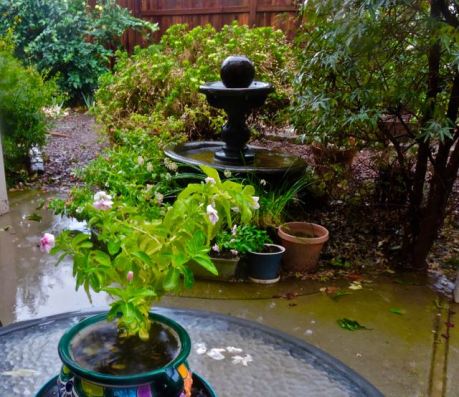
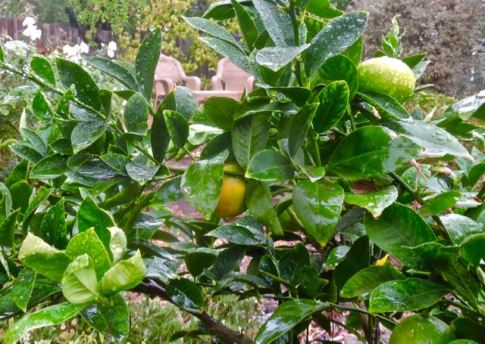
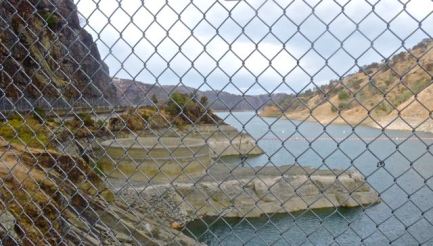

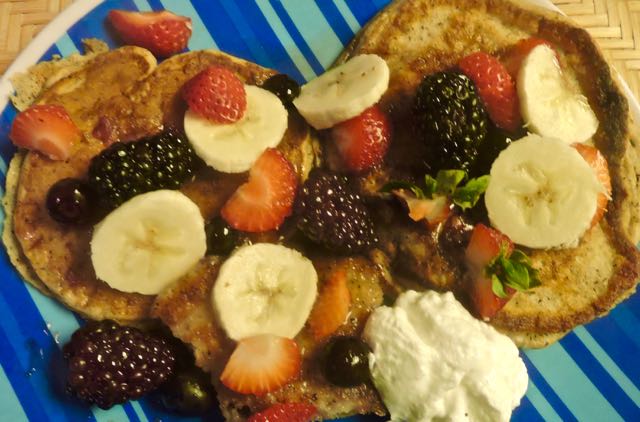
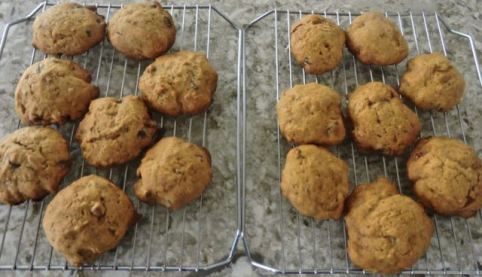
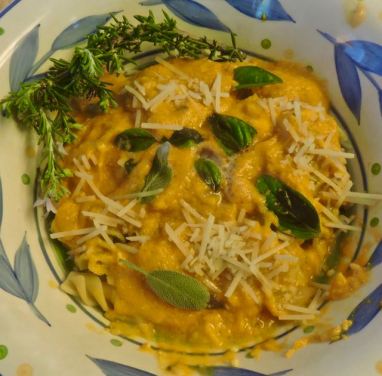


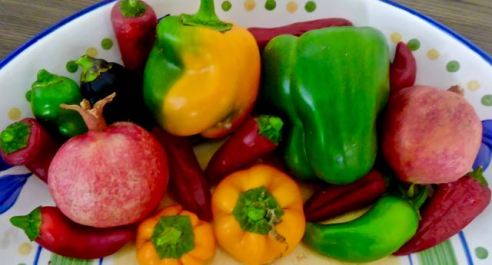




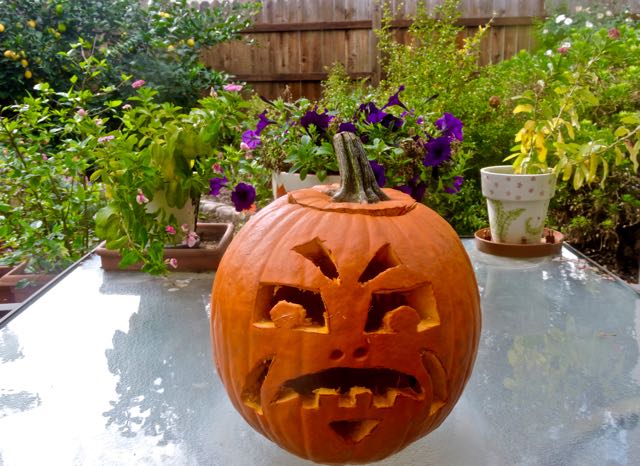
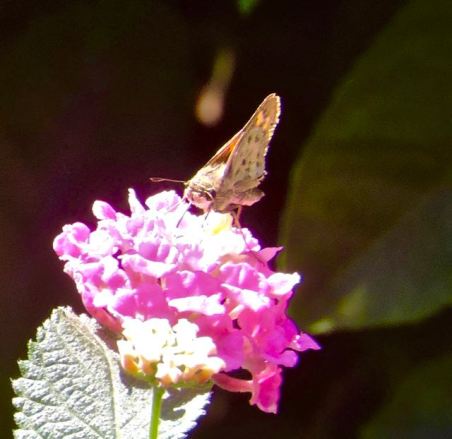


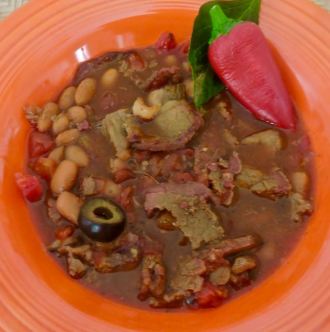

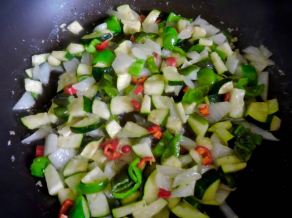
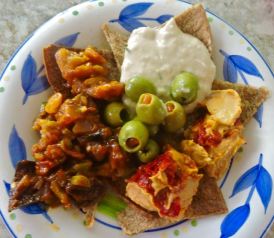
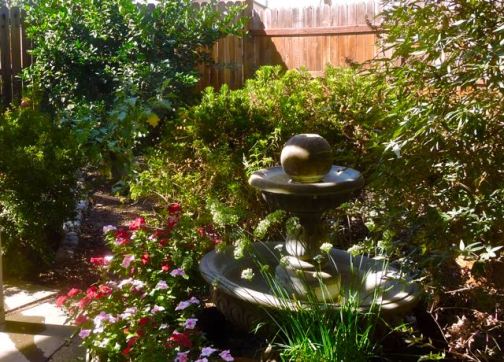
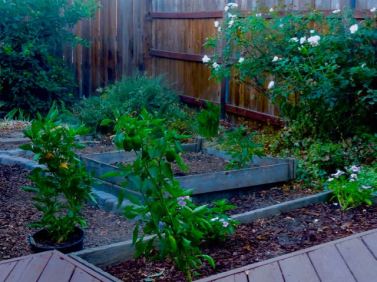
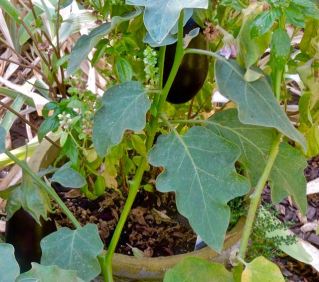


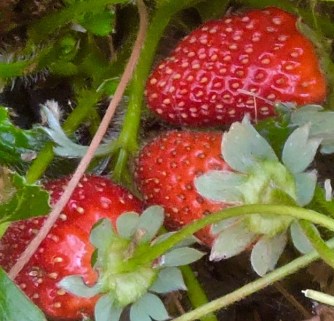


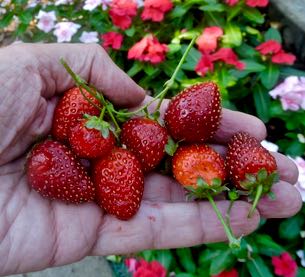
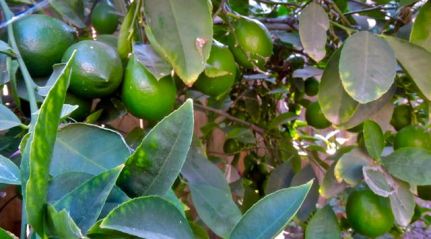


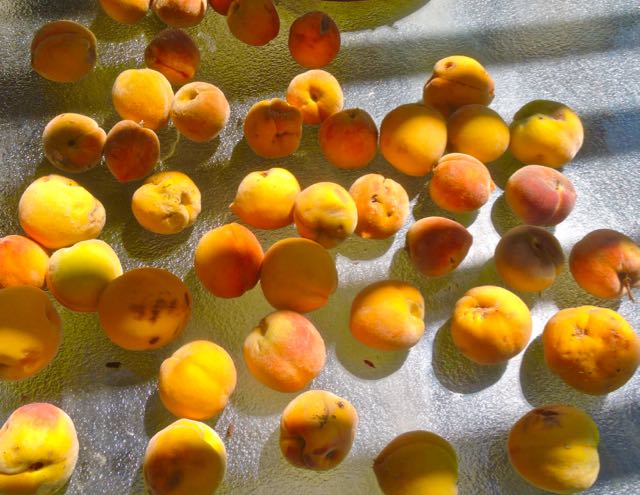
 Photo above from LA Times article, “Klamath farmers grow fish to quell a water war,” July 23, 2021.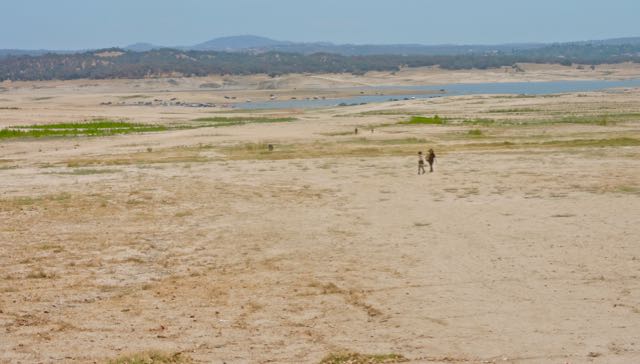
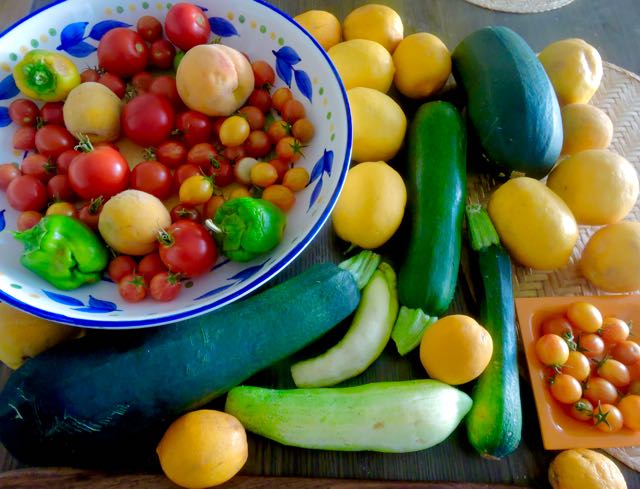
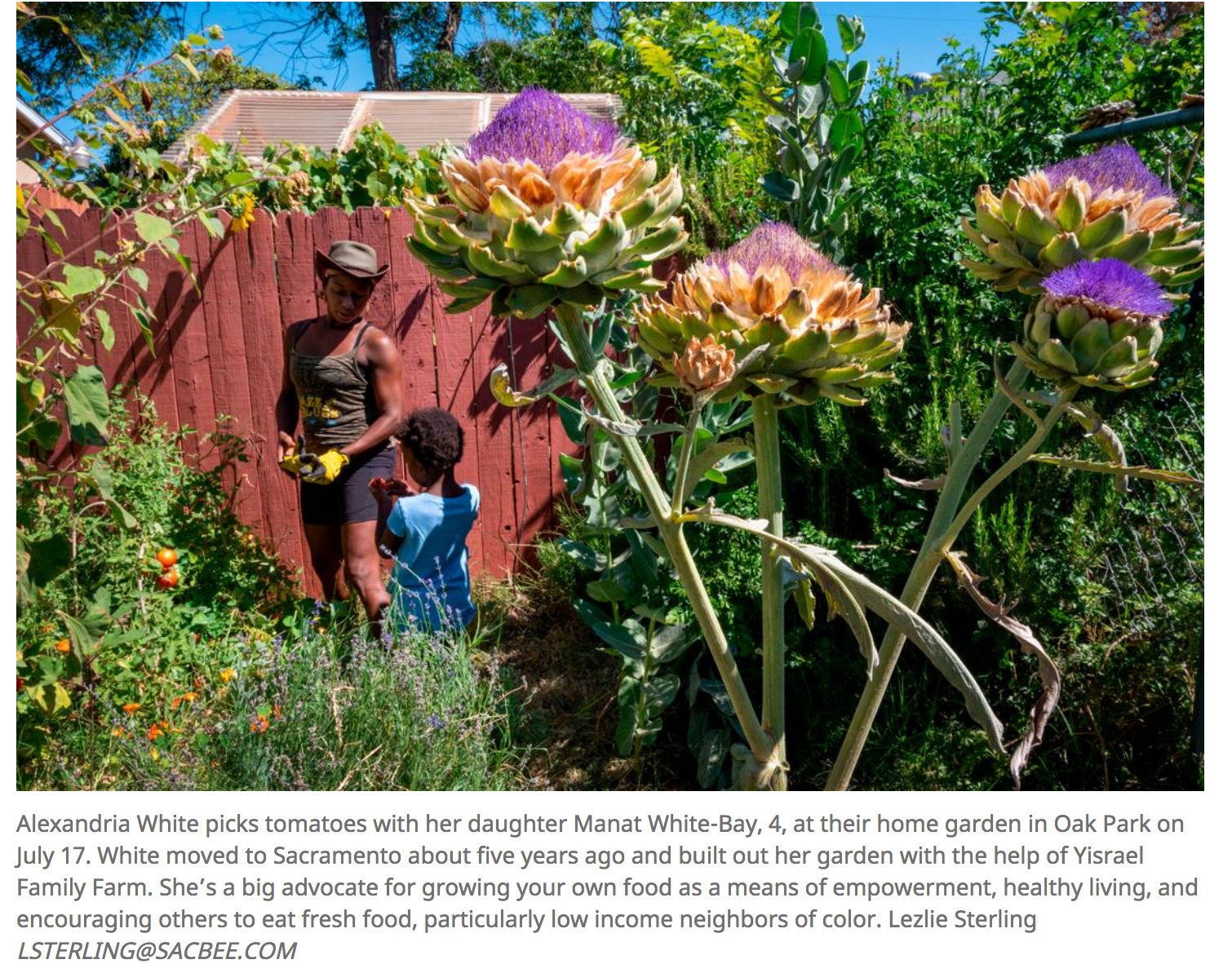

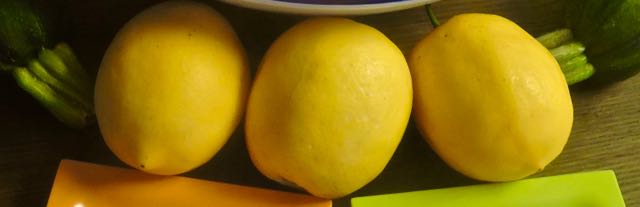 Eggplant: The two Black Beauty eggplants are a dilemma for me in this garden. As always, they are late fruiters, usually not forming fruit until July and sometimes not being fully grown until late August or September, even though the seedlings went into the ground in April. If it weren’t for the fact that these two keep showing gorgeous lavender and yellow flowers and broad light green leaves, I’d consider pulling them out in this season of scarce water. But I have hope for these beauties.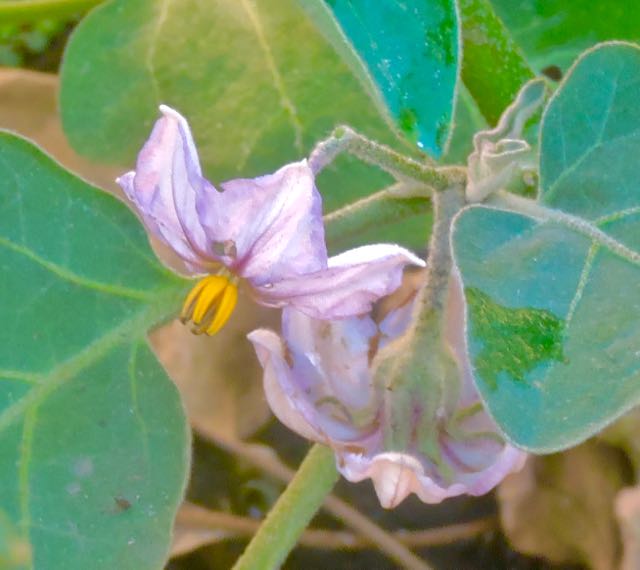


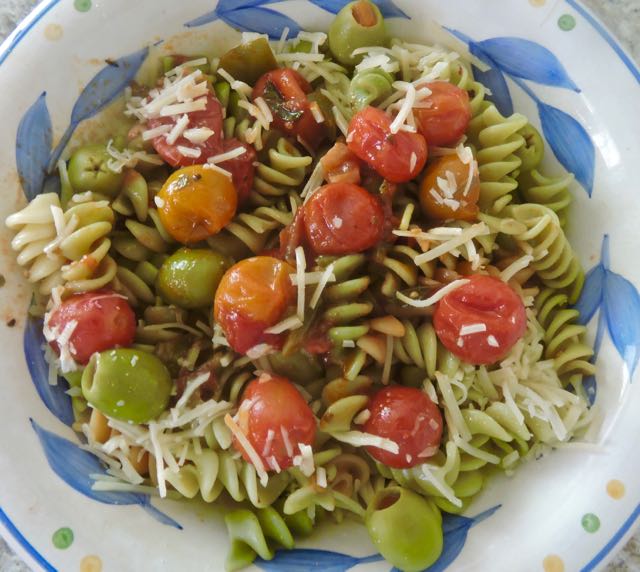
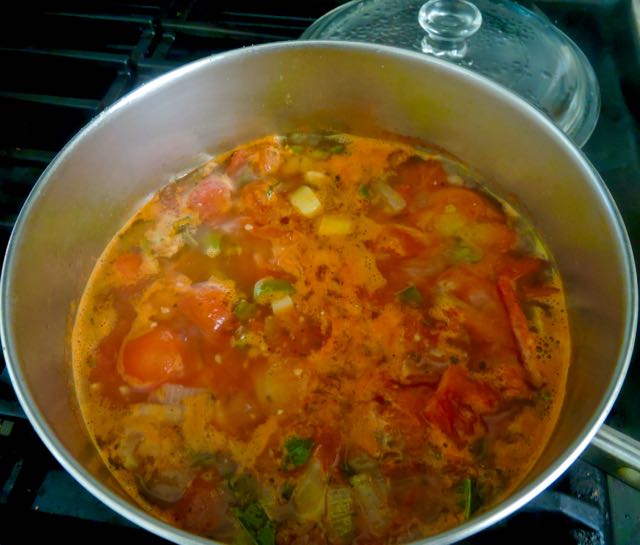



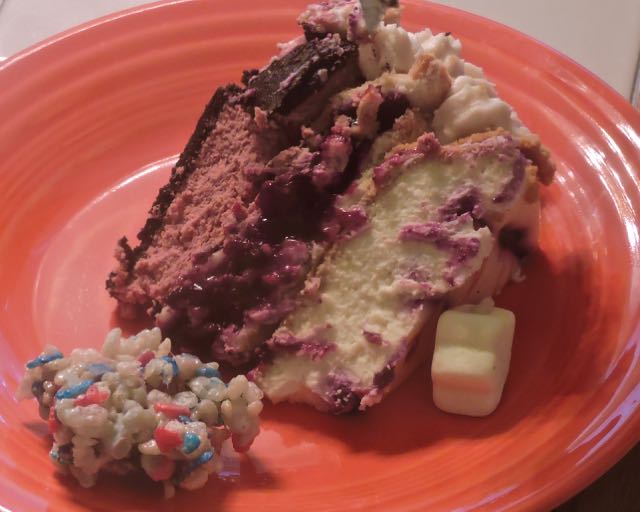
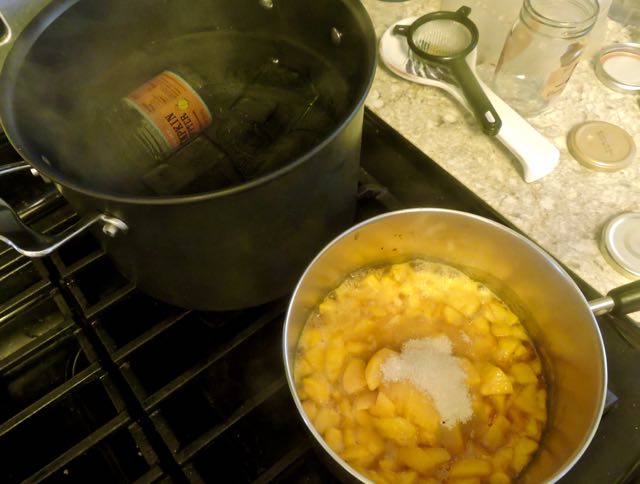
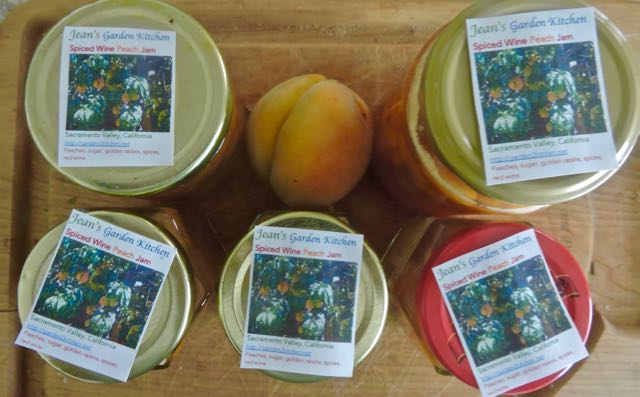



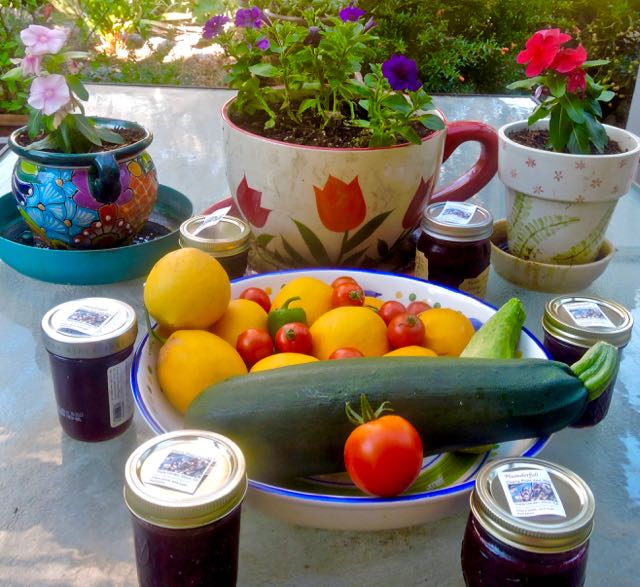
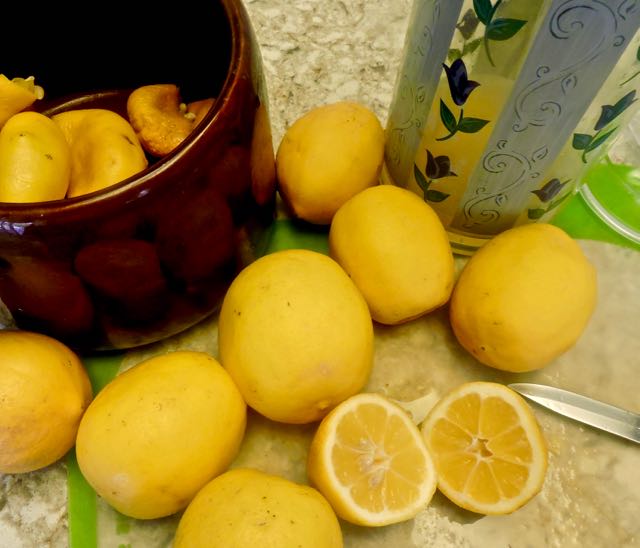


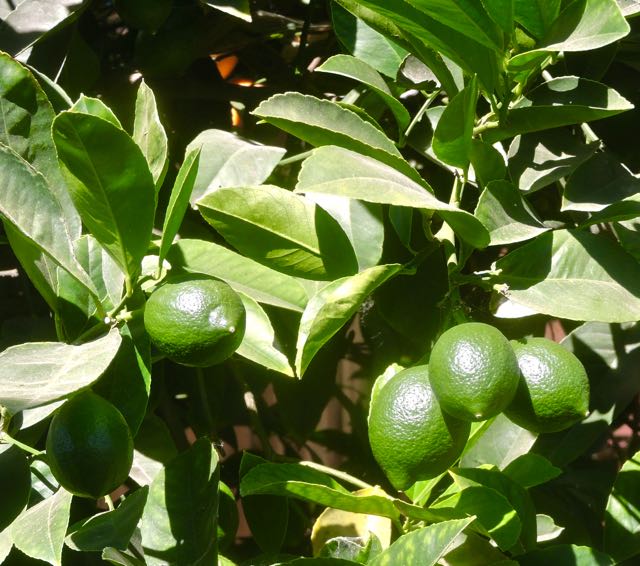
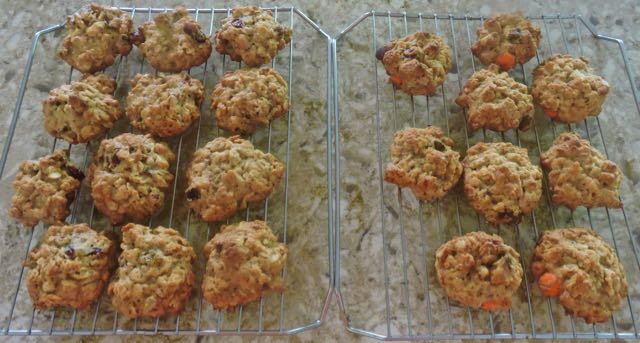 Two types of oatmeal cookies: (1) with walnuts, raisins, dates, and dried cranberries (left) and (2) with chocolate chips, Reese’s pieces, and walnuts (right).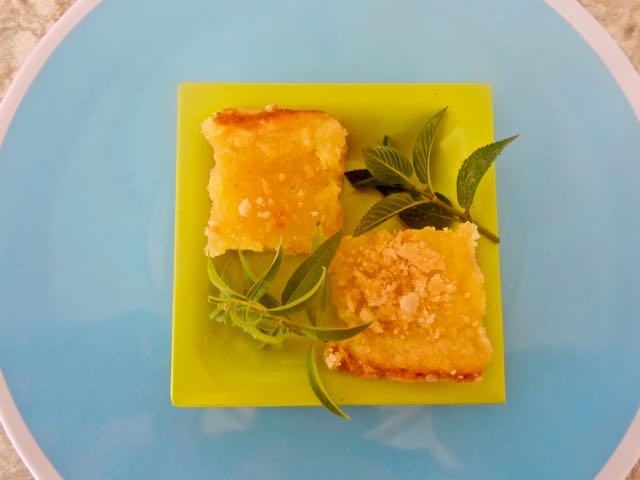
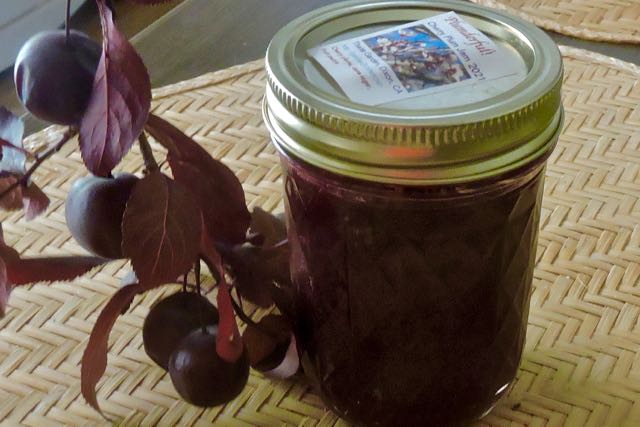
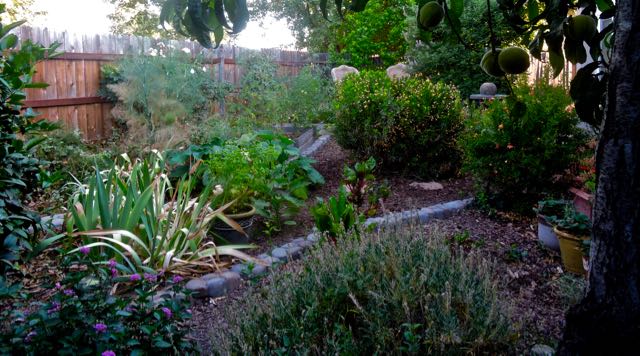


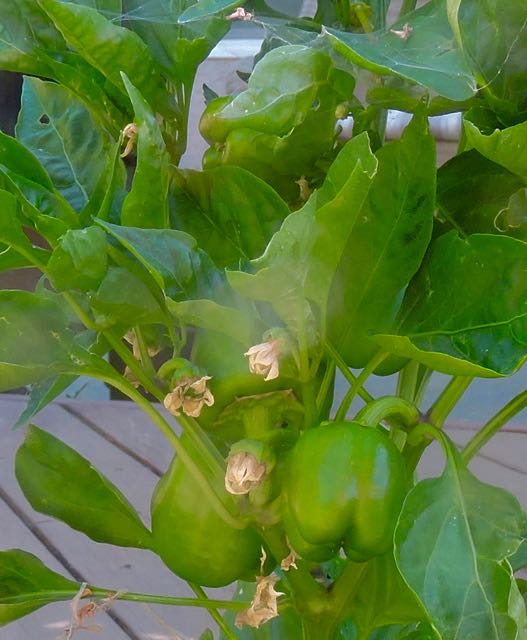


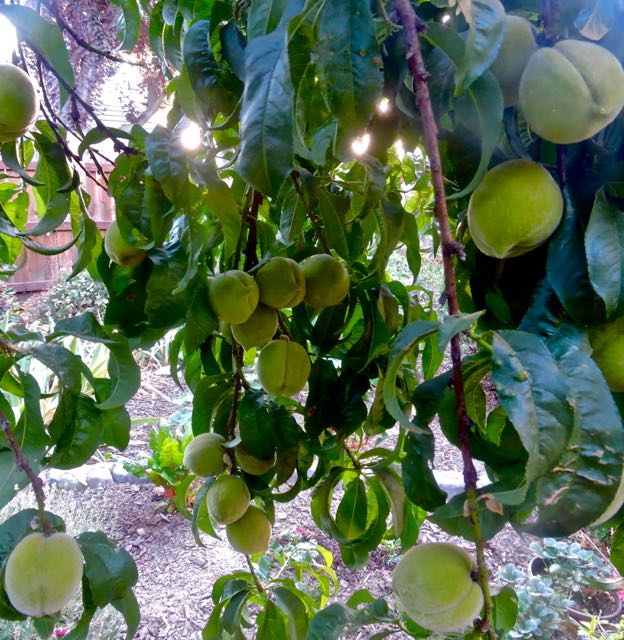


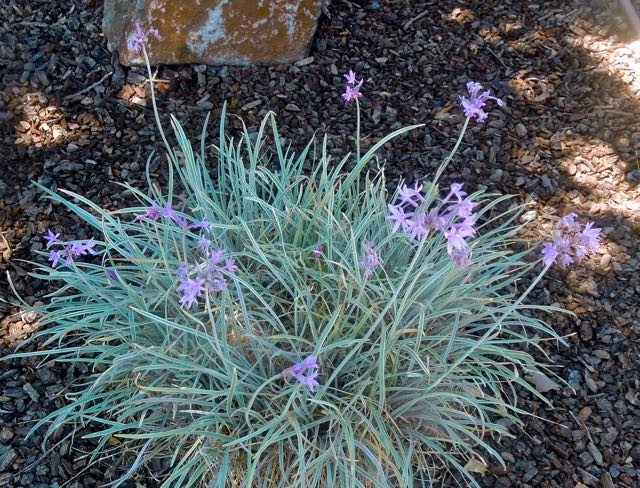
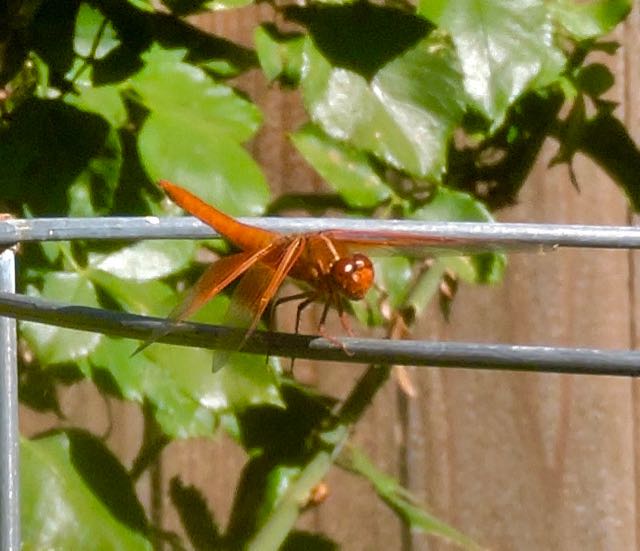
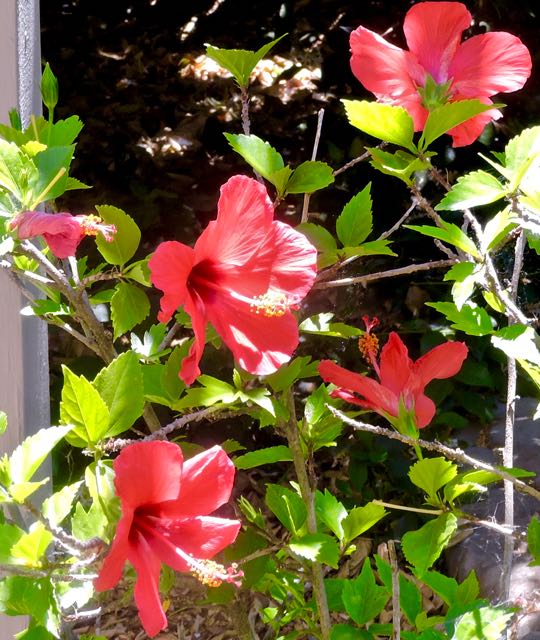
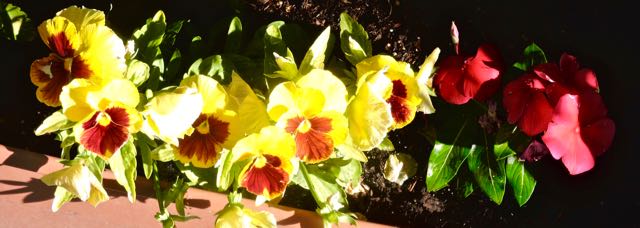
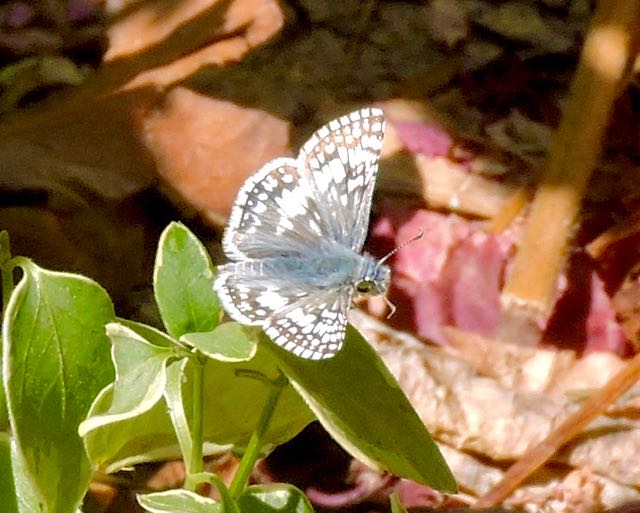
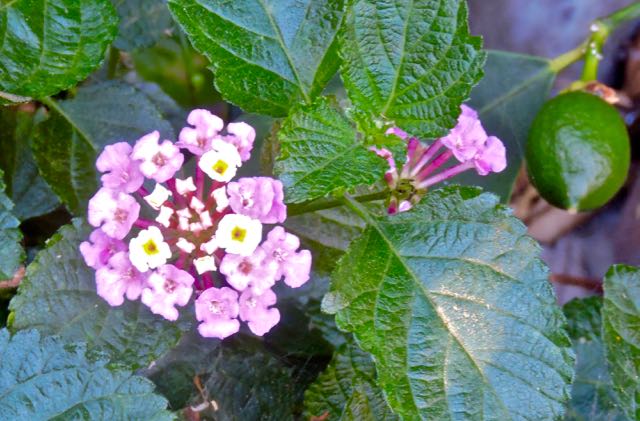
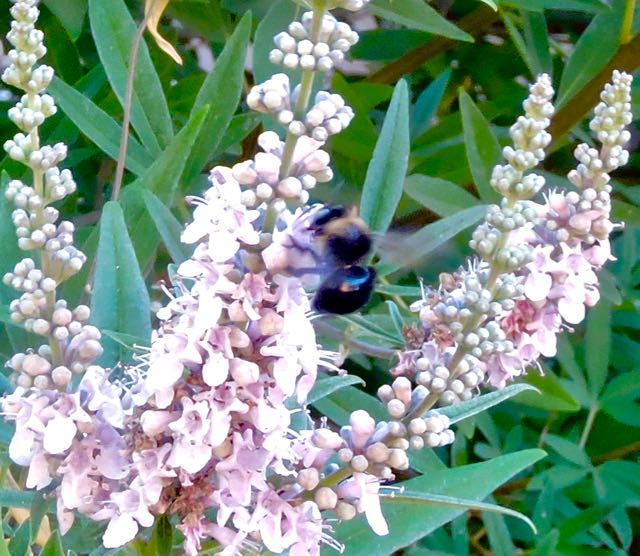
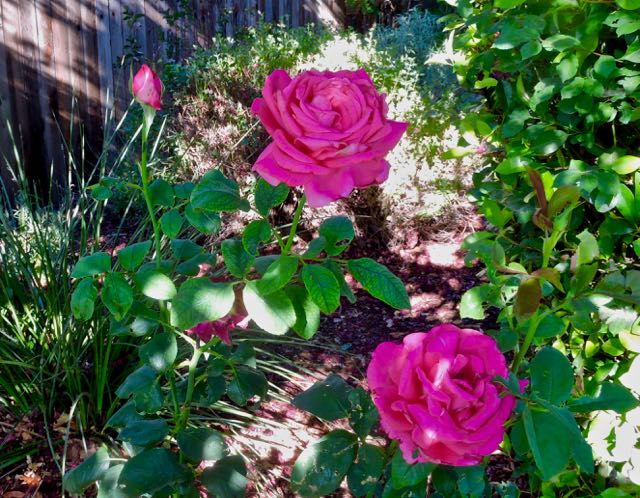
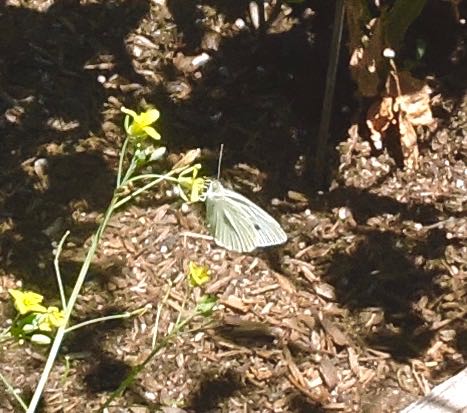
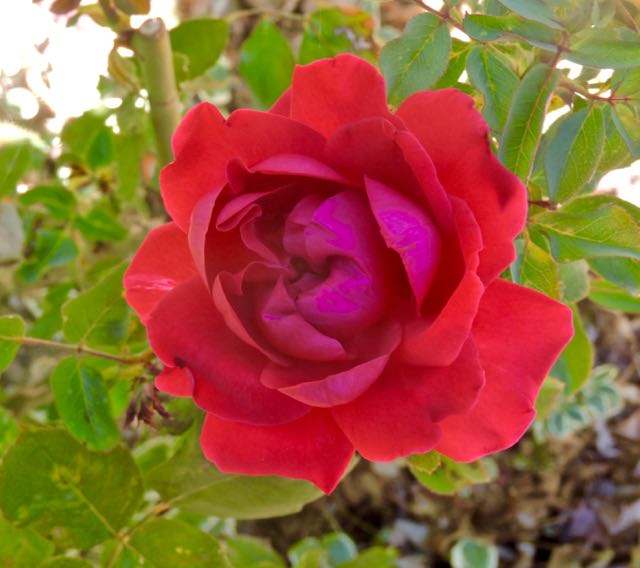
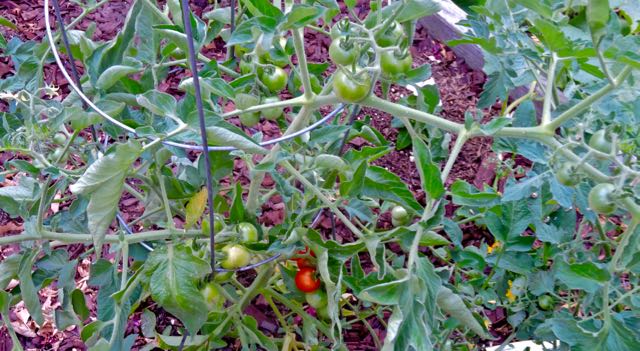
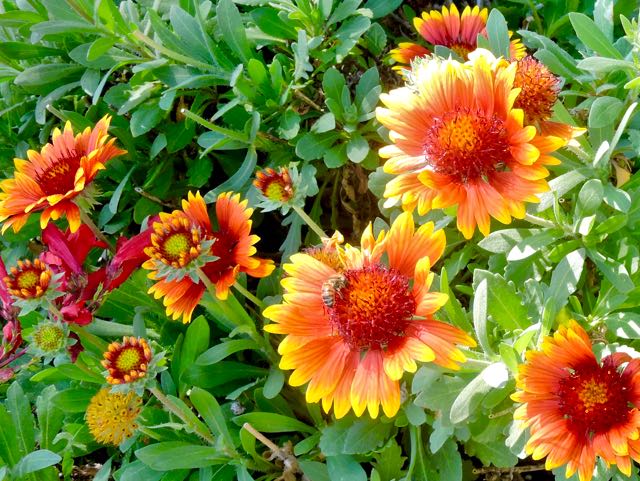
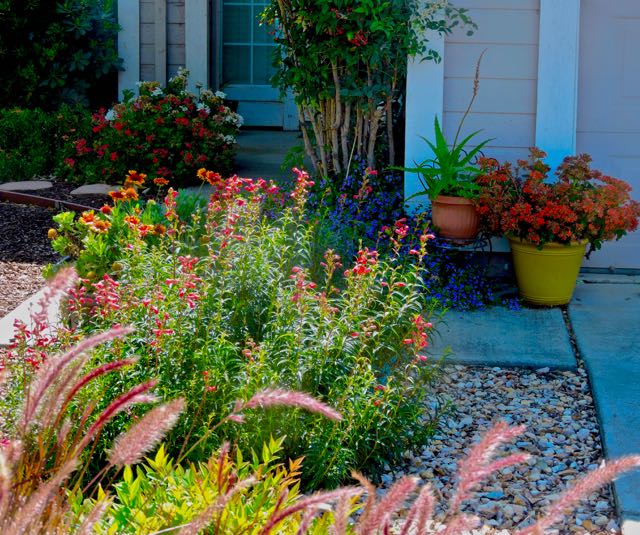
 Still, the worldwide prognosis is not so rosy. Yes, the vaccines work, but we rich nations must distribute them to all parts of the world. Part of the new normal is recognizing that viruses will keep mutating and strengthening as long as there are hosts. That fact means that today’s victory in the most prosperous parts of the world can be turned to disaster everywhere if we don’t keep up the good work for all the world’s peoples.


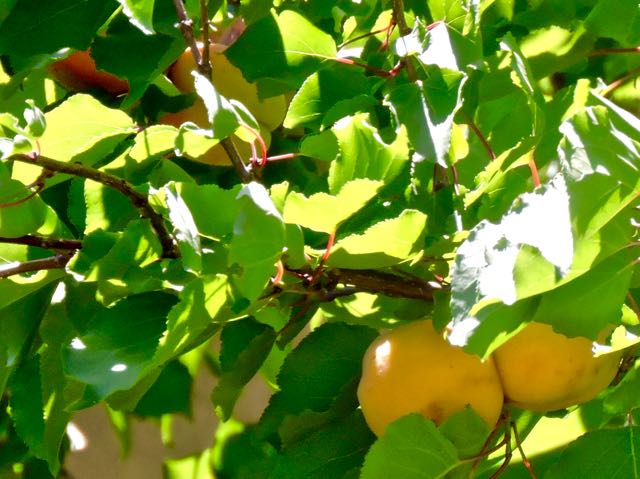
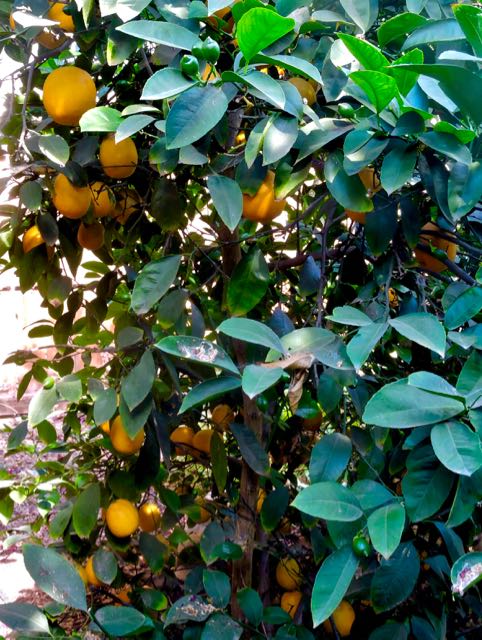
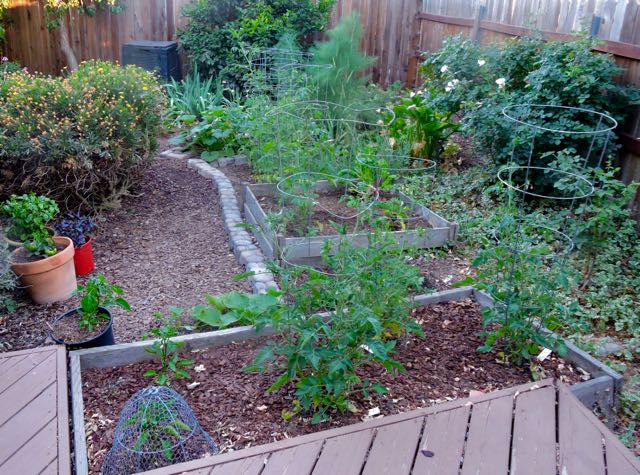

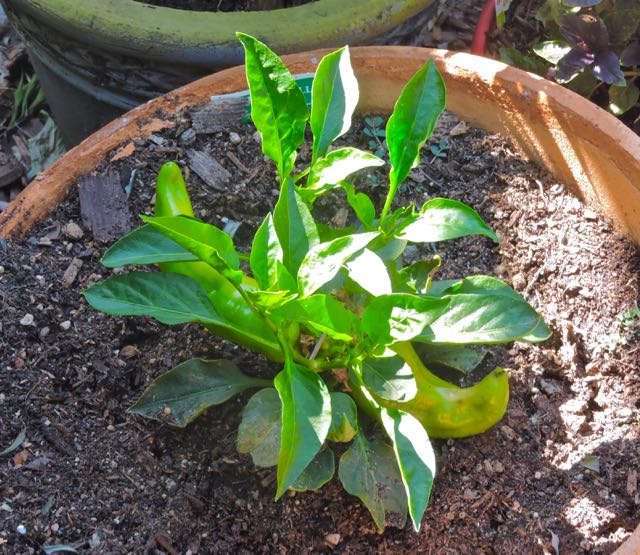
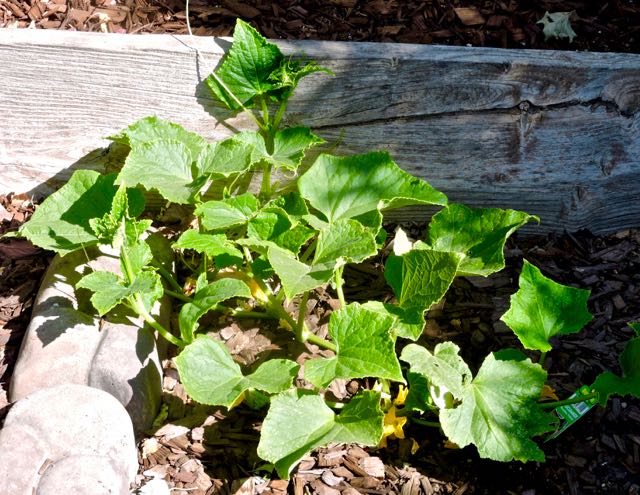
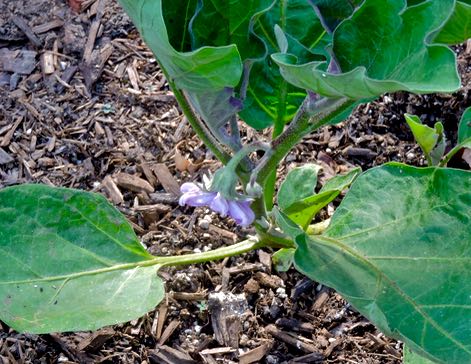


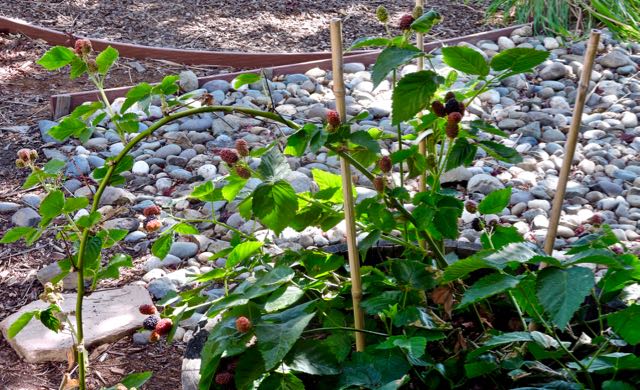


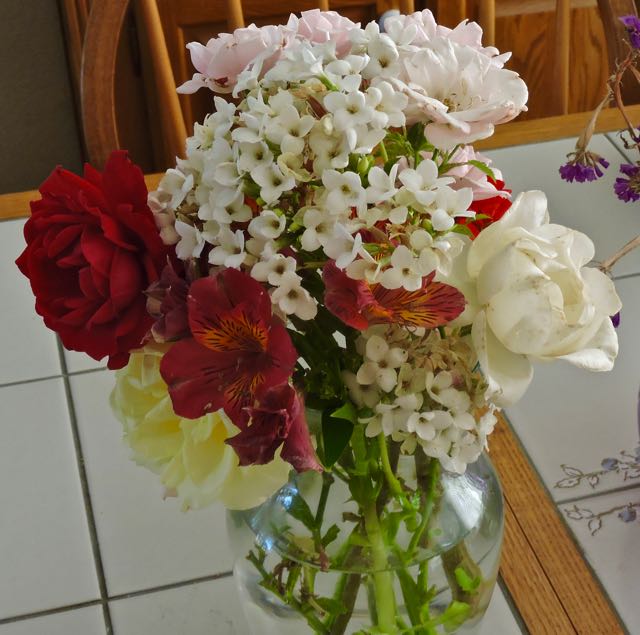
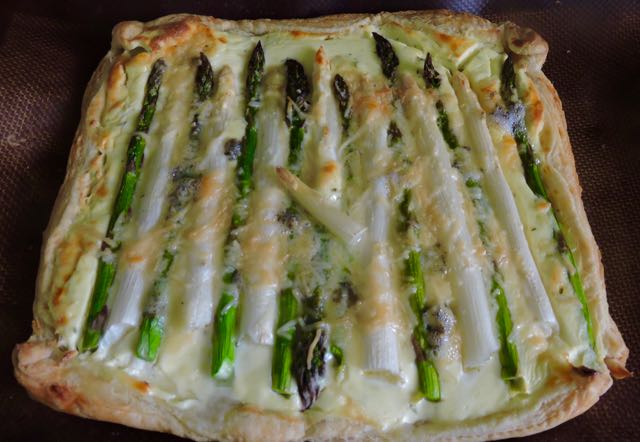
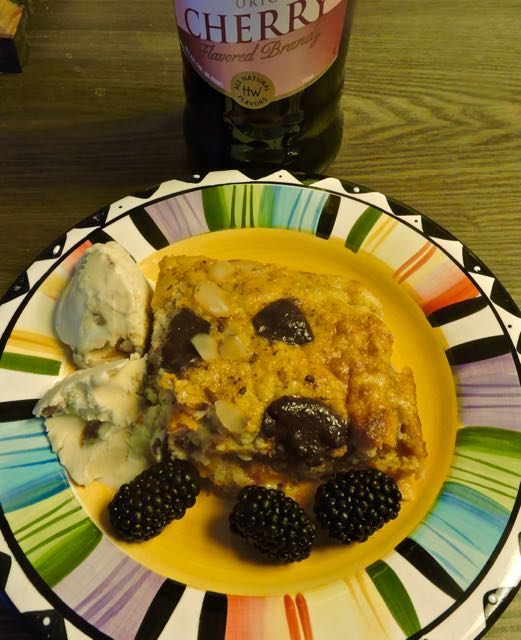
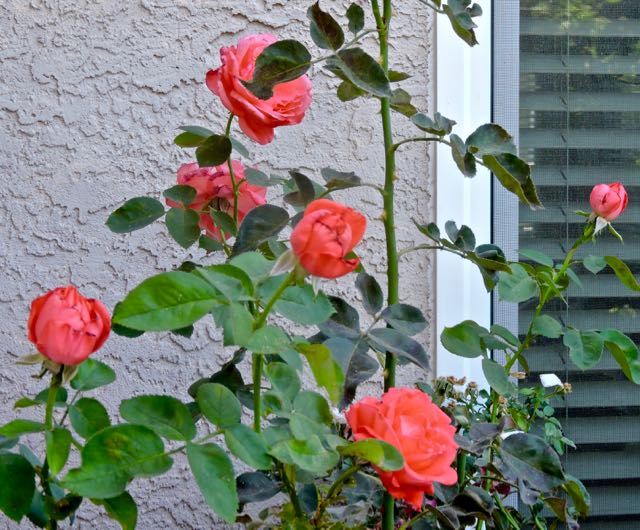
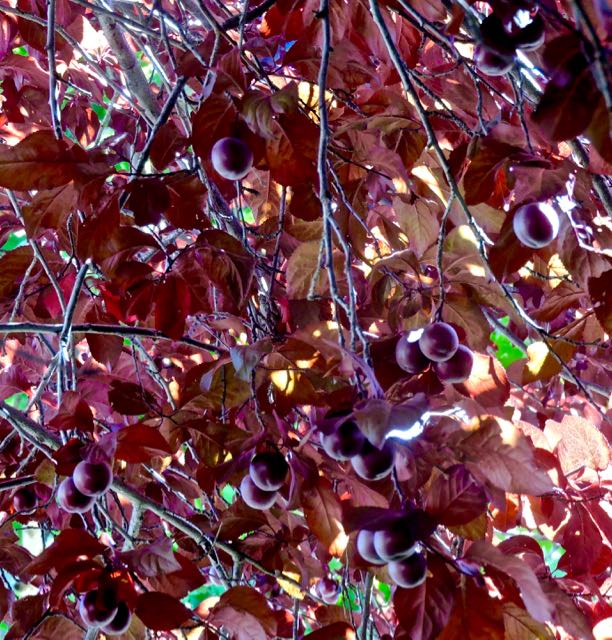
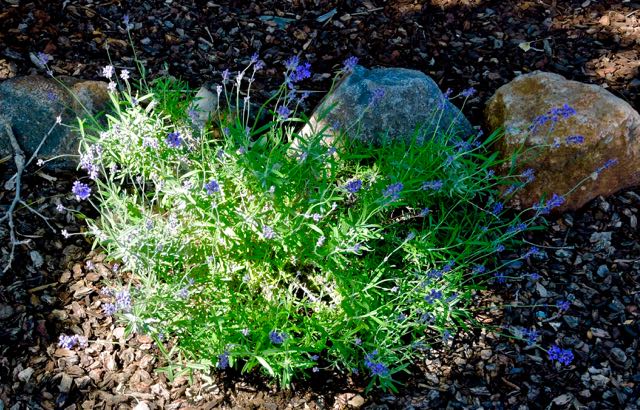

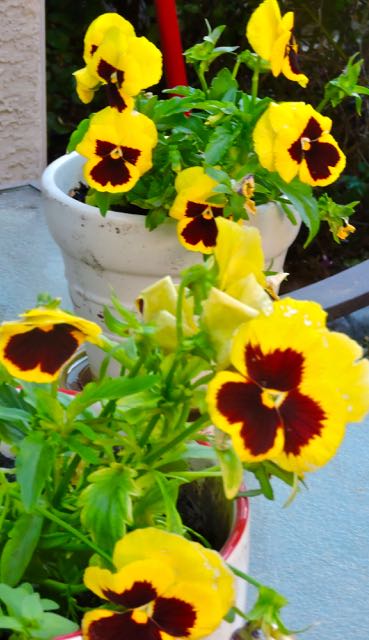
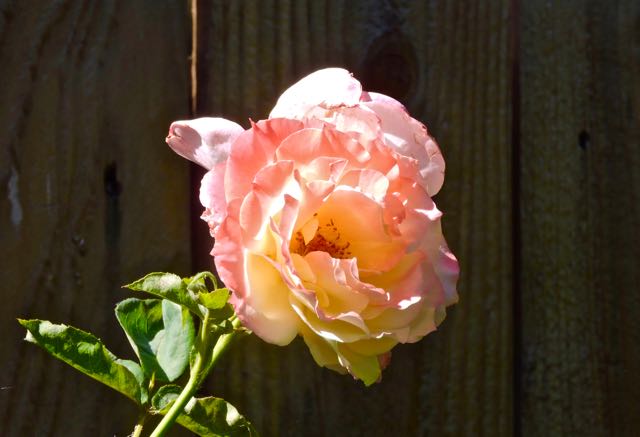

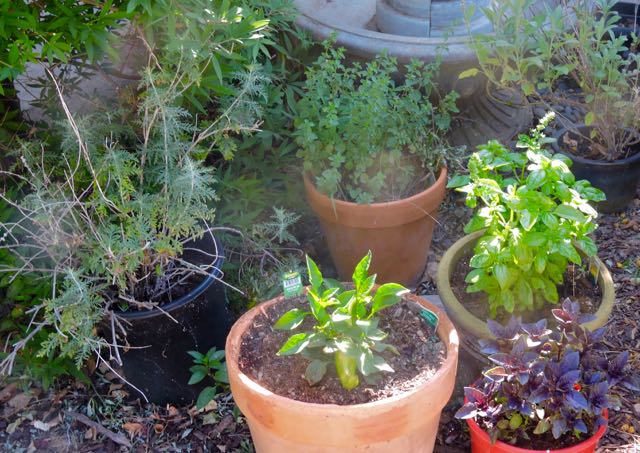
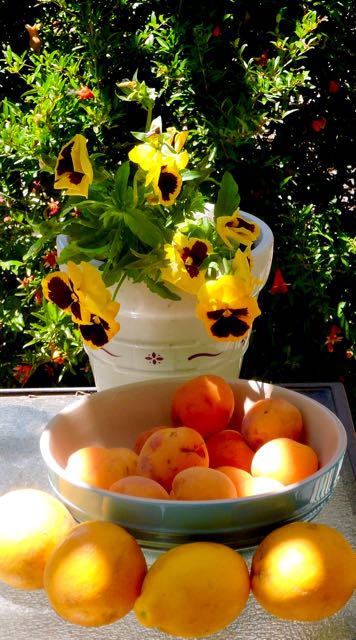
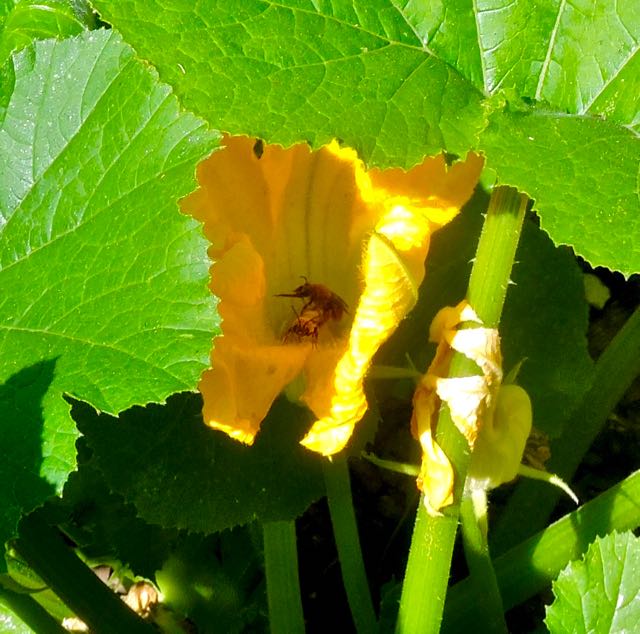

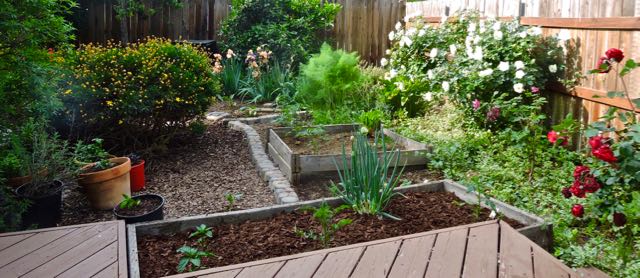
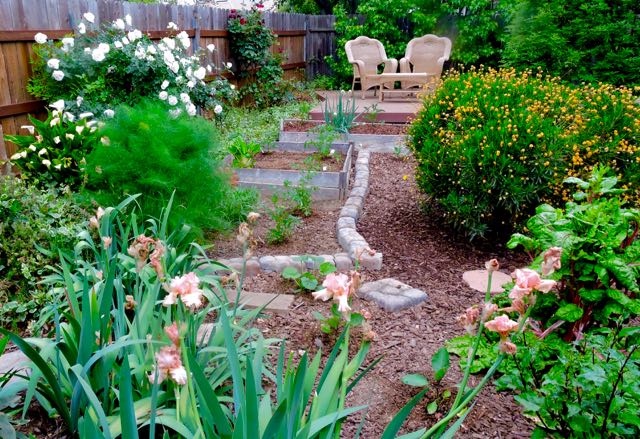
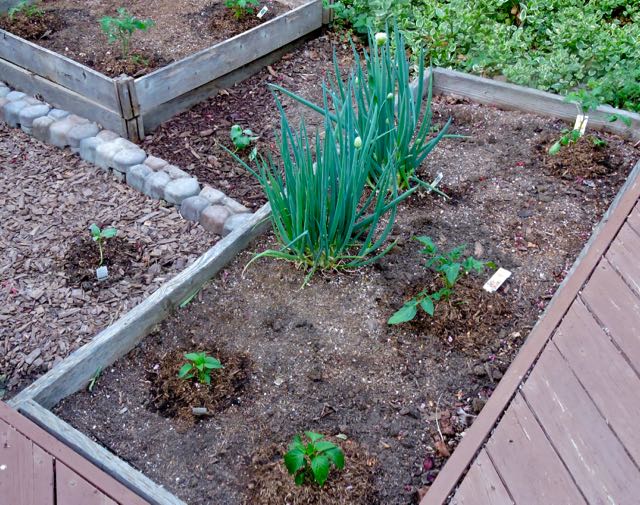

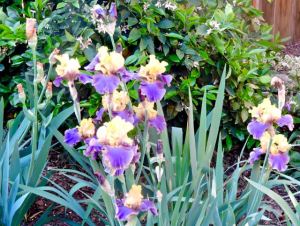
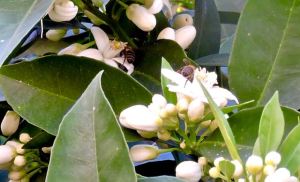

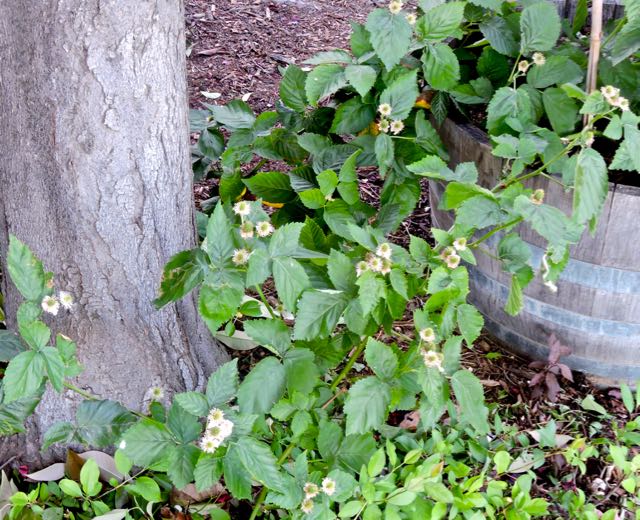


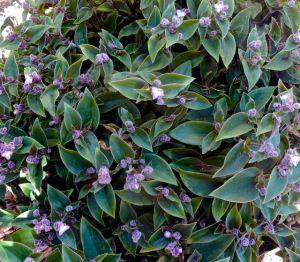
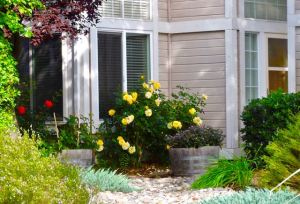
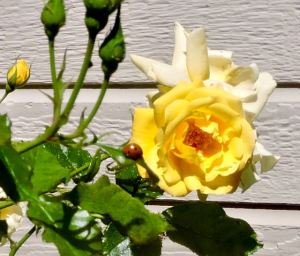
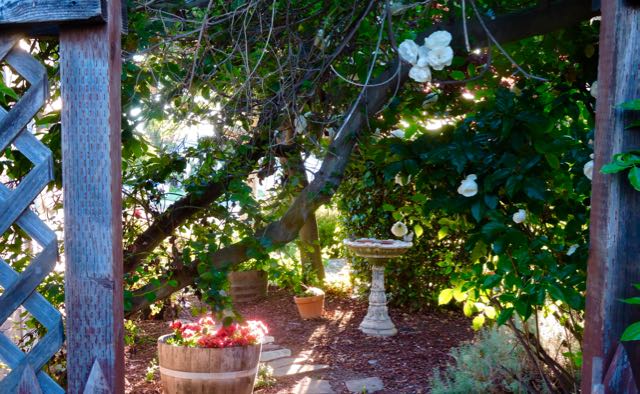

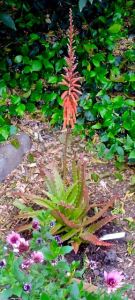
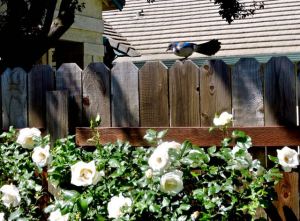
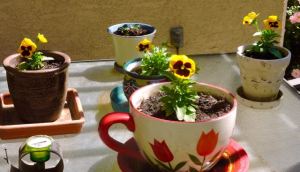
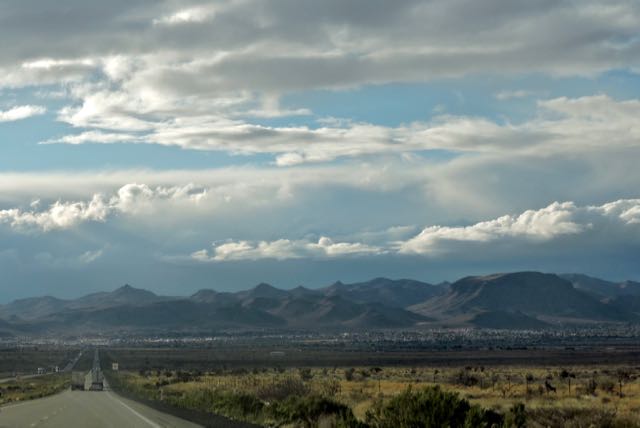




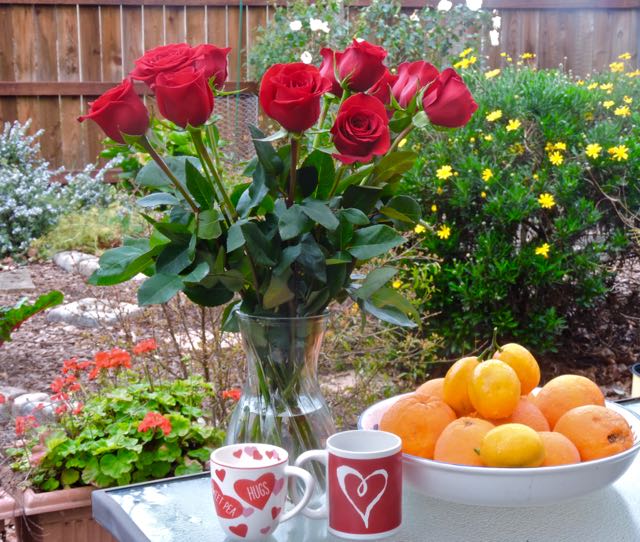
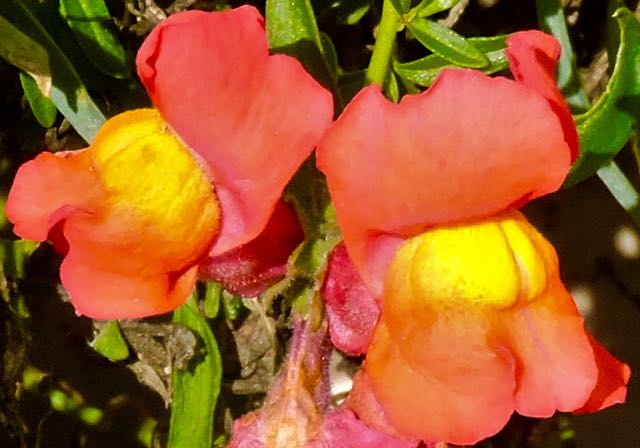
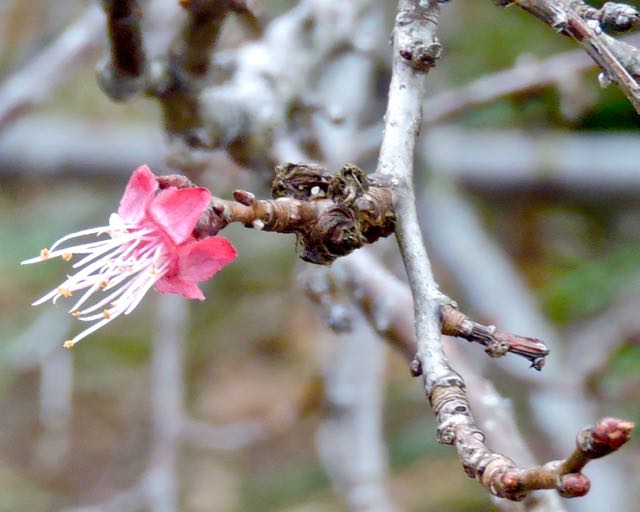
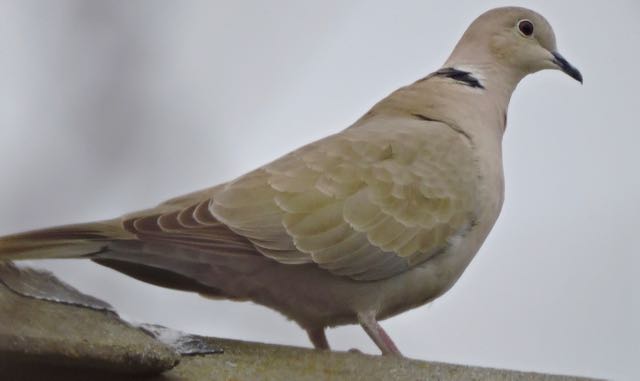
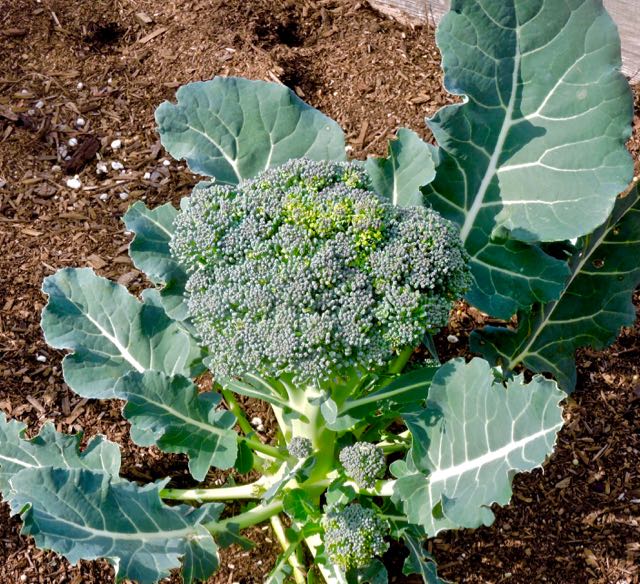
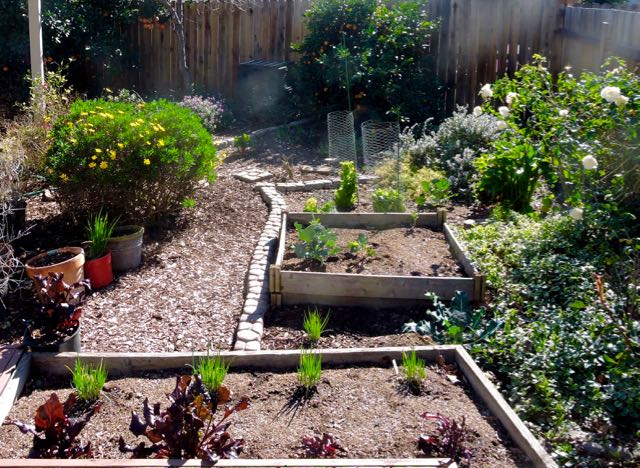
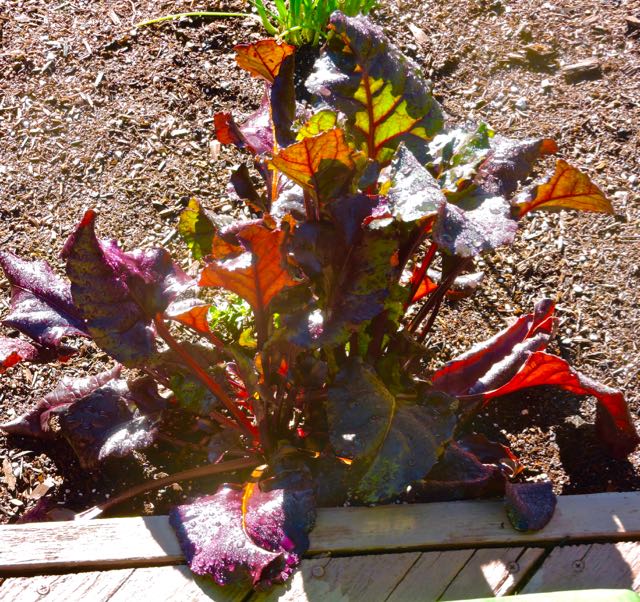




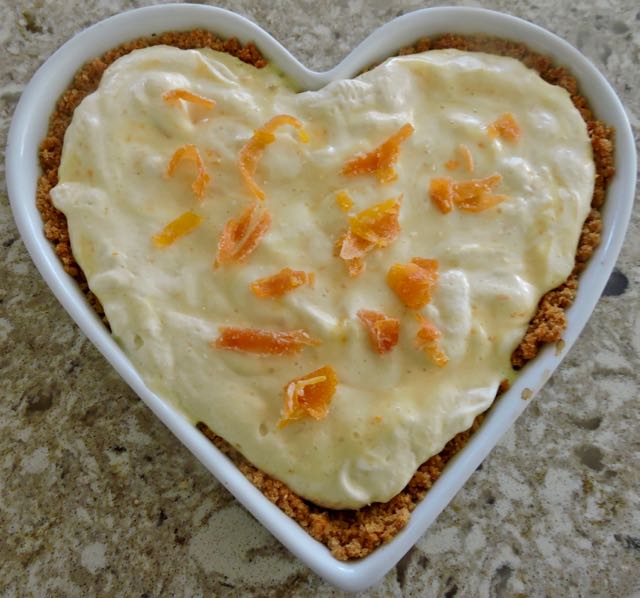
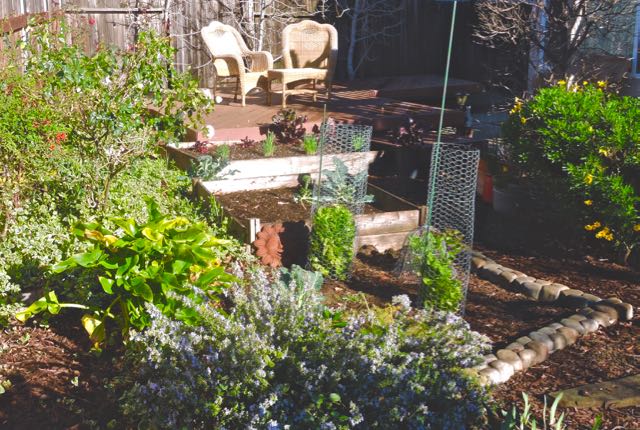
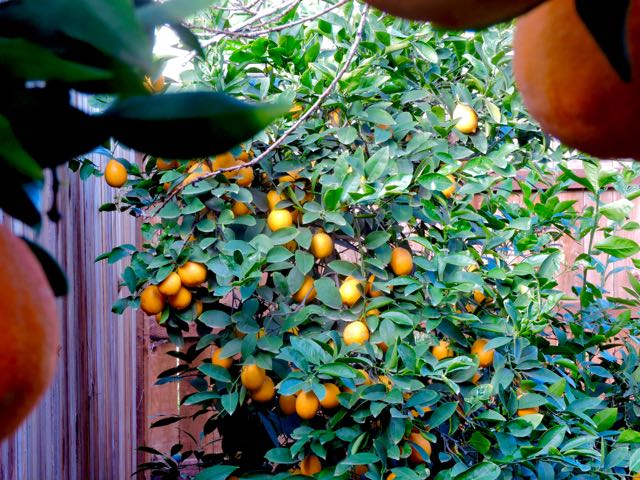
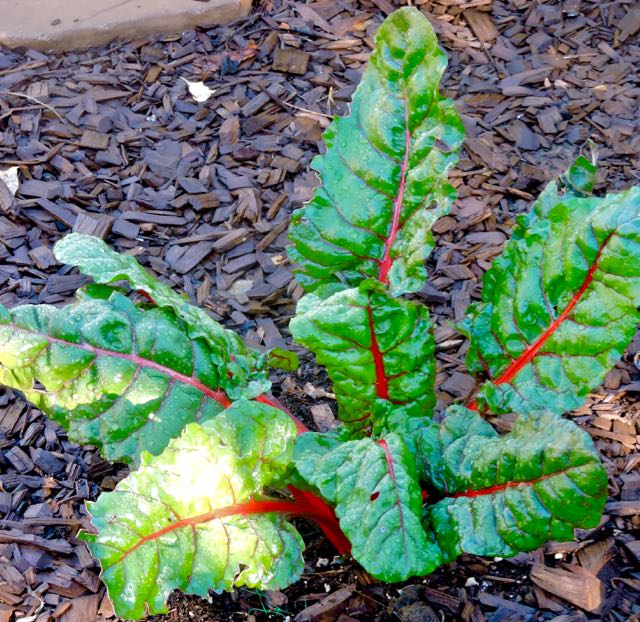
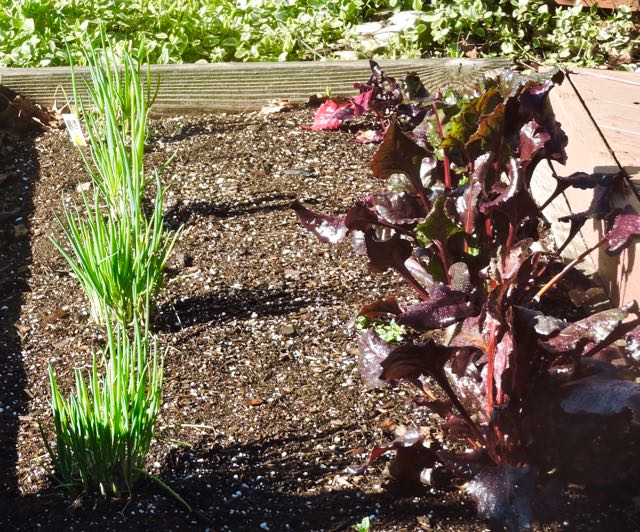
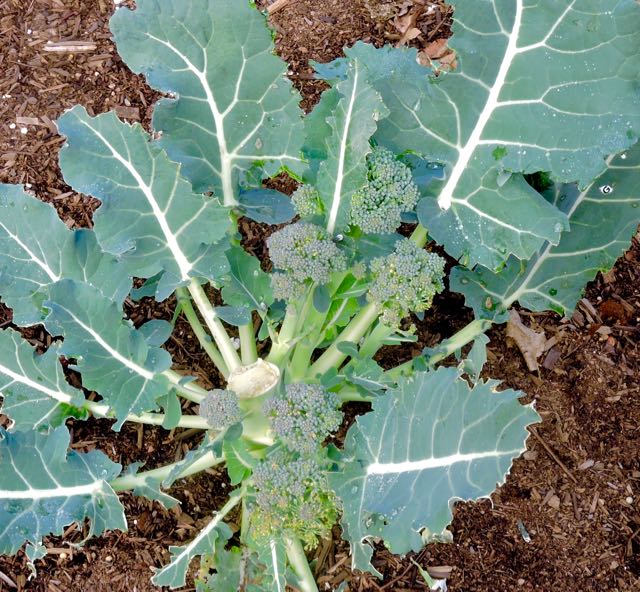
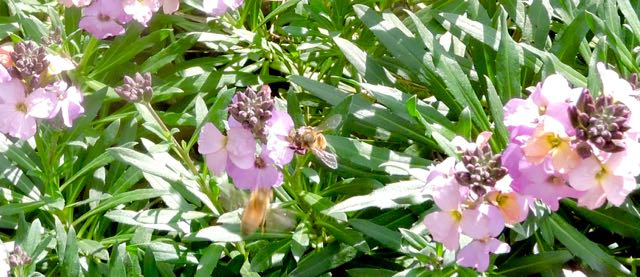
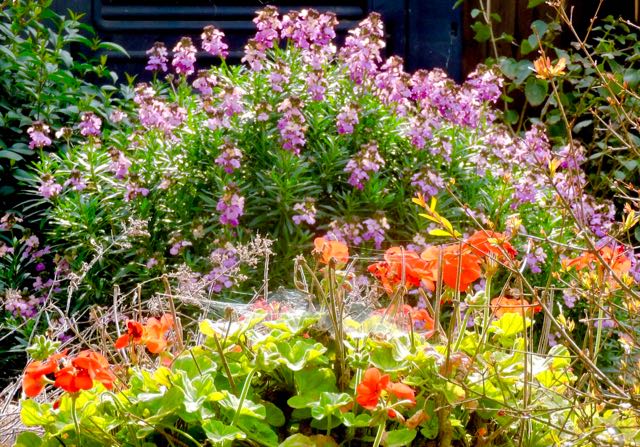
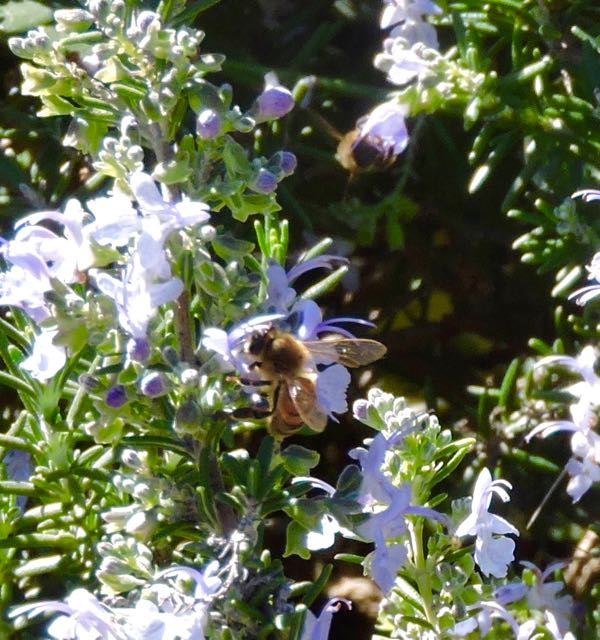
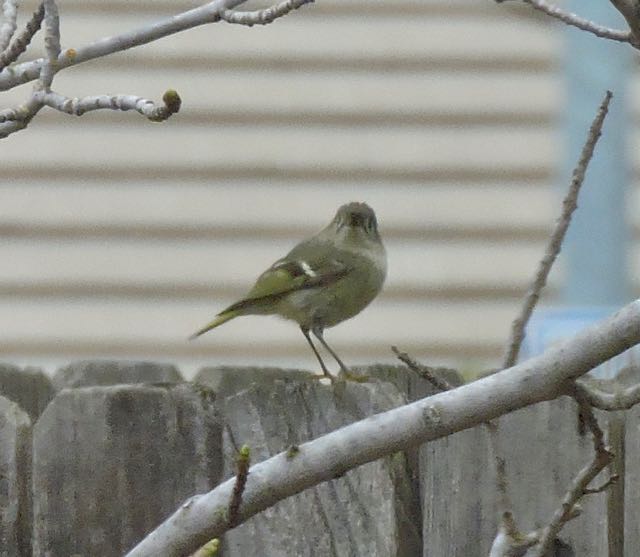
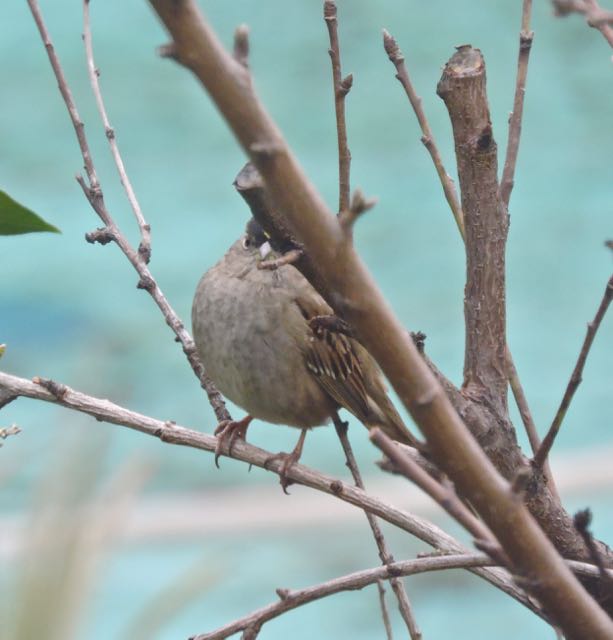
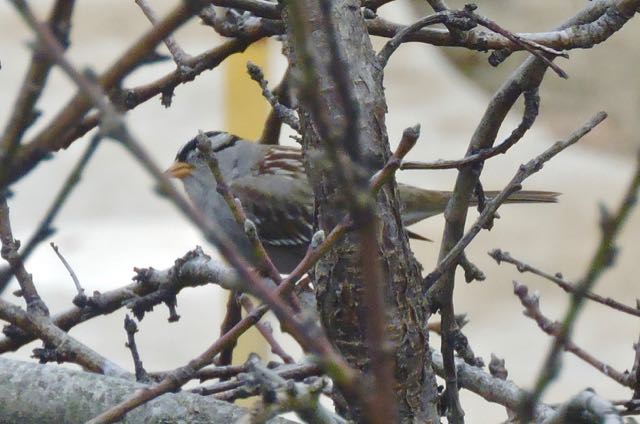
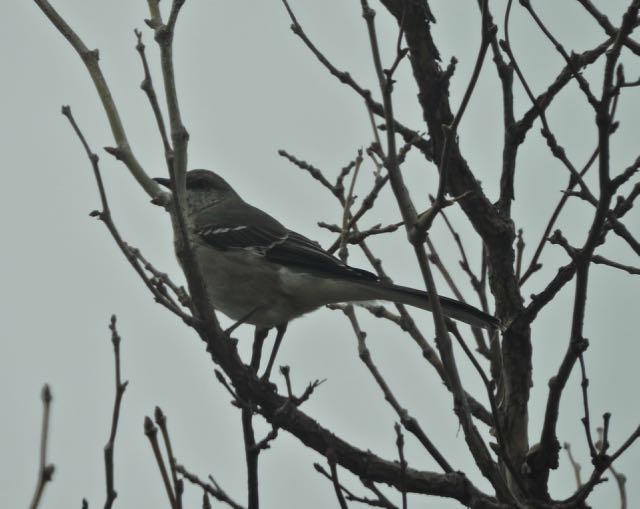
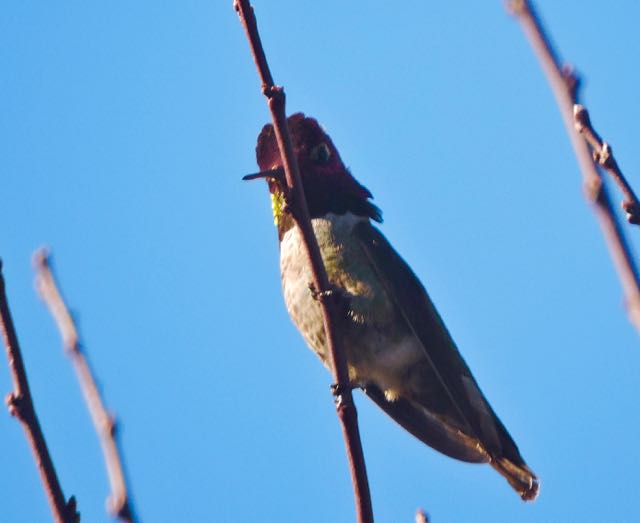
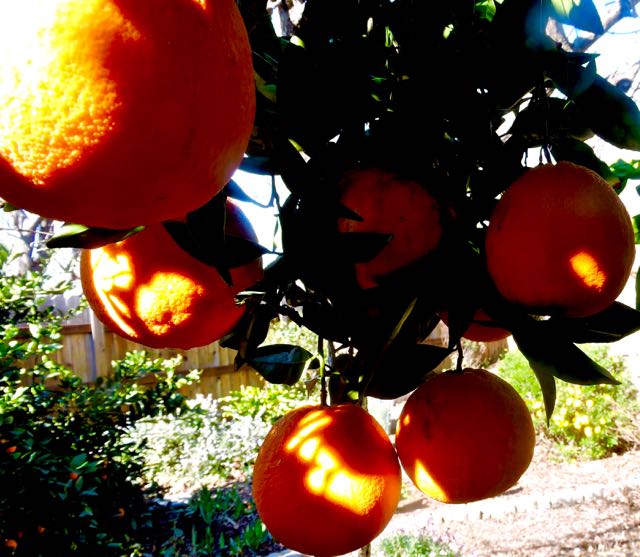
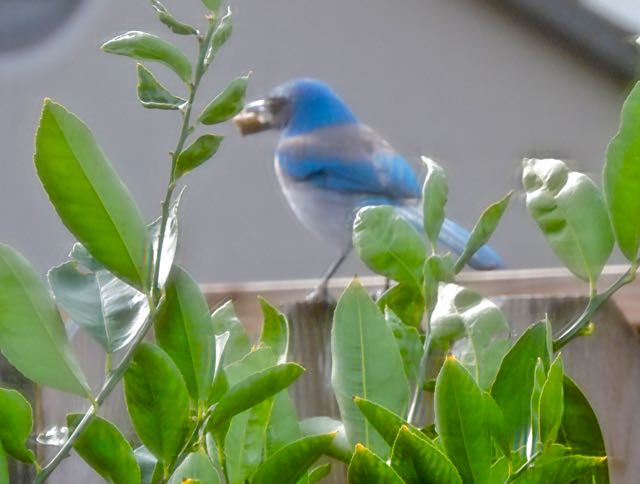
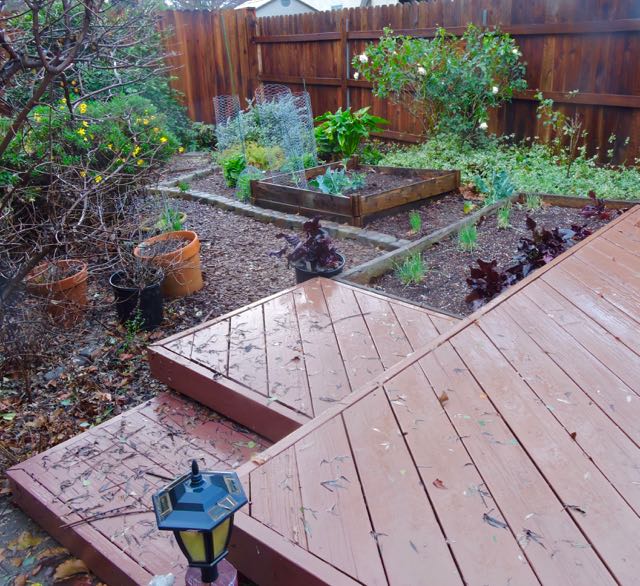


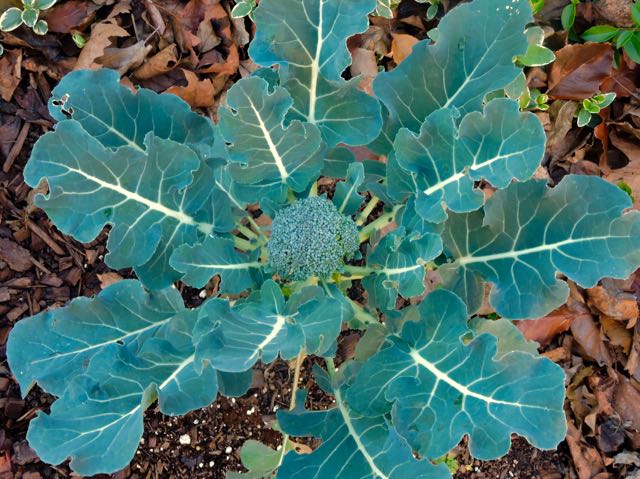


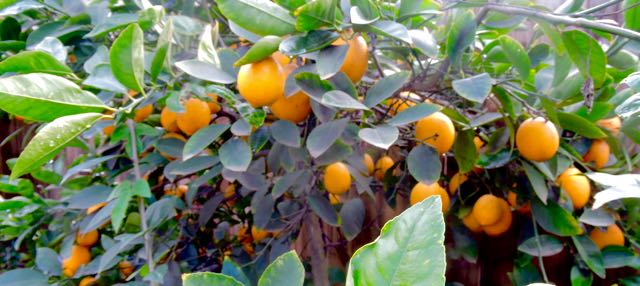
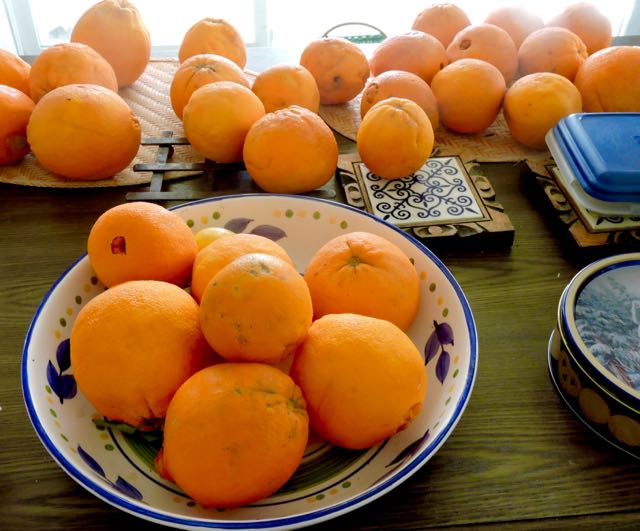
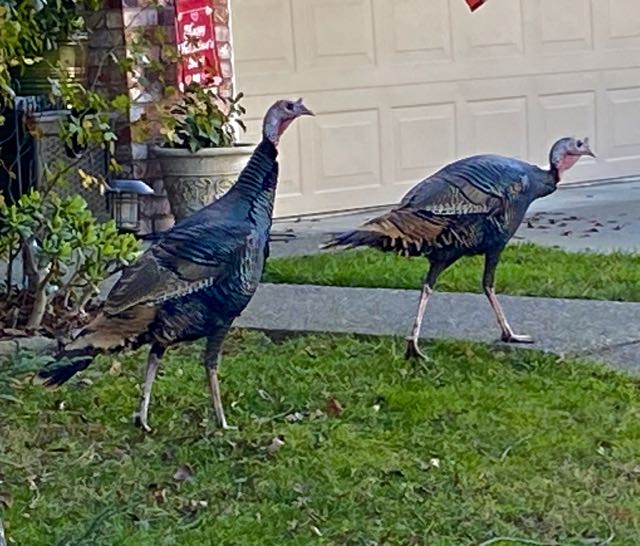
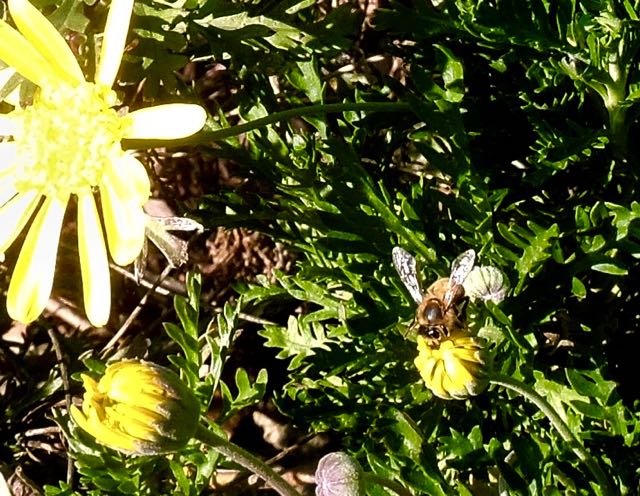
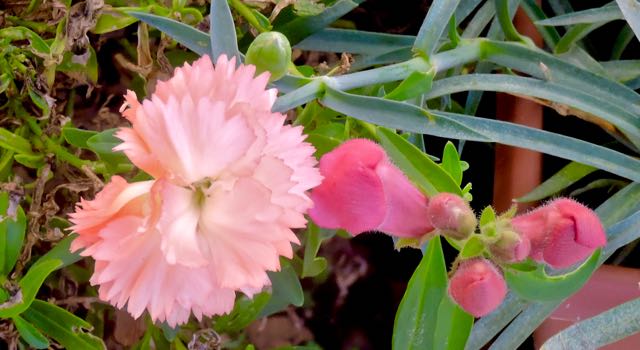
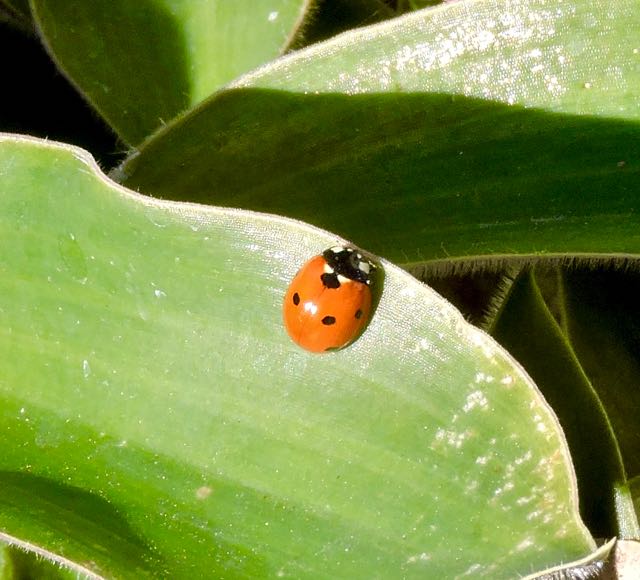
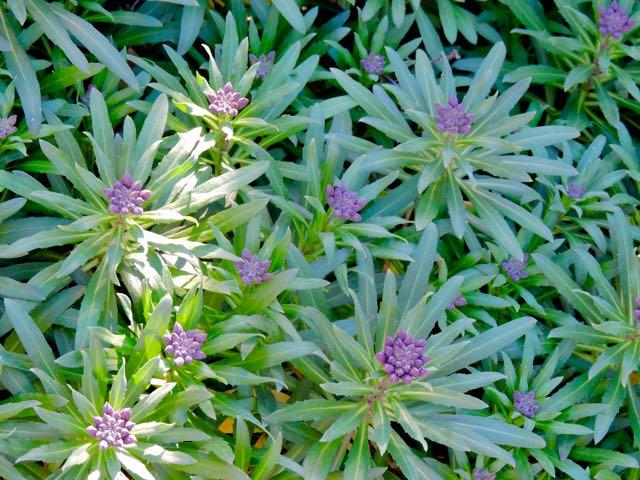
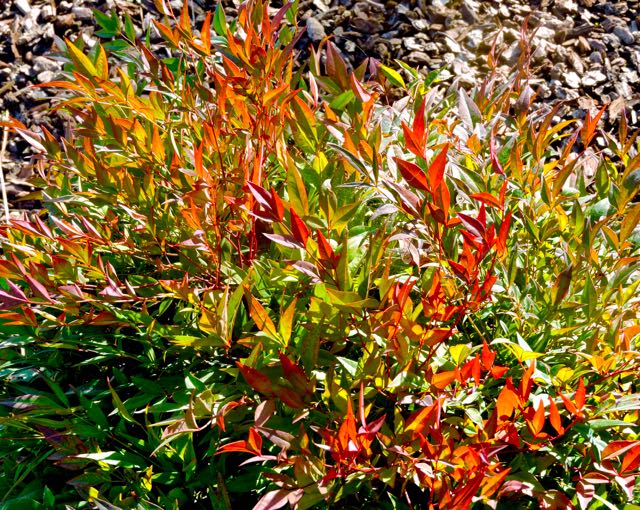
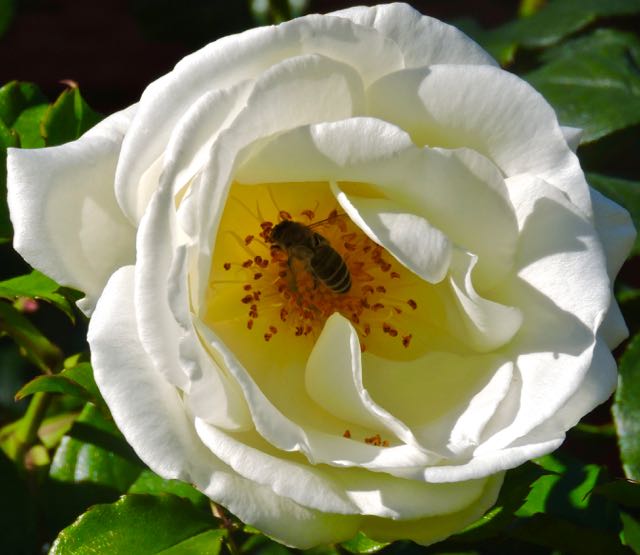
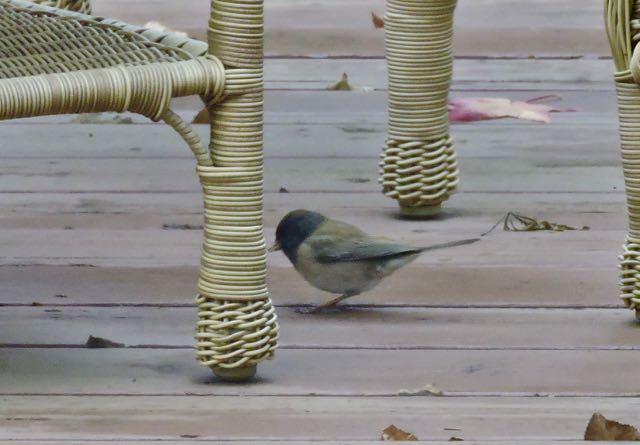
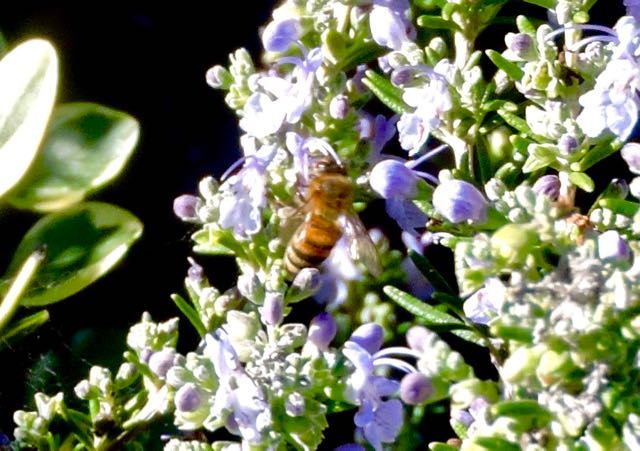
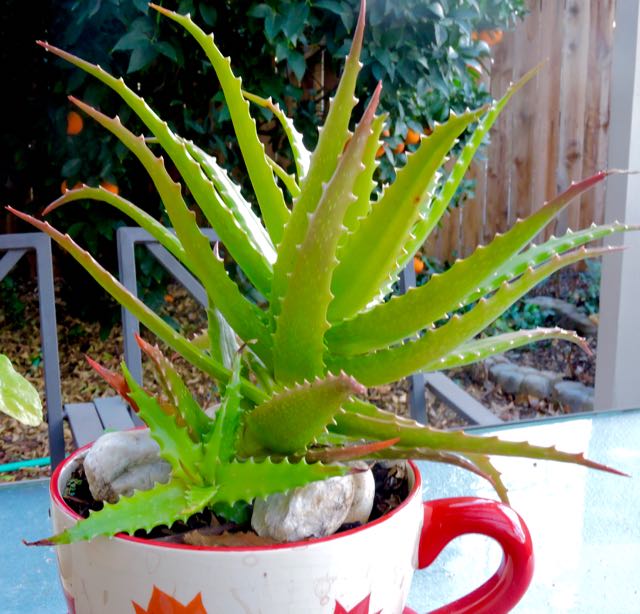
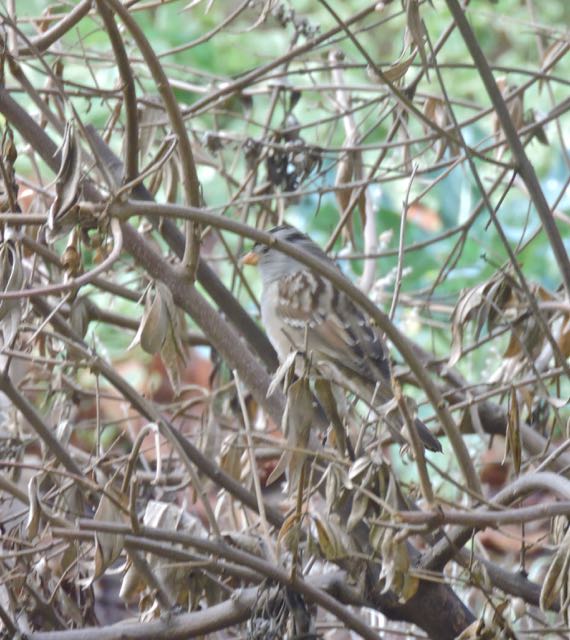
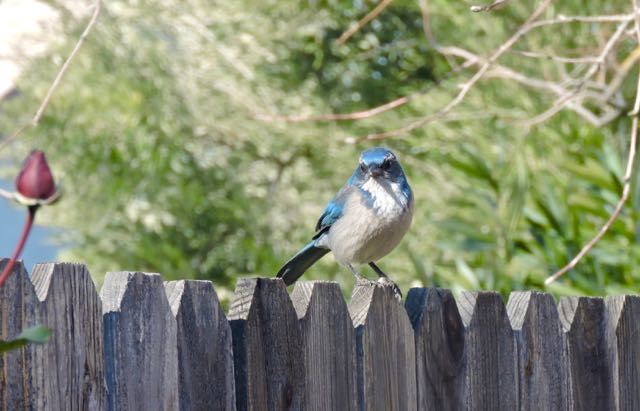
 From Sacramento to Potomac: Tales of Two Valleys